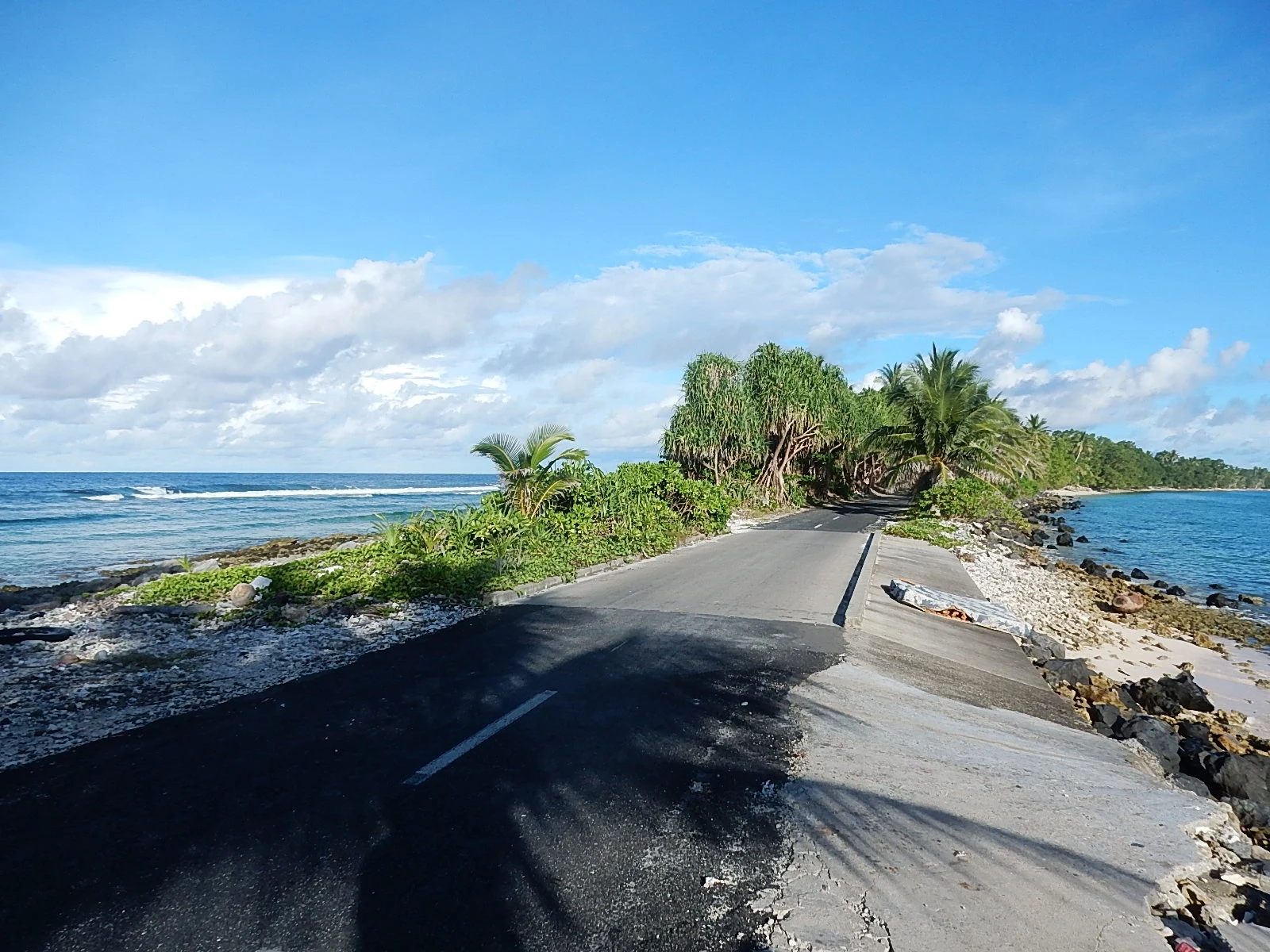
West Africa · Republic of Cape Verde
Cape Verde: A Practical Guide to Islands and Key Facts
A first compass for locating Cape Verde, understanding which basic data are useful for starting, and recognizing which travel details still need confirmation.
Cape Verde is an island nation in West Africa; Praia, on the island of Santiago, is its capital. This reference helps locate the country, but it is not enough to organize a tour of an archipelago: it is advisable to confirm separately how to reach each place you wish to visit. Portuguese is the registered official language, and the currency is the Cape Verdean escudo, identified by the code CVE and the symbol Esc. Island geography and practical verification are the two keys to starting with realistic expectations: the available information provides basic coordinates, not schedules, connections, or current services.
An Island Nation Facing West Africa
Cape Verde belongs to West Africa and does not have its own continental coastline: it is an island country. This distinction matters when planning, because the country's name does not equate to a single urban destination, nor does the capital serve as a substitute for the other islands. The evidence consulted allows it to be situated in the region, but does not detail distances, characteristics of each island, or transfer times; avoid turning a general geographical reference into a calculated itinerary. Archipelago is the appropriate scale for thinking about the trip, while the specific choice of places requires additional and updated information.
Praia, a Reference to Start the Map
Praia is the capital of Cape Verde and is located on the island of Santiago. It can serve as an initial reference when searching for the country and ordering a first conversation about the trip. However, the data available here only support the city's identity and its status as capital: they do not describe neighborhoods, attractions, accommodation, local transport, or connections with other islands. If the plan includes Praia, check those details with specific sources before deciding how much time to dedicate to it or how to link it with other destinations. Capital does not necessarily mean entry point or logistical center for all routes: these extremes are not confirmed by the evidence consulted.
Portuguese and the Cape Verdean Escudo
Portuguese is listed as the country's language in the data consulted. The currency is the Cape Verdean escudo (CVE), whose symbol is registered as Esc. These are useful references for recognizing the linguistic and monetary context, but they do not allow deducing which languages are spoken in each situation or how payment methods are accepted. To prepare conversations, payments, or conversions, review current and specific information about the places you will visit. Language and currency help establish a base of orientation; they do not replace the verification of services, availability, or current conditions.
What Can Be Affirmed and What Should Be Checked
The firm information available here covers the general location of the country, Praia as capital, Portuguese as the registered language, and the Cape Verdean escudo as currency. It does not offer schedules, fares, entry requirements, air or sea connections, or data on the frequency or availability of transports. Therefore, avoid assuming that a route is operational or that a connection is simple just because the destination is an island. Before closing dates or movements, confirm the options with the company or body responsible for each service. Direct verification is especially important for any data that may change; general references are not a schedule or a guarantee of availability.
Planning Proportionate to the Information
For a first decision, separate the questions: where is Cape Verde, what specific place do you want to visit, and how to get there on the planned dates. The first two have basic references; the third requires updated sources that do not appear in the material consulted. Avoid building a multi-island route or assigning transfer times without first confirming the connections. It is also sensible to review entry conditions, services, and payments separately, because the available evidence does not specify them. Staged planning reduces the risk of confusing a general country profile with operational information and allows adjusting the trip to verifiable data.
References consulted during editorial review. Times, requirements and advisories may change: always confirm with the official source.
- Cabo Verde WikidataCC0 1.0 Wikidata · Q1011
- Cabo Verde WikidataCC0 1.0 Wikidata · Q5015739
- Cabo Verde WikidataCC0 1.0 Wikidata · Q216889
- Cabo Verde WikidataCC0 1.0 Wikidata · Q61240463
- Cabo Verde WikidataCC0 1.0 Wikidata · Q34826012
- Cabo Verde WikidataCC0 1.0 Wikidata · Q125230885
- Cape Verde World Countries — mledozeODbL 1.0 World countries dataset by mledoze and contributors · ODbL 1.0
- Praia GeoNamesDatos geográficos bajo CC BY 4.0; requiere atribución a GeoNames. Fuente: GeoNames
- Praia GeoNamesDatos geográficos bajo CC BY 4.0; requiere atribución a GeoNames. Fuente: GeoNames
- Praia, Platô, Praia, 7600, Cape Verde OpenStreetMapODbL 1.0; atribución y obligación de compartir bases derivadas. Fuente: OpenStreetMap
- Praia, Cape Verde OpenStreetMapODbL 1.0; atribución y obligación de compartir bases derivadas. Fuente: OpenStreetMap
- Cabo Verde World Bank Open DataCC BY 4.0 World Bank
- Cape Verde DBpediaCC BY-SA 3.0 DBpedia
- Turismo em Cabo Verde: de la dicotomia a la integracion OpenAlexCC0 1.0 OpenAlex