A first geographical guide to planning your trip
Iceland on the Map: Reykjavík and Key Points for Orientation
Iceland is an island country in Northern Europe. These reference points locate Reykjavík and identify the language and currency, while separating confirmed facts from details to check before travelling.
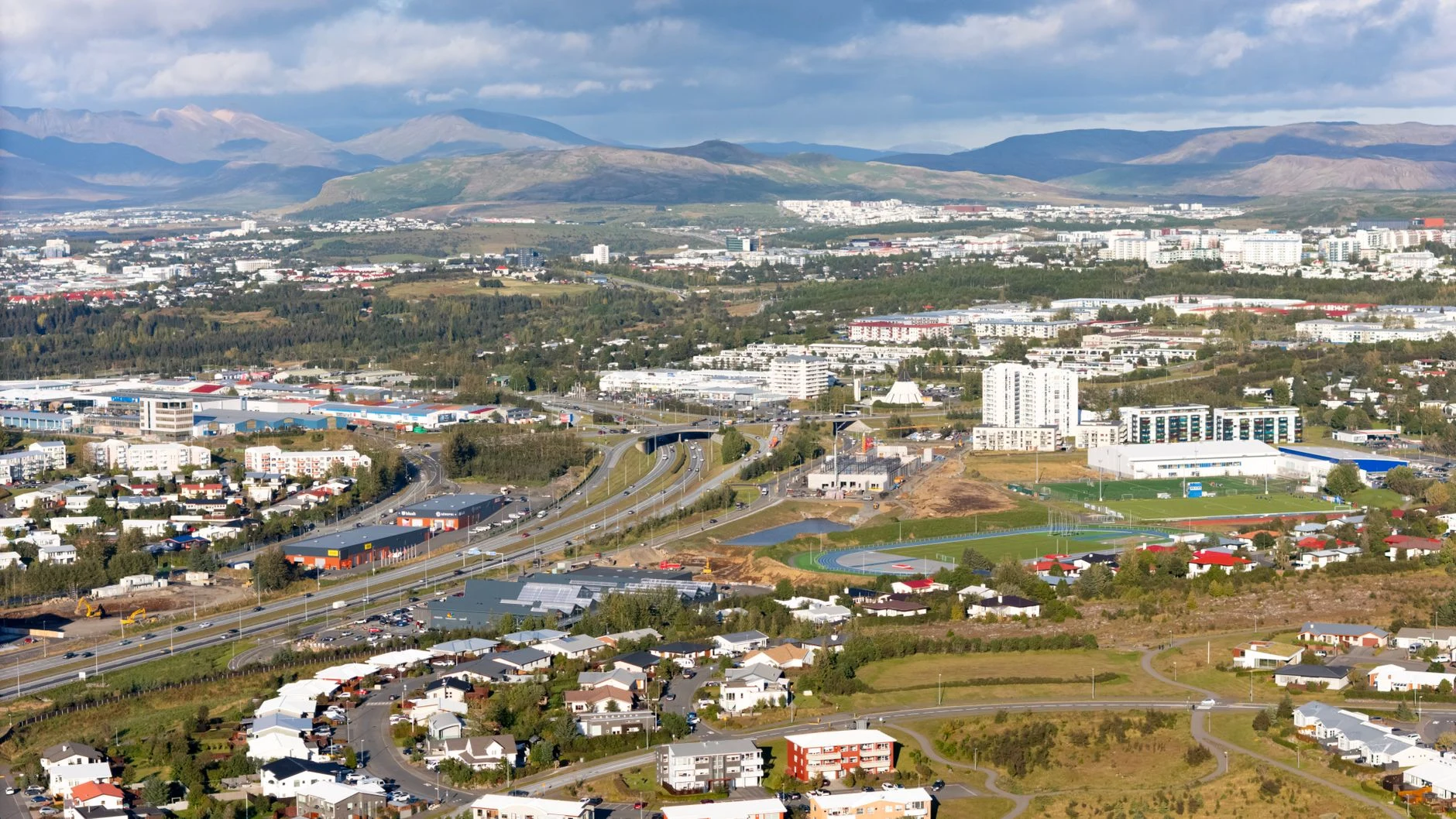
Iceland is an island country in Northern Europe, and Reykjavík is its capital. That gives you a starting point for locating the destination, but it is not enough to plan transfers or choose a route: the information available here confirms the country’s identity, location, language and currency, not current connections or tourist services. This guide distinguishes established facts from details you should verify with up-to-date sources before making practical decisions.
Iceland, an island country in northern Europe
The clearest geographical reference is simple: Iceland is an island country in Northern Europe. This helps place it on the map, but does not in itself describe internal distances, road conditions, specific landscapes or travel times. To plan an itinerary, consult current maps and operational sources for each area you intend to visit.
It is also worth distinguishing the country from other places called Iceland: the name appears in records for localities in the United States and Peru, as well as referring to the main island of the republic. In this article, Iceland means the country. This clarification helps avoid mixing information about different places when searching for details or images. Island geography gives you a broad sense of scale; it does not replace checking each journey.
Reykjavík as a point of reference
Reykjavík is the capital and is located in the Capital Region. Its recorded geographical position is approximately 64.14° north latitude and 21.90° west longitude. These coordinates can help you find it on a map; they do not describe the layout of its neighbourhoods, distances to other destinations or the best way to get there.
The name also appears in different spellings, including Reykjavík and Reykjavik. When searching for flights, accommodation, transport or official information, trying both the local spelling and the version without diacritics may help you find listings; this does not confirm that a particular connection exists or a service is available. Reykjavík is used here as a point of orientation, not as a recommendation to make it your base or proof that every journey must pass through the capital.
Language and currency: two confirmed facts
Icelandic is listed as the country’s language, and its recorded currency is the Icelandic króna, identified by the code ISK and the symbol kr. These are stable reference points for recognising the linguistic and monetary context as you begin planning. They do not tell you which languages a particular service offers, how payments work at individual businesses or what exchange rate travellers will encounter.
Before paying or setting a budget, check current financial information and see how prices are displayed on the sales channel you choose. Keeping Icelandic spellings for enquiries, place names and directions can be useful, but do not assume that automatic translation will reproduce proper names accurately. Language and currency provide context; specific service and payment arrangements need to be checked.
What this information cannot yet tell you
The available information does not detail current air routes, frequencies, fares, schedules, car hire, public transport or access to attractions. An airport listing associated with Reykjavík is an identification reference that may be out of date: it does not prove that flights are currently operating, that particular routes are served or that passenger services will be available on a specific date. Do not use that listing instead of checking with airlines or the relevant operator.
There is also no evidence here to support claims about recommended seasons, booking requirements, safety conditions, accessibility or journey times. For every decision, check with the service provider and confirm dates and conditions before committing to any expenses. Separating geographical facts from operational details helps prevent a general reference from becoming an implied travel promise.
A cautious way to prepare for your visit
Start by locating Reykjavík and any other places you want to include on a map, making sure the results refer to Iceland the country rather than a place with the same name. Then check travel between those points separately, along with the availability of your chosen transport and the conditions for each activity. If your plans depend on a flight or a specific service, confirm the date and operation directly with the provider.
The available evidence does not support recommending a month, trip length, specific route or way to get around Iceland. So avoid finalising an itinerary based only on the capital’s location or an airport listing. The value of these reference points is to clarify your next step: use geographical identity to get oriented, then consult current sources for logistics, costs and access.
References consulted during editorial review. Times, requirements and advisories may change: always confirm with the official source.
- Islandia WikidataCC0 1.0 Wikidata · Q189
- Islandia WikidataCC0 1.0 Wikidata · Q3452395
- Islandia WikidataCC0 1.0 Wikidata · Q2049988
- Islandia WikidataCC0 1.0 Wikidata · Q19414184
- Islandia WikidataCC0 1.0 Wikidata · Q3740828
- Bouvet Island World Countries — mledozeODbL 1.0 World countries dataset by mledoze and contributors · ODbL 1.0
- Reykjavik GeoNamesDatos geográficos bajo CC BY 4.0; requiere atribución a GeoNames. Fuente: GeoNames
- Reykjavik, Capital Region, Iceland OpenStreetMapODbL 1.0; atribución y obligación de compartir bases derivadas. Fuente: OpenStreetMap
- Iceland World Bank Open DataCC BY 4.0 World Bank
- Reykjavik Airport OpenFlightsODbL 1.0 (base de datos) / DbCL 1.0 (contenidos) Reykjavik Airport · OpenFlights · ODbL 1.0