Libya · Geographic and Practical References
Libya from Tripoli: Initial Orientation Before Traveling
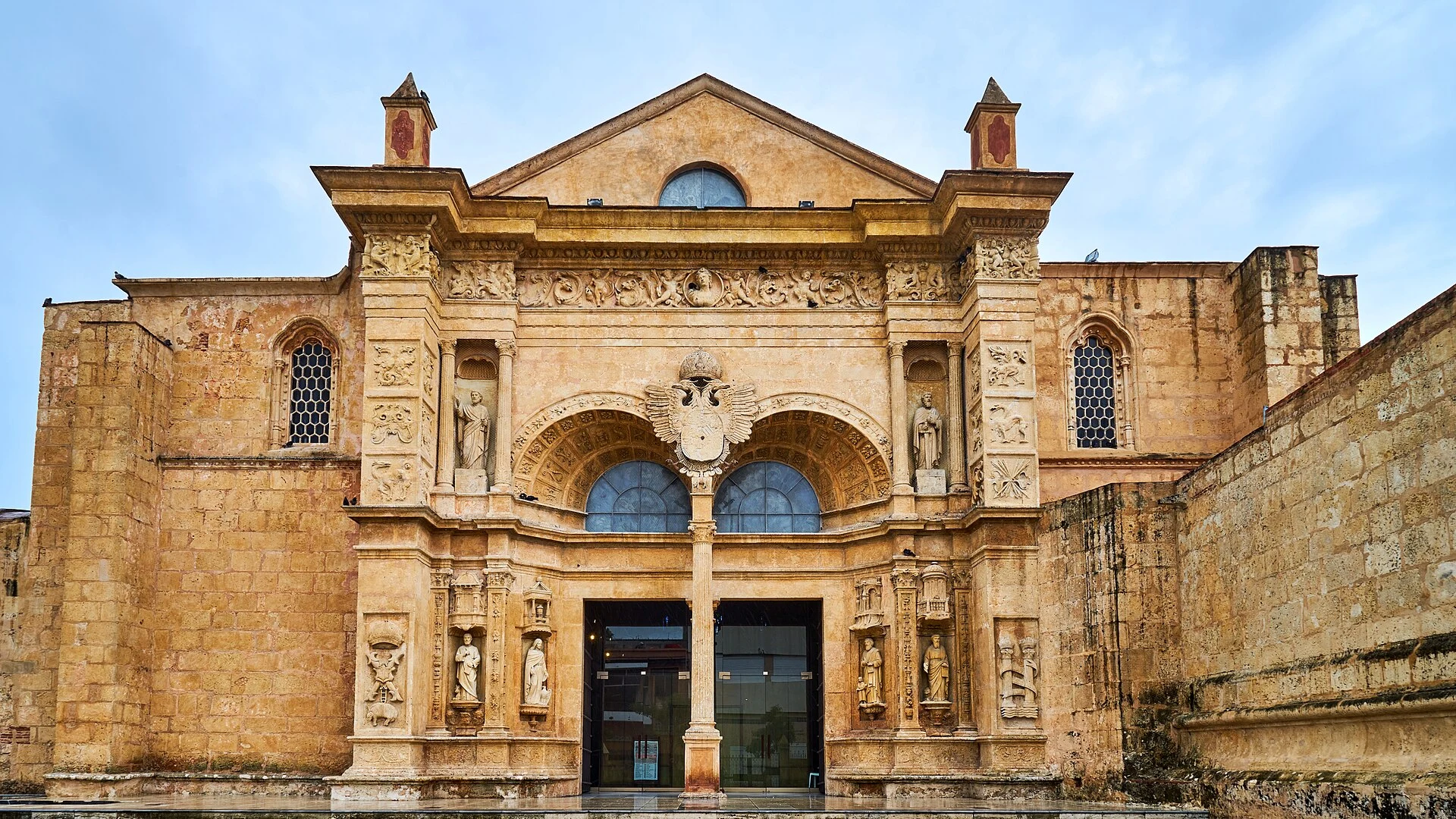
Libya is located in North Africa, and its capital is Tripoli. A prudent guide to locating the country, understanding the basic data provided by research, and what must be verified before organizing a trip.
The available information allows for a clear situational understanding of Libya, but it does not describe a specific tourist visit: the country is in North Africa, its capital is Tripoli, and Arabic is listed as the official language in the consulted data. For those beginning to plan, this foundation serves to orient them, not to resolve flights, local mobility, or current conditions. It is advisable to separate stable data from anything that may change and to verify it with current sources before making decisions.
Locating Libya Before Deciding on a Route
Libya is located in Africa and is classified within North Africa. The country does not lack a coastline, although the provided data does not detail its coasts, landscapes, or internal distances; therefore, they are insufficient to propose a route or calculate travel times. For initial planning, note the regional location and leave the selection of cities, itineraries, and entry points for a later phase, always with updated information. National scale matters: knowing which region the country is in does not indicate how long it takes to travel from one locality to another. The available evidence also does not allow asserting which areas are visitable or describing security or service conditions.
Tripoli as a Reference, Not a Confirmed Itinerary
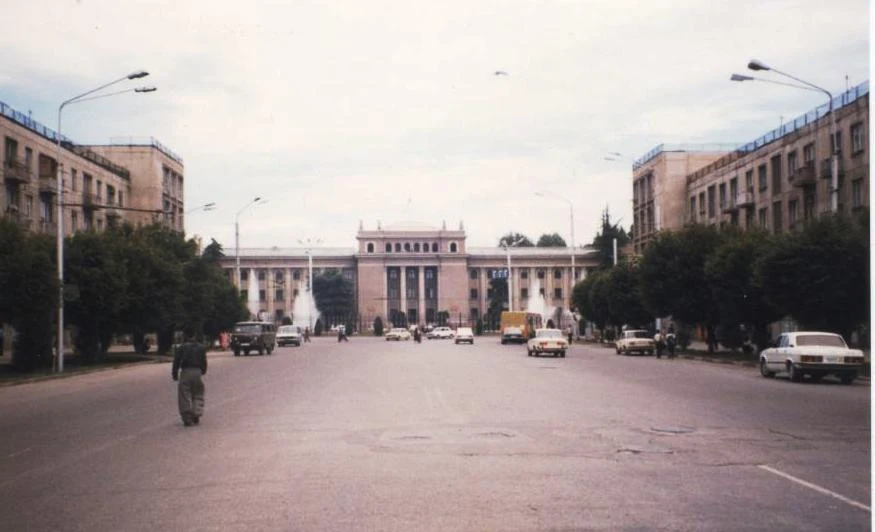
Tripoli is the capital of Libya and appears identified as a city of the country in the consulted geographic records. This data provides a reference point for seeking specific information, but it does not prove that it is an available entry point or that specific connections exist on a given date. The research also contains an airport profile associated with Tripoli, but it is a snapshot that does not attest to current operations, flights, airlines, or passenger service. Confirm each connection directly before purchasing or organizing transfers. The evidence does not describe transport within the city, so it does not allow recommending a mode of transport to move around it.
Arabic and the Libyan Dinar: Two Useful Data Points for Preparing Inquiries
Arabic is listed as the country's language in national data, and the registered currency is the Libyan dinar (LYD), whose symbol is presented as ل.د. These are useful references for preparing searches, reviewing payment information, and formulating questions to providers, but they do not guarantee that a specific service is available in Arabic or clarify accepted payment methods. They also do not provide exchange rates, fees, or prices. Do not turn the currency into a budget without consulting current values and payment conditions directly with reliable sources. The available research does not specify other languages used in daily life or allow characterizing the country's linguistic diversity.
What Must Be Verified Before Booking
The provided records are suitable for identity data, general location, capital, language, and currency; they do not contain current information on entry requirements, flights, schedules, accommodation, internal transport, or tourist services. Therefore, the next step is to consult official sources and responsible operators for each specific date and segment. Verification is part of the plan, not a detail that can be completed with a geographic profile. Do not assume airport data from a historical database is current, nor infer availability from the mere existence of a record. If a decision depends on a recent condition, verify it just before committing money or traveling.
A Deliberately Limited Planning Approach
With the gathered evidence, an initial profile can be prepared: Libya is in North Africa, Tripoli is its capital, Arabic is the recorded language, and the currency is the Libyan dinar. There is not enough basis here to design a visit by neighborhoods, monuments, museums, landscapes, or traditions, nor to indicate duration, best season, or booking needs. Avoid filling those gaps with assumptions: first identify which place you wish to visit and then seek specific, recent, and attributable sources for that place. This caution does not replace complete planning; it helps distinguish what is already confirmed from what still requires verification.
References consulted during editorial review. Times, requirements and advisories may change: always confirm with the official source.
- Libia WikidataCC0 1.0 Wikidata · Q1016
- Libia WikidataCC0 1.0 Wikidata · Q1129914
- Libia WikidataCC0 1.0 Wikidata · Q3237870
- Libya World Countries — mledozeODbL 1.0 World countries dataset by mledoze and contributors · ODbL 1.0
- Tripoli GeoNamesDatos geográficos bajo CC BY 4.0; requiere atribución a GeoNames. Fuente: GeoNames
- Tripoli GeoNamesDatos geográficos bajo CC BY 4.0; requiere atribución a GeoNames. Fuente: GeoNames
- Tripoli, Libya OpenStreetMapODbL 1.0; atribución y obligación de compartir bases derivadas. Fuente: OpenStreetMap
- Tripoli, Libya OpenStreetMapODbL 1.0; atribución y obligación de compartir bases derivadas. Fuente: OpenStreetMap
- Libya World Bank Open DataCC BY 4.0 World Bank
- Libya DBpediaCC BY-SA 3.0 DBpedia
- Libia DBpediaCC BY-SA 3.0 DBpedia
- Tripoli International Airport OpenFlightsODbL 1.0 (base de datos) / DbCL 1.0 (contenidos) Tripoli International Airport · OpenFlights · ODbL 1.0