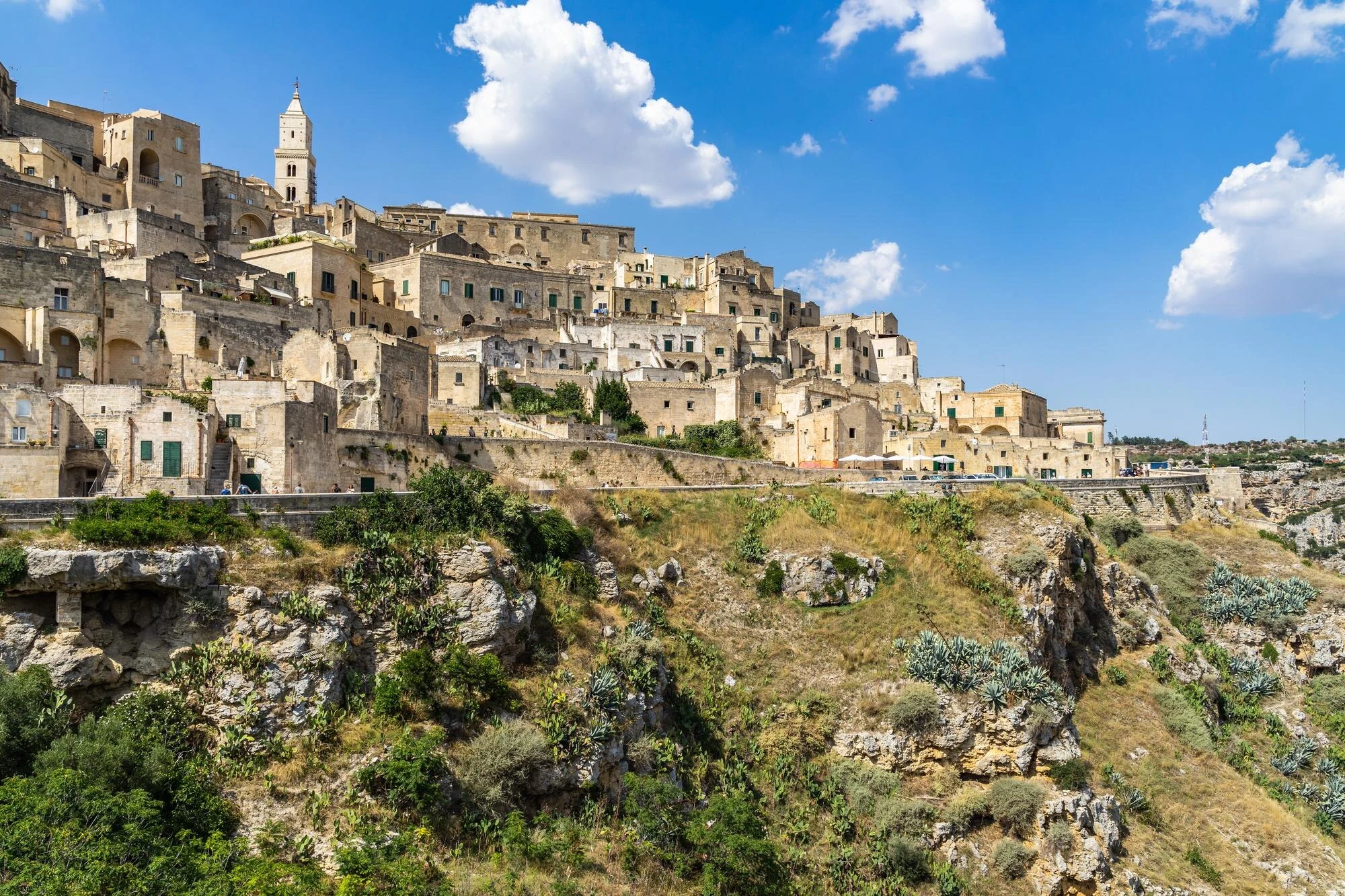
Andorra la Vella and the Pyrenean Valleys
Andorra combines a capital with an old town and urban life with protected mountain valleys. The choice shapes your visit: streets and museums in Andorra la Vella, or natural scenery and rural heritage in the Pyrenees.
Andorra la Vella: Old Town and contemporary city
The Barri Antic preserves streets and buildings connected with the city’s history. It has been the country’s main centre since the 13th century. The former parliament building is here, while the more modern urban development reveals another side of the capital. The city also has museums, shops and wellness facilities, making it a good choice for a stay focused on urban life rather than a mountain outing. Much of the city can be explored on foot, though it is worth checking current conditions at the specific places you plan to visit.
Three protected valleys, three reasons to leave the city
Sorteny, Madriu-Perafita-Claror and Comapedrosa each offer a different perspective on Andorra’s landscape. Sorteny is known for its interpretive trails and botanical garden; Madriu-Perafita-Claror combines nature with traces of traditional mountain life; and Comapedrosa is associated with an alpine setting and the country’s summits. They are not interchangeable: choosing one means prioritising biodiversity, the cultural heritage of a mountain landscape or high mountains. The available information describes these areas but is not enough to plan a specific route. Check access, services and conditions before setting out.
How to choose the right scale for your visit
If you are interested in urban heritage and a base with museums and shops, Andorra la Vella offers something different from a day in a valley. If your goal is to experience the landscape, first decide which aspect interests you, then check the logistics for the area you choose. To experience both, do not assume that an urban visit and a mountain outing require the same transport, time or preparation. Buses connect towns in the country, but routes and timetables change: consult current information before planning your journeys.
Practical details to check
The mountainous terrain affects transport links: Andorra has no airport of its own, and international access is by road from France or Spain. The capital has a bus station and national and international connections described in the information consulted, but do not assume that the listed services, fares or frequencies are current; confirm them with the operators. Before travelling, also check the entry requirements that apply to your nationality and circumstances. Andorra is not part of the Schengen Area, and your journey may involve crossing France or Spain. Immigration rules can change, so consult official sources.
Sources and references
Hide references
14 references
References consulted during editorial review. Times, requirements and advisories may change: always confirm with the official source.
-
AndorraLicence: CC BY-SA 4.0 Wikivoyage contributors · Andorra
-
Andorra la VellaLicence: CC BY-SA 4.0 Wikivoyage contributors · Andorra la Vella
-
Pas de la CasaLicence: CC BY-SA 4.0 Wikivoyage contributors · Pas de la Casa
-
Andorra national parksLicence: CC BY-SA 4.0 Wikivoyage contributors · Andorra national parks
-
Andorra - WikiviajesLicence: CC BY-SA 4.0 Wikivoyage contributors · Andorra - Wikiviajes
-
Cataluña - WikiviajesLicence: CC BY-SA 4.0 Wikivoyage contributors · Cataluña - Wikiviajes
-
Andorra (Teruel) - WikiviajesLicence: CC BY-SA 4.0 Wikivoyage contributors · Andorra (Teruel) - Wikiviajes
-
Andorra la Vieja - WikiviajesLicence: CC BY-SA 4.0 Wikivoyage contributors · Andorra la Vieja - Wikiviajes
-
AndorraLicence: CC BY-SA 3.0 DBpedia
-
Andorra la VellaLicence: CC BY-SA 3.0 DBpedia