Belarus Travel Warnings and Historical Context
Belarus brings together cultural landmarks, historic cities and natural landscapes. But safety warnings and travel restrictions should shape any decision before you start planning a visit.
Make the decision before planning the itinerary
The guidance reviewed recommends caution and even considers avoiding travel. It cites political repression, extensive surveillance and the risk of sudden border or travel restrictions. These conditions can change, so check current official advisories before booking or setting out; do not assume that a route or connection mentioned in older information is guaranteed. Safety and access are the first filters, not details to sort out at the end.
What might interest visitors, if conditions allow
The available information identifies three areas of interest: architecture, nature and Soviet heritage. Named places include Brest, with architecture shaped by Polish and Eastern influences, as well as Belovezhskaya Pushcha forest and the Mir Castle complex. The source identifies the latter and the park as sites on the World Heritage List, but does not provide enough detail here to plan specific visits. Treat them as thematic points of reference, not confirmation of current access or visitor services.
Brest: architecture shaped by changing borders
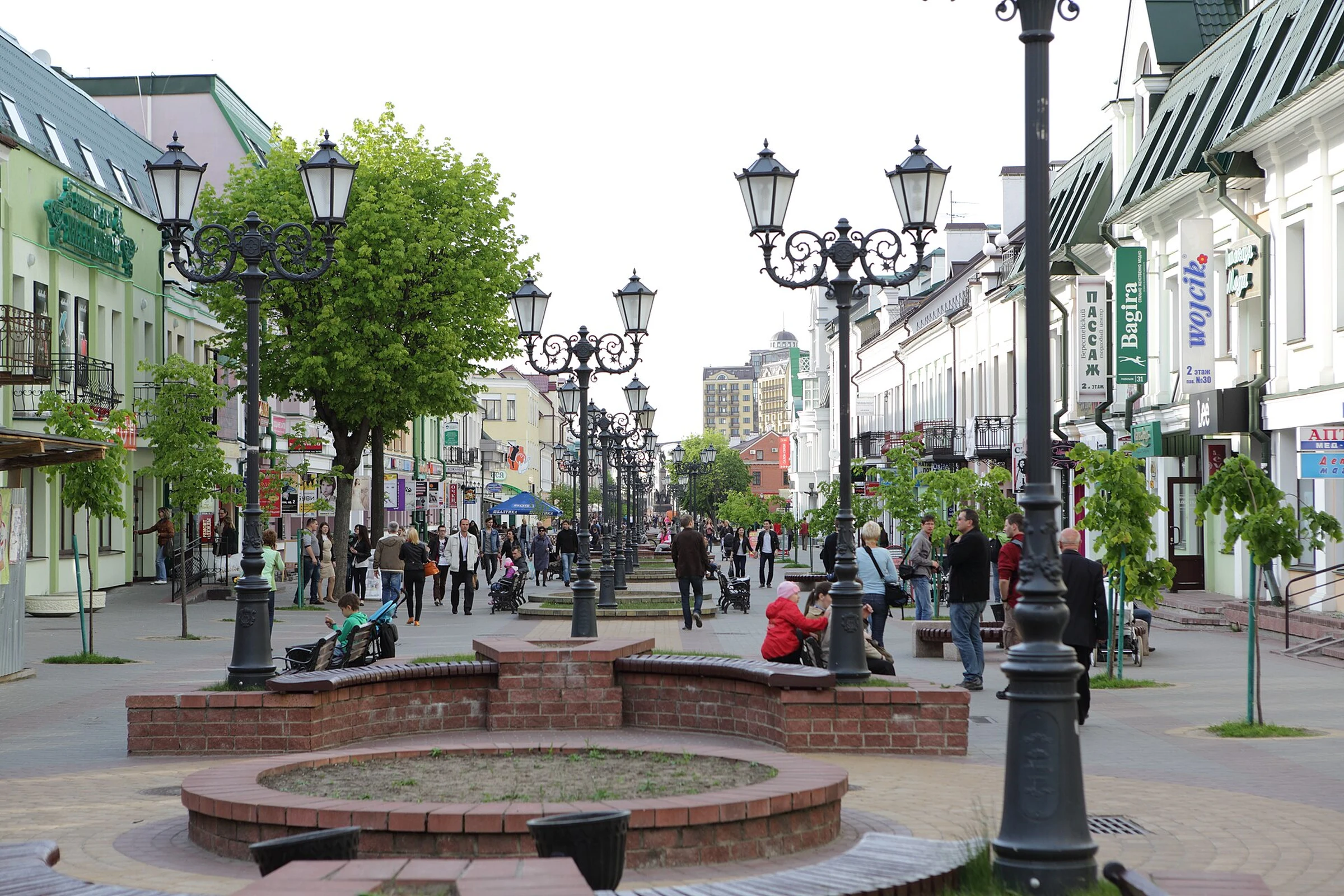
Brest offers a way into a regional history marked by successive changes of control. The city passed to Russia after the partitions of the Polish–Lithuanian Commonwealth, came under Polish control after the First World War, and was incorporated into the Soviet Union in 1939. After the Soviet Union dissolved, it became part of present-day Belarus. This succession helps explain the architectural mix described in the source: features associated with Poland, Orthodox churches and Soviet-era buildings. The city’s Jewish history is also part of its story, although the source notes that state museums do not present it. The borderland context matters as much as the façades themselves.
Nature: parks with uneven visitor information
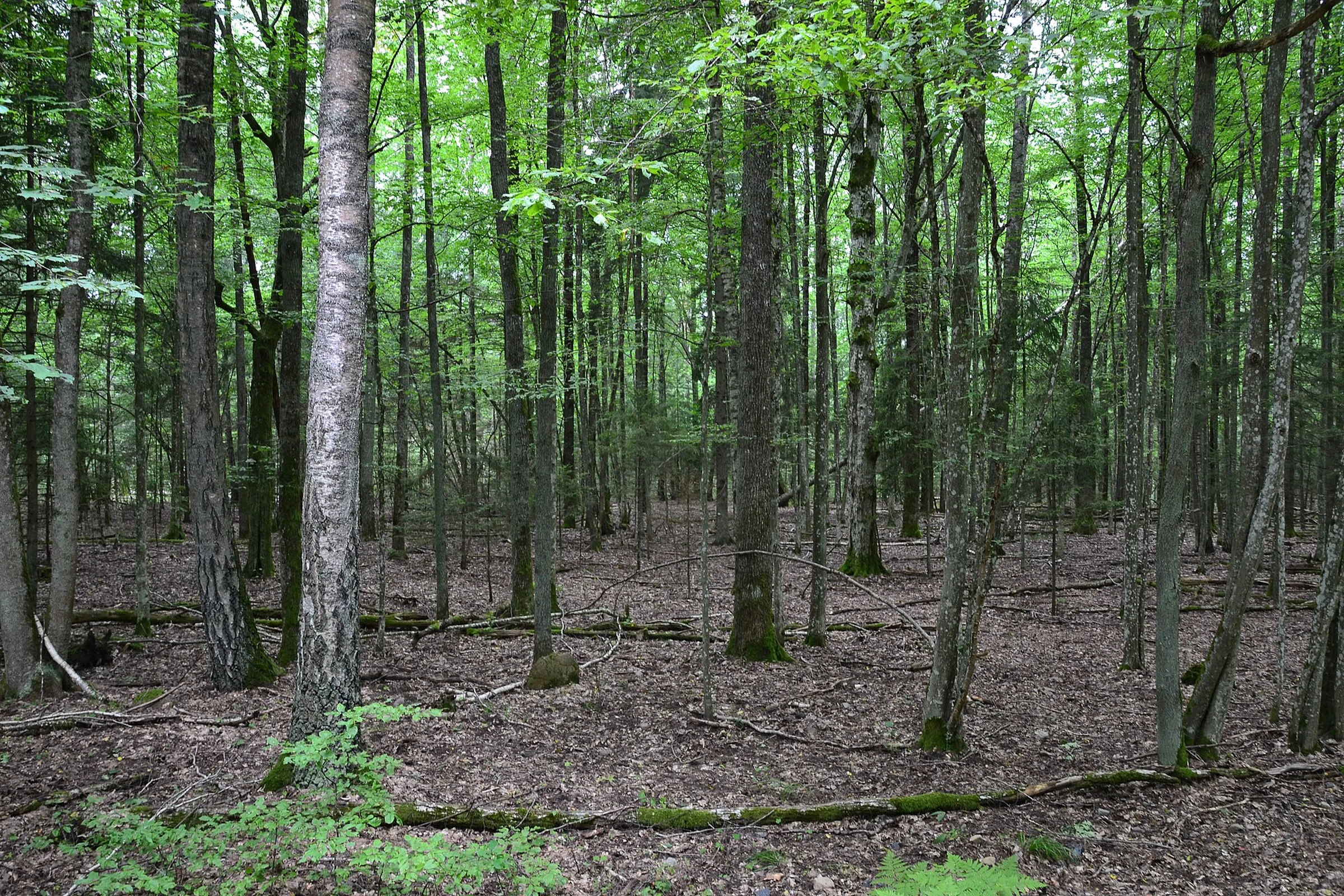
The source lists four national parks: Belovezhskaya Pushcha, Braslau Lakes, Prypyatski and Narachanski. Belovezhskaya Pushcha extends across the Belarus–Poland border; Prypyatski takes its name from the Pripyat River. The information provided does not describe trails, transport, access conditions or visitor services. Before choosing a park, check directly with official sources to confirm whether it is open and what conditions apply. Do not plan travel using general information about the country alone.
Useful facts for getting your bearings
Belarus is in Eastern Europe, is landlocked and has Minsk as its capital. The information consulted lists Belarusian and Russian as languages used in the country; its currency is the Belarusian ruble (BYN). These details can help you recognise local names and information, but they do not replace checks on entry requirements, payments, connections or communications. Consult current official sources for those matters, as the general facts gathered here do not establish them.
Sources and references
Hide references
14 references
References consulted during editorial review. Times, requirements and advisories may change: always confirm with the official source.
-
BelarusLicence: CC BY-SA 4.0 Wikivoyage contributors · Belarus
-
Brest (Belarus)Licence: CC BY-SA 4.0 Wikivoyage contributors · Brest (Belarus)
-
National parks of BelarusLicence: CC BY-SA 4.0 Wikivoyage contributors · National parks of Belarus
-
Eastern EuropeLicence: CC BY-SA 4.0 Wikivoyage contributors · Eastern Europe
-
Bielorrusia - WikiviajesLicence: CC BY-SA 4.0 Wikivoyage contributors · Bielorrusia - Wikiviajes
-
Gómel - WikiviajesLicence: CC BY-SA 4.0 Wikivoyage contributors · Gómel - Wikiviajes
-
Lituania - WikiviajesLicence: CC BY-SA 4.0 Wikivoyage contributors · Lituania - Wikiviajes
-
Pripyatsky National ParkLicence: CC BY-SA 4.0 Fuente: Wikivoyage
-
BielorrusiaLicence: CC0 1.0 Wikidata · Q184
-
MinskLicence: Datos geográficos bajo CC BY 4.0; requiere atribución a GeoNames. Fuente: GeoNames
-
MinskLicence: Datos geográficos bajo CC BY 4.0; requiere atribución a GeoNames. Fuente: GeoNames
-
BelarusLicence: CC BY-SA 3.0 DBpedia
-
Belarus in the Eurovision Song Contest 2011Licence: CC BY-SA 3.0 DBpedia