Bissau and three urban landmarks to plan your visit
Explore Guinea-Bissau’s political and port history through three urban landmarks: Bissau Velho, the port of Pidjiguiti and Bandim Market. Check current opening hours, access and transport before you go.
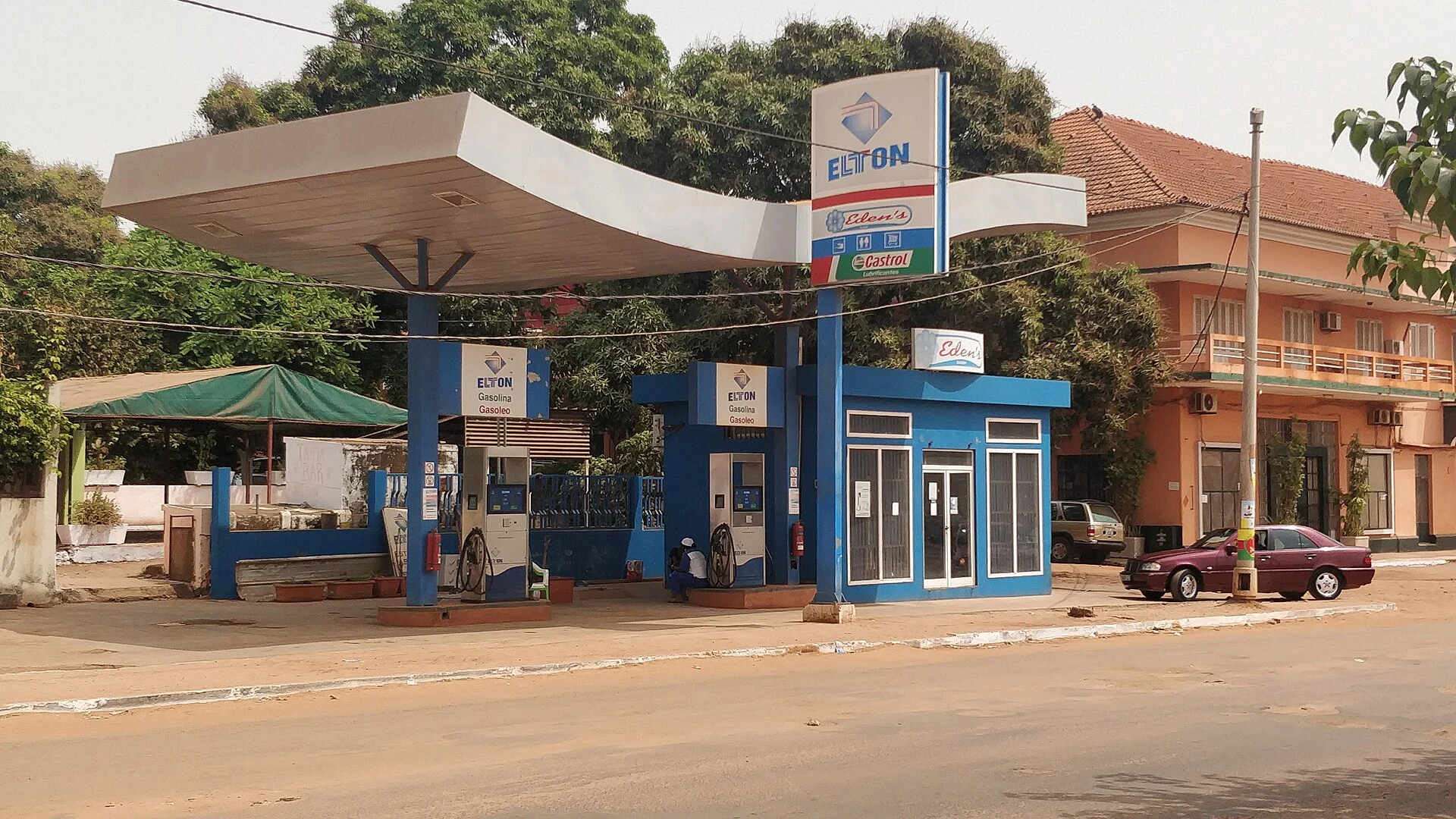
Bissau Velho and the layers of history
Bissau Velho retains colonial-era buildings that still house some shops and pharmacies. The urban fabric shows how historic structures are put to new uses, although you should not assume that every building can be visited or is in good condition. A walk through the area offers a chance to notice the continuity between architecture and everyday use; check current access and conditions before planning a specific visit.
The capital’s history is also shaped by independence. Near the former presidential palace stands the Independence Monument, commemorating the unilateral declaration of independence from Portugal on 24 September 1973. The palace was bombed during the civil war and rebuilt in 2013. These are historical facts, not confirmation of its current function or access.
Pidjiguiti, a landmark in a port city
The port of Pidjiguiti helps explain Bissau’s relationship with the Gêba Channel and its role as a port city. The city developed along the channel, whose roadstead allows large vessels to enter. This geographical reference provides context, but it does not tell you which port facilities can be visited or how traffic operates today: check access and activities with recent local information.
For more context on the capital’s urban landmarks, this guide to Bissau Velho and Bandim Market brings together other points of interest and details to verify before setting out.
Bandim and commercial life
Bandim Market is an important commercial landmark in the city. Visiting shifts the focus: unlike monuments and historic buildings, the interest here lies in observing everyday activity. As with any busy market, allow time to explore rather than treating it as a timed stop; available information does not confirm current hours, access conditions or services.
Bissau brings together diverse ways of life and languages. Portuguese and Guinea-Bissau Creole are useful reference points when preparing to communicate, but do not assume that one language will work in every interaction. Writing down place names and checking directions on the ground can make it easier to find your way.
Plan with up-to-date information
Travel-guide details about transport, flights, schedules and fares can become outdated. Before committing to connections or getting around the city, confirm arrangements with the relevant company or provider and check again close to your travel date. Do not assume that a journey described as possible will still operate under the same conditions.
If time is limited, prioritise the landmarks that best match your interests: architecture and political memory in Bissau Velho, the port setting at Pidjiguiti, or commerce at Bandim. This helps shape your visit without suggesting there is a fixed city route or promising access that needs to be verified.
Sources and references
Hide references
14 references
References consulted during editorial review. Times, requirements and advisories may change: always confirm with the official source.
-
BissauLicence: CC BY-SA 4.0 Wikivoyage contributors · Bissau
-
Guinea-Bissau Creole phrasebookLicence: CC BY-SA 4.0 Wikivoyage contributors · Guinea-Bissau Creole phrasebook
-
GuineaLicence: CC BY-SA 4.0 Wikivoyage contributors · Guinea
-
Guinea-BissauLicence: CC BY-SA 4.0 Wikivoyage contributors · Guinea-Bissau
-
Guinea-Bisáu - WikiviajesLicence: CC BY-SA 4.0 Wikivoyage contributors · Guinea-Bisáu - Wikiviajes
-
Guinea - WikiviajesLicence: CC BY-SA 4.0 Wikivoyage contributors · Guinea - Wikiviajes
-
Senegal - WikiviajesLicence: CC BY-SA 4.0 Wikivoyage contributors · Senegal - Wikiviajes
-
Bisáu - WikiviajesLicence: CC BY-SA 4.0 Wikivoyage contributors · Bisáu - Wikiviajes
-
Guinea-BisáuLicence: CC0 1.0 Wikidata · Q1007
-
Guinea-BissauLicence: ODbL 1.0 World countries dataset by mledoze and contributors · ODbL 1.0
-
BissauLicence: Datos geográficos bajo CC BY 4.0; requiere atribución a GeoNames. Fuente: GeoNames
-
BissauLicence: Datos geográficos bajo CC BY 4.0; requiere atribución a GeoNames. Fuente: GeoNames