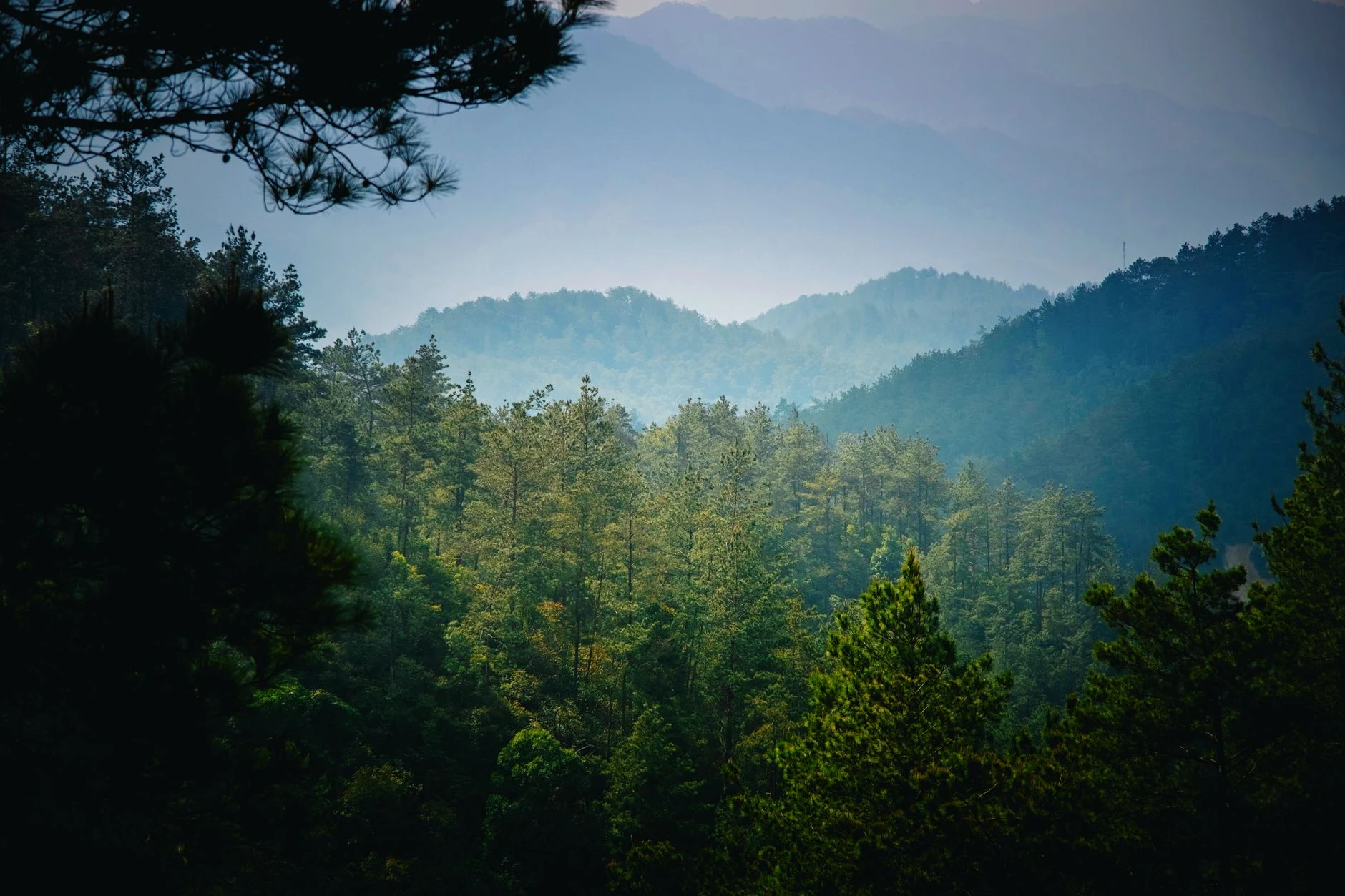
Burundi: A Visit to Gitega, Bujumbura and Lake Tanganyika
Gitega offers historical and museum landmarks; Bujumbura, the former capital on Lake Tanganyika, provides a different starting point for understanding the country. Check distances and current transport information before setting out.
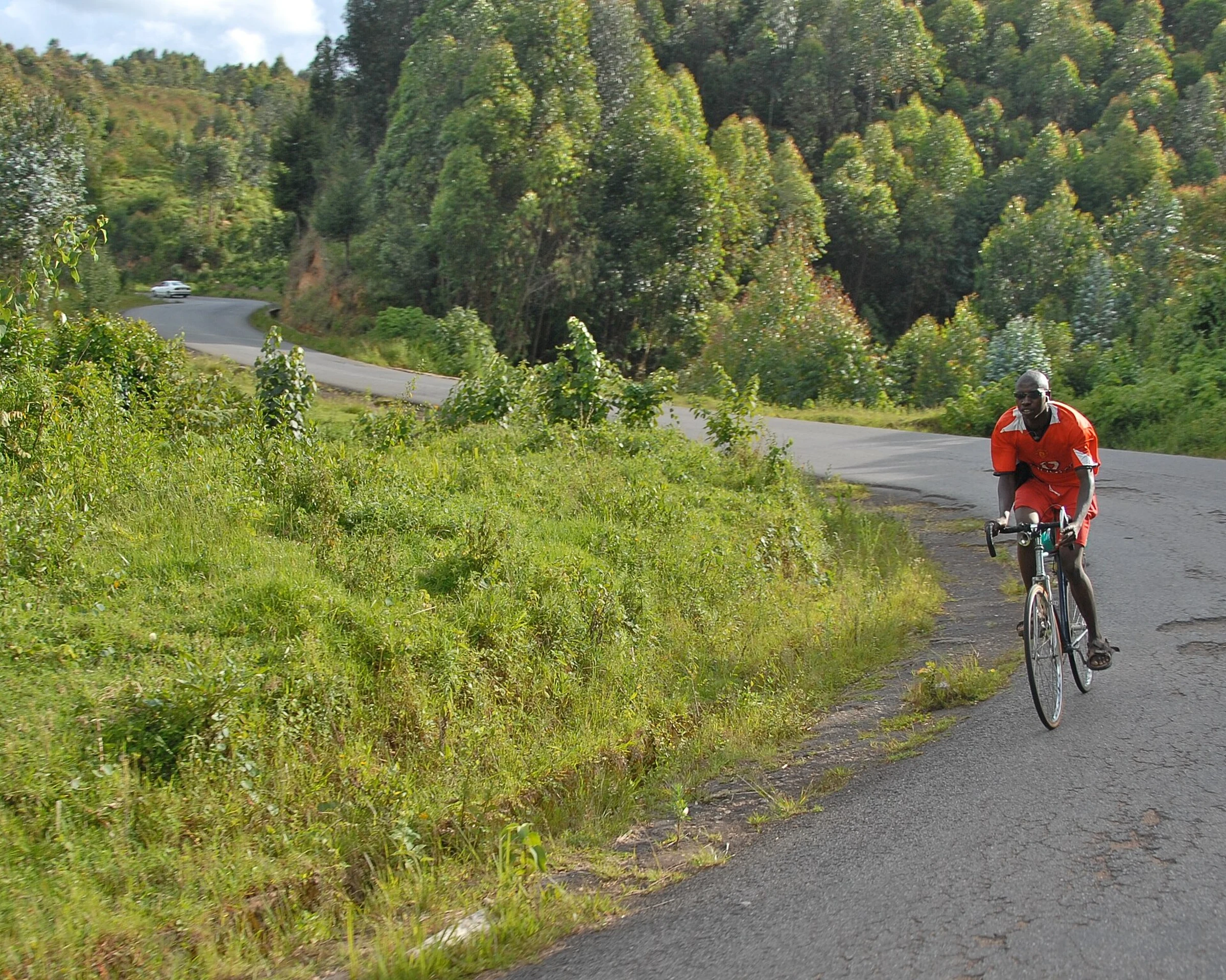
Gitega: a capital with layers of history
In central Burundi, Gitega was the capital of the Kingdom of Burundi until 1966 and has been the country’s political capital since 2019. The National Museum, which opened in 1955 according to the guide consulted, holds objects associated with the Burundian royal court in the early twentieth century, archaeological finds, everyday utensils and coins from the colonial period. It is a useful stop for understanding the material history before exploring the city. Check current opening hours, access and admission fees directly before you go: the available reference does not establish that these details are still valid.
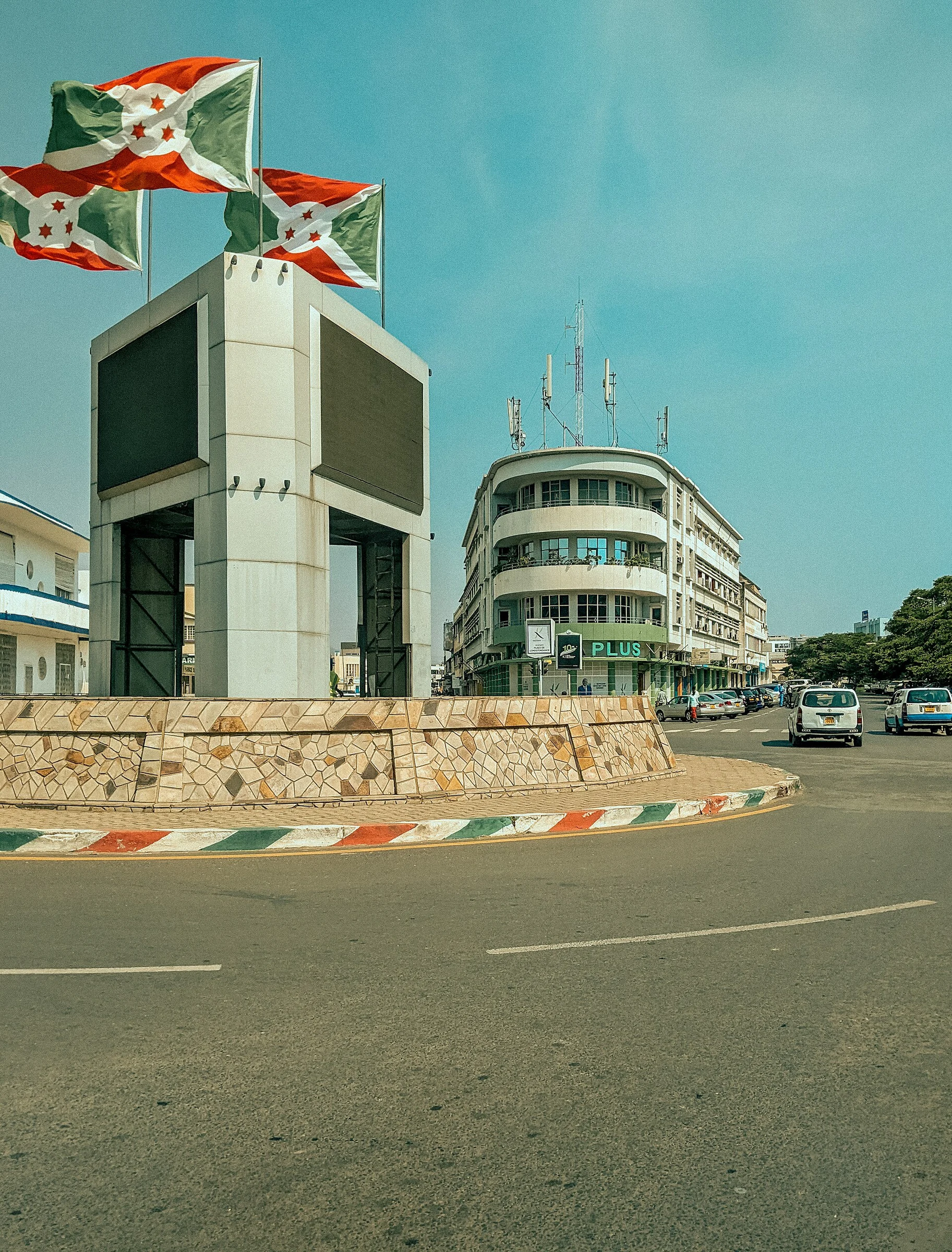
Bujumbura and Lake Tanganyika
Bujumbura is the country’s most populous city and was its capital until 2019. It lies on the northeastern shore of Lake Tanganyika, which also forms part of Burundi’s western border. This lakeside setting distinguishes it from Gitega, which occupies a central position in the country. In Bujumbura, the mausoleum of Prince Louis Rwagasore is dedicated to the national hero of independence. The guide notes that Independence Day is celebrated there on 1 July; this is a historical reference, not an up-to-date calendar of events.
Factor the journey into your plans
The Gitega guide gives the distance from Bujumbura, where it places the international airport, as 62 km, and mentions road travel by bus, taxi or private vehicle. It also says that, as of April 2020, there were no regular flights to Gitega airport. That observation is historical and should not be treated as a reliable account of current services. Before deciding which city to visit first, check current connections and transport options with operators or official sources. Distance alone does not tell you how long the journey will take, what it will cost or what conditions to expect.
Languages and currency as starting points
French and Kirundi are among the languages used in the country; the currency is the Burundian franc (BIF). These are useful starting points for research, but they do not establish which languages will be used at a particular service or which payment methods a business will accept. Check those details locally, along with entry requirements, which can change.
Sources and references
Hide references
14 references
References consulted during editorial review. Times, requirements and advisories may change: always confirm with the official source.
-
BujumburaLicence: CC BY-SA 4.0 Wikivoyage contributors · Bujumbura
-
BurundiLicence: CC BY-SA 4.0 Wikivoyage contributors · Burundi
-
GitegaLicence: CC BY-SA 4.0 Wikivoyage contributors · Gitega
-
KabeziLicence: CC BY-SA 4.0 Wikivoyage contributors · Kabezi
-
Buyumbura - WikiviajesLicence: CC BY-SA 4.0 Wikivoyage contributors · Buyumbura - Wikiviajes
-
Burundi - WikiviajesLicence: CC BY-SA 4.0 Wikivoyage contributors · Burundi - Wikiviajes
-
Tanzania - WikiviajesLicence: CC BY-SA 4.0 Wikivoyage contributors · Tanzania - Wikiviajes
-
GitegaLicence: Datos geográficos bajo CC BY 4.0; requiere atribución a GeoNames. Fuente: GeoNames
-
BurundiLicence: CC BY-SA 3.0 DBpedia
-
Communes of BurundiLicence: CC BY-SA 3.0 DBpedia
-
Anglican dioceses of BurundiLicence: CC BY-SA 3.0 DBpedia