Choosing a focus for your trip across Nicaragua's regions
Nicaragua brings together colonial cities, lakes and volcanoes in the west, northern highlands, and a Caribbean coast with distinct cultures and different travel logistics. Choosing a region first helps shape your trip.
The west: cities, lake and volcanoes
Western Nicaragua offers urban and historic landmarks alongside lakes and volcanoes. Granada retains a colonial character and sits beside Lake Cocibolca; León is known for its old churches, museums, university and revolutionary history. The cities offer different experiences: Granada suits a focus on its urban fabric and lakeside setting, while León combines architecture, university life and political memory.
The volcanic range crosses the country from northwest to southeast, and Cocibolca—also called Lake Nicaragua—is Central America’s largest freshwater lake. Ometepe, in the lake, is notable for its two volcanoes. You do not need to turn these landmarks into an ambitious circuit: choosing one city as a base and adding a nearby landscape can make the visit easier to manage. For more context, see León and its urban history and the references to Granada.
The north: mountains and coffee-growing culture
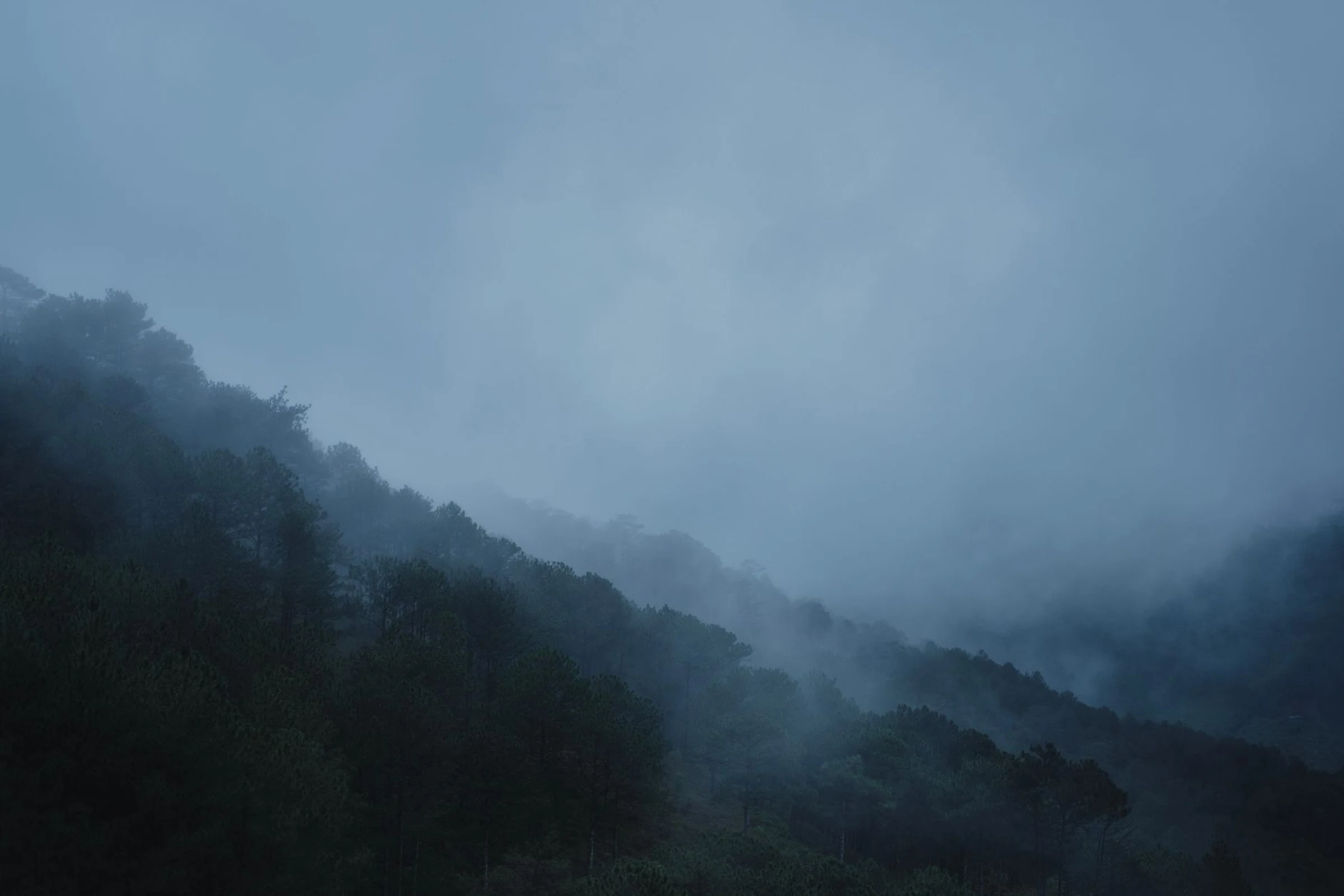
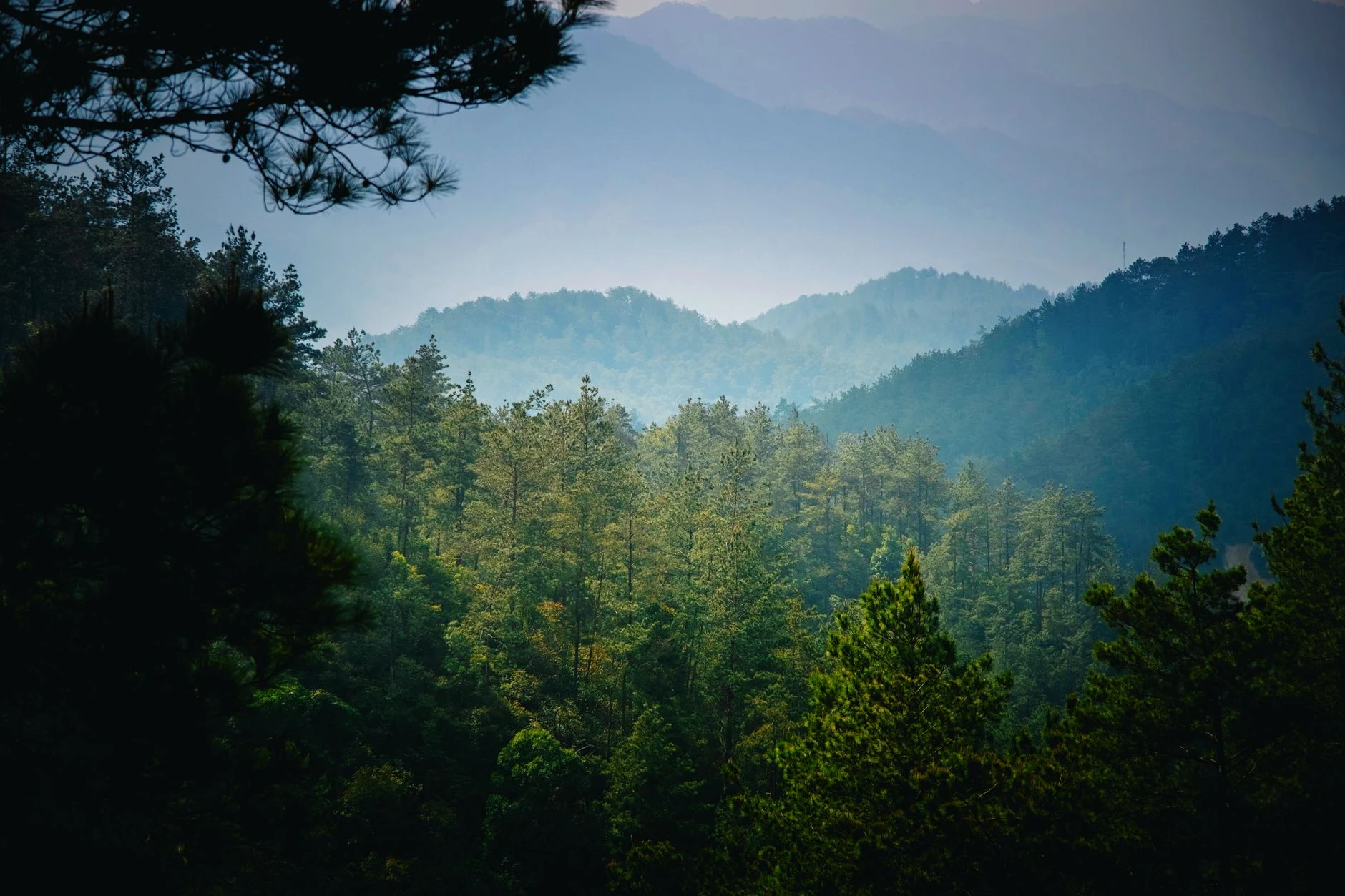
The northern highlands contrast with the western plains. The region is more mountainous, with coffee and tobacco cultivation, and it also bears traces of the country’s revolutionary history. For travellers seeking a sense of Nicaragua’s geographic variety, the north offers a different scale from the colonial cities and volcanoes.
The available information does not establish journey times or specific connections between areas. Before adding the north to an itinerary, confirm transport options and the status of services using up-to-date sources.
The Caribbean: culture and travel by water
The Caribbean coast has a diverse cultural identity, with Miskito, Garifuna, Rama and Creole communities, among others. Spanish may not be spoken in some rural places; languages mentioned in the region include Rama, Garifuna, Miskito and Caribbean Creole. Spanish may be useful, but do not assume it will be the only language used in conversation.
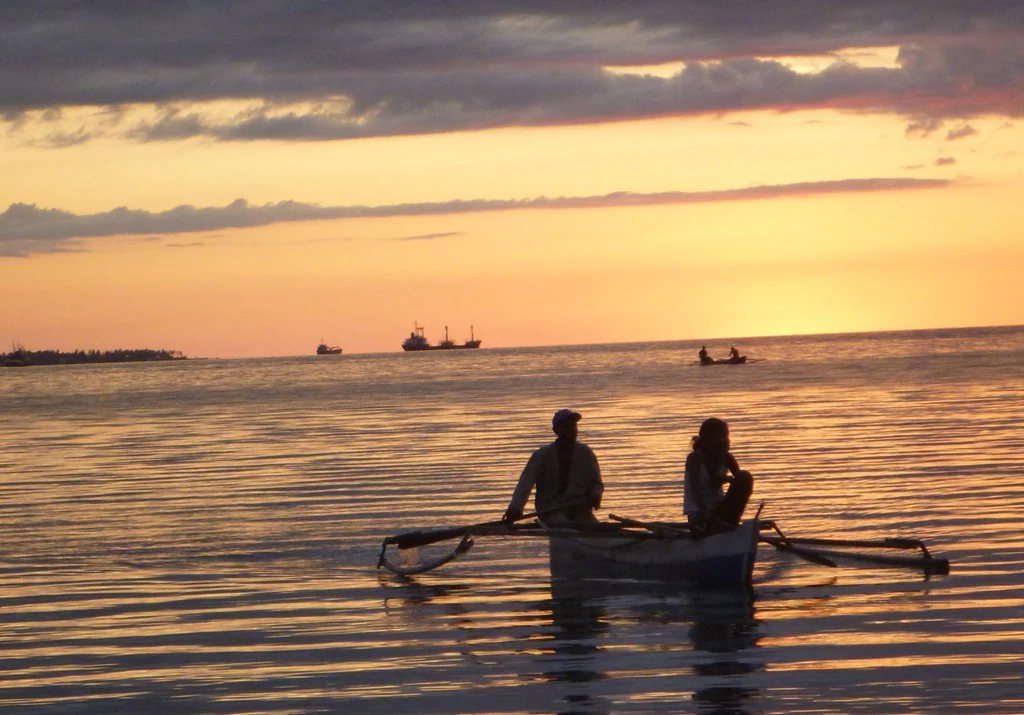
Travel in this region is mainly by water, and the Corn Islands—Big Corn and Little Corn—are known for diving. That affects planning: confirm connections and schedules locally before committing to dates or linking destinations. The Caribbean coast may appeal to travellers who prioritise culture and islands, but getting around requires more checks than a city visit.
Turning the map into a decision
Start by choosing the main reason for your trip: urban architecture and history, volcanoes and lakes, mountains, or the Caribbean. Then decide how many regions can realistically fit and verify the links between them; the country’s variety does not mean every leg is straightforward. Managua is the capital and a useful point of orientation, but it does not represent the differences between the west, north and Caribbean on its own.
Practical details that can change—connections, schedules, access conditions and current recommendations—should be checked with the relevant local sources before departure. For a broader regional comparison, also see Nicaragua’s maritime routes and landscapes.
Sources and references
Hide references
14 references
References consulted during editorial review. Times, requirements and advisories may change: always confirm with the official source.
-
Caribbean NicaraguaLicence: CC BY-SA 4.0 Wikivoyage contributors · Caribbean Nicaragua
-
NicaraguaLicence: CC BY-SA 4.0 Wikivoyage contributors · Nicaragua
-
Southern Pacific Coast (Nicaragua)Licence: CC BY-SA 4.0 Wikivoyage contributors · Southern Pacific Coast (Nicaragua)
-
Nicaragua - WikiviajesLicence: CC BY-SA 4.0 Wikivoyage contributors · Nicaragua - Wikiviajes
-
Granada (Nicaragua) - WikiviajesLicence: CC BY-SA 4.0 Wikivoyage contributors · Granada (Nicaragua) - Wikiviajes
-
León (Nicaragua) - WikiviajesLicence: CC BY-SA 4.0 Wikivoyage contributors · León (Nicaragua) - Wikiviajes
-
León (Nicaragua)Licence: CC BY-SA 4.0 Fuente: Wikivoyage
-
ManaguaLicence: Datos geográficos bajo CC BY 4.0; requiere atribución a GeoNames. Fuente: GeoNames
-
NicaraguaLicence: CC BY-SA 3.0 DBpedia
-
United States occupation of NicaraguaLicence: CC BY-SA 3.0 DBpedia
-
Granada, NicaraguaLicence: CC BY-SA 3.0 DBpedia