Dili and Atauro: history and diving in Timor-Leste
Dili offers historical and urban landmarks; Atauro draws visitors to its reefs. Plan for cultural visits separately from changing sea conditions, and check the latest logistics before you go.
Dili: a capital that puts recent history in context
Dili is a practical starting point for understanding the country and its recent past. The Resistance Museum explores the Timorese people’s struggle for independence. The Dare memorial, meanwhile, commemorates an Australian unit that fought in Timor during the Second World War and includes an exhibition about the unit and the Timorese experience of the war. The sites have different perspectives: one focuses on the memory of independence, the other on an earlier conflict.
The Church of Saint Anthony of Motael adds an architectural and historical landmark: the current building dates from 1955, and the church is described as the oldest in the country. Published opening hours and admission fees can change, so check with a local source before planning your visit.
Atauro and the reefs: plan around sea conditions
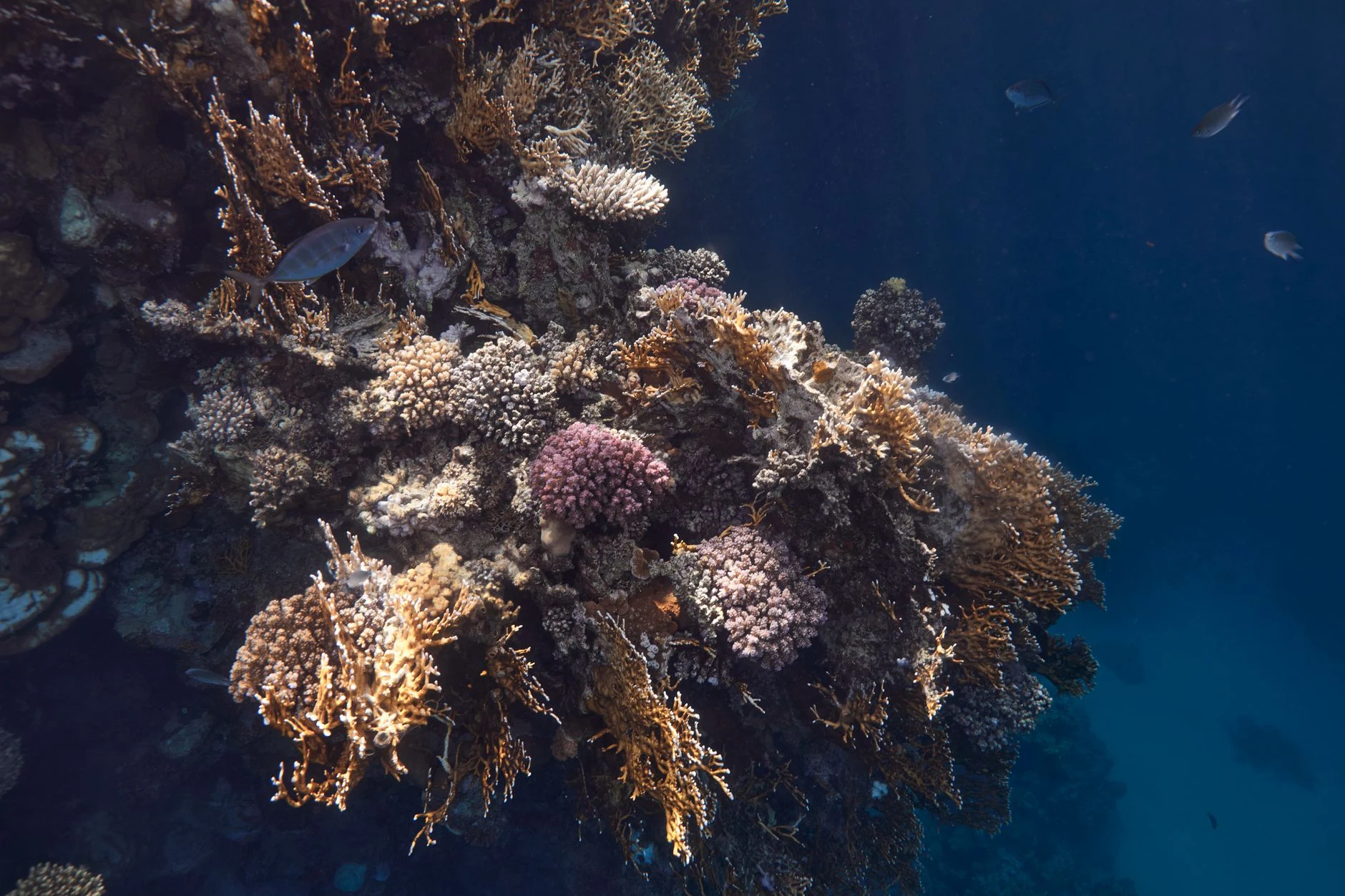
Atauro is known for its dive sites. Timor-Leste lies within the Coral Triangle, and its deep waters support diverse marine life, but the same environment can also produce strong currents. Conditions vary from one dive site to another and can shift from calm to dangerous; visibility is not constant either.
Access also differs by location: some sites can be reached by land, while others may involve walking over coral, swimming on the surface or taking a boat. Do not assume every dive is interchangeable or that the shoreline will be easy to reach. Check tide forecasts and site conditions with local operators, and follow current diving procedures.
Before finalising your itinerary
Portuguese and Tetum are among the languages recorded for Timor-Leste, and the currency listed is the US dollar. For an initial overview of the capital, see this guide to Dili, its languages and its currency. If your plans include Atauro, the guide to the island and its reefs offers a more specific focus.
Check museum hours, connections, local transport and diving conditions before travelling. These details can change, and general information about the country is no substitute for confirming the specific service you plan to use. To reduce your impact on the reef, follow local guidance and avoid walking on coral where reaching a site by land requires it.
Sources and references
Hide references
12 references
References consulted during editorial review. Times, requirements and advisories may change: always confirm with the official source.
-
Diving in Timor-LesteLicence: CC BY-SA 4.0 Wikivoyage contributors · Diving in Timor-Leste
-
TimorLicence: CC BY-SA 4.0 Wikivoyage contributors · Timor
-
Timor Oriental - WikiviajesLicence: CC BY-SA 4.0 Wikivoyage contributors · Timor Oriental - Wikiviajes
-
Dili - WikiviajesLicence: CC BY-SA 4.0 Wikivoyage contributors · Dili - Wikiviajes
-
Baucau - WikiviajesLicence: CC BY-SA 4.0 Wikivoyage contributors · Baucau - Wikiviajes
-
AsiaLicence: CC BY-SA 4.0 Fuente: Wikivoyage
-
Timor OrientalLicence: CC0 1.0 Wikidata · Q574
-
Timor-LesteLicence: ODbL 1.0 World countries dataset by mledoze and contributors · ODbL 1.0
-
DiliLicence: Datos geográficos bajo CC BY 4.0; requiere atribución a GeoNames. Fuente: GeoNames
-
Dili MunicipalityLicence: Datos geográficos bajo CC BY 4.0; requiere atribución a GeoNames. Fuente: GeoNames
-
Timor-OrientalLicence: CC BY-SA 3.0 DBpedia
-
Timor OrientalLicence: CC BY-SA 3.0 DBpedia