Egypt by Regions: From the Nile Valley to the Red Sea
Egypt encompasses the Nile Delta and Valley, deserts, Mediterranean coast, Red Sea, and Sinai. Understanding these broad areas helps you choose priorities without confusing distances or treating the country as a single itinerary.
The Nile structures the map, not an automatic route
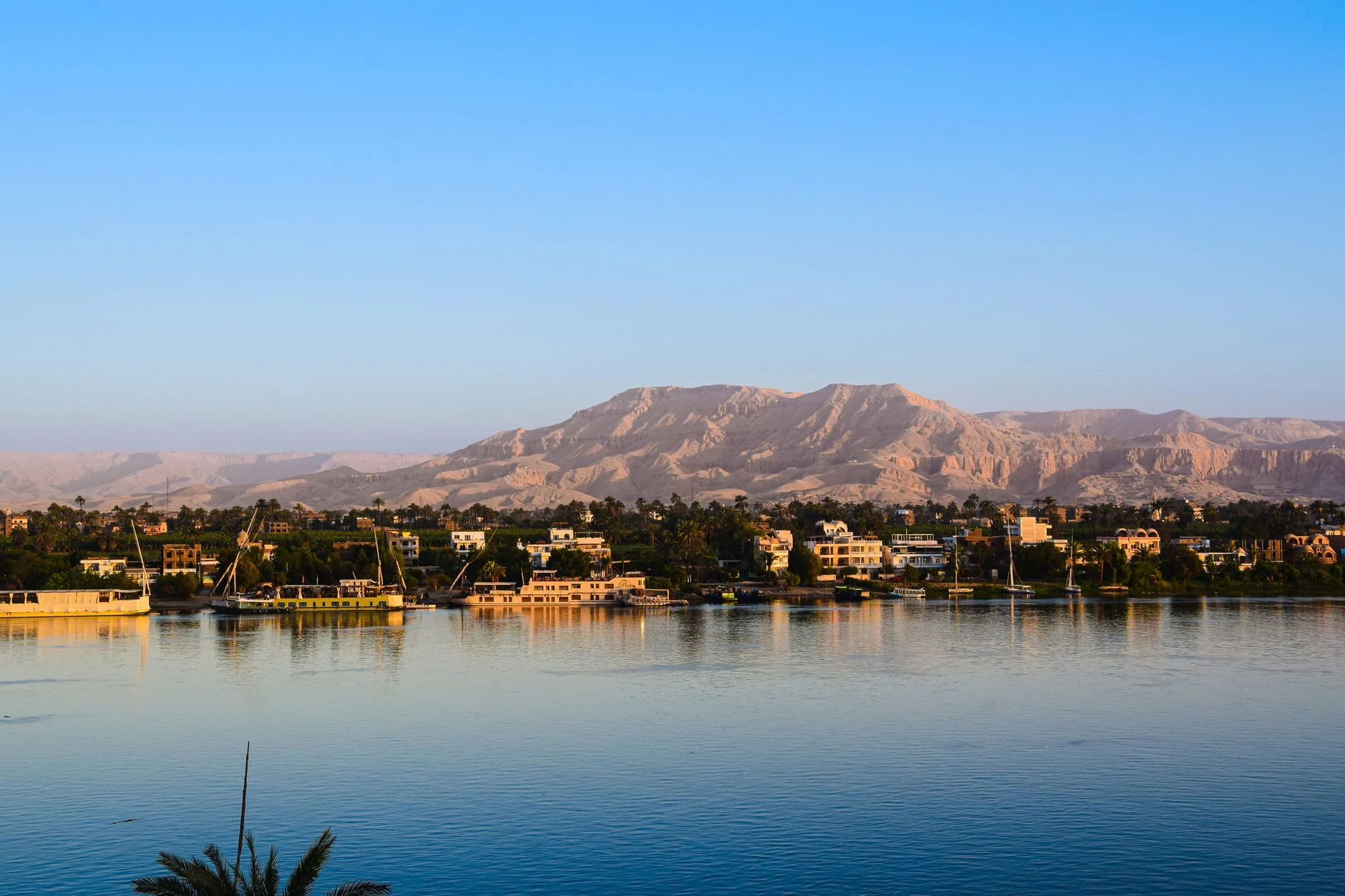
The fertile Nile Valley and its Delta contrast with the extensive desert areas of the east and west. For the traveler, this distribution serves as a first compass: the north concentrates the Delta and cities like Cairo and Alexandria; heading south, Upper Egypt gathers temple towns along the river. These are useful geographical groupings for thinking about priorities, not a promise that all these places can be easily linked in a single trip.
The country also extends into Sinai, a peninsula located in Asia, while most of Egypt is in North Africa. This particularity helps read the map, but it does not by itself determine practical borders, connections, or current visiting conditions.
Choose landscape over accumulating names
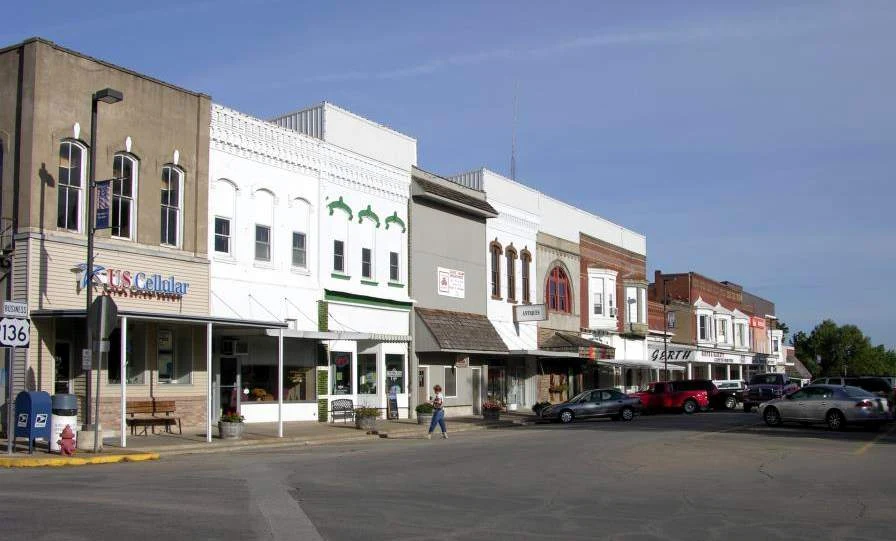
The Red Sea coast appeals to those who prioritize beaches, diving, and marine life; the consulted guide also describes coastal towns and resort complexes. Sinai combines mountains and historical references with underwater activities. In the Western Desert, oases appear, while the Delta and the Nile corridor gather cities, ancient remains, and urban life.
There is no need to turn every region into a stop. Choosing one or two axes of interest—for example, cities and heritage, or coast and marine activities—allows for an initial selection; transfer times and logistics must be confirmed separately before finalizing the itinerary.
Cairo, an initial reference and part of a broader region
Cairo is the capital and a reference point for orienting yourself in the north of the country. From there, the Lower Egypt region comprises the Nile Delta and areas of the Mediterranean coast; this designation is a practical geographical grouping, not an administrative division. The consulted material mentions rail connections from Cairo to Delta cities and Alexandria, but their current services, schedules, and availability require verification before traveling.
South of the capital, Memphis offers a different perspective: it was an ancient Egyptian capital, and today the site includes an open-air sculpture museum in Mit Rahina. The consulted information indicates that little remains visible on the surface. Therefore, it is best to approach it as a visit centered on the museum and historical context, and to check access and current logistics in advance; do not assume that the name of an ancient city equates to a preserved urban ensemble.
Ancient heritage within a longer history
Egyptian history is not limited to pharaonic monuments. Memphis helps understand the ancient unification of Upper and Lower Egypt and subsequent changes in political and religious centers. On a national scale, sources describe successive stages of governance and cultural changes, including the expansion of Arabic and Islam from the 7th century.
Currently, Arabic is the language recorded for Egypt in country data, and the Egyptian pound is its currency. These are references to start preparing, not a sufficient guide for payments, everyday communication, or expenses: those issues depend on the specific trip and must be contrasted with updated sources.
What to check before turning the map into a plan
Geography provides criteria for prioritizing, but it does not confirm that a road, train, site, or excursion is available on your chosen dates. Before booking, verify schedules and connections, entry conditions and access to each location, and current travel information for the areas included in your route. For remote destinations or visits combining multiple sites, also confirm with the relevant provider what transfers and services are offered at that time.
This separation between stable context and variable logistics is especially useful in an extensive country: a list of attractions is not enough to estimate how much a day covers or to conclude that two regions close on the map are easily traversed.
Sources and references
Hide references
14 references
References consulted during editorial review. Times, requirements and advisories may change: always confirm with the official source.
-
EgyptLicence: CC BY-SA 4.0 Wikivoyage contributors · Egypt
-
Lower EgyptLicence: CC BY-SA 4.0 Wikivoyage contributors · Lower Egypt
-
Memphis (Egypt)Licence: CC BY-SA 4.0 Wikivoyage contributors · Memphis (Egypt)
-
Ancient EgyptLicence: CC BY-SA 4.0 Wikivoyage contributors · Ancient Egypt
-
Egipto - WikiviajesLicence: CC BY-SA 4.0 Wikivoyage contributors · Egipto - Wikiviajes
-
Libia - WikiviajesLicence: CC BY-SA 4.0 Wikivoyage contributors · Libia - Wikiviajes
-
Sudán - WikiviajesLicence: CC BY-SA 4.0 Wikivoyage contributors · Sudán - Wikiviajes
-
AfricaLicence: CC BY-SA 4.0 Fuente: Wikivoyage
-
White Desert National ParkLicence: CC BY-SA 4.0 Fuente: Wikivoyage
-
Gilf Kebir National ParkLicence: CC BY-SA 4.0 Fuente: Wikivoyage