Exploring the Stone Ruins of Great Zimbabwe
Great Zimbabwe features extensive stone enclosures and remnants of an ancient city linked to the Munhumutapa empire. Plan your visit by understanding the site's context and confirming current access and transport details.
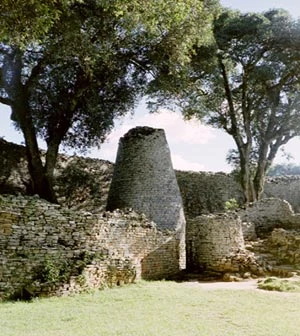
A historical city, not a single monument
The complex covers approximately 730 hectares and contains some of the largest stone ruins in sub-Saharan Africa. Rather than stopping at a single structure, it is worth dedicating attention to understanding the site as an ancient urban landscape. Archaeological evidence attributes its construction to Bantu populations; this reading is also significant given the history of colonial interpretations that denied the local origin of the constructions. Great Zimbabwe has been inscribed as a UNESCO World Heritage Site since 1986.
How to fit Masvingo into your visit
The site is located about 27 kilometers southeast of Masvingo. A consulted travel guide describes transport options from the city, but its instructions and prices are variable and should not be taken as current: confirm available transport, the arrival point, and the final leg to the entrance with an up-to-date source. The distance between Masvingo and the access point also makes it useful to clarify in advance how to return, rather than assuming immediate transport will be available upon finishing.
What to verify before leaving
Confirm entry conditions, fees, hours, and transport availability with the administration or a current local source. The information retrieved on these details is not sufficient to establish how things work today. If you are interested in extending your visit to other archaeological sites in the region, check their access separately: the existence of other remains does not mean they are easy to reach or share the same logistics.
A visit with context
The modern name Zimbabwe derives from the monument, and the place's importance goes beyond its architecture: it is linked to pre-colonial political history and the reclamation of local roots after independence. To prepare, you can read the guide for the tour of the Hill, the Great Enclosure, and the Valley of Great Zimbabwe, which organizes the visit by areas of the complex. On site, follow current instructions and treat the structures as heritage, not as surfaces to climb or alter.
Sources and references
Hide references
14 references
References consulted during editorial review. Times, requirements and advisories may change: always confirm with the official source.
-
Great ZimbabweLicence: CC BY-SA 4.0 Wikivoyage contributors · Great Zimbabwe
-
Southeastern ZimbabweLicence: CC BY-SA 4.0 Wikivoyage contributors · Southeastern Zimbabwe
-
Victoria FallsLicence: CC BY-SA 4.0 Wikivoyage contributors · Victoria Falls
-
ZimbabweLicence: CC BY-SA 4.0 Wikivoyage contributors · Zimbabwe
-
Botsuana - WikiviajesLicence: CC BY-SA 4.0 Wikivoyage contributors · Botsuana - Wikiviajes
-
Zambia - WikiviajesLicence: CC BY-SA 4.0 Wikivoyage contributors · Zambia - Wikiviajes
-
Zimbabue - WikiviajesLicence: CC BY-SA 4.0 Wikivoyage contributors · Zimbabue - Wikiviajes
-
Harare - WikiviajesLicence: CC BY-SA 4.0 Wikivoyage contributors · Harare - Wikiviajes
-
HarareLicence: Datos geográficos bajo CC BY 4.0; requiere atribución a GeoNames. Fuente: GeoNames
-
HarareLicence: Datos geográficos bajo CC BY 4.0; requiere atribución a GeoNames. Fuente: GeoNames
-
ZimbabweLicence: CC BY-SA 3.0 DBpedia
-
Zimbabwe national football teamLicence: CC BY-SA 3.0 DBpedia
