Monaco on Foot: Organizing a Visit Between City and Sea
Monaco concentrates an urban city-state on the Mediterranean coast. Understanding its districts and terrain helps plan a walking visit, without confusing short distances with flat ground.
Conditions described in the guide: confirm current requirements and access with the official source before travelling.

A city-state with distinct sectors
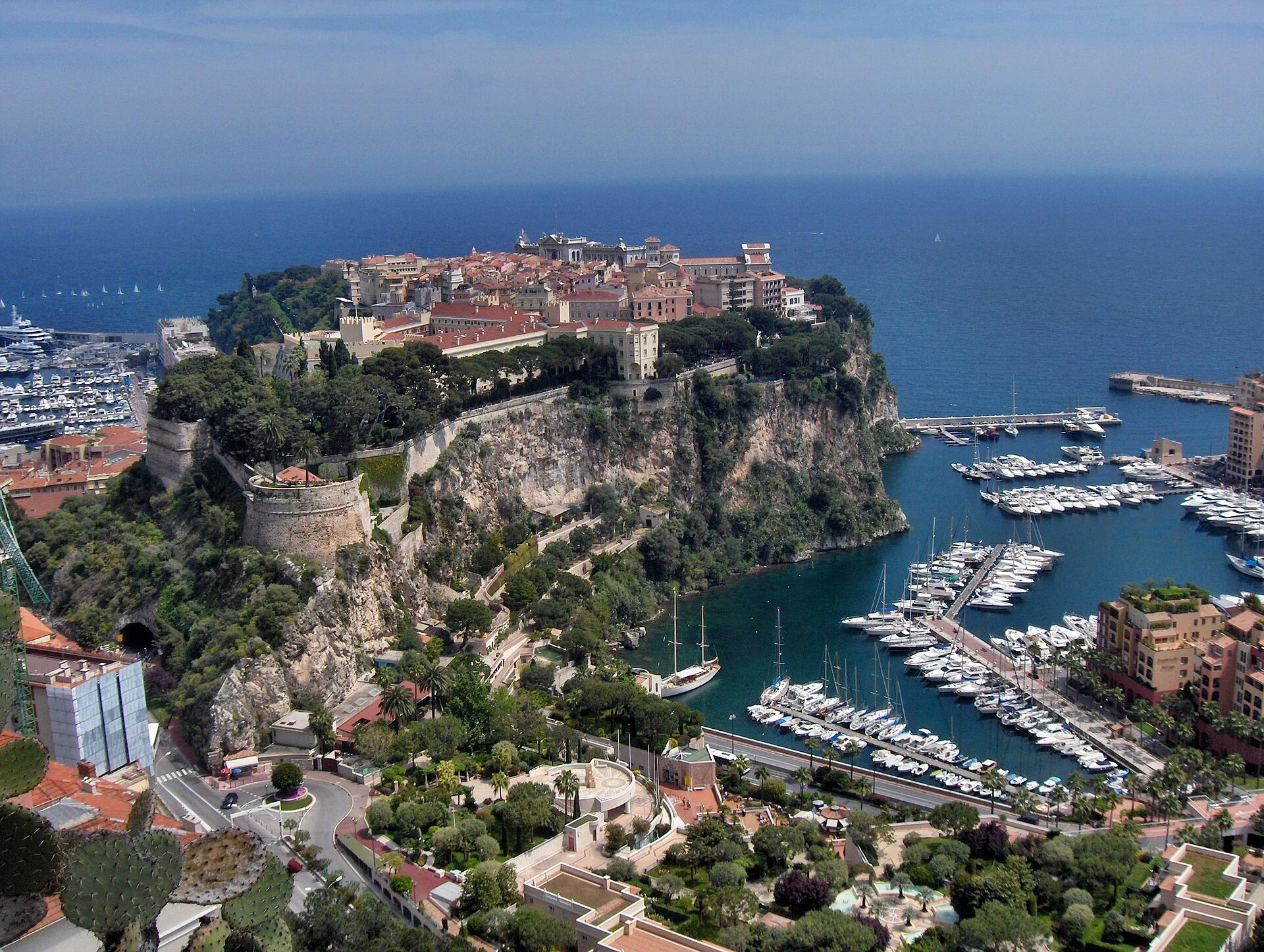
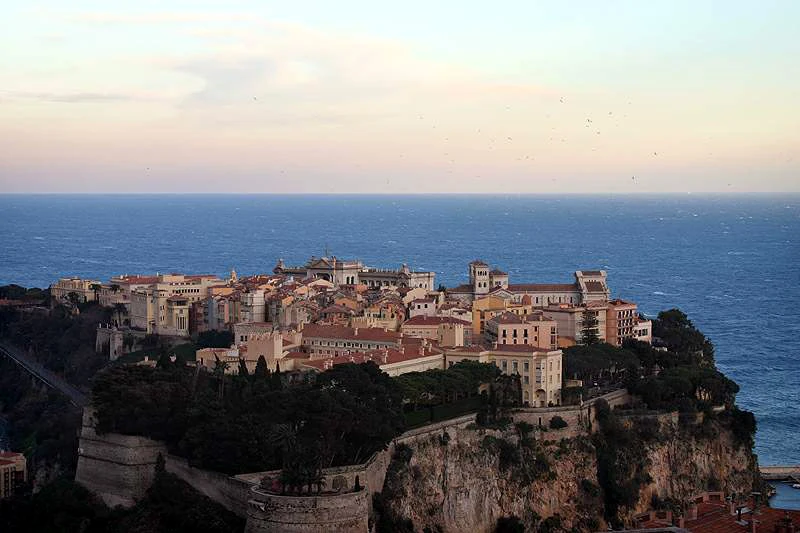
The capital and the country share the same name: Monaco. The principality is entirely urban and divided into sectors with different profiles. Among the most well-known are Monaco-Ville, the old town; La Condamine, linked to the port; Monte-Carlo, associated with business and leisure; and Fontvieille, a more recent sector that includes a second port. For planning purposes, these names serve as zone references, not as a route that must be completed in one go.
Walking works, but count the climbs
A city of reduced dimensions is best known on foot, although some uphill stretches can be demanding. A useful data point for deciding your pace is that the principality has public escalators and elevators that help overcome elevation differences. This does not guarantee the accessibility of the entire route: if mobility is a significant consideration, check which connections and conditions are operational for your dates. For a specific route through the old town and gardens, see Monaco-Ville on foot: the Rock, Saint-Martin and the harbour.
The train as a regional reference
Monaco is connected by train to towns on the Riviera, including Nice, Cannes, Menton, and Ventimiglia in Italy, according to available travel information. Frequency, schedules, fares, and potential changes are variable data: review them with the operator before departing. For a day centered on the principality, the train can avoid the need to resolve where to park a car; current transport conditions and alternatives from your starting point must be checked separately.
Deciding how much to cover
The visit can focus on a single zone or combine several sectors, but the terrain and available time influence how much is comfortable to link. An alternative is to organize the day by elevation levels and use local transport when appropriate; there is a practical proposal in Monaco on foot with public lifts and urban gardens. Before following it, verify its transport references and any access details that may have changed. For a first orientation on the country, capital, French, and the euro, you can also consult French, the euro and practical checks for a visit to Monaco.
Sources and references
Hide references
13 references
References consulted during editorial review. Times, requirements and advisories may change: always confirm with the official source.
-
Alpes-MaritimesLicence: CC BY-SA 4.0 Wikivoyage contributors · Alpes-Maritimes
-
French RivieraLicence: CC BY-SA 4.0 Wikivoyage contributors · French Riviera
-
MentonLicence: CC BY-SA 4.0 Wikivoyage contributors · Menton
-
Unión Europea - WikiviajesLicence: CC BY-SA 4.0 Wikivoyage contributors · Unión Europea - Wikiviajes
-
Mónaco - WikiviajesLicence: CC BY-SA 4.0 Wikivoyage contributors · Mónaco - Wikiviajes
-
Europa Occidental - WikiviajesLicence: CC BY-SA 4.0 Wikivoyage contributors · Europa Occidental - Wikiviajes
-
MonacoLicence: CC BY-SA 4.0 Fuente: Wikivoyage
-
Southwestern EuropeLicence: CC BY-SA 4.0 Fuente: Wikivoyage
-
Old towns in FranceLicence: CC BY-SA 4.0 Fuente: Wikivoyage