Morocco by Region: Coast, Atlas and the Saharan South
From the Mediterranean Rif to the Atlas and towns in the Saharan south, Morocco offers journeys on very different scales. Compare landscapes and cities first, then check connections and access conditions.
A documented soundscape that complements this guide to Morocco. From the Mediterranean Rif to the Atlas and towns in the Saharan south, Morocco offers journeys on very different scales. Compare landscapes and cities first, then check connections and access conditions.
Audio by xserra · Openverse · CC BY 4.0 · Duration: 00:47
Mediterranean north: ports, coast and the Rif
Tangier is a reference point for travellers arriving by ferry from Spain. Al Hoceima and Oued Laou are coastal towns, while Tetouan is geographically linked to the Rif. Chefchaouen is also associated with this region, though it lies inland and has the character of a mountain town. The choice therefore depends on whether you are looking for a port, coastline or mountain interior. Check current connections before linking these stops: the available information does not establish timetables or a route between them.
Atlantic coast: cities with different attractions
The Atlantic coast includes Rabat and Casablanca in the north, and Agadir farther south. Agadir is presented mainly for its beaches and modern character; Casablanca combines a contemporary city by the sea with a historic medina. These are distinct reference points, not a single description of the coastline. If a particular beach is a priority, check its access conditions separately: there is not enough information here to compare beaches.
Atlas and historic cities: separate landscapes from travel logistics
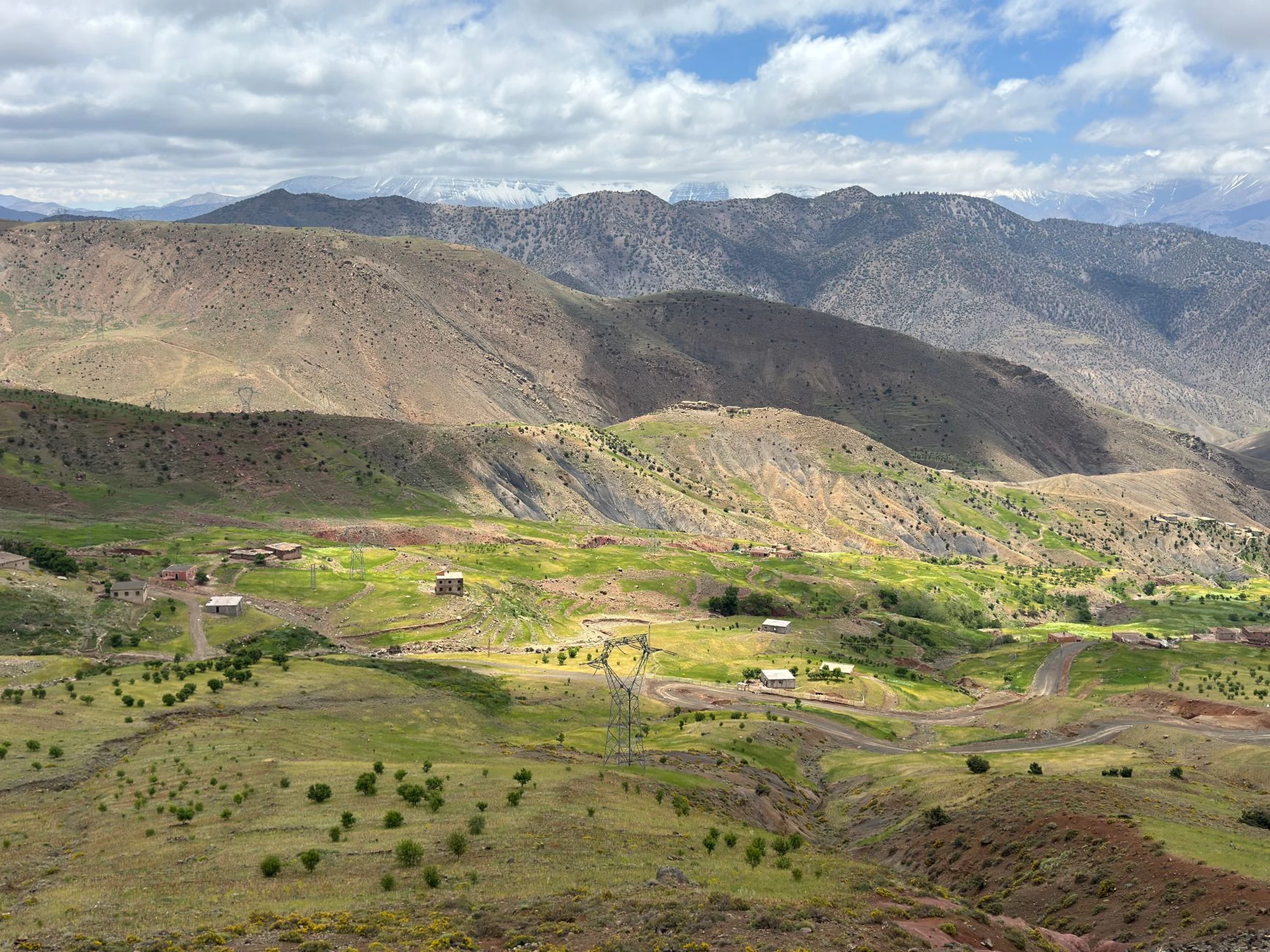
The High Atlas is a destination for mountain hiking and an area of interest for travellers wanting to learn about Amazigh cultures. Fez and Meknes are in the Middle Atlas region; Marrakech, meanwhile, is an urban reference point for its medina and souks. Together, these places suggest a combination of mountains and urban heritage, but they do not by themselves make a confirmed itinerary. Before linking them, check distances, transport and local conditions; the available information does not provide journey times.
Saharan south: towns, oases and dunes
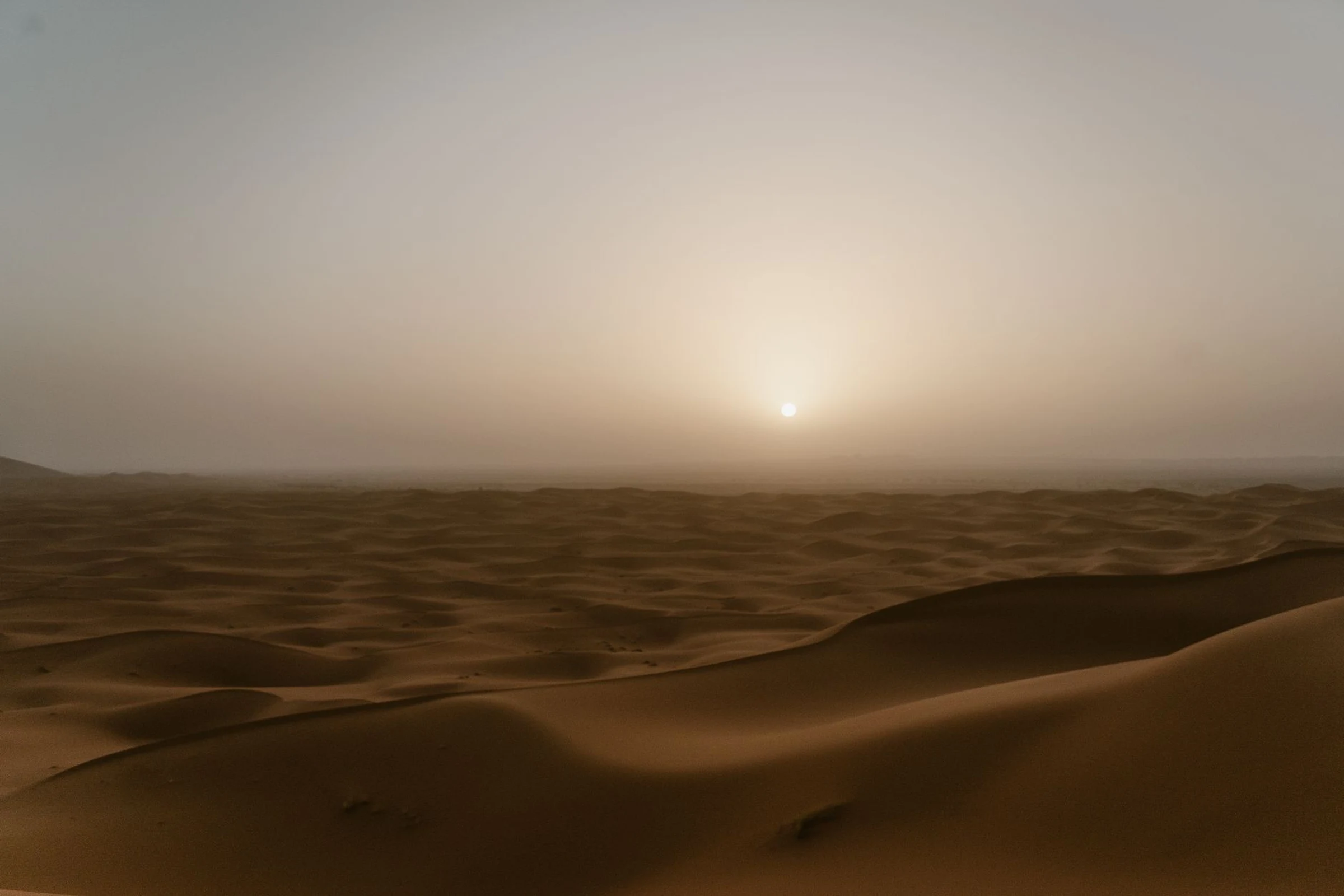
Ouarzazate, Zagora and Merzouga help locate different points of interest in the south. The region includes towns and arid landscapes; Oasis Fint is listed as an oasis near Ouarzazate. Merzouga and M’Hamid are described as settlements from which desert outings are organised, by camel or four-wheel-drive vehicle. No operators or current conditions are specified, so confirm the logistics directly before booking. When planning, keep the geographical distinction between Morocco and Western Sahara in mind; the latter’s status is disputed.
Choosing transport without assuming a connection exists
Public transport options are available between cities, and renting a car can be an alternative for an independent trip; neither reference confirms current services or frequencies for a specific journey. Driving information notes that some rental companies restrict use on unpaved roads. If a car is part of your plan, confirm permitted roads, rental terms and insurance with the company. The practical approach is to choose your stops first and then check how they connect, rather than assume a regional route is already established.
Sources and references
Hide references
14 references
References consulted during editorial review. Times, requirements and advisories may change: always confirm with the official source.
-
Mediterranean MoroccoLicence: CC BY-SA 4.0 Wikivoyage contributors · Mediterranean Morocco
-
MoroccoLicence: CC BY-SA 4.0 Wikivoyage contributors · Morocco
-
Saharan MoroccoLicence: CC BY-SA 4.0 Wikivoyage contributors · Saharan Morocco
-
Driving in MoroccoLicence: CC BY-SA 4.0 Wikivoyage contributors · Driving in Morocco
-
Marruecos - WikiviajesLicence: CC BY-SA 4.0 Wikivoyage contributors · Marruecos - Wikiviajes
-
Argelia - WikiviajesLicence: CC BY-SA 4.0 Wikivoyage contributors · Argelia - Wikiviajes
-
Sahara Occidental - WikiviajesLicence: CC BY-SA 4.0 Wikivoyage contributors · Sahara Occidental - Wikiviajes
-
M'HamidLicence: CC BY-SA 4.0 Fuente: Wikivoyage
-
Toubkal National ParkLicence: CC BY-SA 4.0 Fuente: Wikivoyage
-
TabantLicence: CC BY-SA 4.0 Fuente: Wikivoyage