Paraguay: From the Chaco to the River Cities
The Paraguay River helps make sense of this landlocked country of contrasting landscapes: the semi-arid Chaco in the west, and cities, history and waterways that shape other itineraries.
The Paraguay River as a lifeline, not a guaranteed shortcut
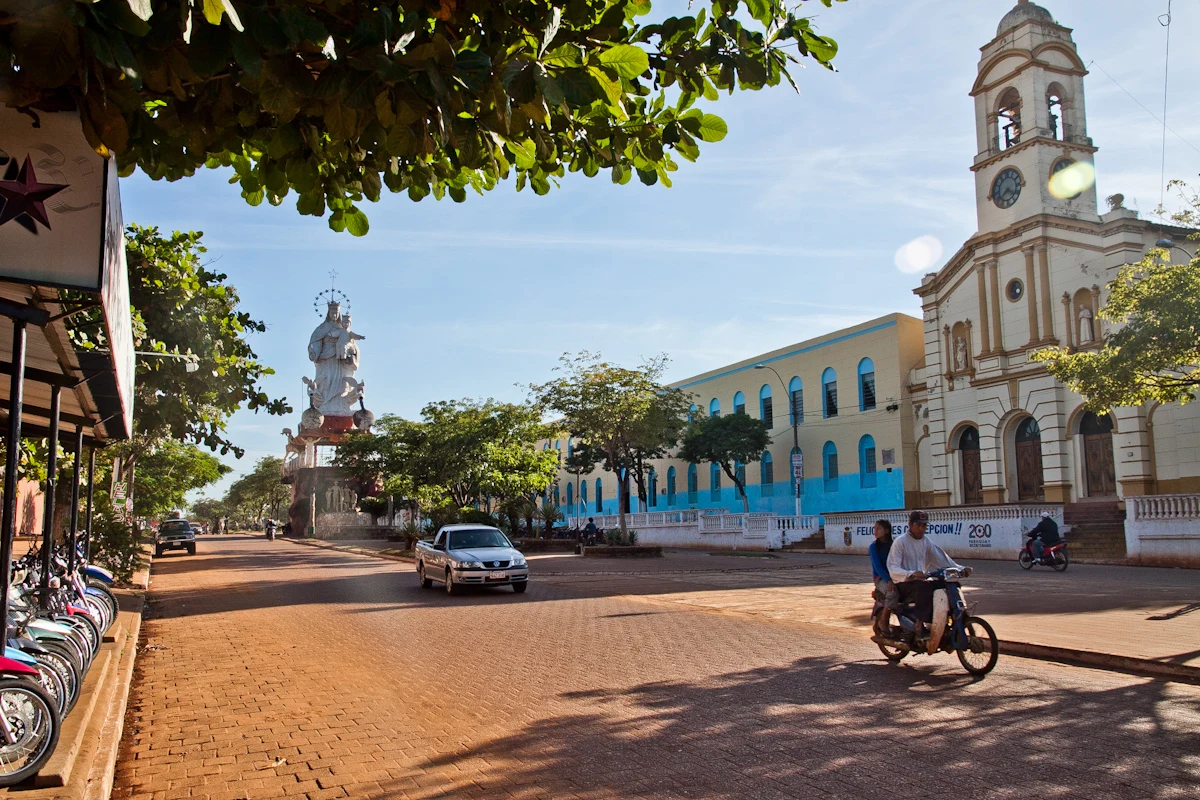
The Paraguay River runs through Paraguay and connects with Brazil, Bolivia and Argentina before joining the Paraná. For a long time, it was a crucial route for transport and communication. It remains important for freight and riverside communities, although it is no longer the area’s main transport artery. In the north, Concepción offers a useful point of reference: the city’s port serves Chaco settlements and areas where roads can become impassable.
A boat journey takes more planning than getting around a city. Available travel information describes the Aquidabán service between Concepción and Bahía Negra, with stops at riverside communities, but schedules and operating conditions may change. Check directly whether the service is running, where it departs from and what ground transport you will need before and after the trip. The river’s low-water period, reported as running from March to October in the reference consulted, may restrict passage to shallow-draft boats; check current conditions before setting dates.
The Chaco: distances, colonies and two environments
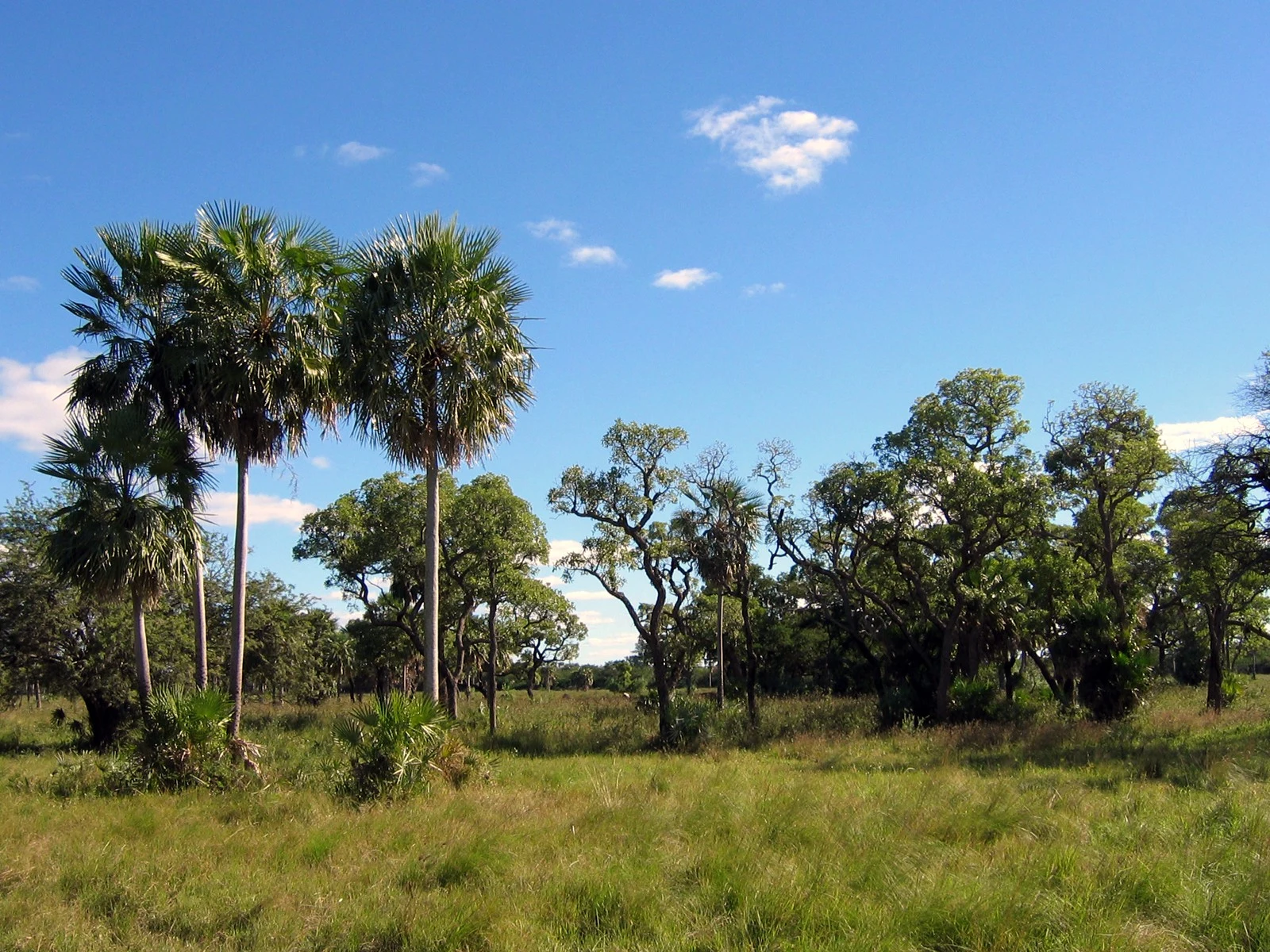
The Gran Chaco covers the western half of Paraguay and is part of a wider South American region that also extends into Argentina, Bolivia and Brazil. In Paraguay, the landscape shifts from the humid southern Chaco to the dry Chaco in the north. Between them lies a sparsely populated, semi-arid central belt with a more arid appearance. The Transchaco Route crosses the region, but its existence does not guarantee easy onward travel: check road conditions, transport options and distances for each stop.
Filadelfia, Loma Plata and Neuland are prominent Mennonite colonies in travel references. The Chaco’s Mennonite community has its own migration history, while the wider region is also home to Indigenous communities and a cattle-ranching culture. Do not reduce the visit to a single image of the territory: find out which communities or places can be visited, and under what conditions. Local cultures should not be treated as attractions that are automatically open to visitors. The reference consulted also mentions Tinfunqué and Defensores del Chaco national parks; confirm access information before adding them to your itinerary.
Concepción and Asunción: two different perspectives
Asunción is a useful urban starting point for getting your bearings. The national guide consulted highlights colonial-era buildings, museums, botanical gardens and religious sites in the capital. Concepción, by contrast, helps tell the story of northern trade and river transport: its residences and public buildings from the early 20th century are linked to the port’s heyday and export trade.
The city also has museums covering different periods. Museo Villa Real explores Concepción’s role during the War of the Triple Alliance; Museo Cívico holds paintings connected with the city’s commercial past, while Museo de Arte Contemporáneo presents Paraguayan art. For a specific visit, confirm opening hours and availability with local institutions, as these details can change.
A practical decision before finalising your route
Combining the capital, the Chaco and a river journey means dealing with different distances and conditions. Do not assume that a connection runs every day or that a boat can replace road transport. If landscapes are your priority, first decide which part of the Chaco you want to explore and check access to each destination. If urban history interests you, Concepción offers a counterpoint to a visit to Asunción.
The languages recorded for Paraguay are Guaraní and Spanish. Guaraní is also part of the regional history of the Chaco and its Indigenous peoples. When visiting local communities, seek specific guidance on visitor protocols and cultural representation. To explore the missionary heritage of another part of the country, see Trinidad and Jesús de Tavarangue, two views of Paraguay’s missions.
Sources and references
Hide references
14 references
References consulted during editorial review. Times, requirements and advisories may change: always confirm with the official source.
-
Gran Chaco (Paraguay)Licence: CC BY-SA 4.0 Wikivoyage contributors · Gran Chaco (Paraguay)
-
Concepción (Paraguay)Licence: CC BY-SA 4.0 Wikivoyage contributors · Concepción (Paraguay)
-
ParaguayLicence: CC BY-SA 4.0 Wikivoyage contributors · Paraguay
-
Along the Paraguay RiverLicence: CC BY-SA 4.0 Wikivoyage contributors · Along the Paraguay River
-
Bolivia - WikiviajesLicence: CC BY-SA 4.0 Wikivoyage contributors · Bolivia - Wikiviajes
-
Paraguay - WikiviajesLicence: CC BY-SA 4.0 Wikivoyage contributors · Paraguay - Wikiviajes
-
Yaguarón (Paraguay) - WikiviajesLicence: CC BY-SA 4.0 Wikivoyage contributors · Yaguarón (Paraguay) - Wikiviajes
-
Villarrica (Paraguay) - WikiviajesLicence: CC BY-SA 4.0 Wikivoyage contributors · Villarrica (Paraguay) - Wikiviajes
-
Amish and MennonitesLicence: CC BY-SA 4.0 Fuente: Wikivoyage
-
AsunciónLicence: Datos geográficos bajo CC BY 4.0; requiere atribución a GeoNames. Fuente: GeoNames
-
ParaguayLicence: CC BY-SA 3.0 DBpedia