Slovenia by region, from the Adriatic coast to the Alps and the east
The short coastline, Karst caves, Julian Alps and eastern rivers make for very different trips. Ljubljana is a useful urban reference, but it does not sum up the country.
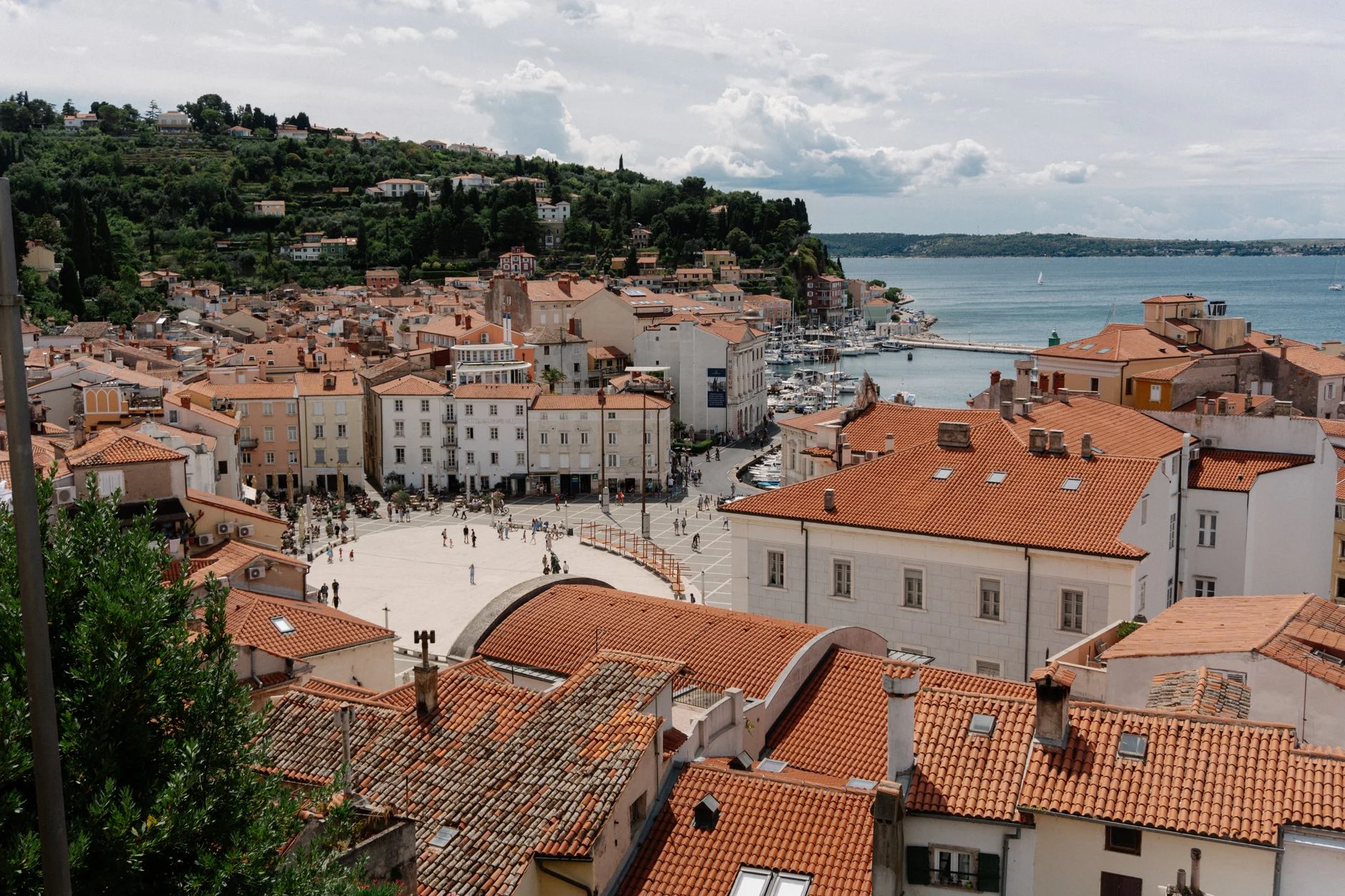
Coast and Karst: a short shoreline, caves and Venetian towns
The southwest combines hills, caves and a short stretch of coast. Koper and Piran stand out among the coastal towns for their Venetian character; Postojna and the Škocjan Caves are key destinations for anyone interested in the underground landscape. These are not interchangeable experiences: decide whether the coast, towns or caves matter most to you, and check access and opening times separately before planning your day. For a comparison with the other parts of the country, see the guide to Slovenia’s regions. The coast and Karst make up one broad region, not a single visit.

Julian Alps: mountains, lakes and outdoor activities
The mountainous northwest encompasses the Julian Alps, lakes and Mount Triglav, described as a national symbol. It is a region for prioritising mountain activities, hiking or rafting, but those suggestions are no substitute for planning each outing: check current routes, conditions and services with local sources before setting off. If your trip also includes the coast or the east, consider whether travel between them leaves enough time to enjoy the landscapes you want to explore. Here, the terrain shapes your plans more than the proximity of places on a map.
Ljubljana and the centre: an urban reference, not the whole country
Ljubljana is Slovenia’s capital and its main urban reference point. In the centre of the country, the capital is joined by places with very different characters, such as Iški Vintgar gorge south of the city and the Ljubljana Marshes, a landscape that evolved from a prehistoric lake into wetlands and farmland. Ljubljana, Škofja Loka and Kamnik also have notable medieval centres. The capital can help orient you and may serve as a base, but it does not represent the country’s regional diversity. Make room in your itinerary for the destination that brought you to Slovenia, rather than treating Ljubljana as a substitute for mountains, coast or river scenery.
East and southeast: rivers, cities and hills
The east is shaped by the Drava and Mura rivers, with vineyards and a Hungarian influence noted in the regional description. Maribor, on the Drava, is the country’s second-largest city; Ptuj is among its oldest. Farther northeast, Prekmurje has rolling hills and the Mura valley. In the southeast, around the Krka and lower Sava rivers, are towns such as Novo Mesto, Brežice and Kočevje. These are options for travellers who prefer cities and inland landscapes to a trip focused on the Alps or Adriatic. Do not assume that smaller towns are well connected: check current transport and consider whether you will need a car to reach more remote places.
Turn the map into a workable route
The regions described here follow a geographical and tourism-based division; in the centre, the regional designation is also statistical, not a tier of government between the state and municipalities. Use the map to choose landscapes, not as a guarantee that every area has consistent transport links or services. Before settling on dates, check connections, timetables and access conditions directly with the operators and places you plan to visit. If you are travelling without a car, verify each leg independently, especially for out-of-the-way destinations. The guide to Škocjan and its visit can help you assess a specific Karst experience; its practical details also need to be checked for the latest information.
Sources and references
Hide references
13 references
References consulted during editorial review. Times, requirements and advisories may change: always confirm with the official source.
-
Central SloveniaLicence: CC BY-SA 4.0 Wikivoyage contributors · Central Slovenia
-
Eastern SloveniaLicence: CC BY-SA 4.0 Wikivoyage contributors · Eastern Slovenia
-
SloveniaLicence: CC BY-SA 4.0 Wikivoyage contributors · Slovenia
-
Southeastern SloveniaLicence: CC BY-SA 4.0 Wikivoyage contributors · Southeastern Slovenia
-
Croacia - WikiviajesLicence: CC BY-SA 4.0 Wikivoyage contributors · Croacia - Wikiviajes
-
Eslovenia - WikiviajesLicence: CC BY-SA 4.0 Wikivoyage contributors · Eslovenia - Wikiviajes
-
Liubliana - WikiviajesLicence: CC BY-SA 4.0 Wikivoyage contributors · Liubliana - Wikiviajes
-
LjubljanaLicence: CC BY-SA 4.0 Fuente: Wikivoyage
-
MariborLicence: CC BY-SA 4.0 Fuente: Wikivoyage
-
LjubljanaLicence: Datos geográficos bajo CC BY 4.0; requiere atribución a GeoNames. Fuente: GeoNames
-
LjubljanaLicence: Datos geográficos bajo CC BY 4.0; requiere atribución a GeoNames. Fuente: GeoNames
