Sri Lanka's highlands, east coast and Colombo as distinct travel options
Sri Lanka brings together beaches, mountains, forests and historic cities. Comparing its regions helps you choose what to visit and which connections to check.
A documented soundscape that complements this guide to Sri Lanka. Sri Lanka brings together beaches, mountains, forests and historic cities. Comparing its regions helps you choose what to visit and which connections to check.
Audio by Norm · Jamendo · CC BY-SA · Duration: 05:15
The highlands: mountains, tea and heritage
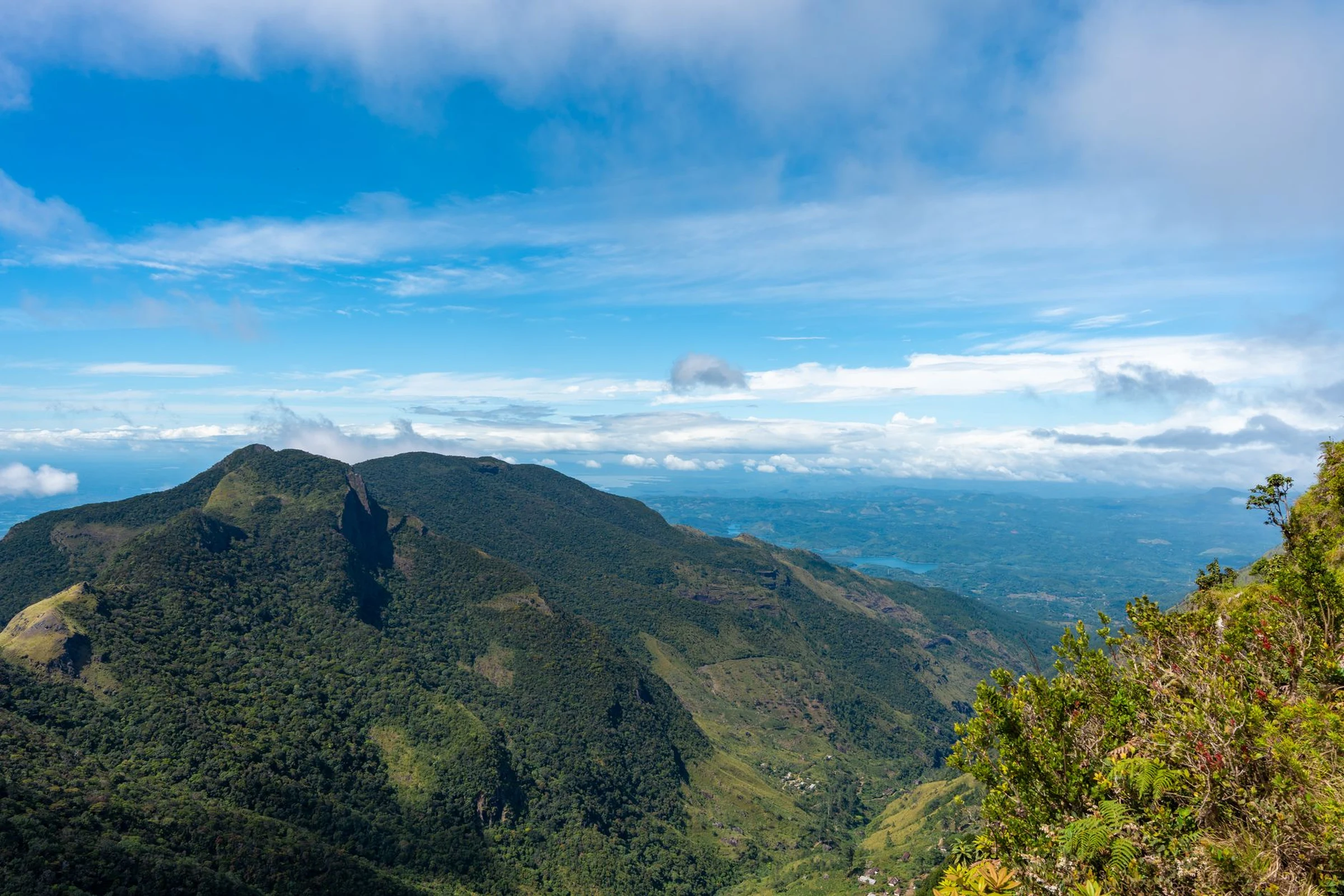
The Central Province is known for its mountainous terrain and tea cultivation. Kandy, Matale and Nuwara Eliya are key towns in the region; Sigiriya and Dambulla add two distinct historic sites: a rock fortress with palace remains and a cave temple, respectively. For scenery, the Knuckles mountain range is a hiking destination. The practical choice is whether to spend time at historic sites or set it aside for mountain terrain; don’t assume both will fit into one day without checking current distances and connections. Mountains and heritage describe a region here, not a single visit.
The east coast: beaches and local differences
The Eastern Province is described as drier than the south and centre. Trincomalee combines beaches with historic fortifications and temples, while Batticaloa offers another point of historical interest. Arugam Bay is associated with surfing; Passikudah and Nilaveli are known for beaches and shallow water or nearby reefs. These are not interchangeable options: choose according to whether you prefer board sports, a bay setting, or a combination of coast and heritage. The available information mentions buses and taxis for travel between towns, but gives no schedules or frequencies; check services for your dates before planning connections. The east coast calls for choosing specific places, not just a regional label.
Colombo as a reference point, not the only destination
Colombo is the country’s largest city and commercial centre; it is also presented as a starting point for rail connections in the Western Province. Its urban scale and colonial architecture set it apart from the mountainous and coastal regions. If you plan to continue elsewhere, consider Colombo as a possible stop and check separately which trains or buses serve your route: the available information does not confirm current schedules or whether each line is useful for a particular journey. The administrative capital is Sri Jayawardenepura Kotte, not Colombo—a distinction that helps separate political and commercial roles. Colombo helps orient your plans, but does not define the trip on its own.
Plan your trip around the landscape
Before combining regions, decide which experience matters most: inland hikes, historic heritage or beaches on the east coast. The available information describes geographical differences and destinations, but is not enough to establish reliable travel times, ideal seasons or current access conditions. Confirm those details with local operators and services before booking. National records list Sinhala and Tamil, and the currency is the Sri Lankan rupee (LKR); these are useful reference points for languages and money, not a complete guide to communication or budgeting. A realistic itinerary starts with one main region and adds another only after you have checked the journeys involved.
Sources and references
Hide references
14 references
References consulted during editorial review. Times, requirements and advisories may change: always confirm with the official source.
-
Central Province (Sri Lanka)Licence: CC BY-SA 4.0 Wikivoyage contributors · Central Province (Sri Lanka)
-
Eastern Province (Sri Lanka)Licence: CC BY-SA 4.0 Wikivoyage contributors · Eastern Province (Sri Lanka)
-
Sri LankaLicence: CC BY-SA 4.0 Wikivoyage contributors · Sri Lanka
-
Western Province (Sri Lanka)Licence: CC BY-SA 4.0 Wikivoyage contributors · Western Province (Sri Lanka)
-
Maldivas - WikiviajesLicence: CC BY-SA 4.0 Wikivoyage contributors · Maldivas - Wikiviajes
-
Sri Lanka - WikiviajesLicence: CC BY-SA 4.0 Wikivoyage contributors · Sri Lanka - Wikiviajes
-
Provincia Sur (Sri Lanka) - WikiviajesLicence: CC BY-SA 4.0 Wikivoyage contributors · Provincia Sur (Sri Lanka) - Wikiviajes
-
ColomboLicence: CC BY-SA 4.0 Fuente: Wikivoyage
-
KandyLicence: CC BY-SA 4.0 Fuente: Wikivoyage
-
MannarLicence: CC BY-SA 4.0 Fuente: Wikivoyage
-
ColomboLicence: Datos geográficos bajo CC BY 4.0; requiere atribución a GeoNames. Fuente: GeoNames