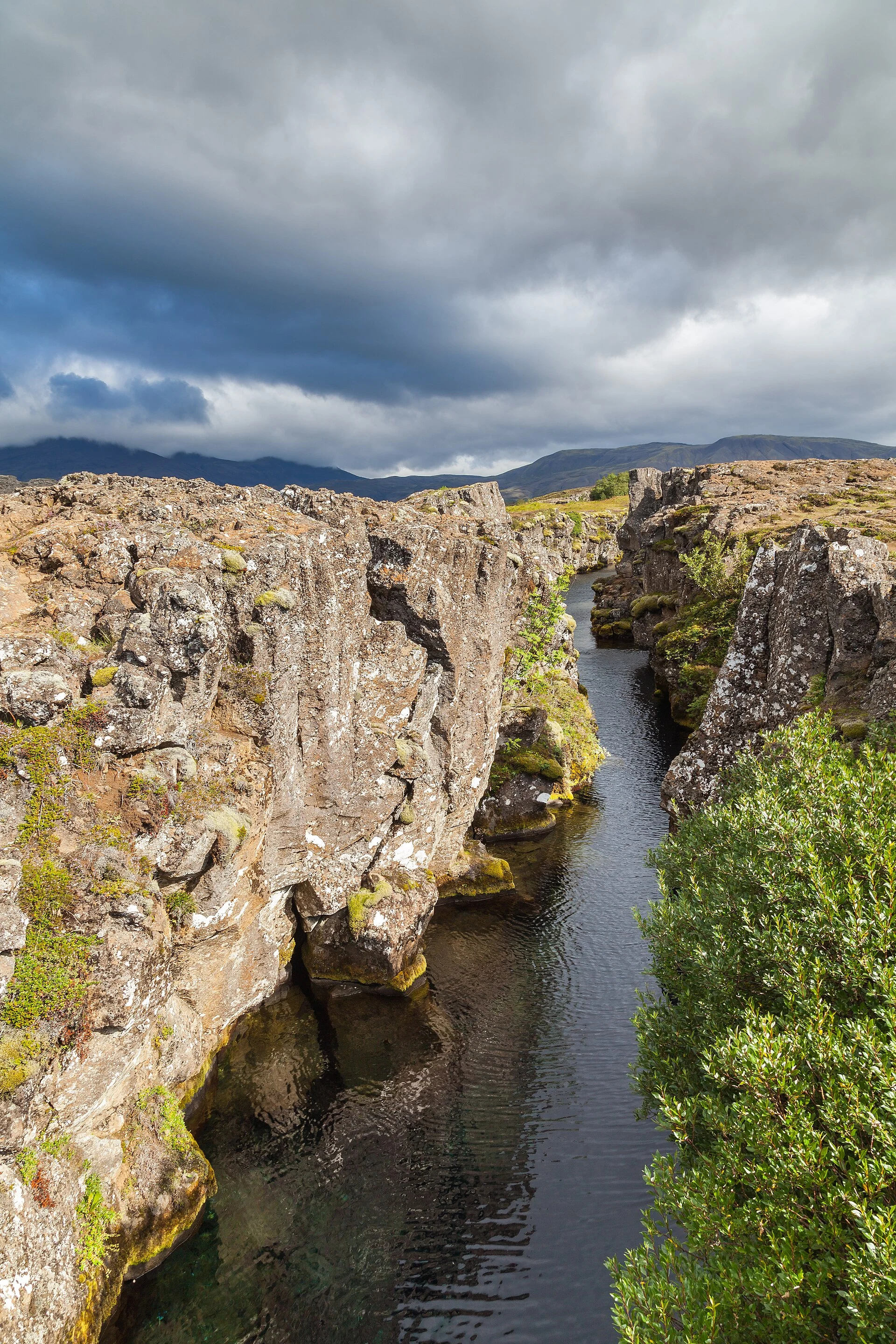
Flosagjá
Flosagjá is a fissure among the waterways and meadows of Þingvellir’s lowlands. The article places it on a continuation of the walk from the assembly area, provided the bridges and trails are open.
Explore the place →Places in context: profiles connected to our guides, maps, sources and verified photographs.
Flosagjá is a fissure among the waterways and meadows of Þingvellir’s lowlands. The article places it on a continuation of the walk from the assembly area, provided the bridges and trails are open.
Explore the place →
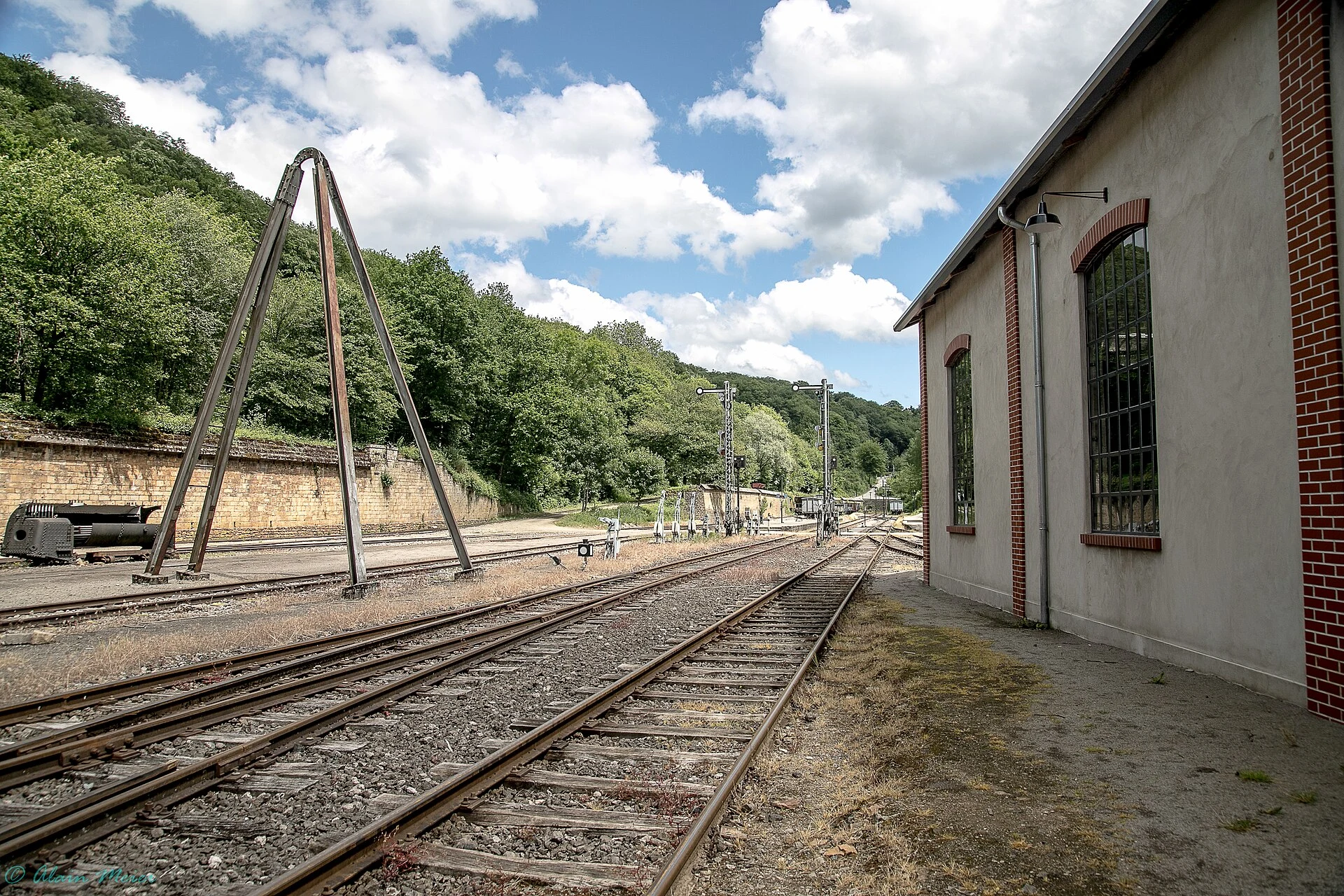
Fond-de-Gras presents Minett’s mining history through its tracks, locomotives and service buildings, as well as the route once used to transport ore.
Explore the place →
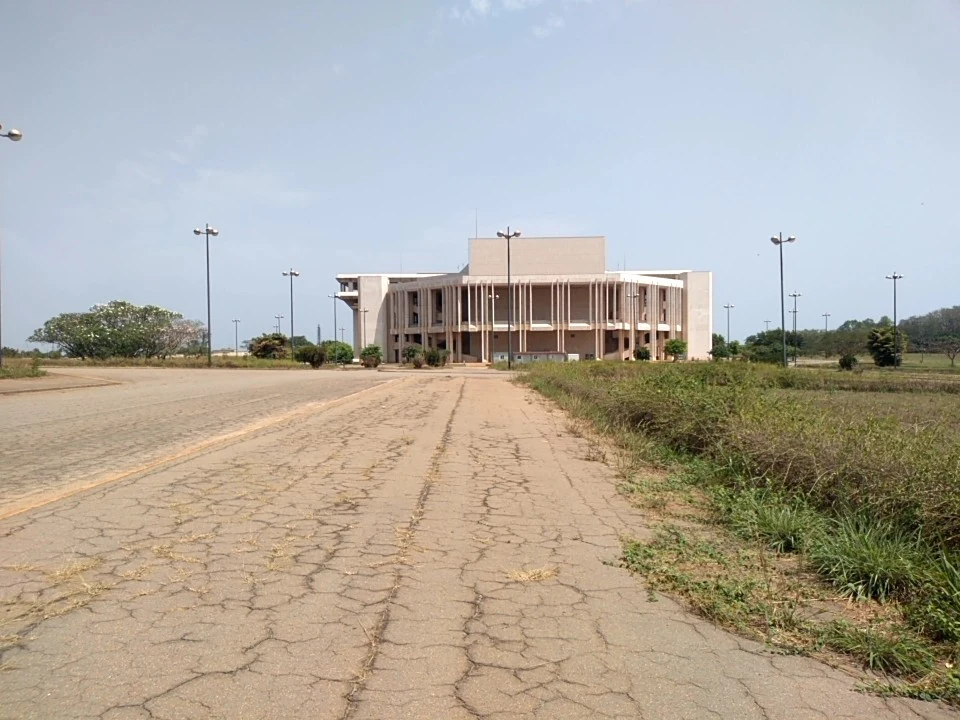
The Fondation Félix Houphouët-Boigny pour la Recherche de la Paix in Yamoussoukro was conceived as an institutional centre for research, dialogue and the promotion of peace.
Explore the place →
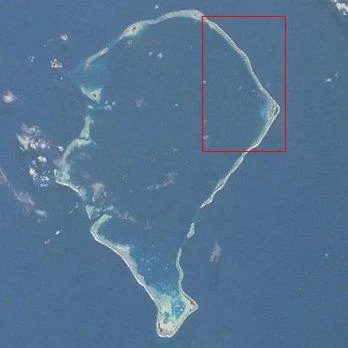
Fongafale is a narrow strip of land where villages, services and the everyday life of Tuvalu’s capital are concentrated. Exploring at an unhurried pace offers a sense of Funafuti’s human scale.
Explore the place →
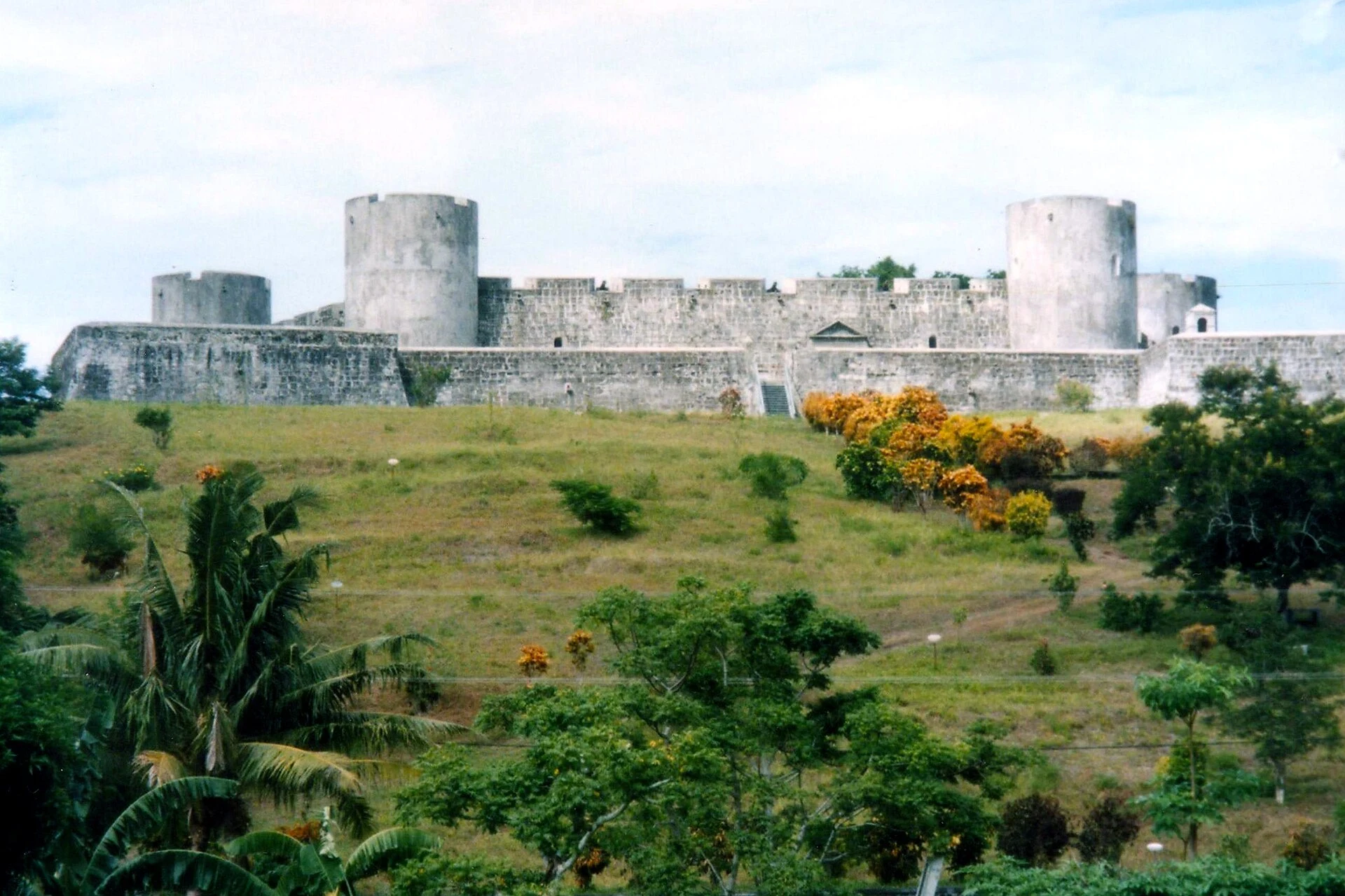
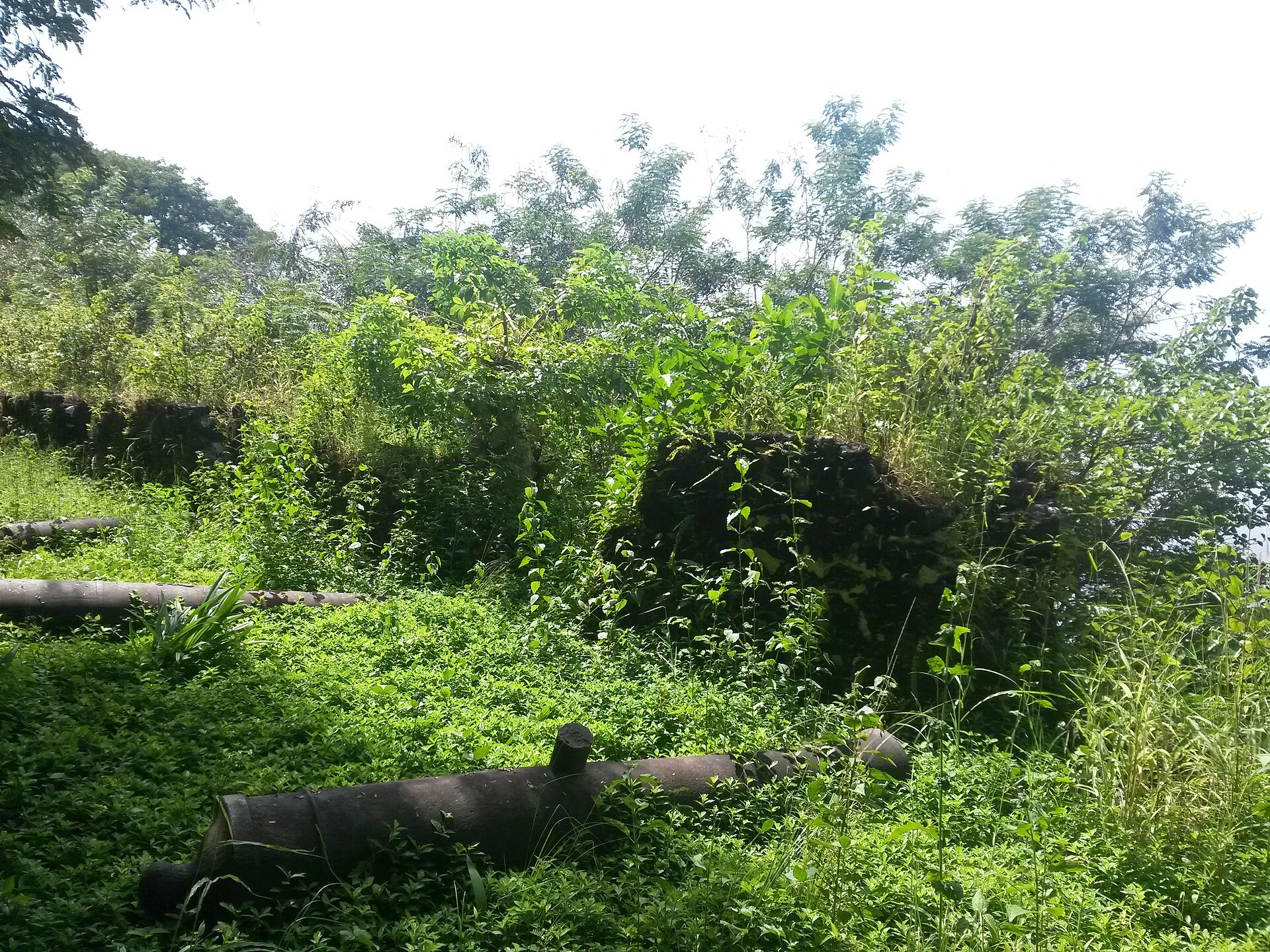
Fort Belgica, on Banda Neira, helps explain how control of the nutmeg trade became control of territory. Its history is bound up with the forts, plantations and colonial violence that shaped the islands.
Explore the place →
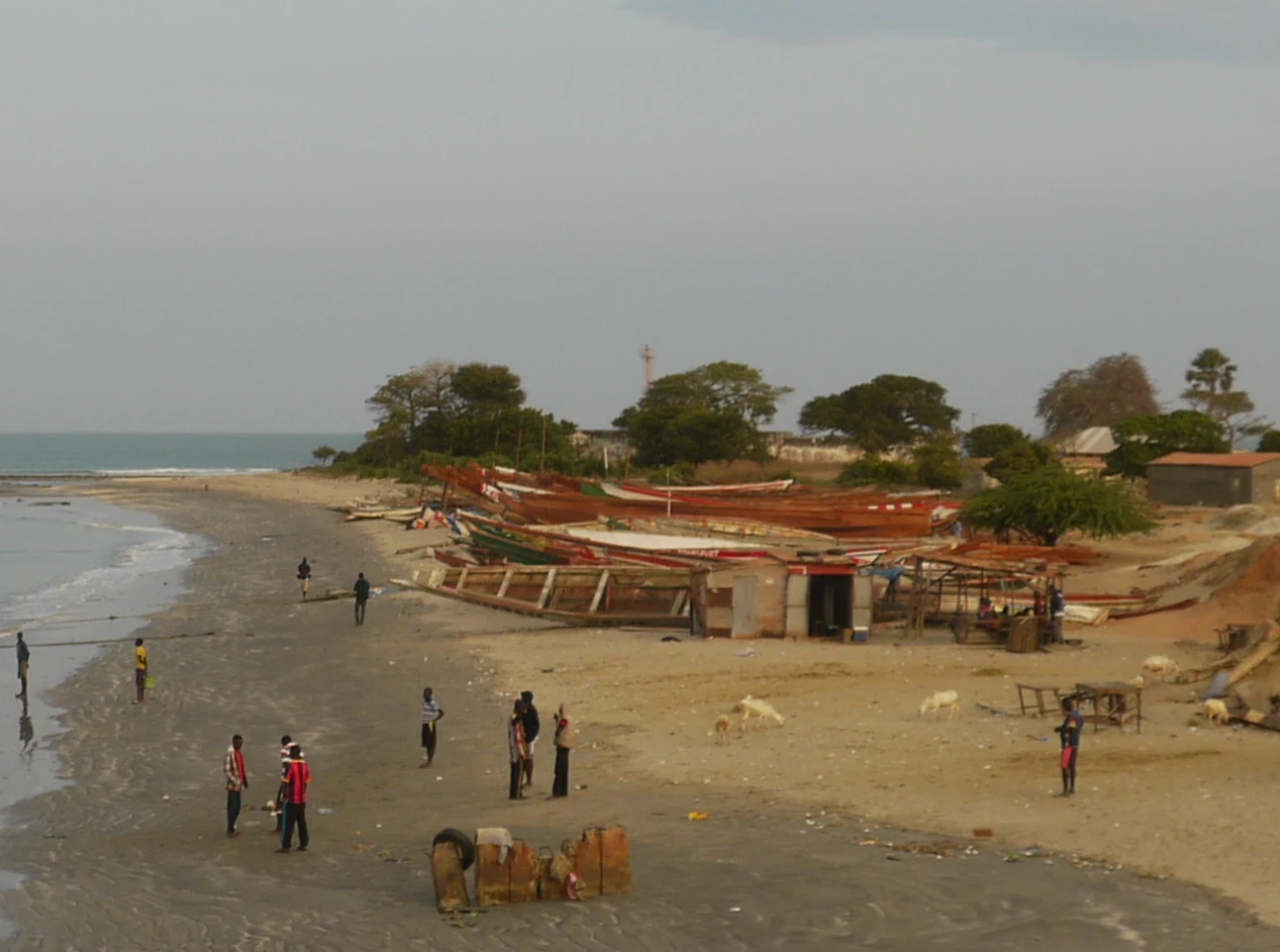
Fort Bullen, in Barra, is a fortification built in 1826 at the mouth of the River Gambia. Its role was linked to intercepting the slave trade after Britain abolished the trade in 1807.
Explore the place →
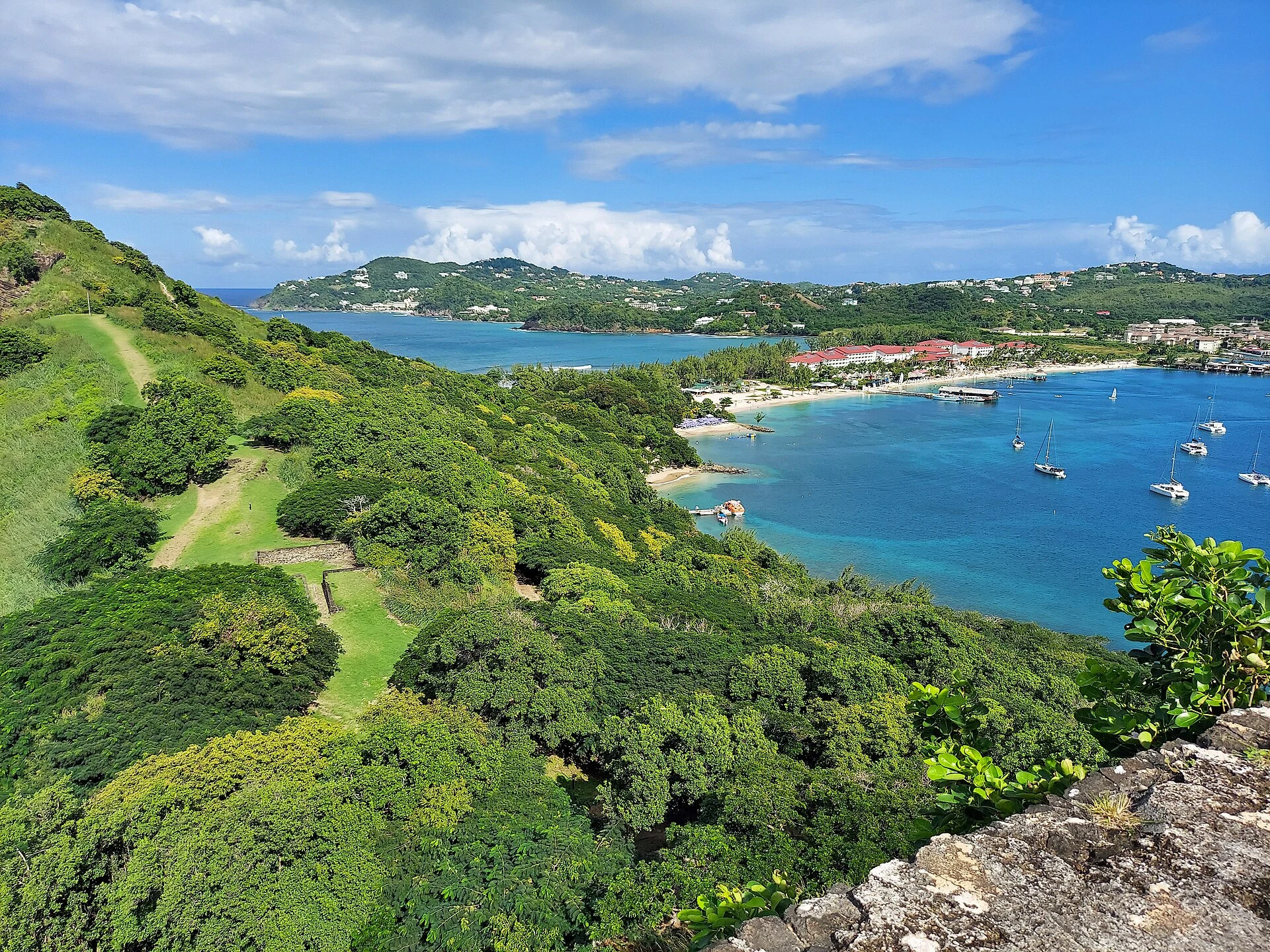
Fort Rodney is an elevated site on Pigeon Island, Saint Lucia, with direct views over Rodney Bay and the northwest coast. It forms part of a historic complex of fortifications and short trails; confirm access before visiting.
Explore the place →
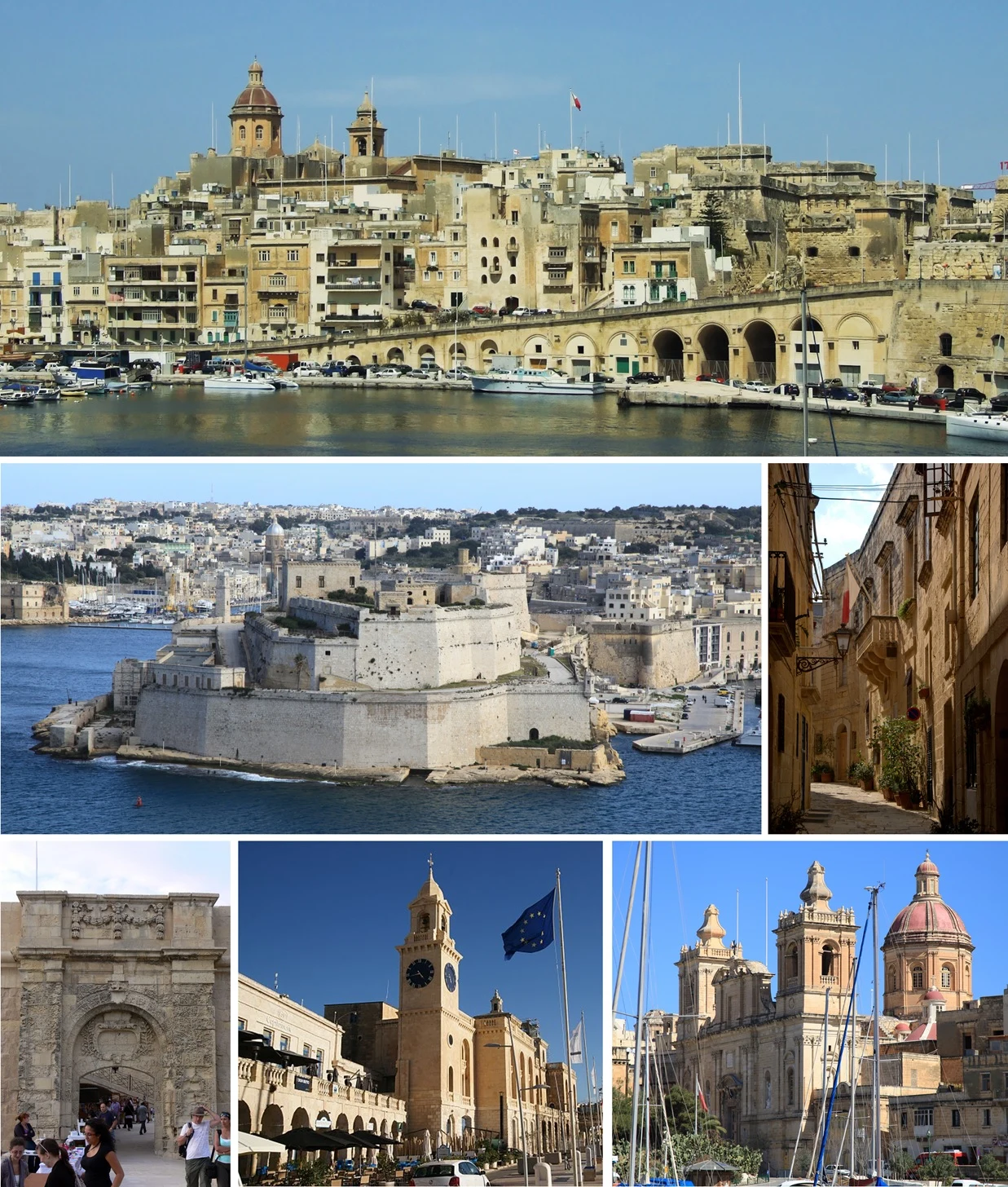
Fort St Angelo stands at the tip of the Birgu peninsula overlooking the Grand Harbour. Its route interprets the fort’s medieval, Hospitaller, military and later naval uses, as well as its role in controlling access to the harbour.
Explore the place →
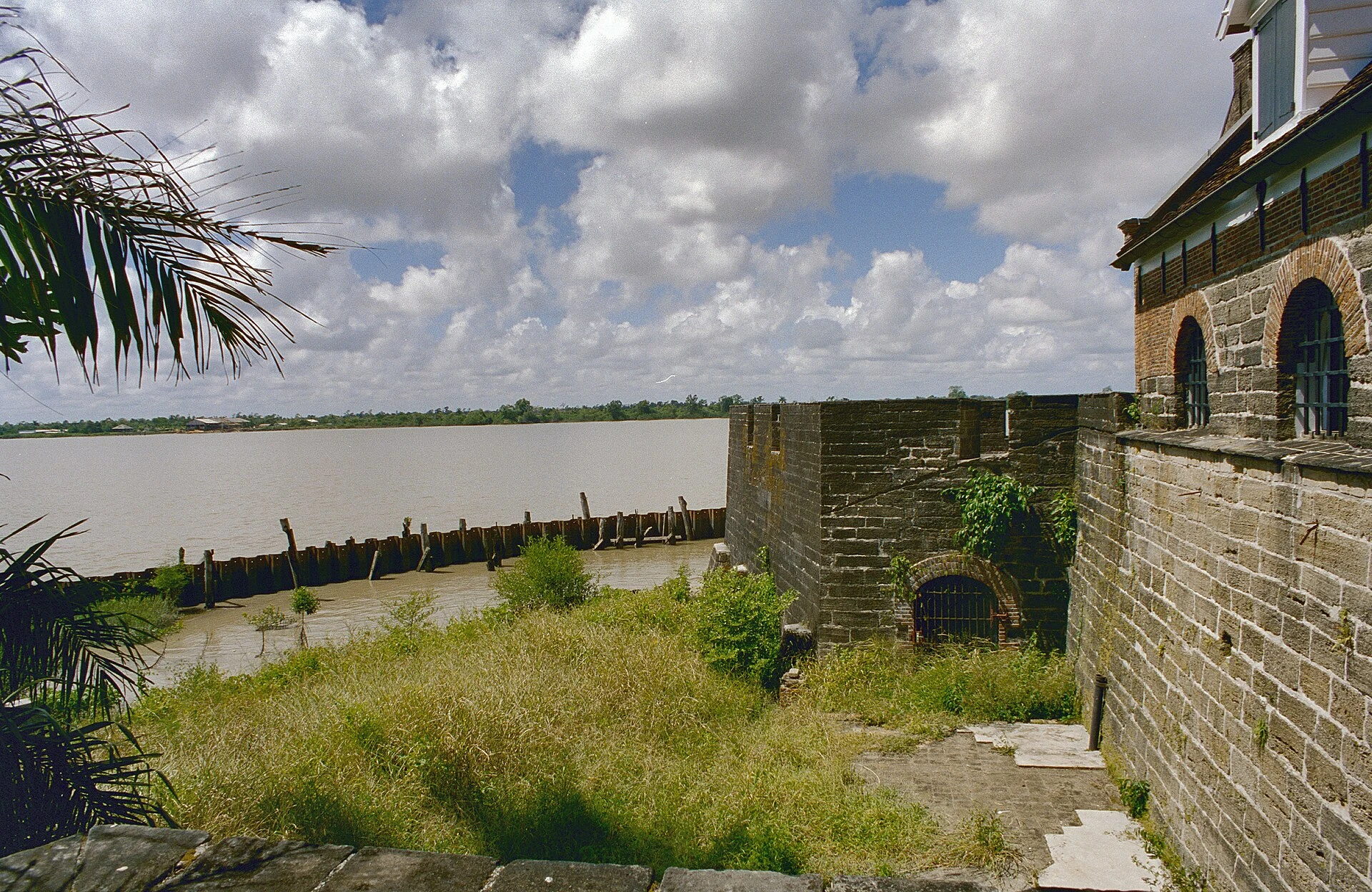
Fort Zeelandia stands on the Suriname River in Paramaribo and houses the Suriname Museum. The site offers context for the city’s development before a walk through the centre to view its streets and wooden architecture.
Explore the place →
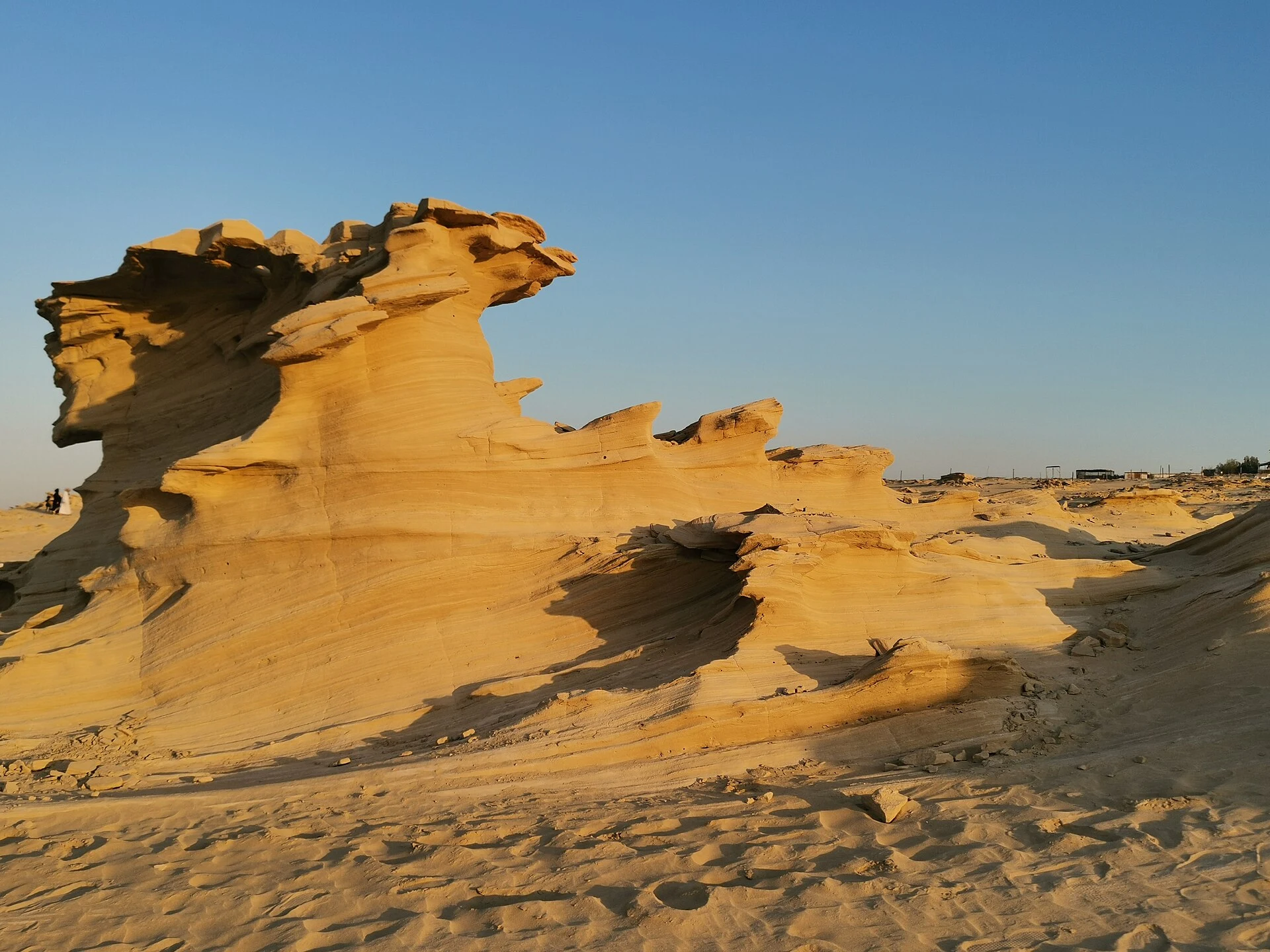
Fossil Rock offers a way to read the marine geological history within today’s desert landscape. The article presents it as a landscape stop that can complement archaeological interpretation at Mleiha, rather than replace a visit to the centre.
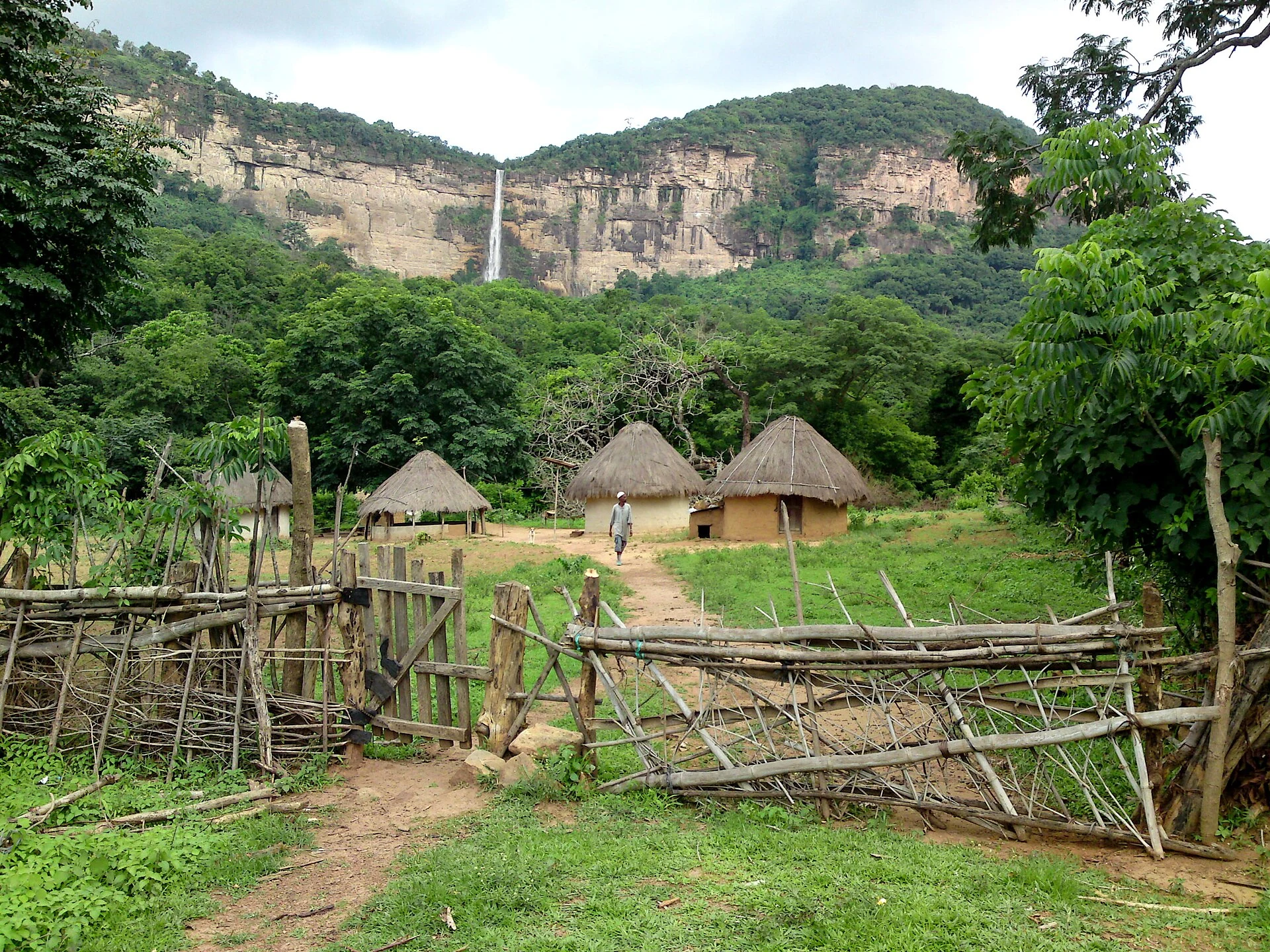
Explore the place →Fougoumba is home to the Almamy coronation house, a circular earthen building associated with ceremonies and gatherings in the Fouta kingdom. It is a living cultural space that calls for a respectful visit.
Explore the place →
The Fouta Djallon massif brings together headwaters, gallery forests, upland savannas and community practices tied to the landscape. Travel calls for time to absorb slow journeys and changing access conditions.
Explore the place →
Freetown is Sierra Leone’s capital, in the western part of the country. Organised boat visits to Bunce Island start from the Freetown area, and access depends on conditions and the operator.
Explore the place →
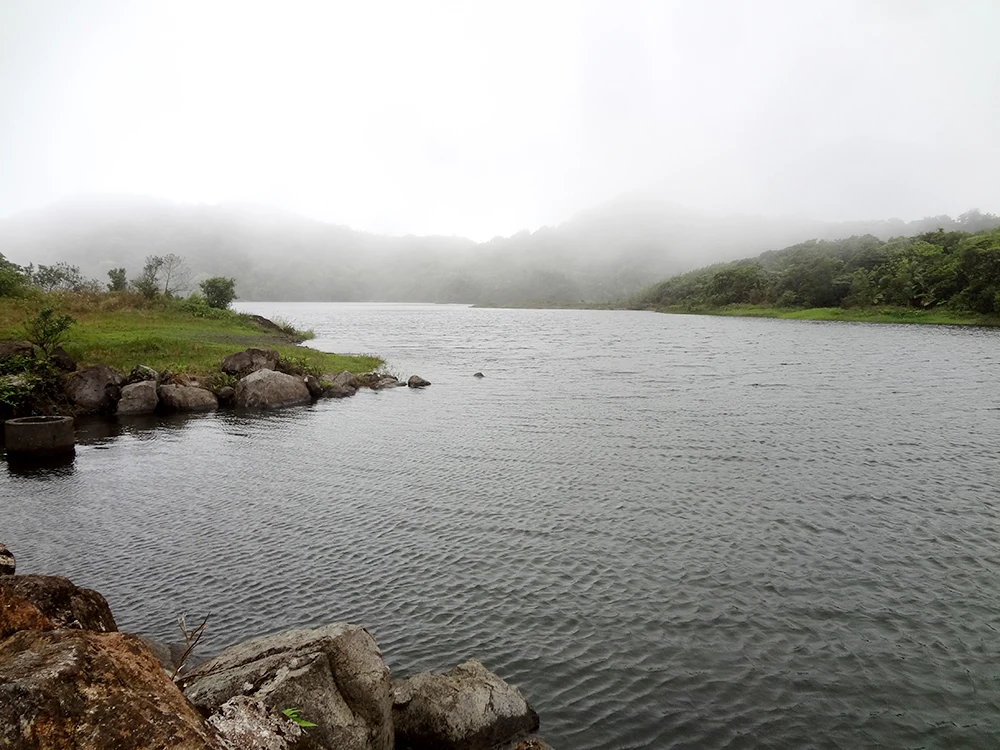
Freshwater Lake offers a direct introduction to Dominica’s highlands, with cold water, mist and upland forest.
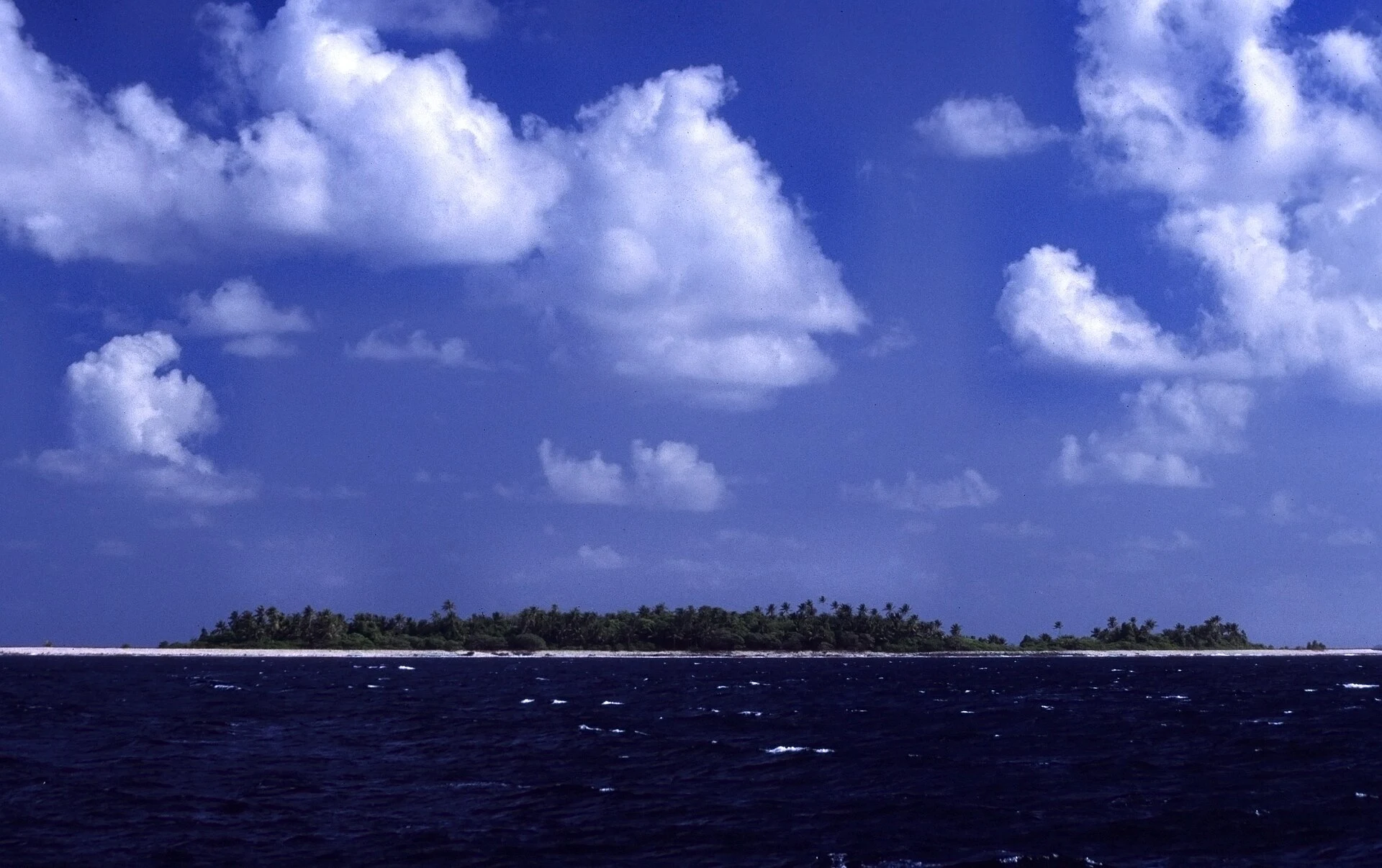
Explore the place →Fualopa is an islet of Funafuti associated with a black noddy colony. Visiting is part of a boat trip to the conservation area and calls for attention to sea conditions and wildlife protection.
Explore the place →
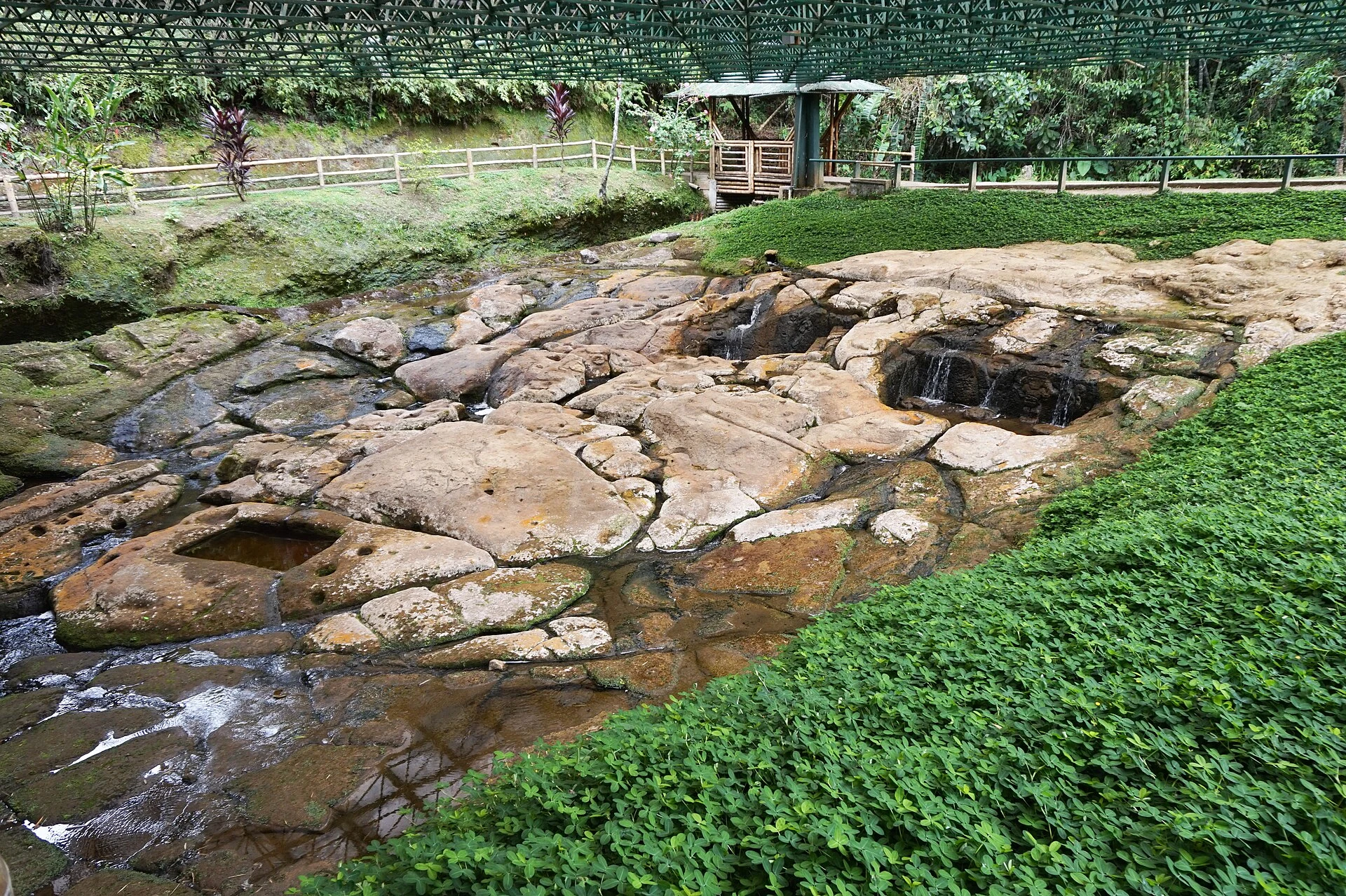
Fuente de Lavapatas is a stop within the San Agustín archaeological park, where carvings were made into the rocky bed of a stream. The site draws attention to the shaping of stone and water.
Explore the place →
Tuvalu’s capital, Funafuti, brings together everyday life in Fongafale and the marine horizon of an atoll. Allow time to explore on land, and treat any trip to the conservation area as a flexible, full-day outing.
Explore the place →The Funafuti Conservation Area occupies the atoll’s western side and protects reef, lagoon, channel and small motu environments. Visiting requires arranging a boat and adapting plans to sea conditions and local rules.
Explore the place →