Saline royale d’Arc-et-Senans
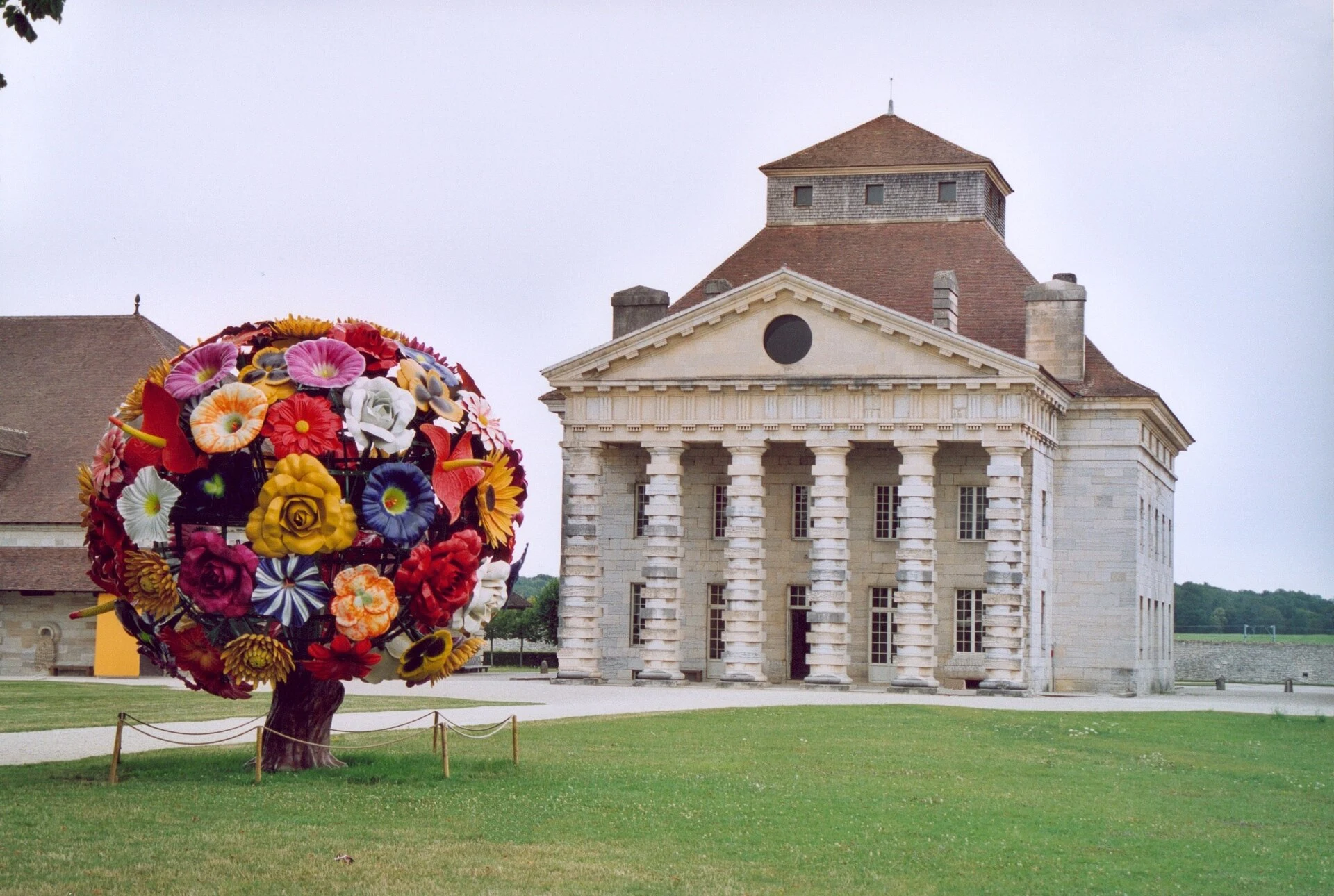
The Saline royale d’Arc-et-Senans is a semicircular complex designed by Claude-Nicolas Ledoux in the late 18th century as a model saltworks organised around production.
Explore the place →Places in context: profiles connected to our guides, maps, sources and verified photographs.
The Saline royale d’Arc-et-Senans is a semicircular complex designed by Claude-Nicolas Ledoux in the late 18th century as a model saltworks organised around production.
Explore the place →
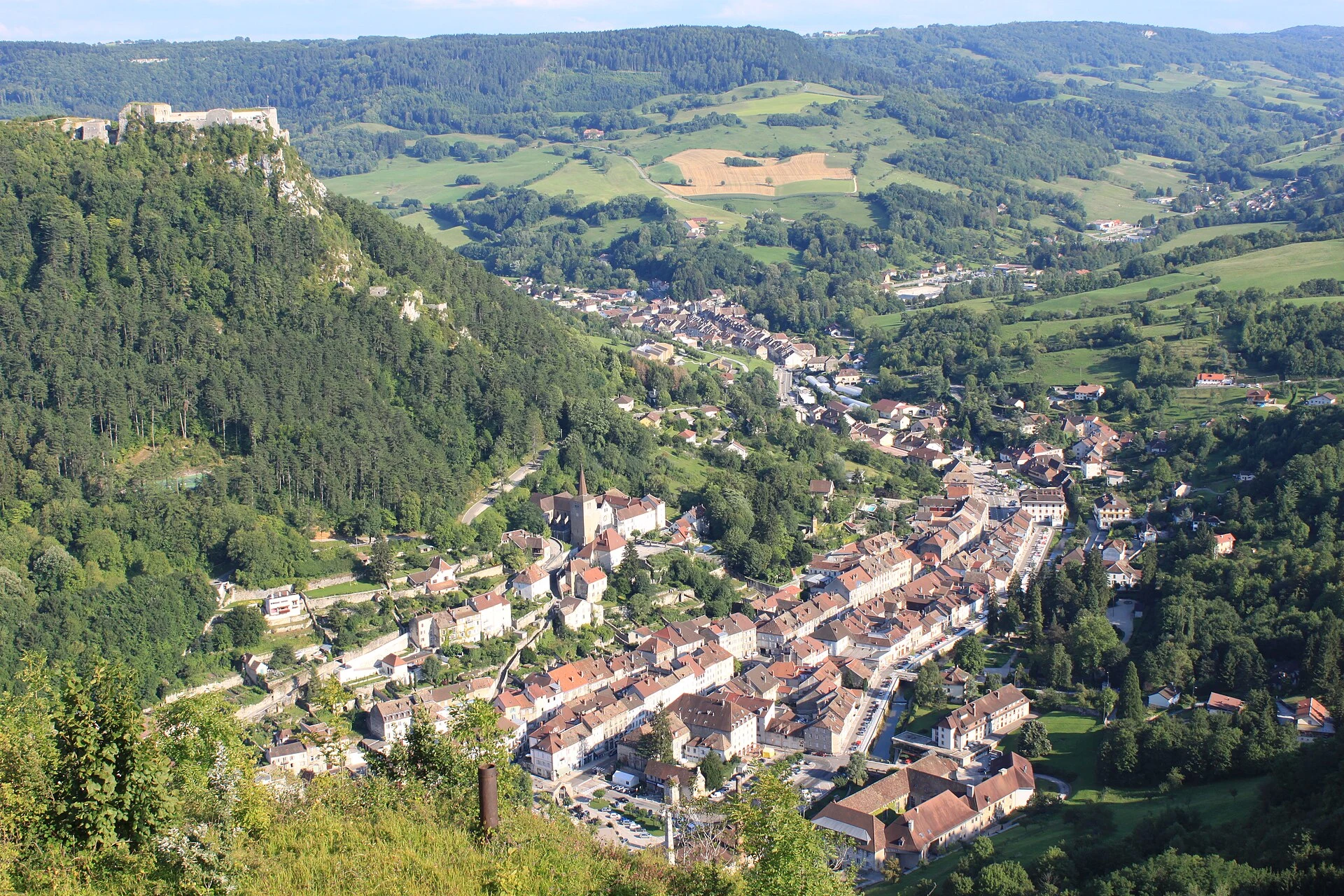
Salins-les-Bains offers a close look at the technical side of the historic salt circuit: the Grande Saline preserves wells, galleries, pumping mechanisms and the evaporation building.
Explore the place →
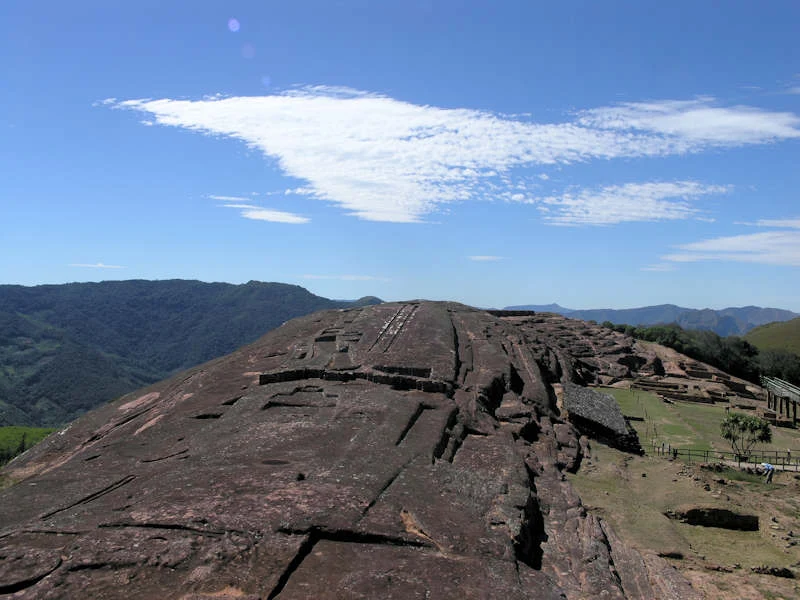
Samaipata, in Santa Cruz Department, works as a base for visiting El Fuerte at an unhurried pace. Two nights allow time for the journey and a visit to the archaeological complex without forcing the day.
Explore the place →
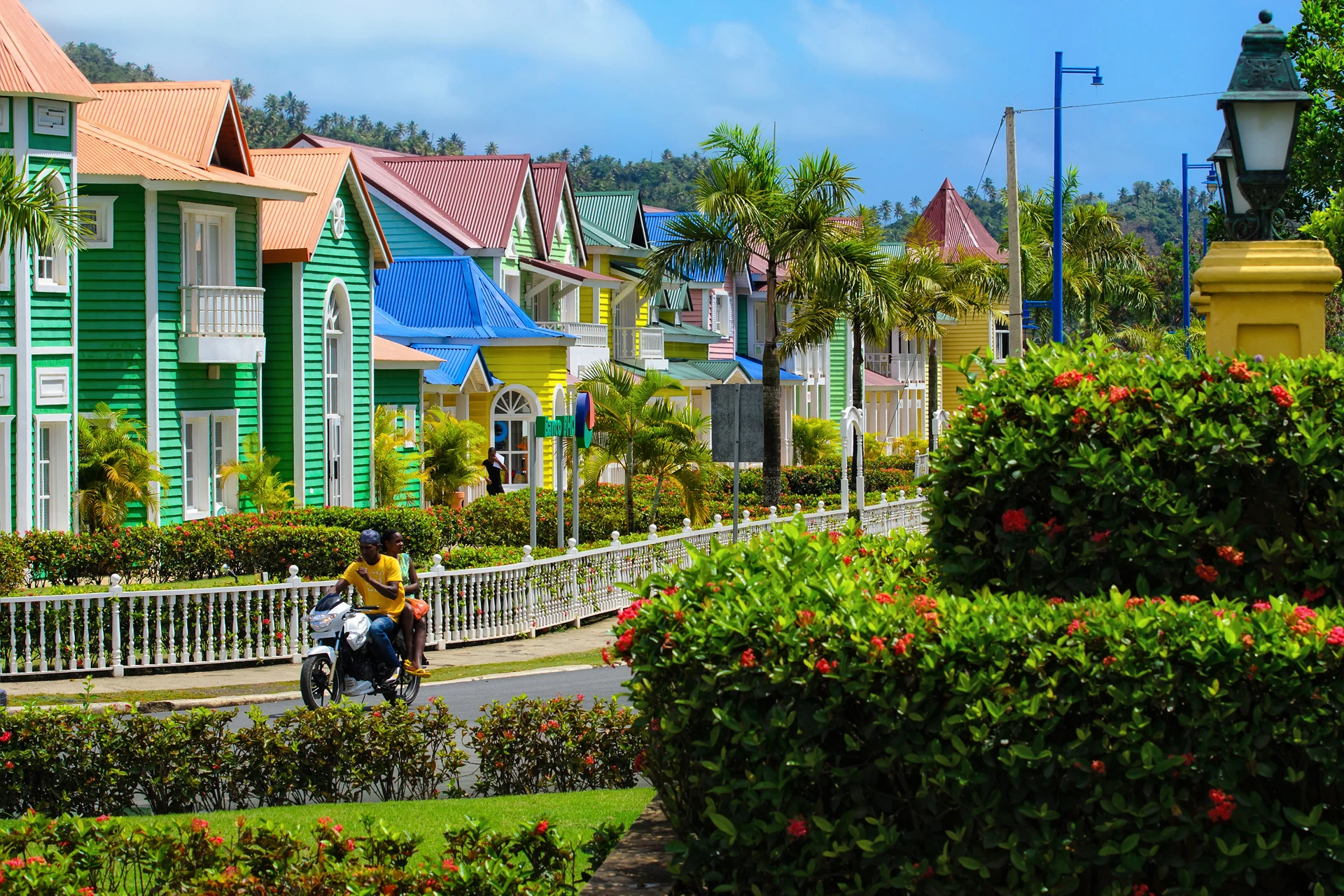
Samaná is a base on the peninsula for adding a boat trip across the bay to Los Haitises. The outing combines mangroves and mogotes with possible cave stops, subject to authorization and the condition of access points.
Explore the place →
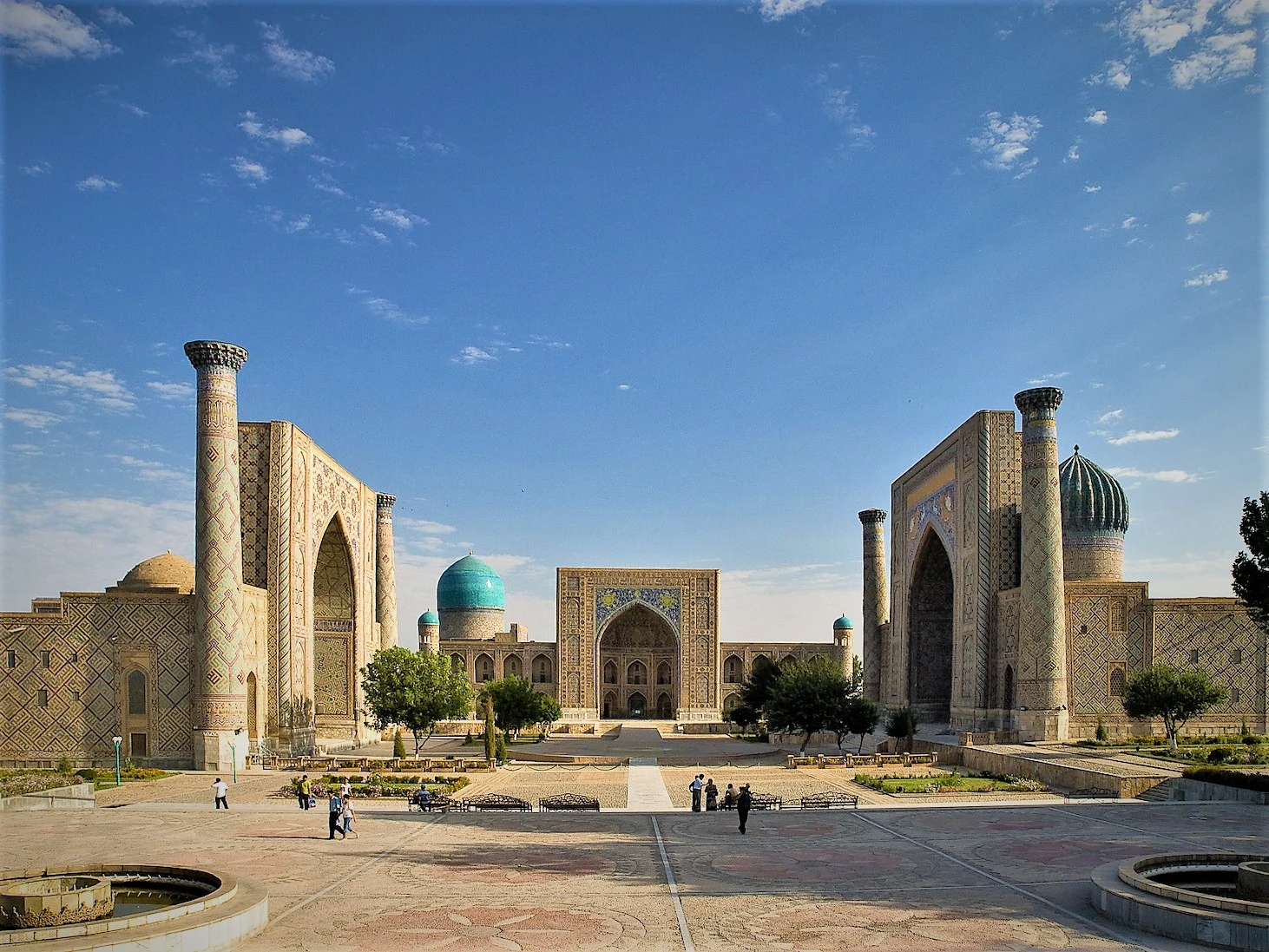
Samarkand is mentioned as a starting point for some private trips to Tajikistan’s Seven Lakes of Shing, involving a pedestrian crossing at Jartepa-Sarazm and a vehicle change at the border.
Explore the place →
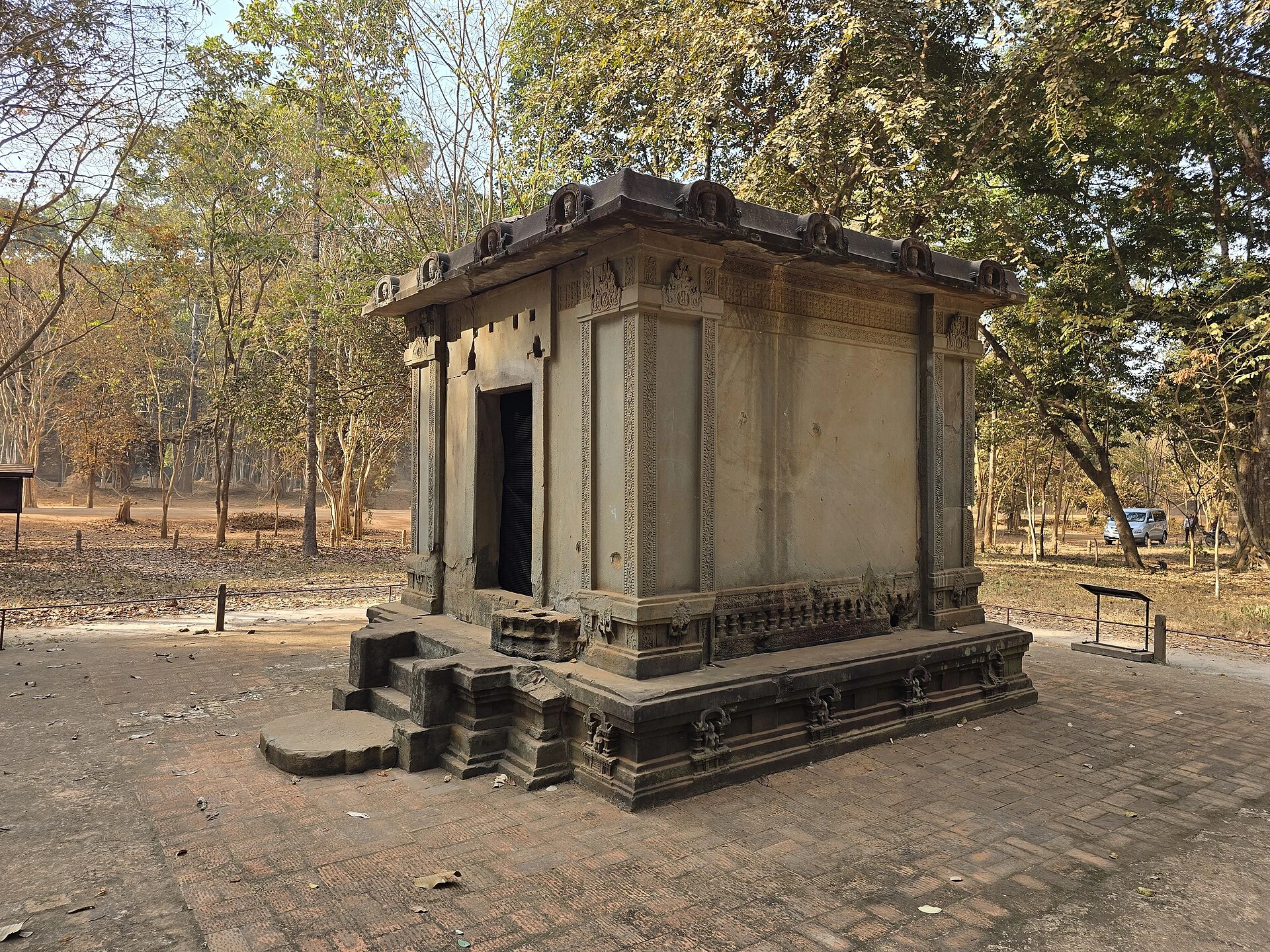
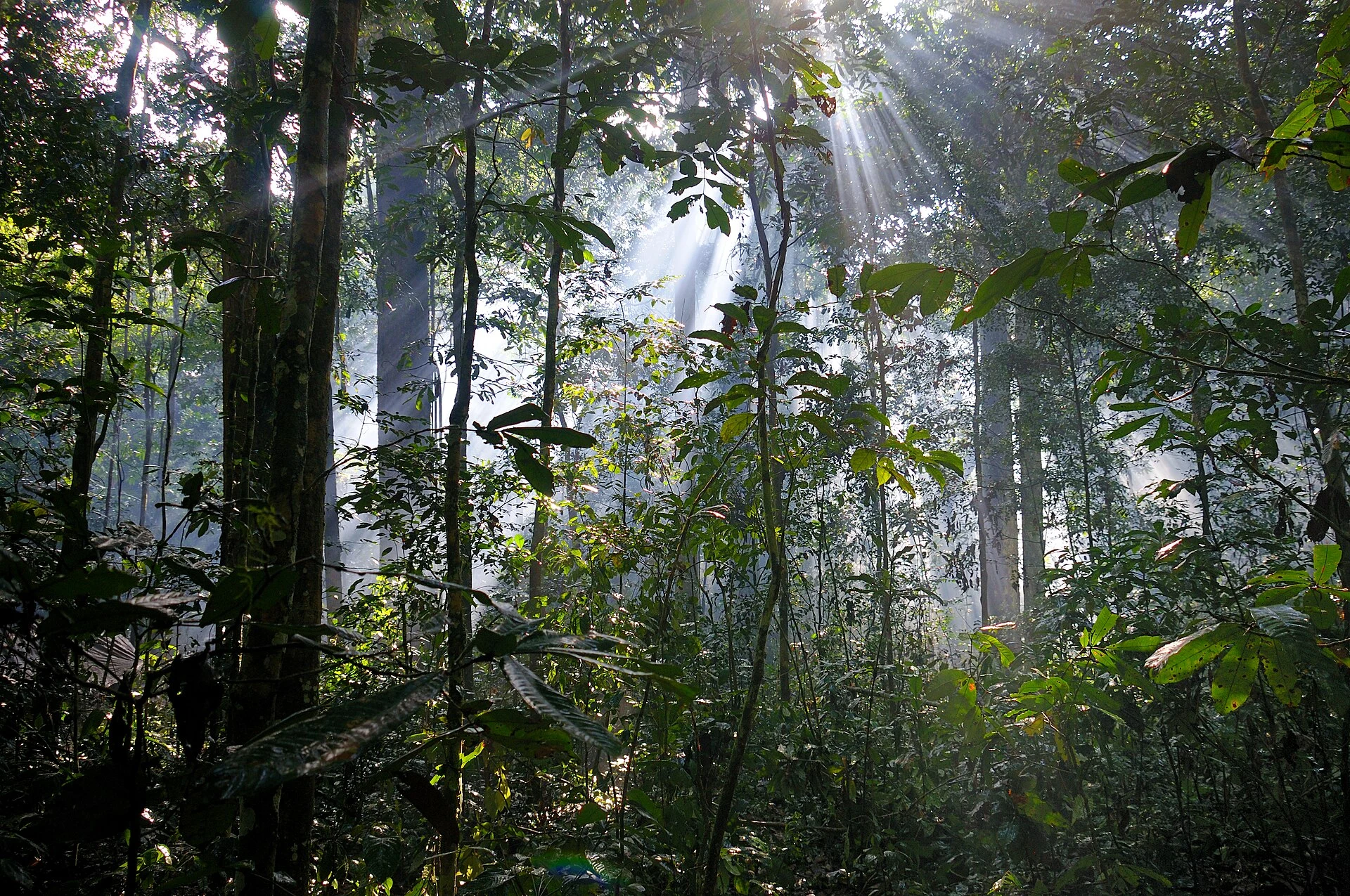
Sambor Prei Kuk brings together three temple groups in a forest landscape: Prasat Yeai, Prasat Tao and Prasat Sambor. Its brick towers, sandstone reliefs and traces of ancient roads and waterworks reveal an organised city.
Explore the place →
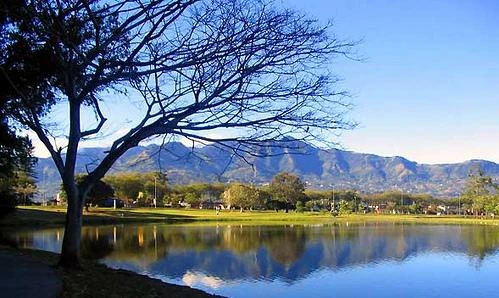
San José is Costa Rica’s capital and a city in the province of the same name. The available information presents it as a geographic reference, not a required stop or a guide to local services.
Explore the place →
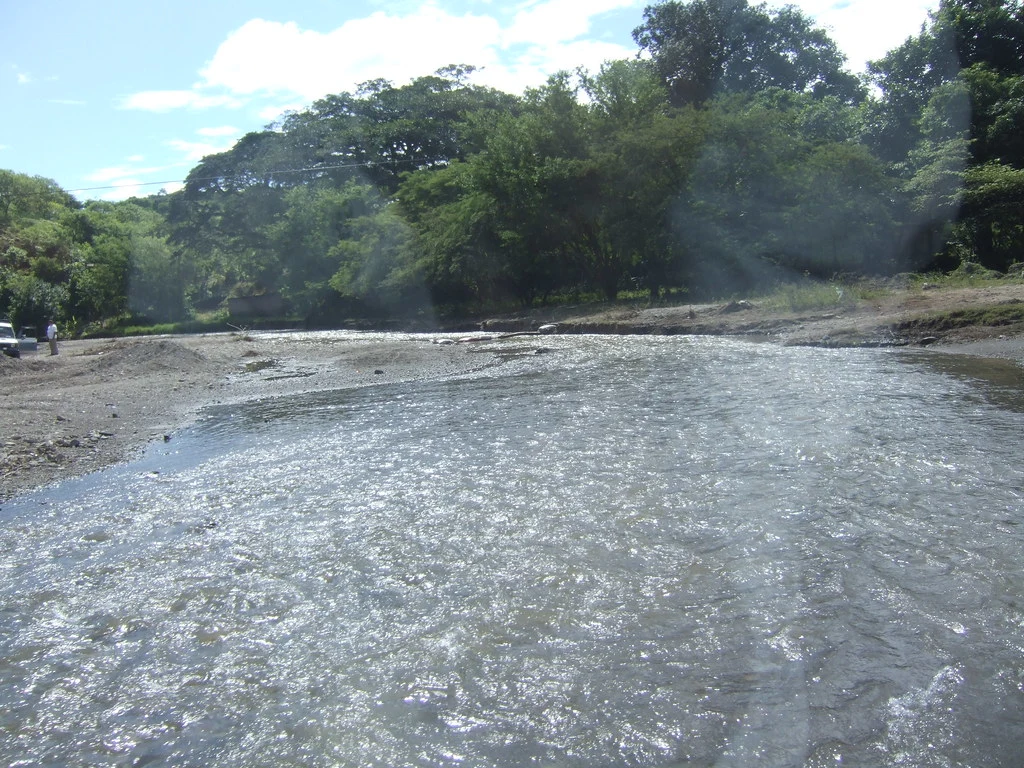
The San Juan River is mentioned in connection with research on locally based tourism and heritage-making in El Castillo. The available information does not describe river routes or access points.
Explore the place →
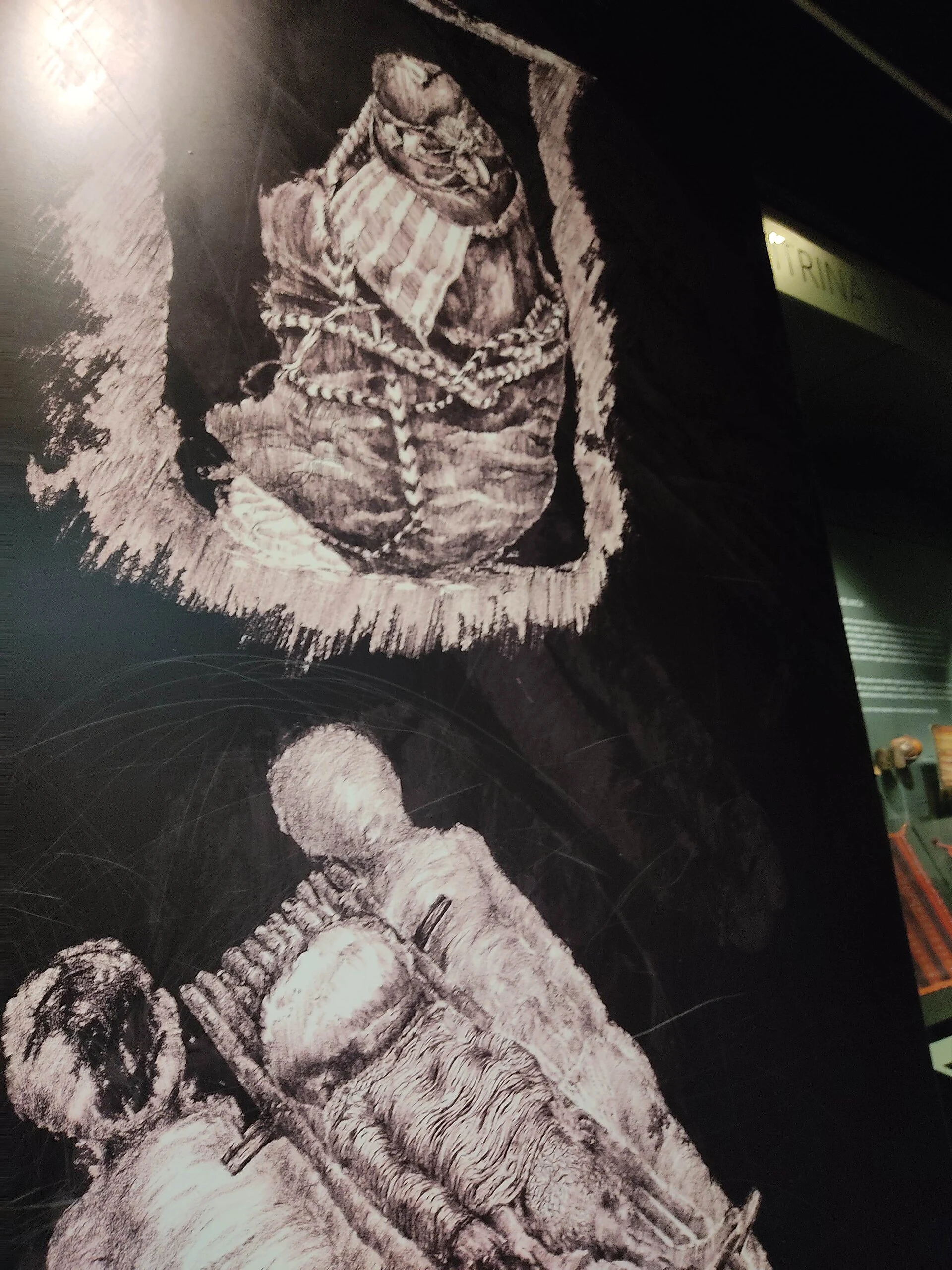
The San Miguel de Azapa Archaeological Museum, in the valley about 12 kilometres from Arica, places Chinchorro culture within a regional history spanning thousands of years of human occupation.
Explore the place →
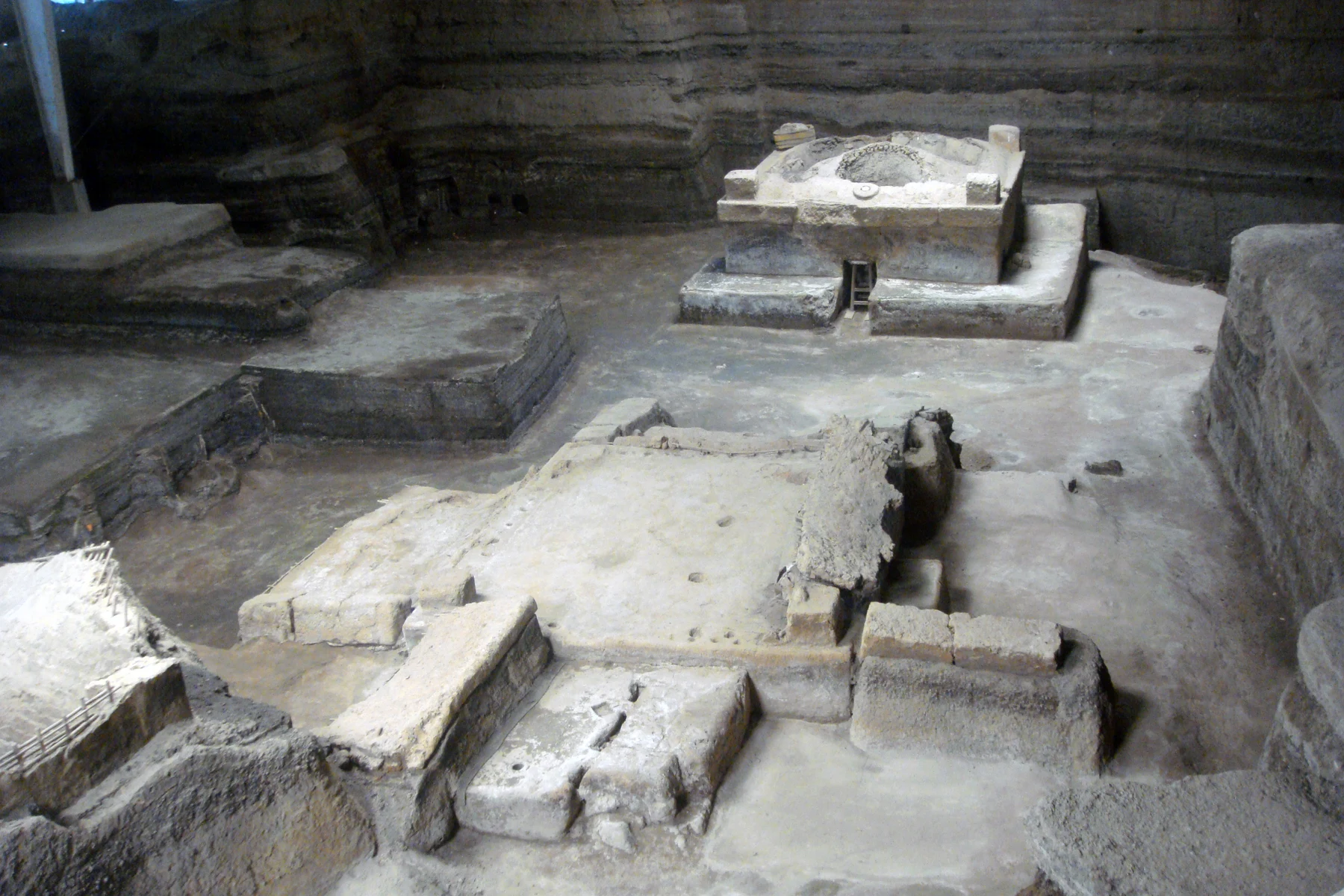
San Salvador is El Salvador’s capital and a city in the department of the same name. Available information locates the city but does not describe itineraries or specific attractions.
Explore the place →
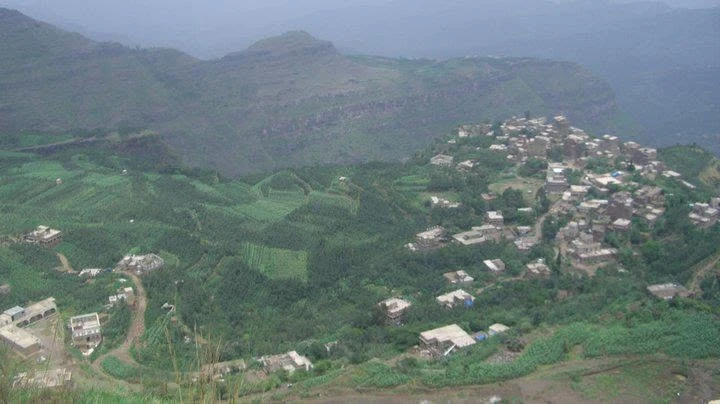
Sana’a is identified as a city and the capital of Yemen. The available information provides a basic geographic reference, but does not describe places to visit or current conditions for planning a visit.
Explore the place →
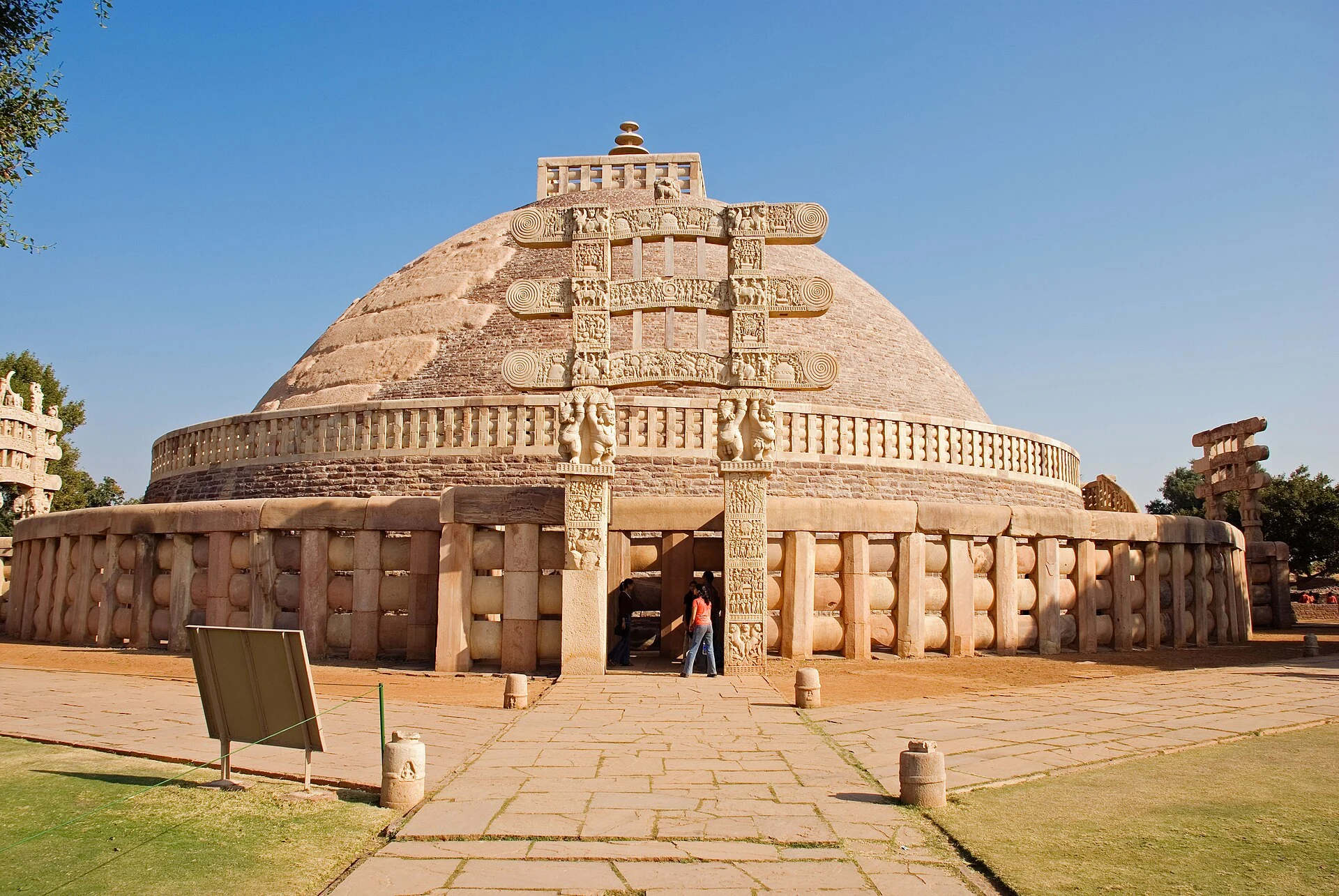
Sanchi brings together stupas, temples, monasteries and a pillar associated with the period of Aśoka on a hill that remained a religious centre over time. Its carved gateways and museum help explain the site.
Explore the place →
At the foot of Sanchi hill, the Archaeological Museum helps connect its objects and sculptures with the monuments outside. Its collections include Buddhist and Brahmanical material from different periods.
Explore the place →
Sangha Trinational is a landscape shared by Cameroon, the Republic of the Congo and the Central African Republic; in the latter it includes Dzanga-Ndoki National Park. Tourism should wait while official travel warnings remain in effect.
Explore the place →
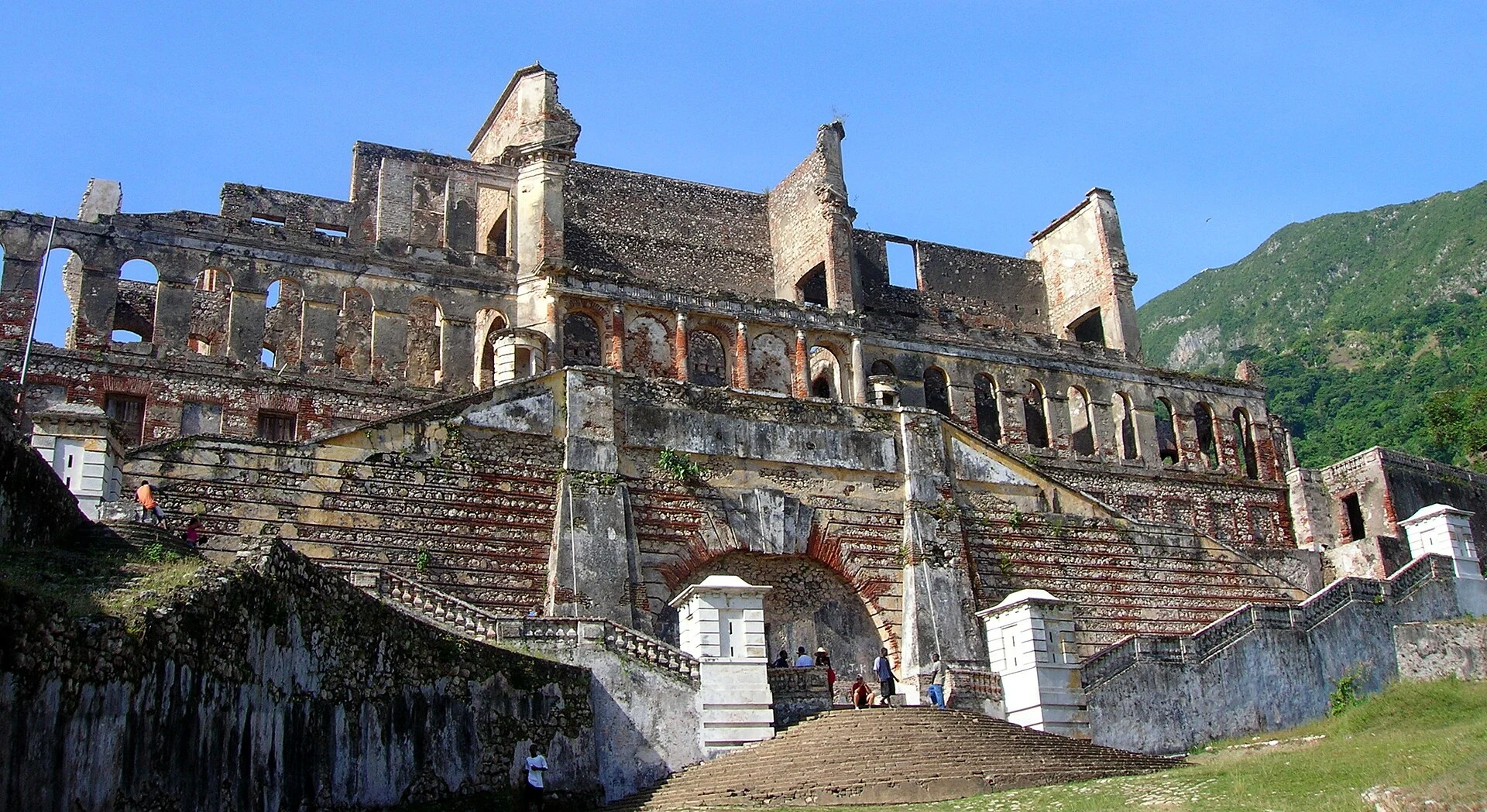
Sans-Souci Palace served as the seat of Henri Christophe’s kingdom, bringing together administrative, residential and ceremonial functions. It belongs to the historic Citadelle, Sans-Souci and Ramiers ensemble near Milot in northern Haiti. Tourism in Haiti should be postponed.
Explore the place →
Santa Cruz de la Sierra is named in travel information for Samaipata as the starting point of a land connection. The source recommends allowing time for the journey and checking operational details before departure.
Explore the place →
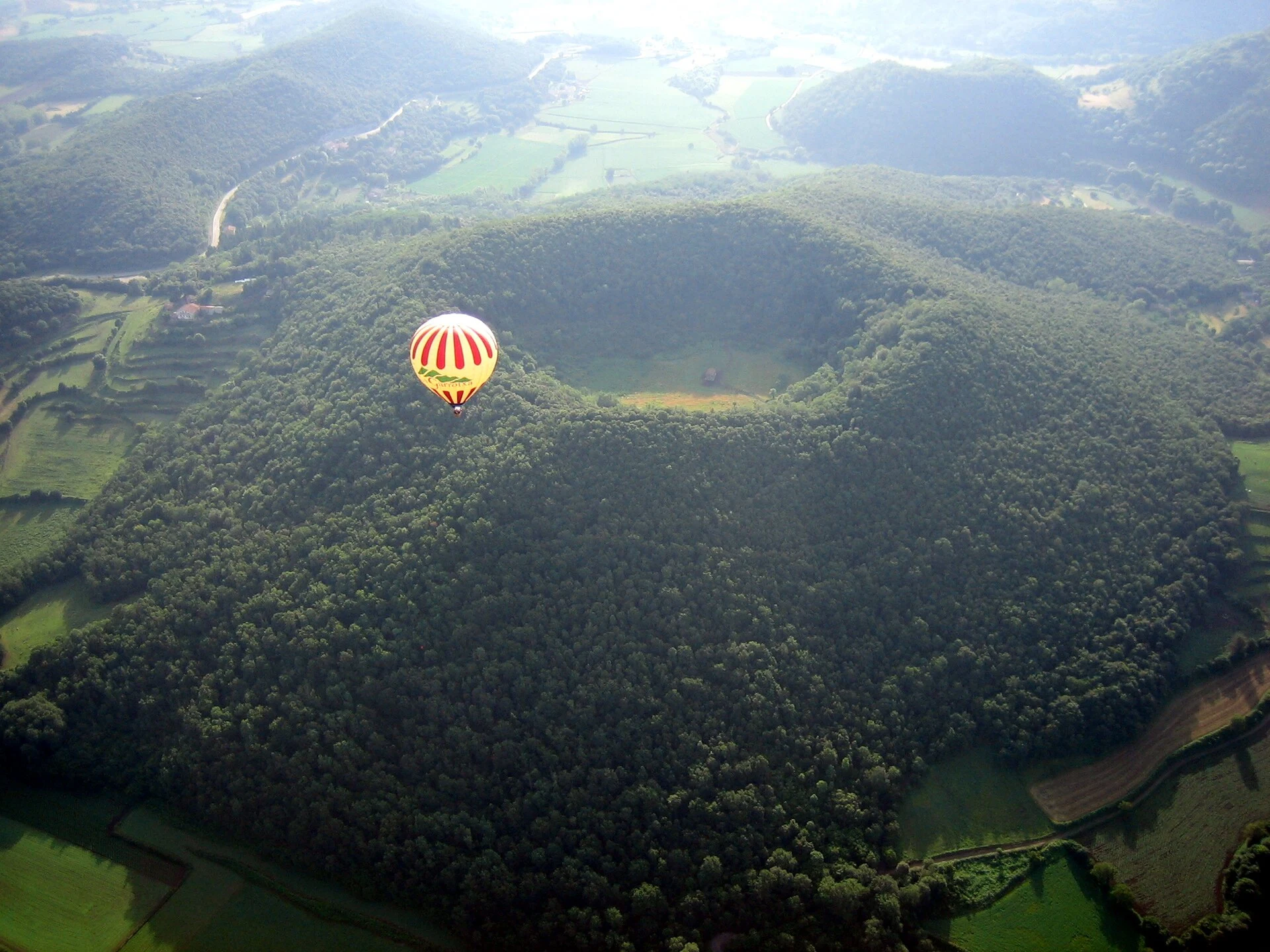
Santa Margarida offers a walk into an explosion crater, where the volcano’s shape is clearly visible. The route crosses natural terrain, and the return involves climbing back out of the crater.
Explore the place →
Santa Pau is a medieval village in the volcanic landscape of La Garrotxa. Its historic centre makes a fitting end to the walk from Olot and adds the perspective of a lived-in settlement to the surrounding landscape.
Explore the place →