Upper Svaneti
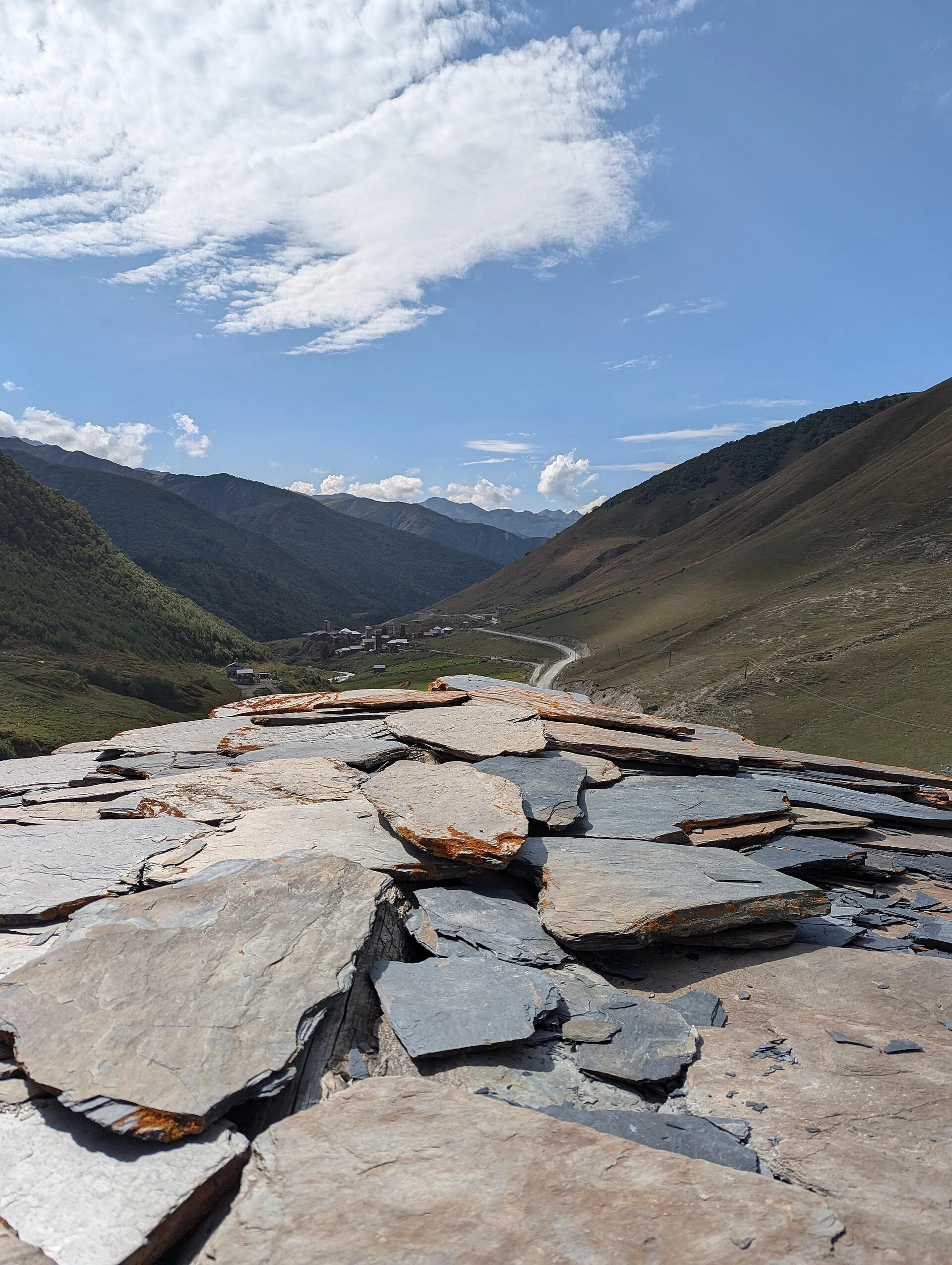
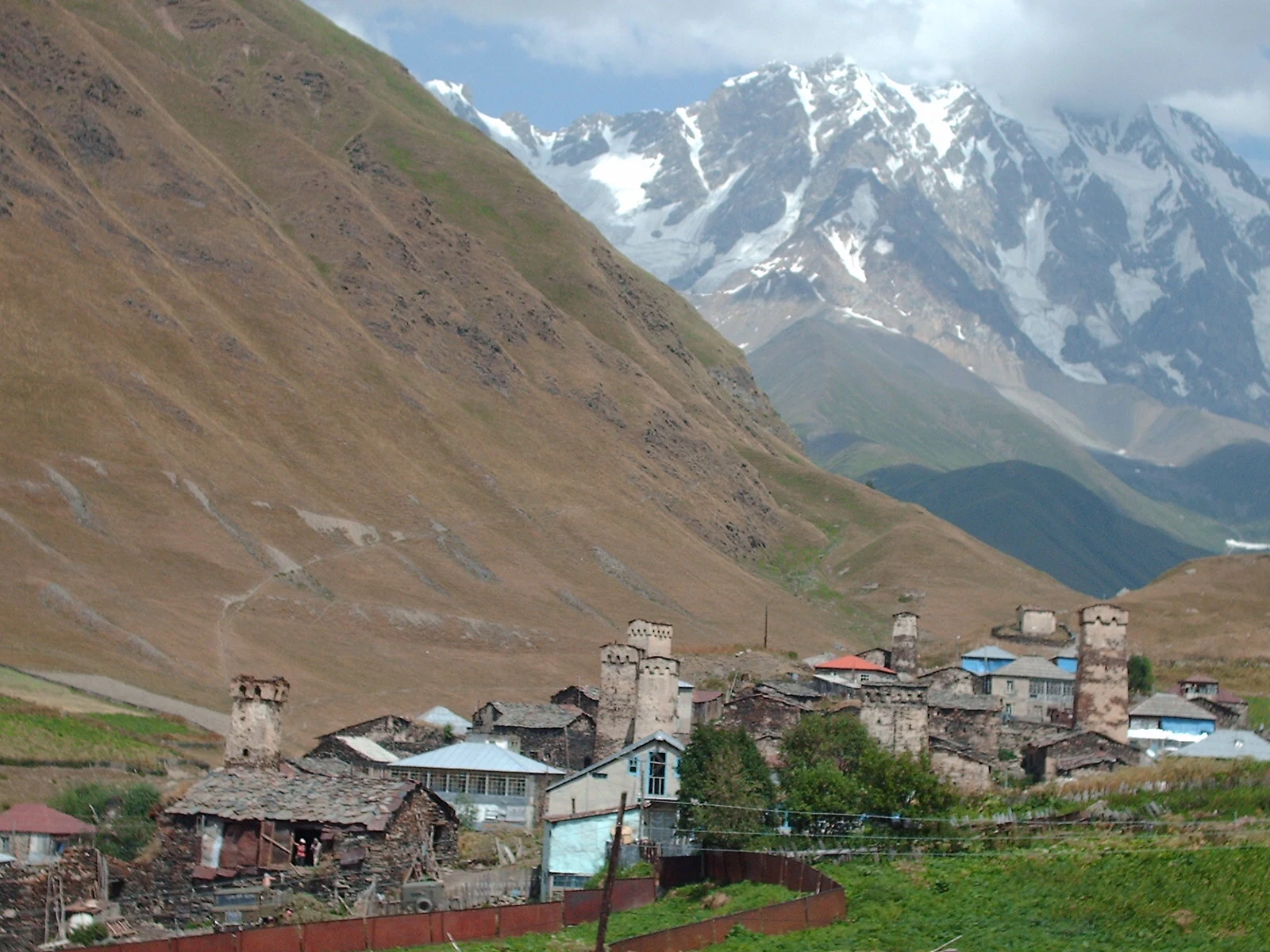
Upper Svaneti is an inhabited cultural landscape described through its villages, tower houses and churches. Chazhashi, within the Ushguli community, is the component included in the World Heritage property.
Explore the place →Places in context: profiles connected to our guides, maps, sources and verified photographs.
Upper Svaneti is an inhabited cultural landscape described through its villages, tower houses and churches. Chazhashi, within the Ushguli community, is the component included in the World Heritage property.
Explore the place →
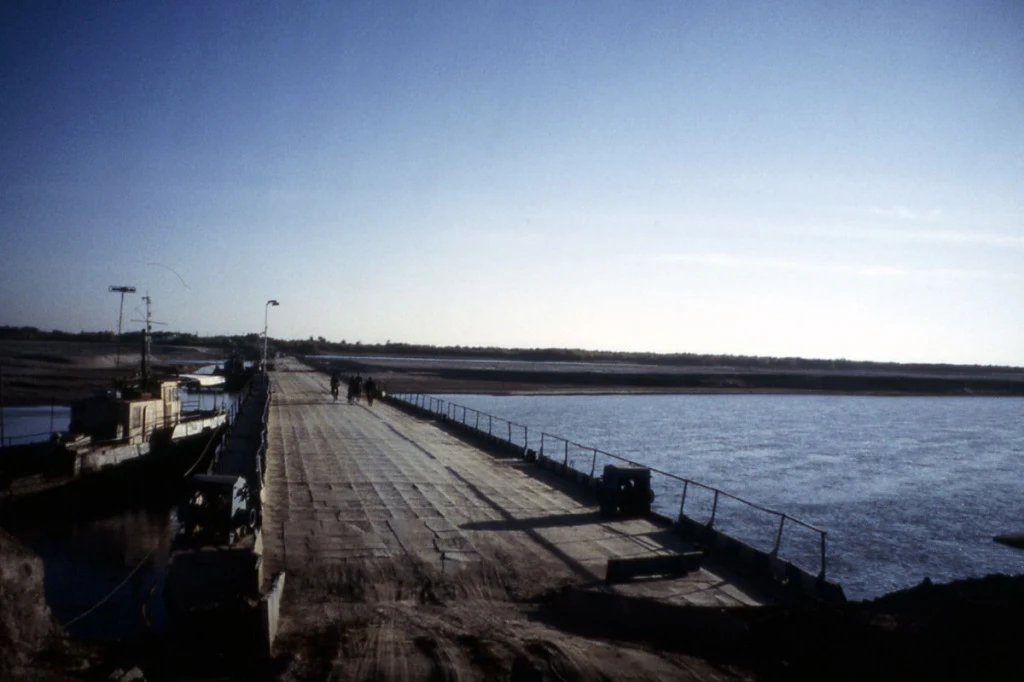
Urgench is a relevant arrival gateway for Khorezm. The article mentions announced rail infrastructure linking its airport with the rail network and Khiva, but says to confirm that the service is operating before relying on it.
Explore the place →
Ushguli comprises several Svan villages and a lived-in cultural landscape. In Chazhashi, part of the community, tower houses, churches and the settlement layout belong to the UNESCO-listed Upper Svaneti site.
Explore the place →Uwinka is one of Nyungwe’s main reception areas and has ten hiking routes. The Canopy Walkway is reached on foot from here; access involves slopes, and the ground can become muddy.
Explore the place →
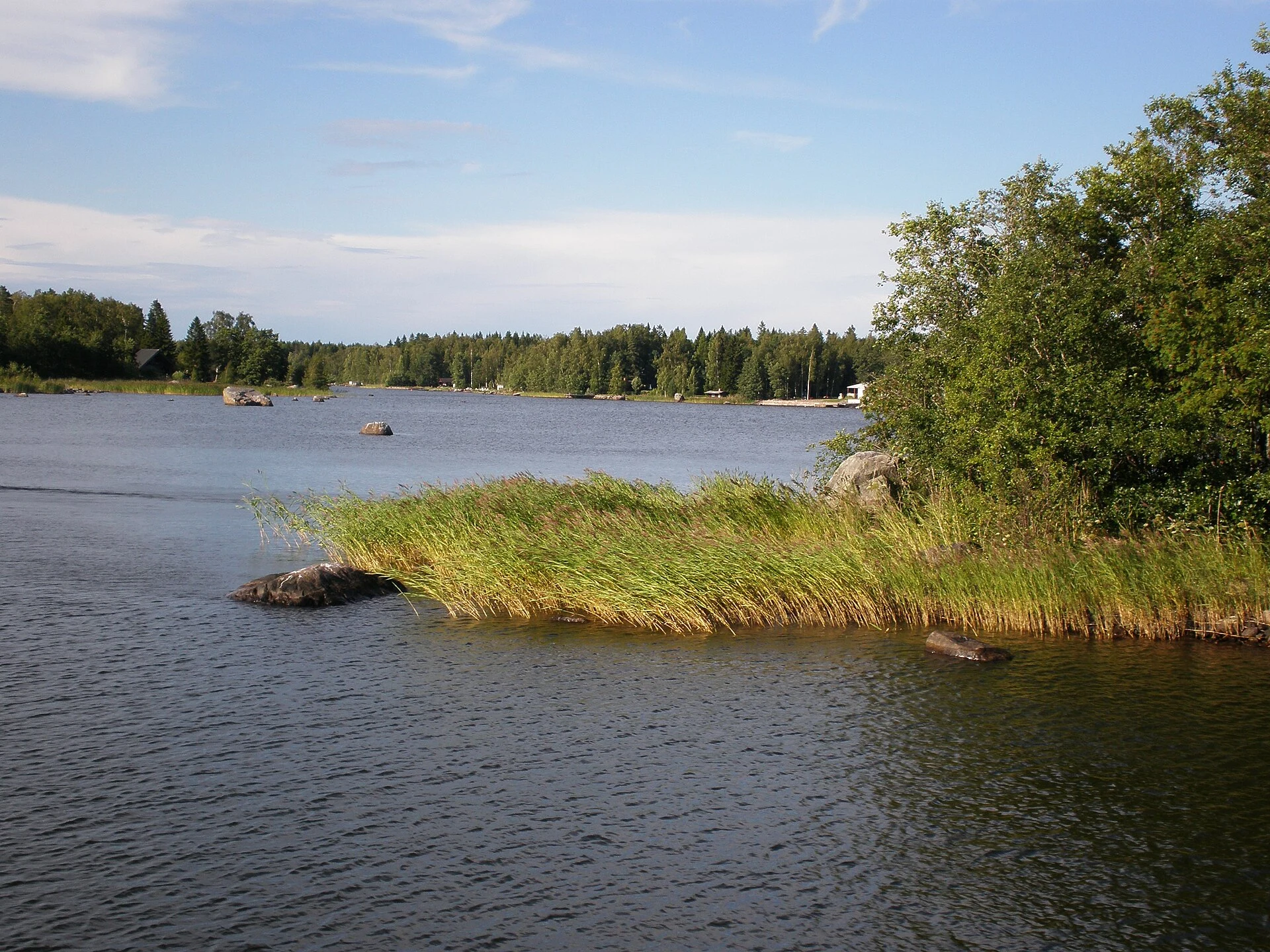
Vaasa is an urban base for staying overnight and stocking up before exploring the Kvarken Archipelago. The article links the city with trips to Replot and Björkö, which require advance logistical planning.
Explore the place →
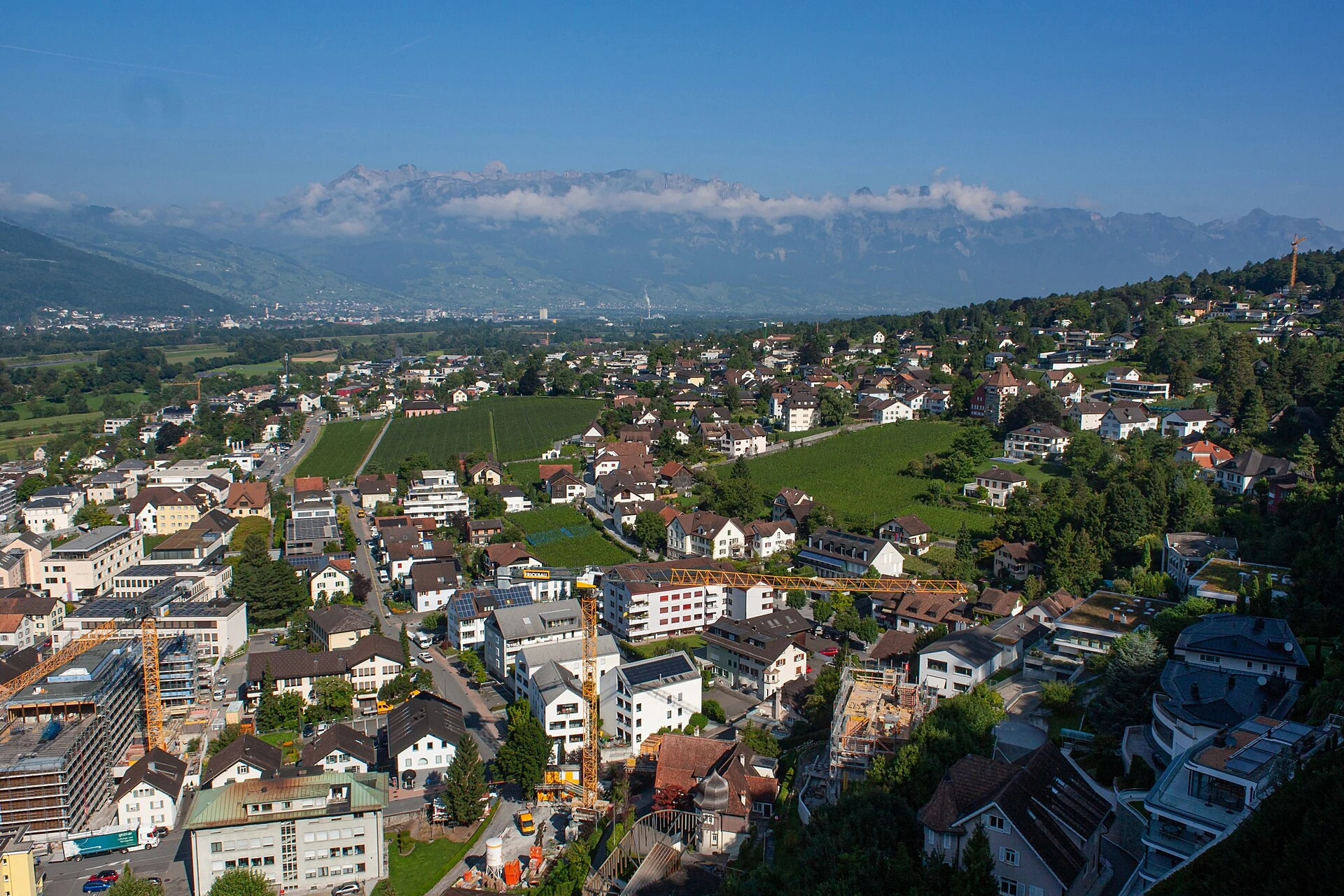
Vaduz is the capital of Liechtenstein and a useful place name when consulting maps and planning an itinerary. The available information does not describe local attractions or services, so check practical details before visiting.
Explore the place →
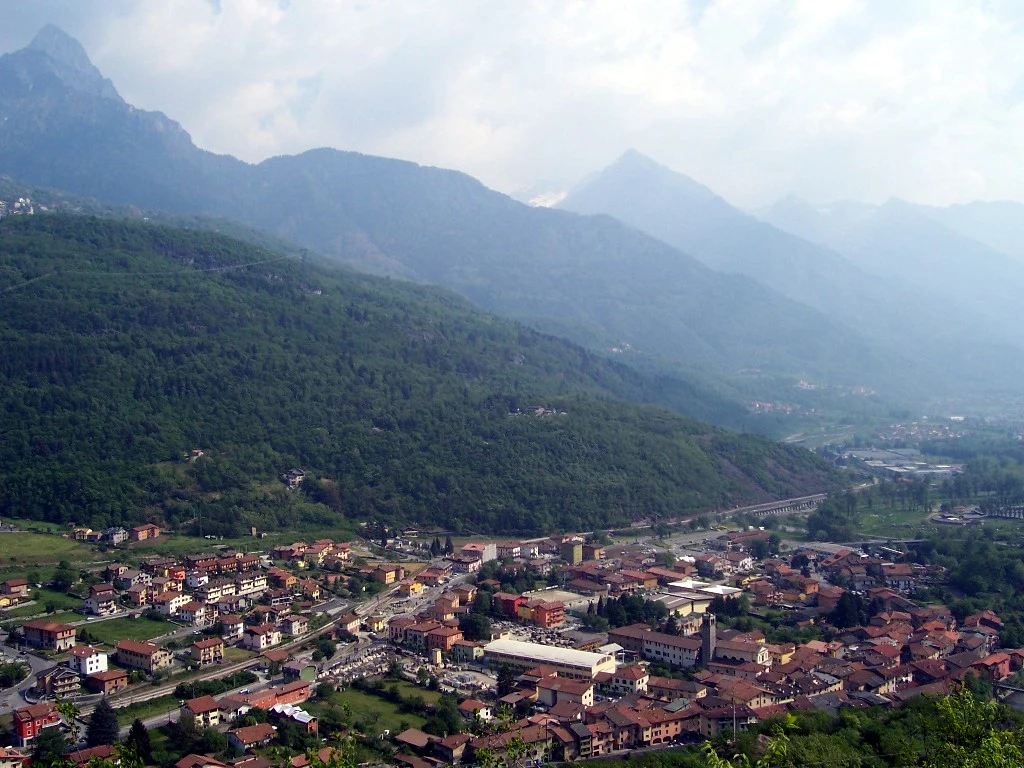
Val Camonica contains many clusters of rock art. Capo di Ponte offers a focused introduction through the MUPRE museum and the Naquane and Cemmo archaeological parks; Seradina-Bedolina takes more walking time.
Explore the place →
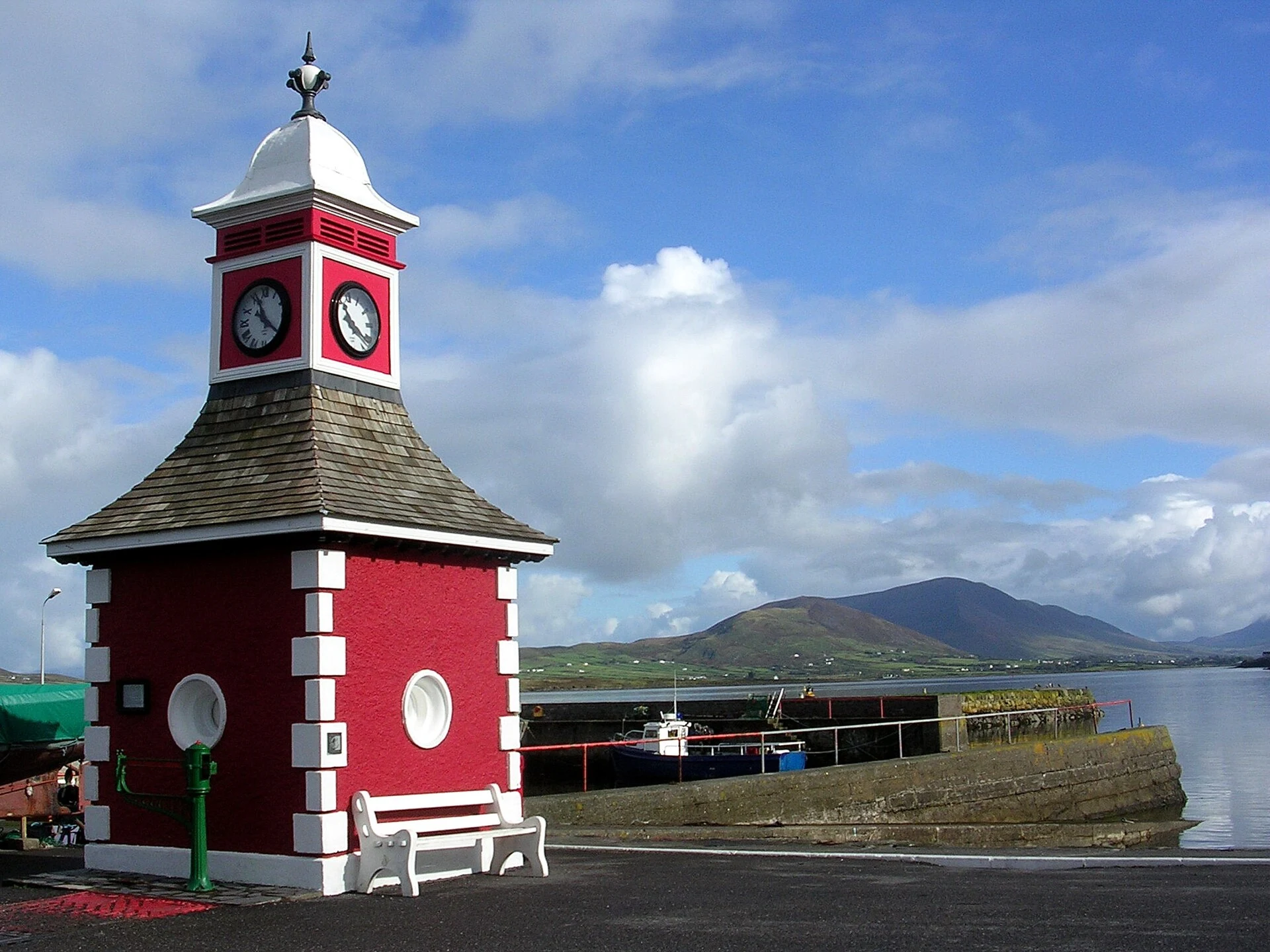
Valentia Island is a departure point for some Skelligs boat trips and is home to the Skellig Experience Visitor Centre, beside the Valentia bridge.
Explore the place →
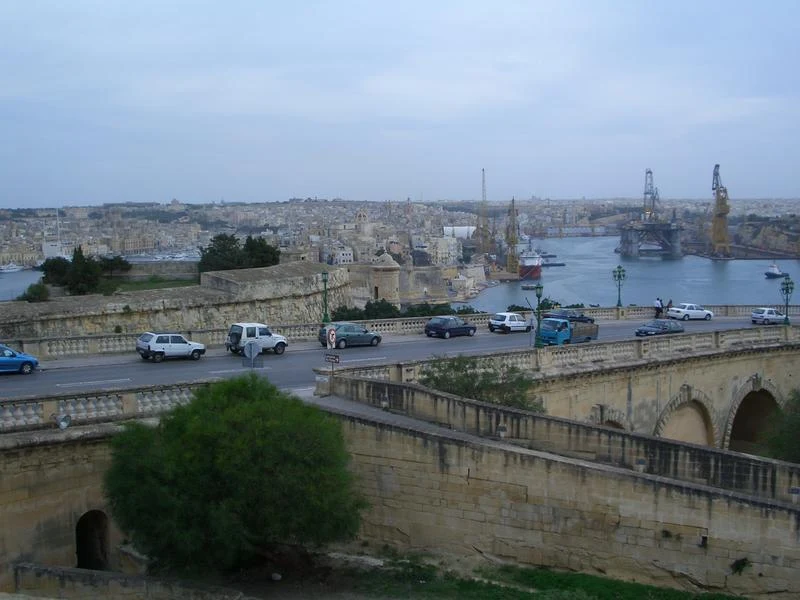
Valletta is Malta’s capital and home to the National Museum of Archaeology, which holds finds from the archipelago’s principal Neolithic sites.
Explore the place →
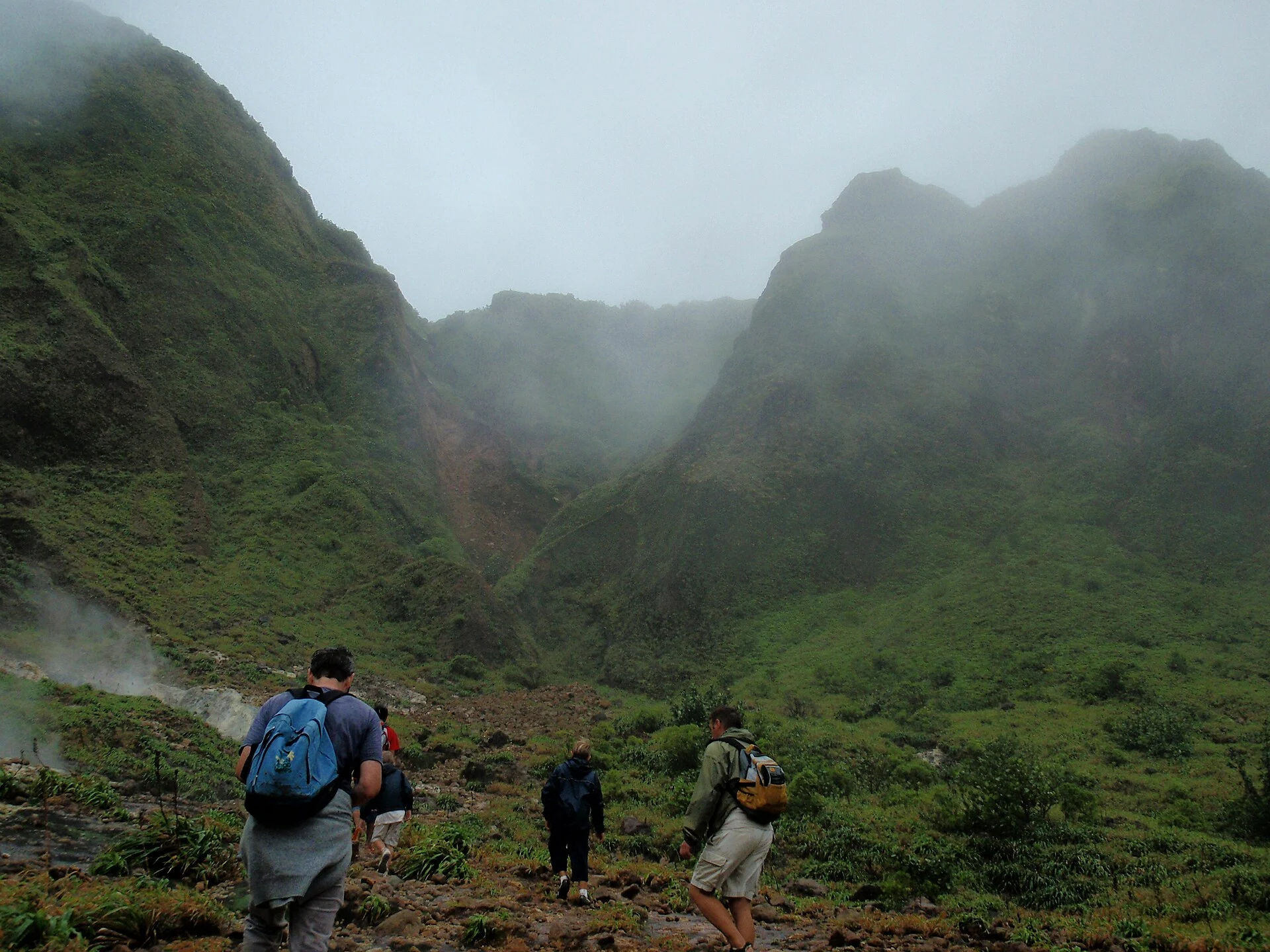
The Valley of Desolation is a geothermal landscape in Morne Trois Pitons National Park. Steam, mud and mineralized streams appear here, contrasting with the cold-water lakes and highland forest elsewhere in the park.
Explore the place →
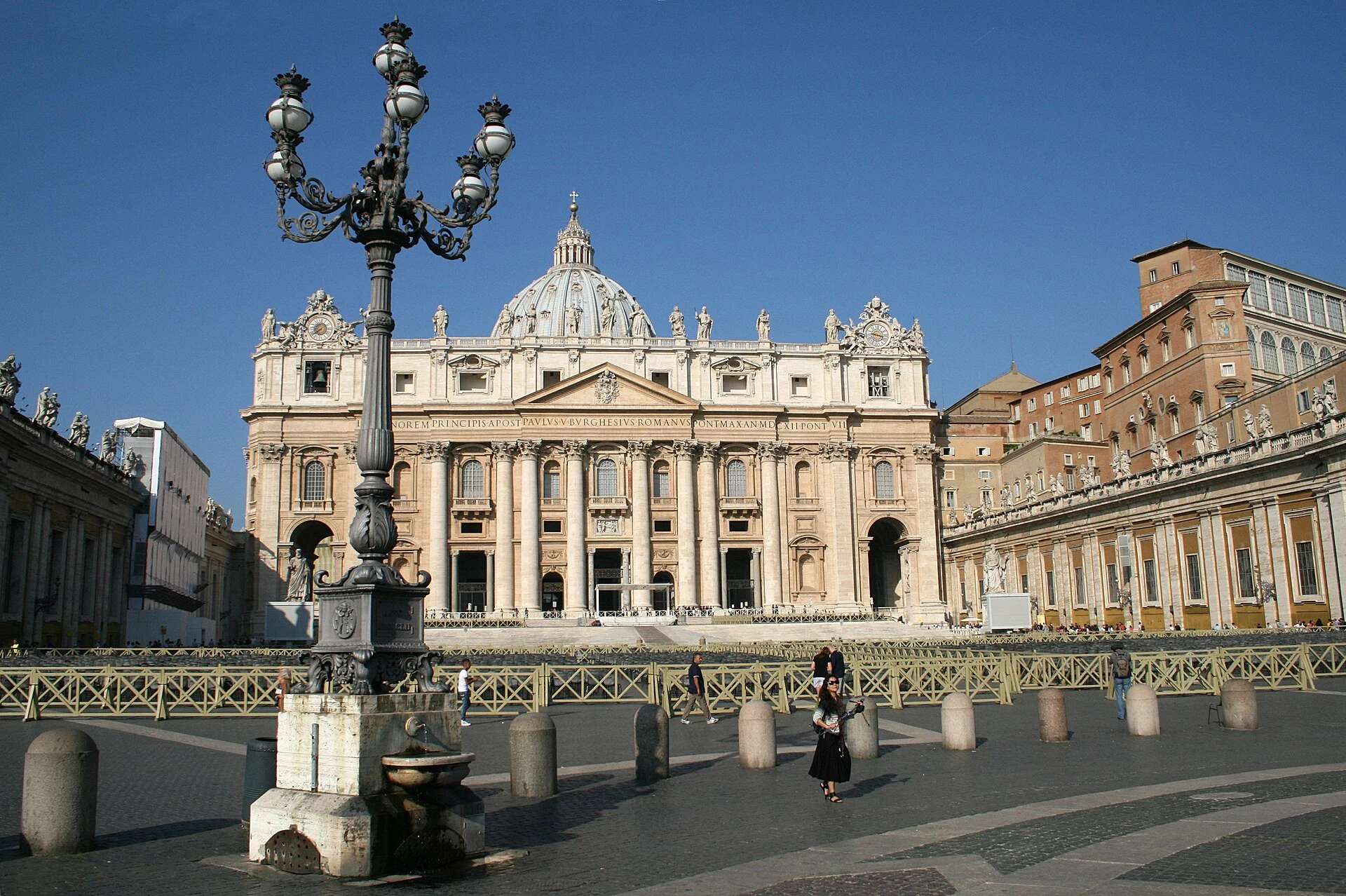
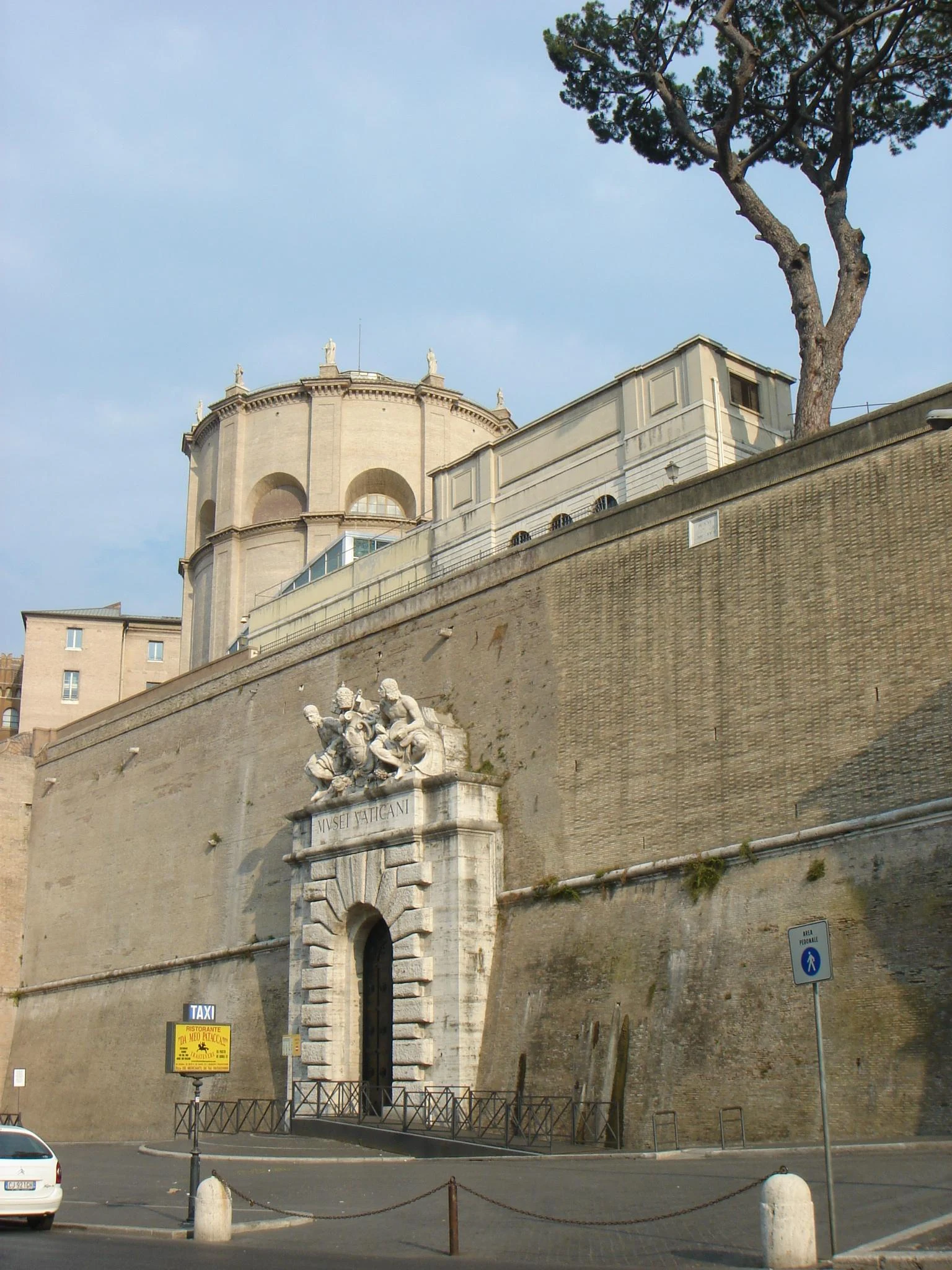
Vatican City is a landlocked state in southern Europe and its own capital. Its museums, basilica and necropolis are distinct visits, each with its own rules and timing.
Explore the place →
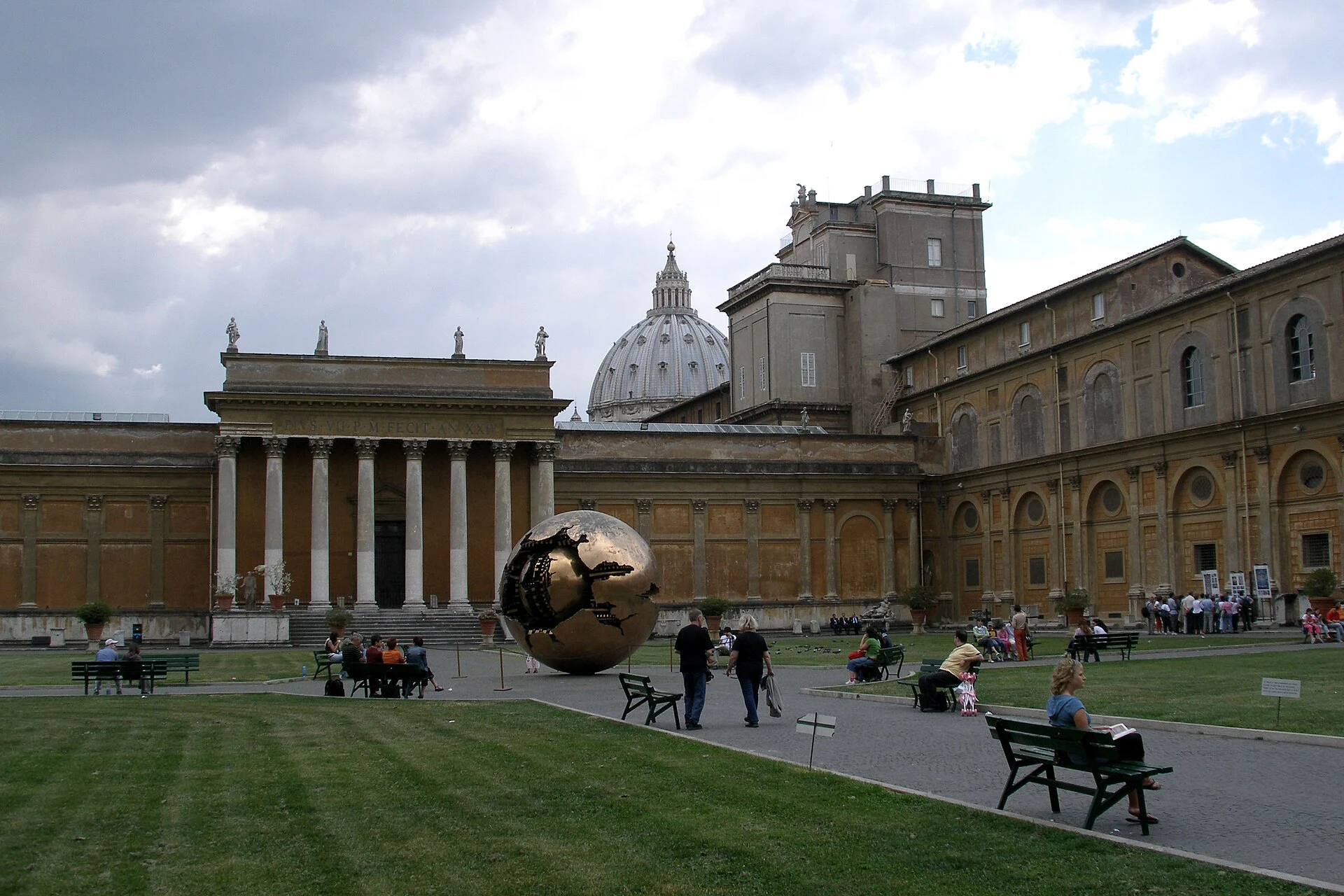
The Vatican Gardens cover approximately half the territory of Vatican City. Their landscape of fountains, walls, towers and cultivated areas is visited on a reserved, guided tour.
Explore the place →
The Vatican Museums bring together antiquities, paintings and historic rooms on a route that ends in the Sistine Chapel. Allow a substantial block of time and plan this visit separately from St Peter’s Basilica.
Explore the place →
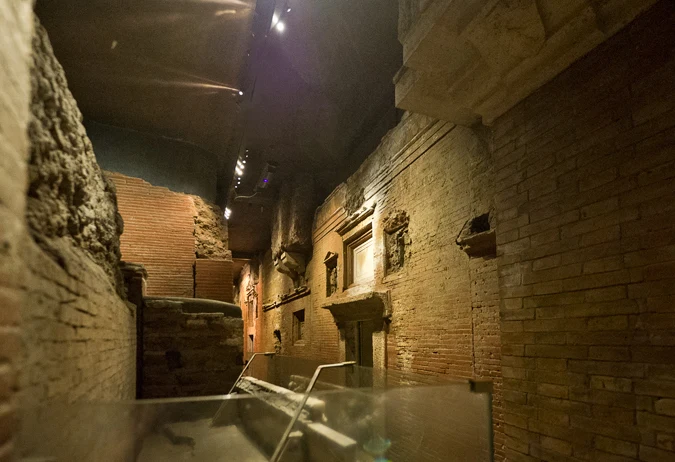
The Vatican Necropolis is an underground archaeological site with Roman tombs. Its guided route reveals historical layers beneath St Peter’s Basilica.
Explore the place →
Vegaøyan is a cultural archipelago shaped by fishing, farming and the seasonal care of eider ducks. The main island of Vega provides a base for understanding the relationship between its communities, the sea and this tradition.
Explore the place →
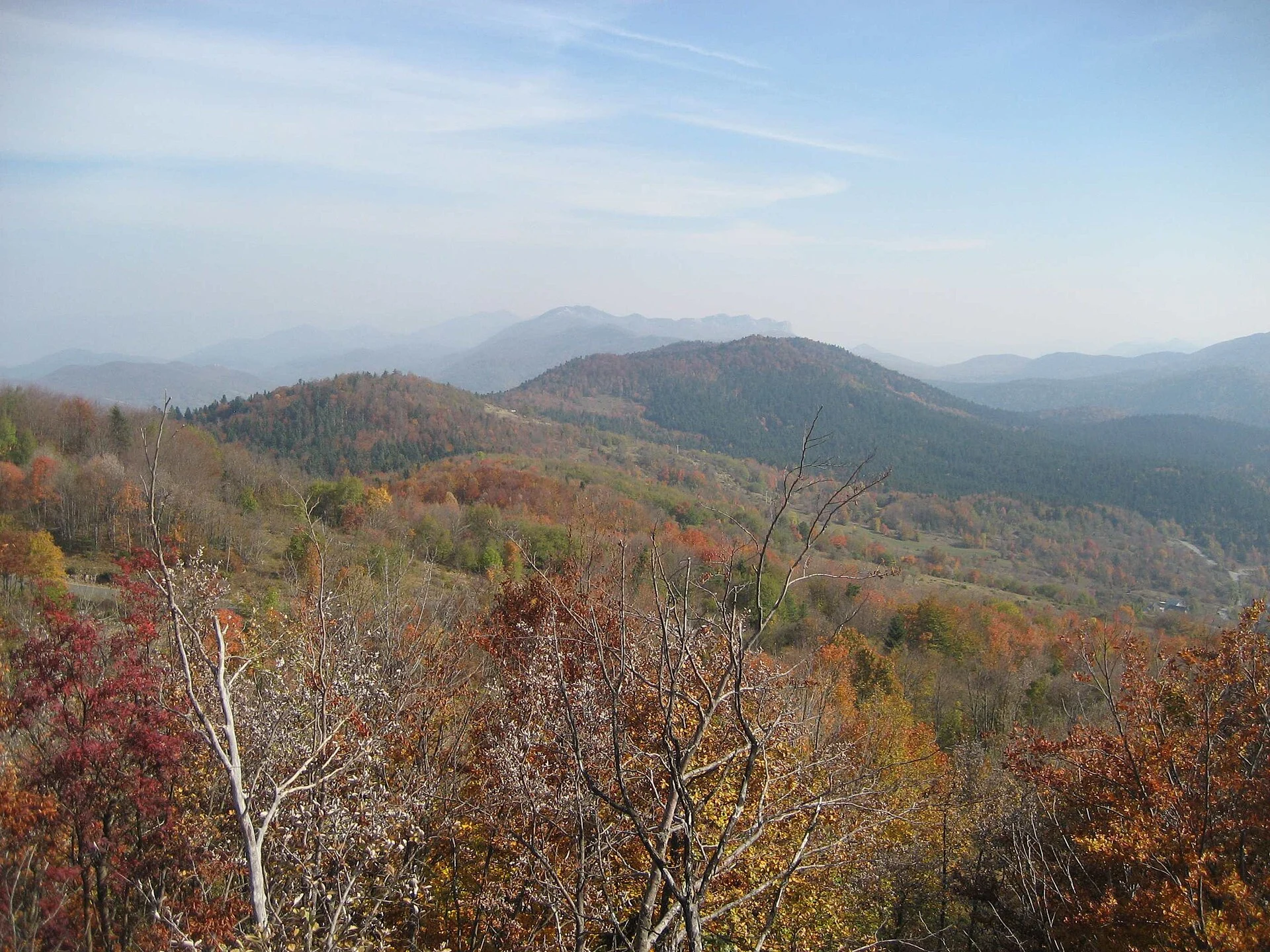
Velebit’s mountain landscape is crossed by the Premužić Trail, which runs between Zavižan and Alan over karst terrain. Despite its moderate gradients, this is a serious mountain outing: rocky ground, changeable weather and the logistics of getting back all call for planning.
Explore the place →
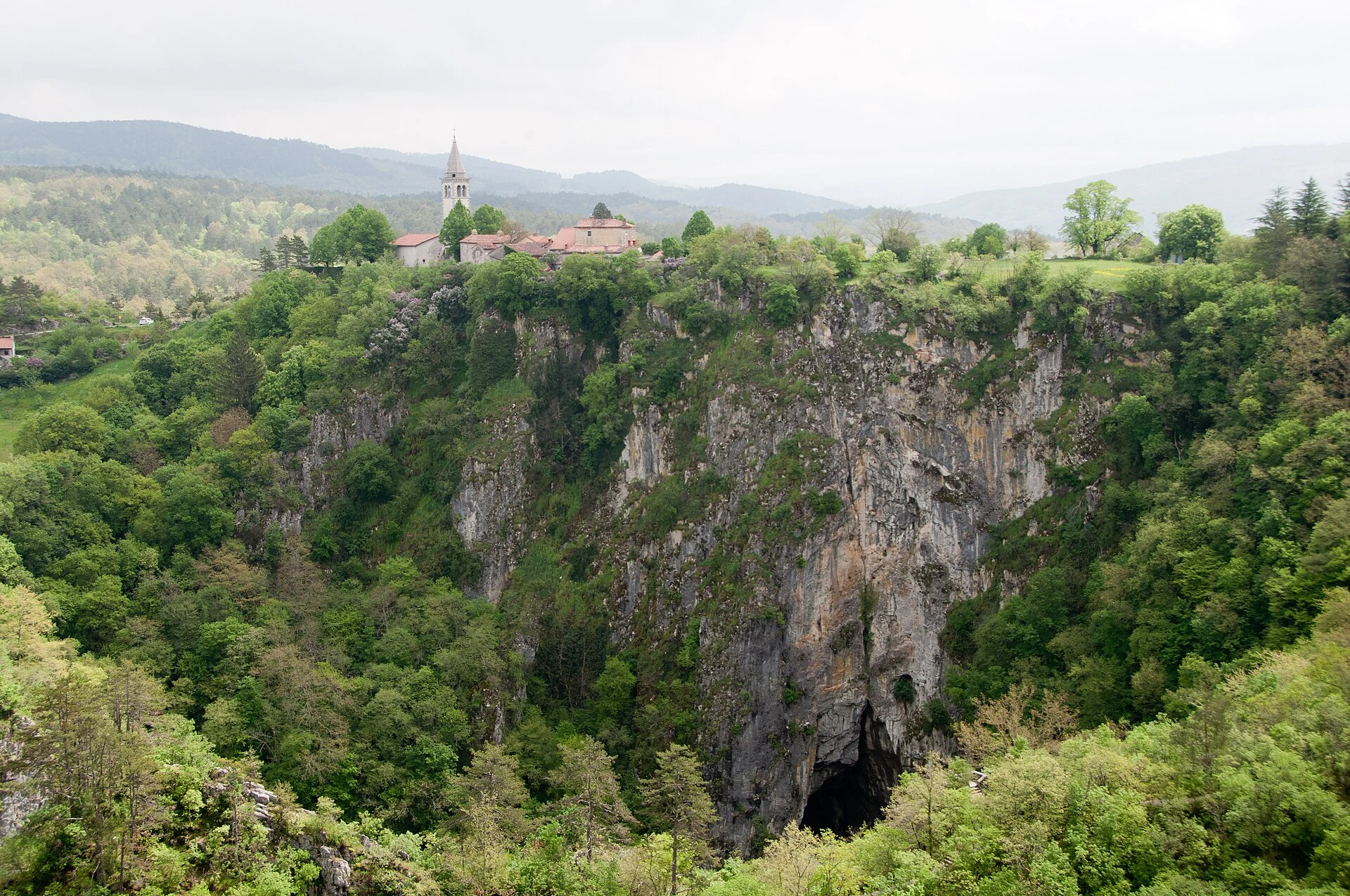
Velika Dolina is one of the dolines on the educational circular trail from the Škocjan visitor centre. The surface walk offers a way to see the karst landscape after the underground visit.
Explore the place →
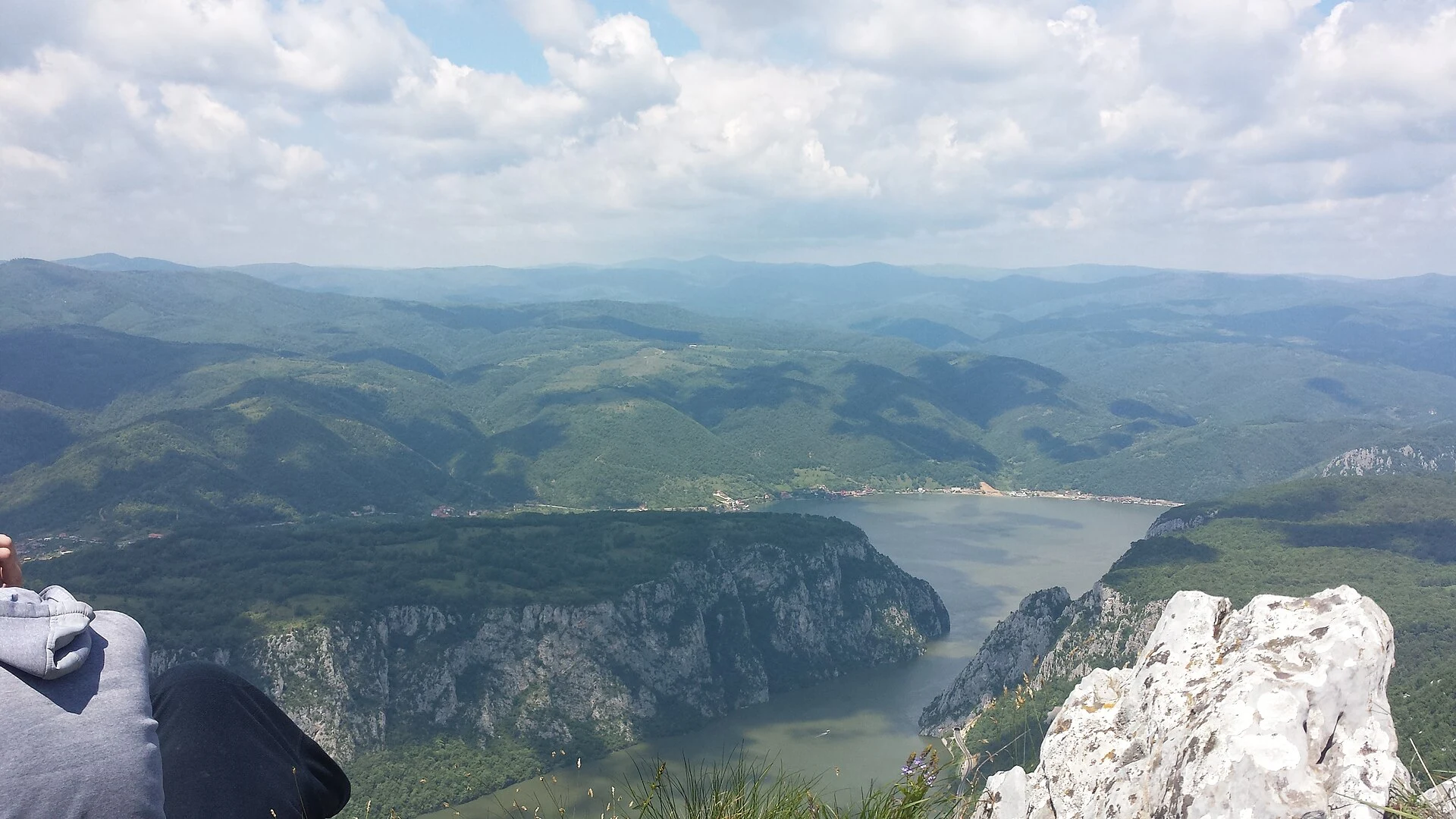
Veliki Štrbac is one of the marked routes in Đerdap National Park. Its protected status means the visit must be organized, with compulsory accompaniment.
Explore the place →