Wellington
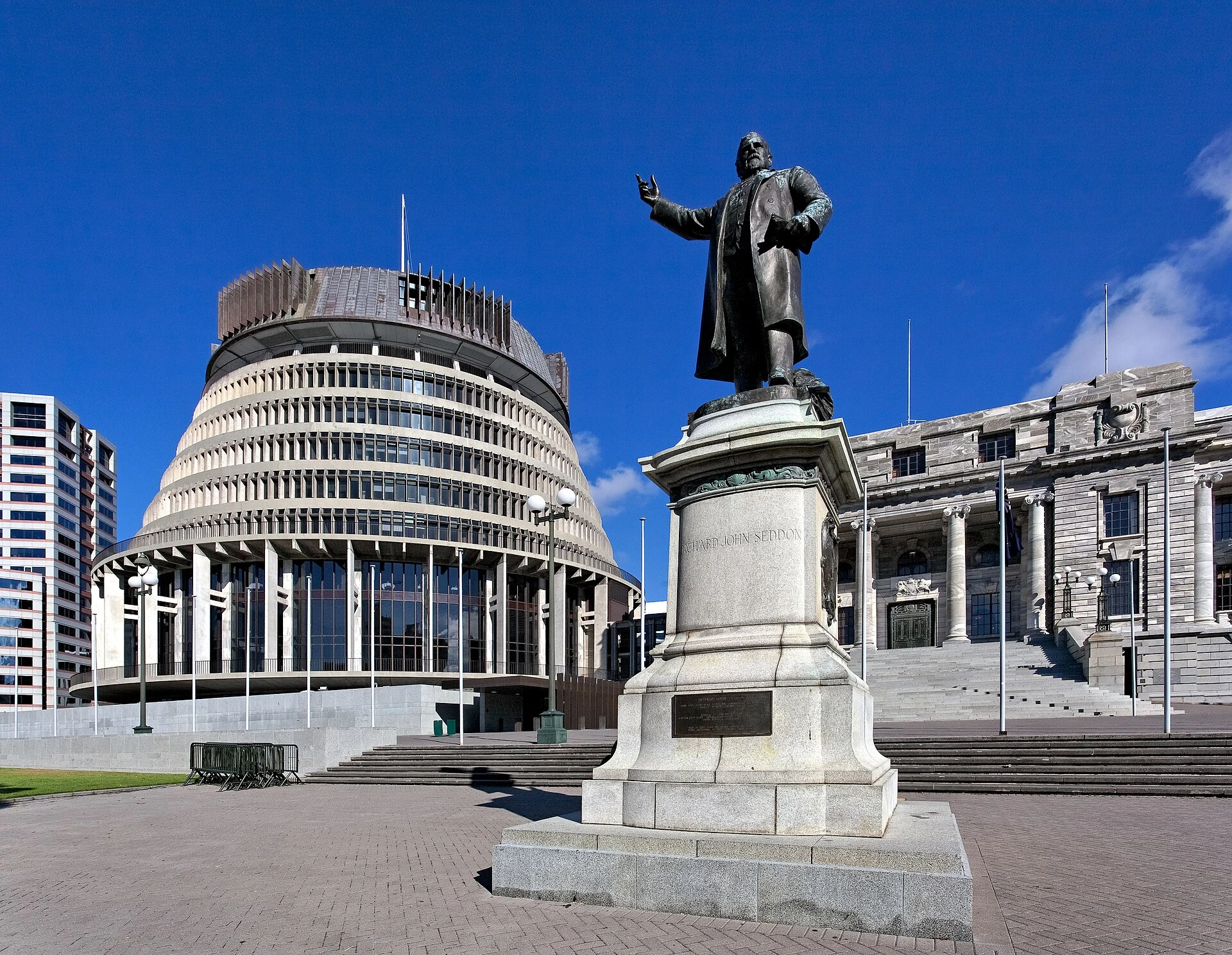
Wellington is the capital of New Zealand and is located in the region of the same name. This identifies the city, but does not describe its neighbourhoods, attractions or services.
Explore the place →Places in context: profiles connected to our guides, maps, sources and verified photographs.
Wellington is the capital of New Zealand and is located in the region of the same name. This identifies the city, but does not describe its neighbourhoods, attractions or services.
Explore the place →
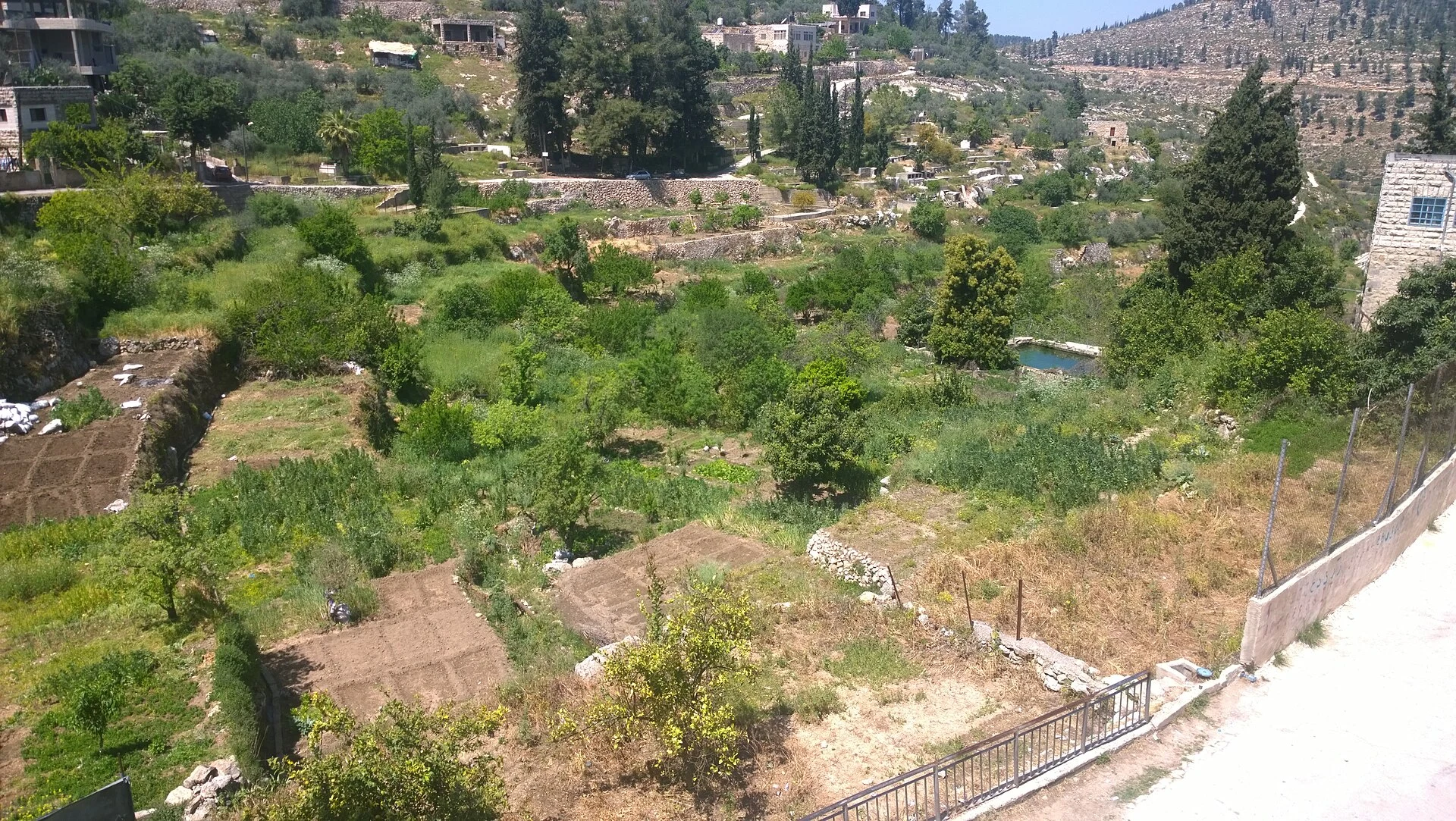
The West Bank has travel advice and movement conditions distinct from those for Israel and Gaza. The source warns of changing restrictions and recommends postponing tourist travel to Israel; it does not describe the region as part of a single, uniform itinerary.
Explore the place →
Whakahoro marks the start of the 88 km Whanganui Journey section to Pipiriki, usually completed over three days. It is the last road access before the canoe descent offers few options to change the plan.
Explore the place →
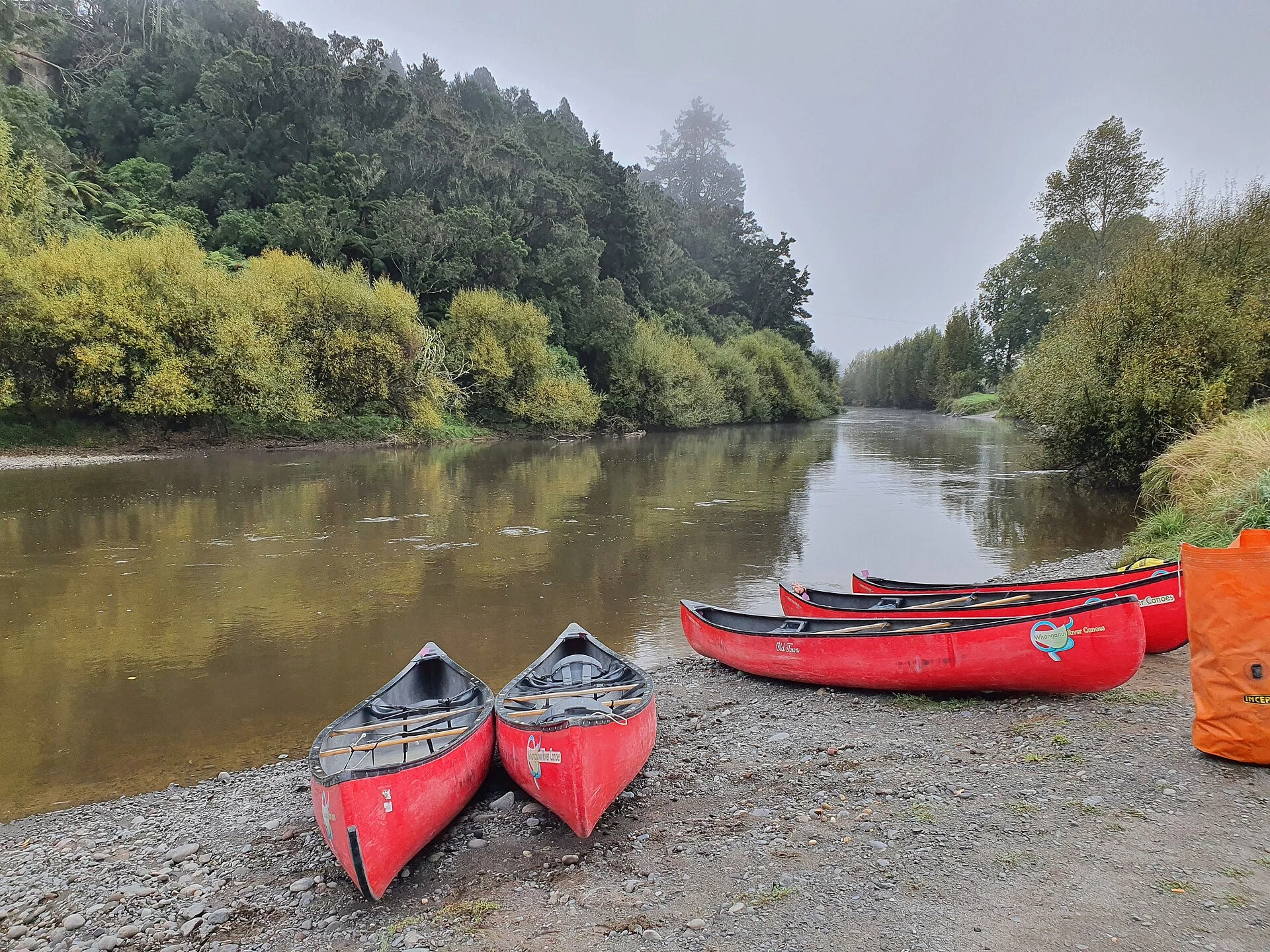
The Whanganui River is travelled on a multi-day canoe journey through gorges, rapids and remote campsites. Te Awa Tupua, the river’s name in its cultural and legal context, calls for preparation and respect.
Explore the place →
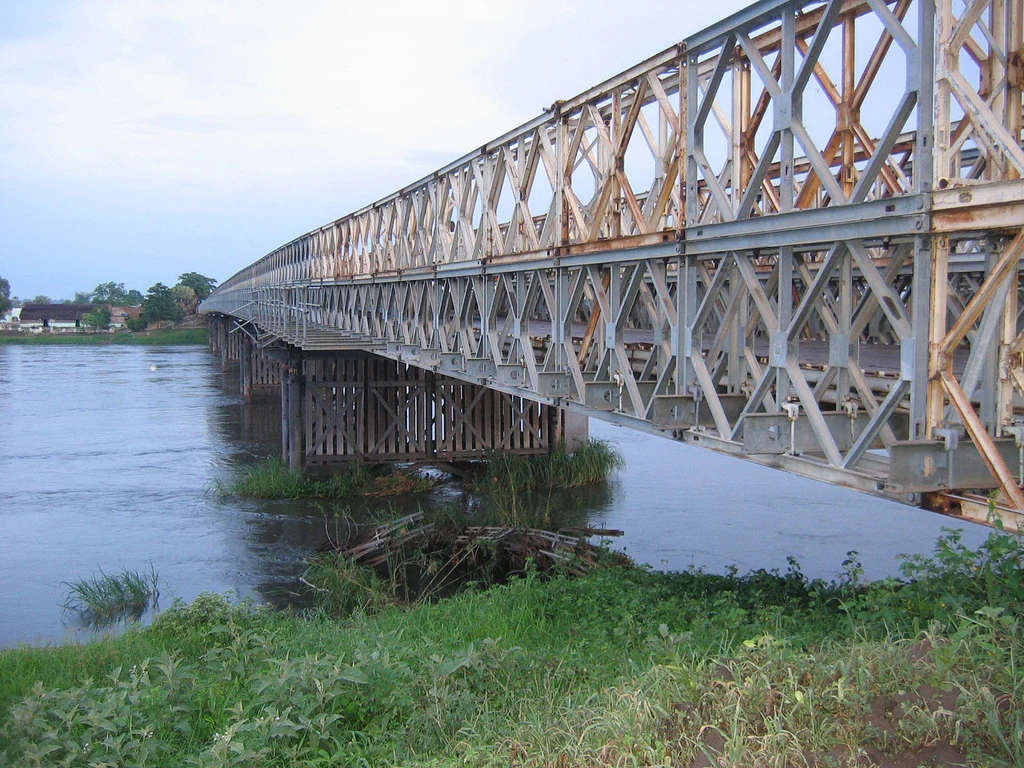
The available material mentions the White Nile only when placing Juba beside the river. It provides no specific information about this stretch or visits to its banks, so activities and access conditions cannot be described.
Explore the place →
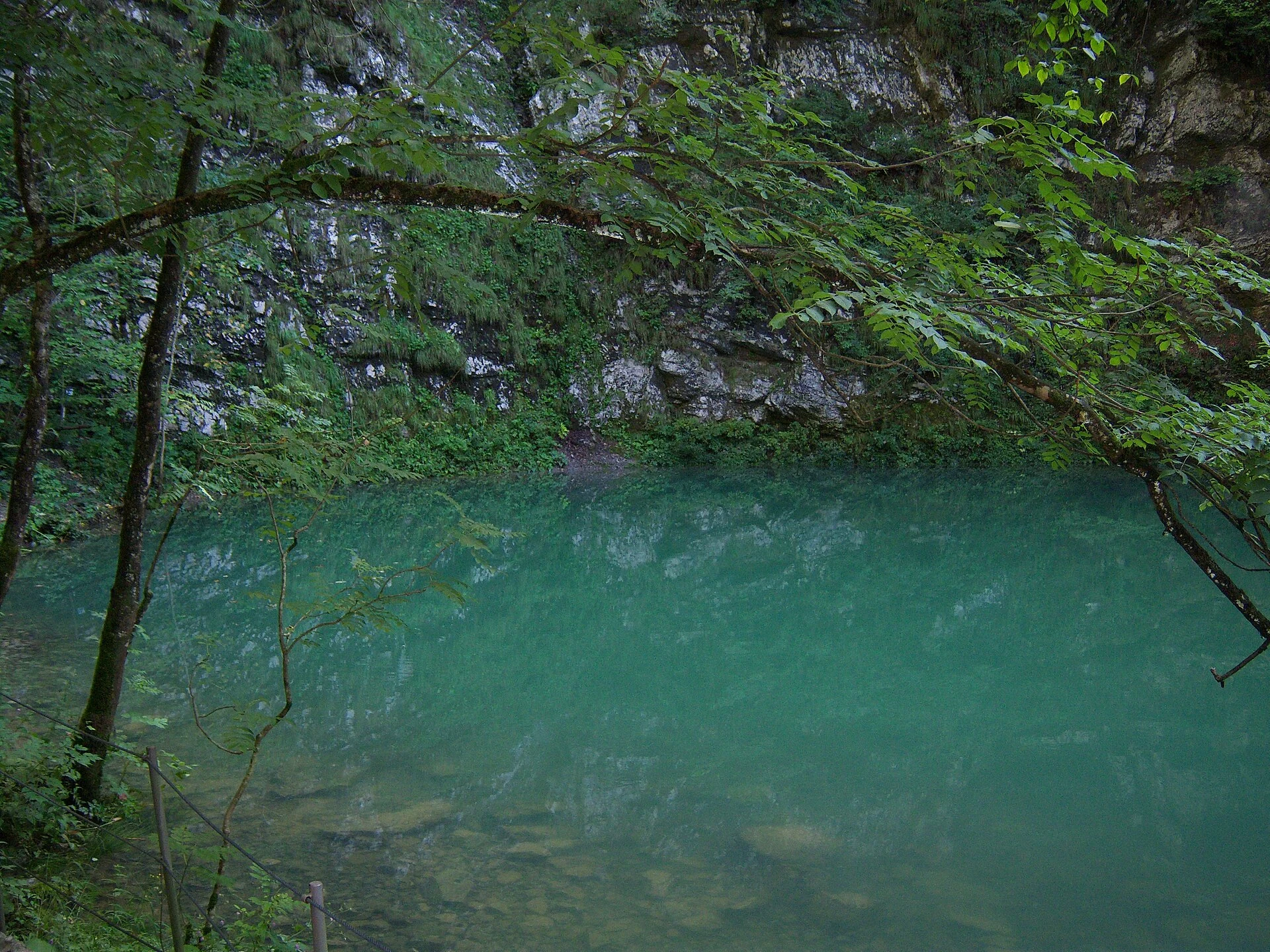
Divje jezero, also called Wild Lake, is a protected karst spring reached from the Rake Canal route in Idrija. The article advises viewing it from marked paths and respecting the site’s restrictions.
Explore the place →
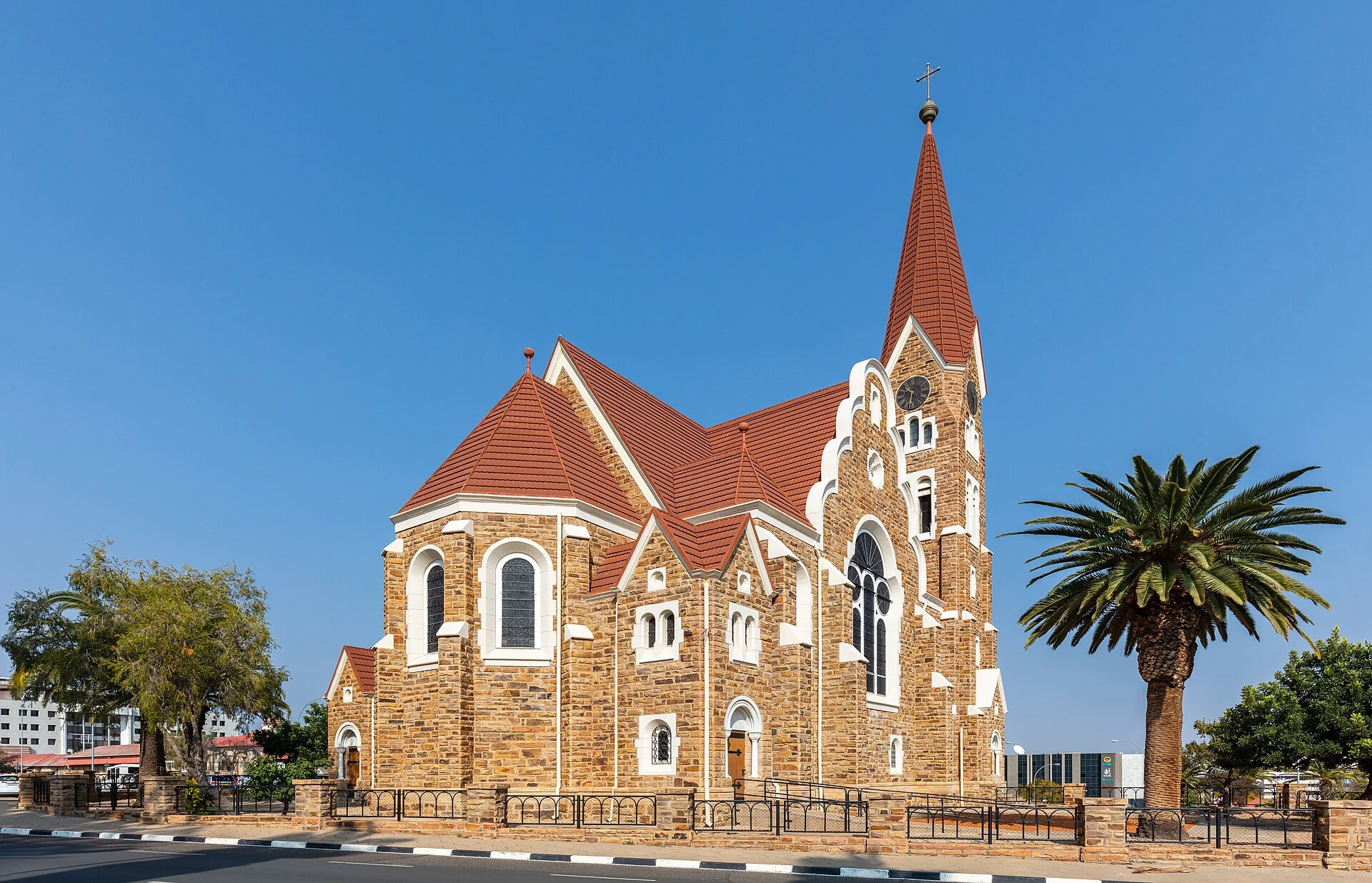
Windhoek is Namibia’s capital, in the Khomas Region. Available information presents it as a point of reference for locating the country, but does not describe current services or visiting conditions.
Explore the place →
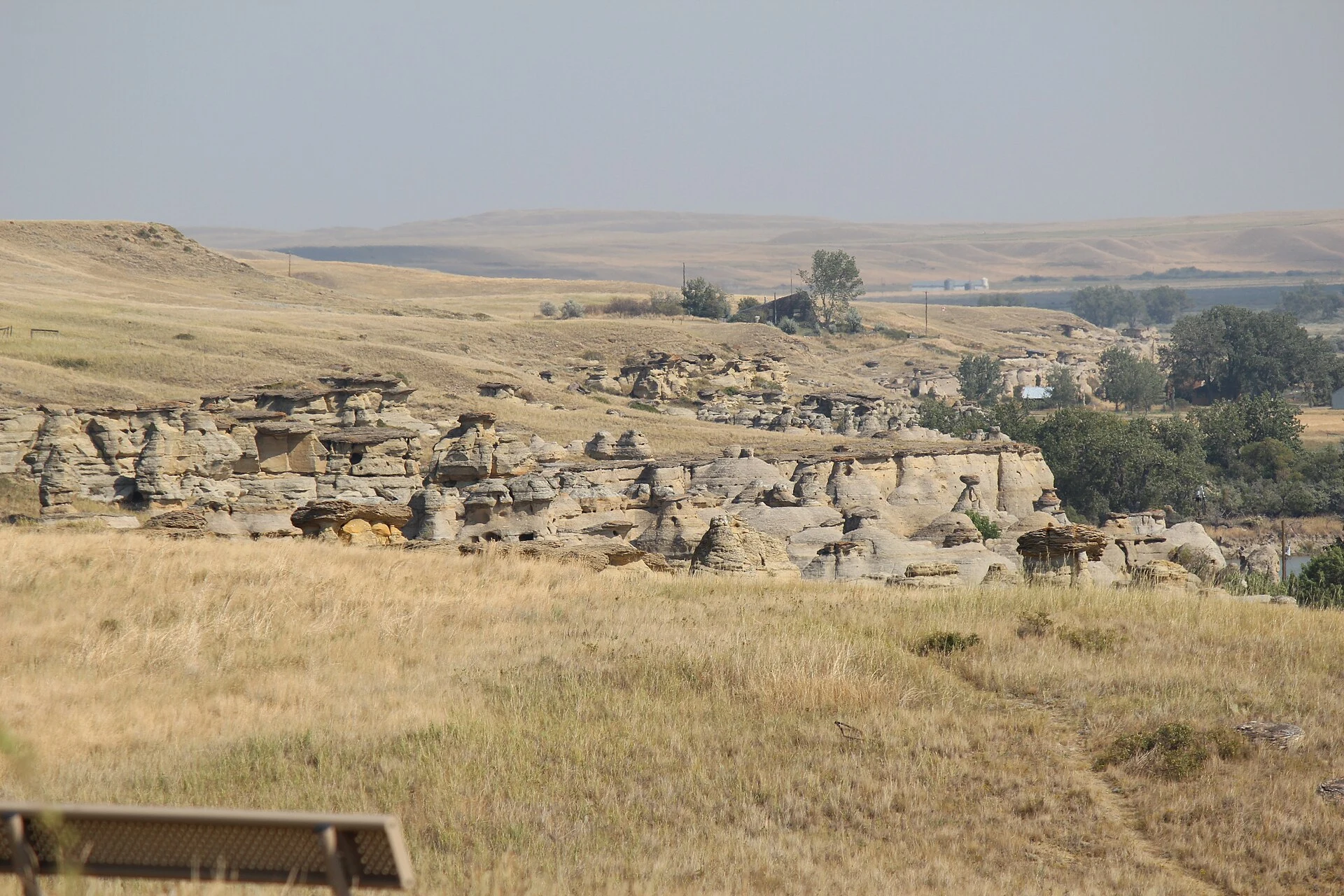
Áísínai’pi, also known as Writing-on-Stone Provincial Park, brings together sandstone rock art, hoodoos, prairie and the Milk River valley. It is a sacred cultural landscape for the Niitsítapi.
Explore the place →
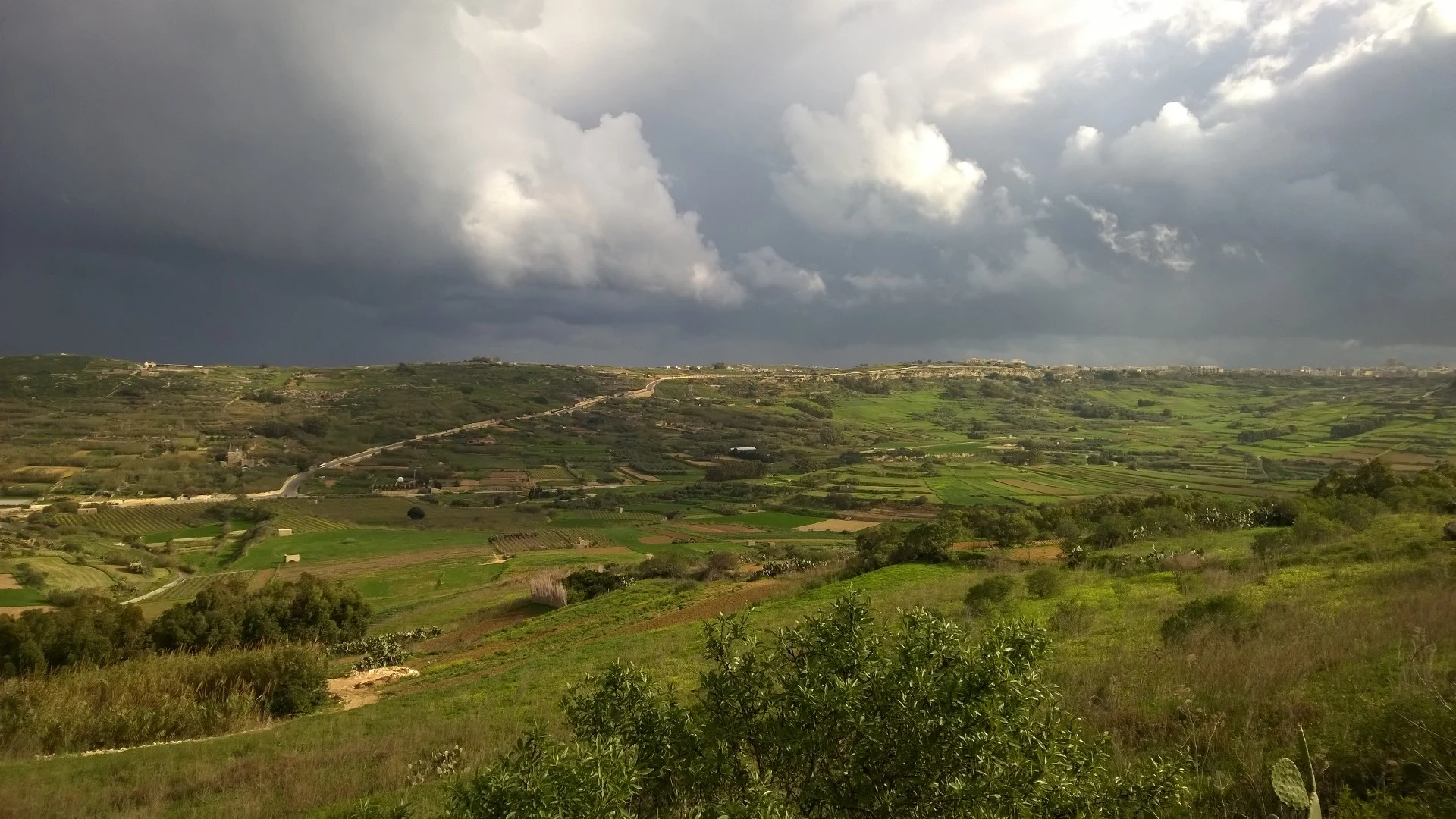
Xagħra, on Gozo, is home to Ġgantija, a megalithic site with an interpretation centre and an outdoor route. Allow time for the visit and check sea transport before planning your day.
Explore the place →
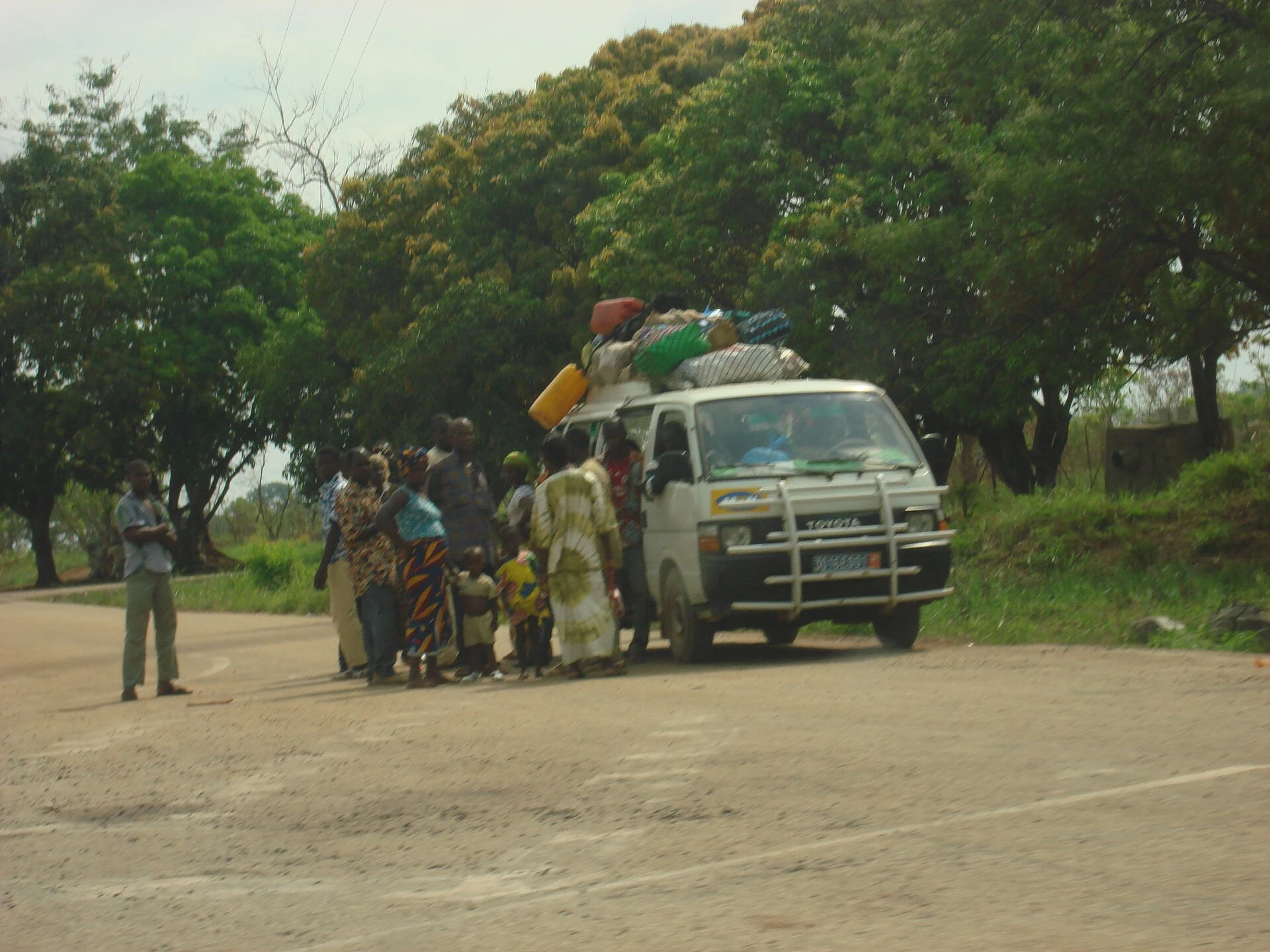
Yamoussoukro, the administrative capital of Côte d’Ivoire, is shaped by its monumental basilica, broad avenues and the political legacy of Félix Houphouët-Boigny. Its distances and scattered landmarks reward a visit planned at an unhurried pace.
Explore the place →
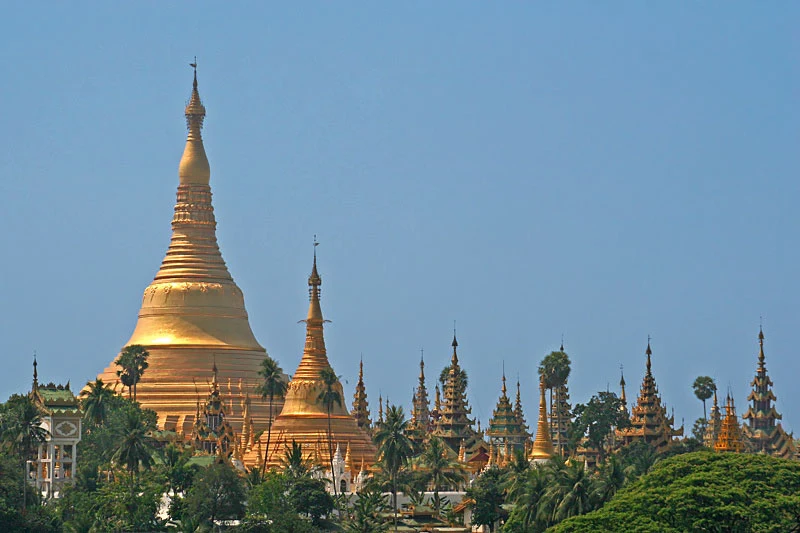
Yangon is one of the cities named in an article advising tourists to postpone travel to Myanmar. Security conditions and movement restrictions may change, so the city is not presented as a standalone alternative.
Explore the place →
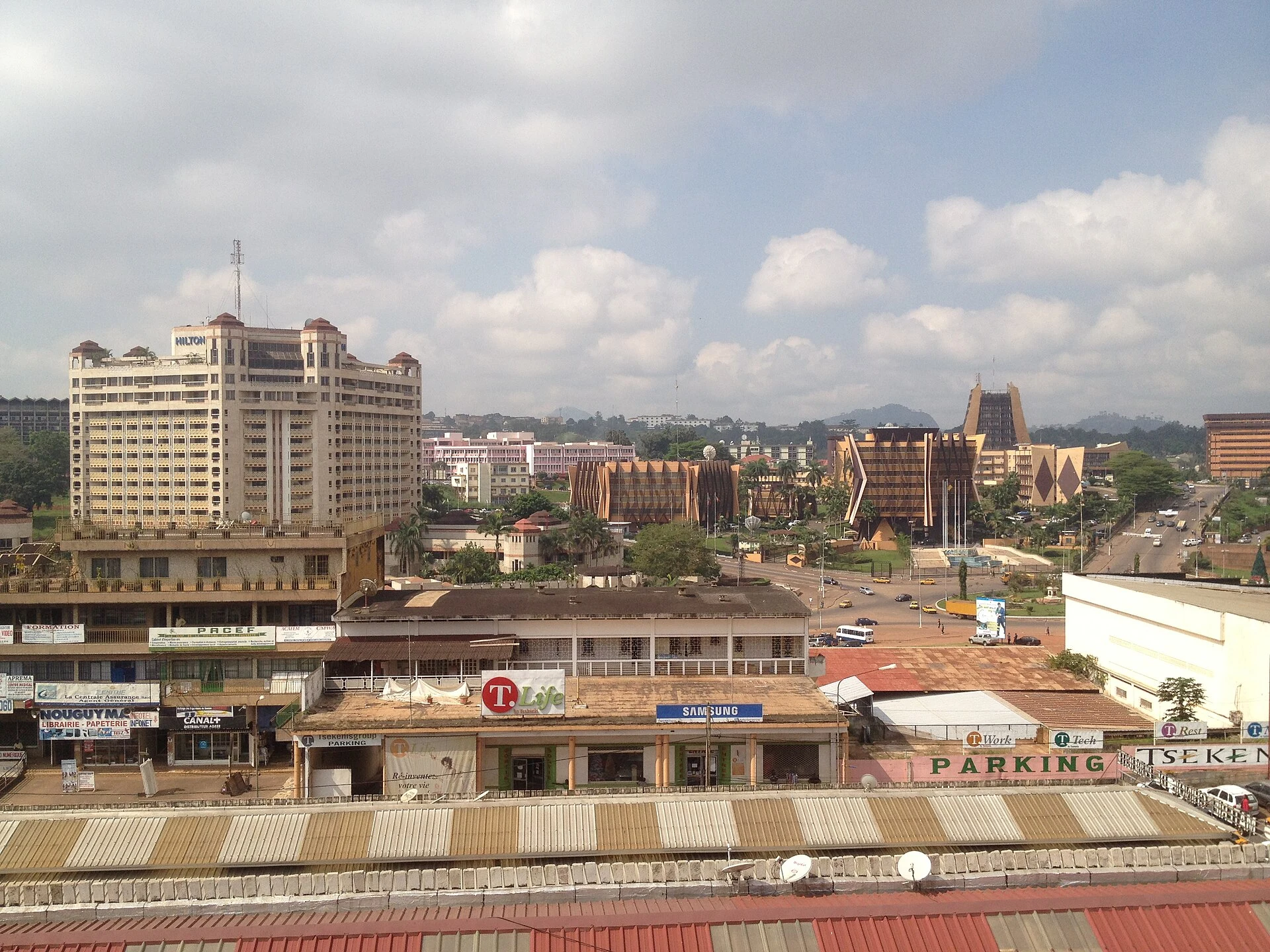
Yaoundé is Cameroon’s capital, located in the Centre Region. Available information establishes it as a geographic reference but does not describe local attractions or confirm current services and connections.
Explore the place →
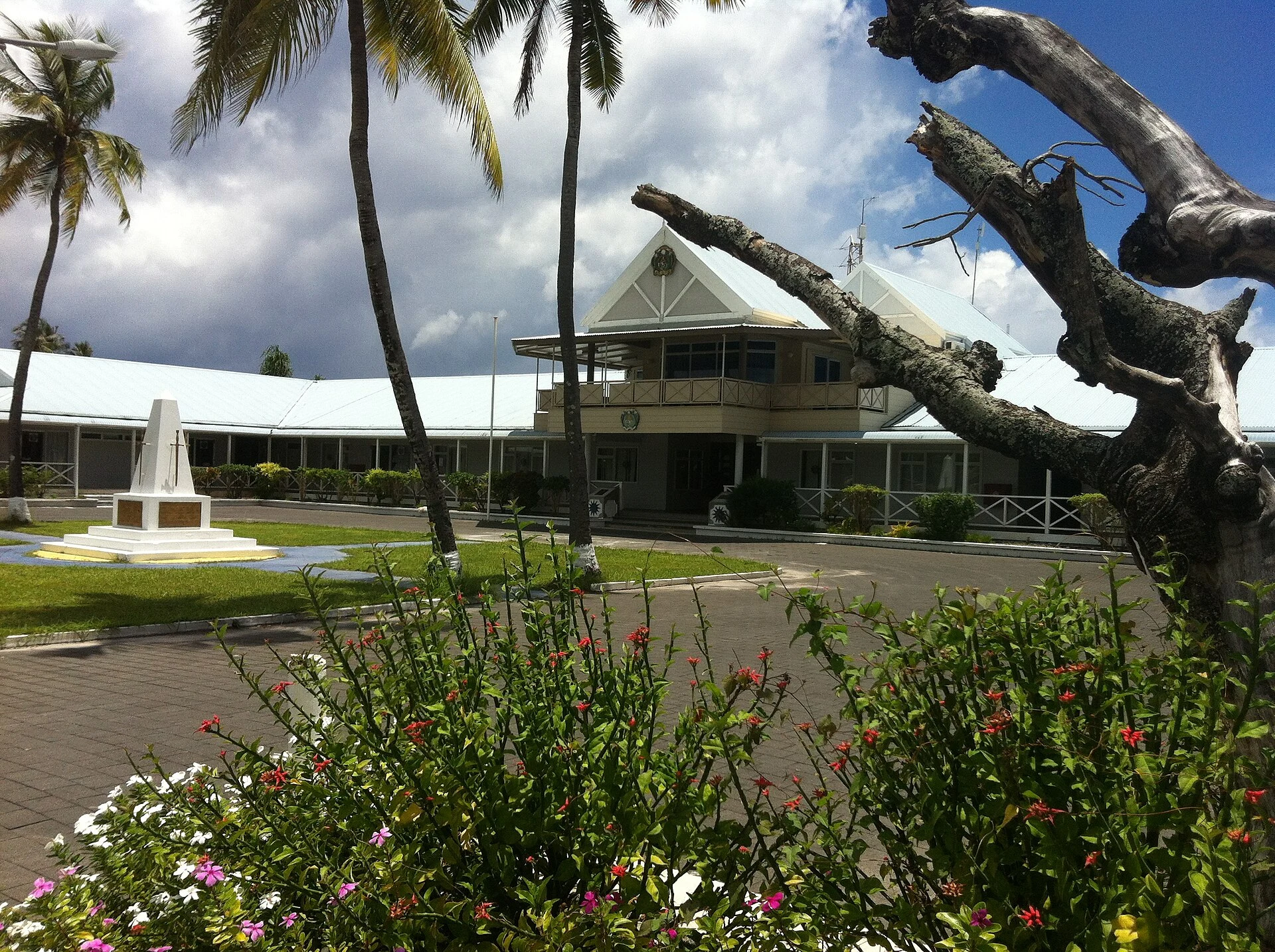
Yaren is the capital of Nauru and also the name of one of the country’s districts. Available information identifies it as an administrative reference but does not describe visitor services or connections.
Explore the place →
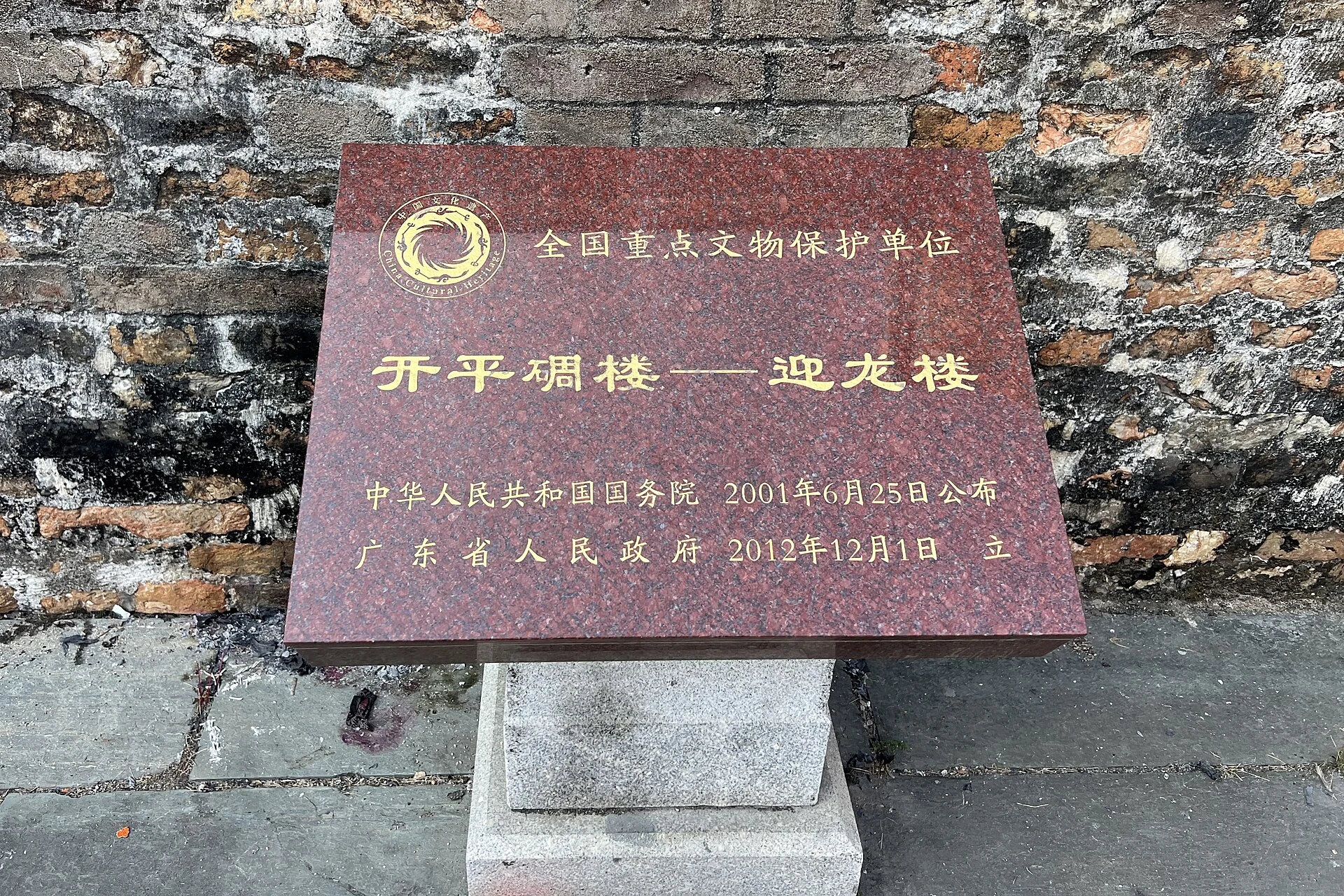
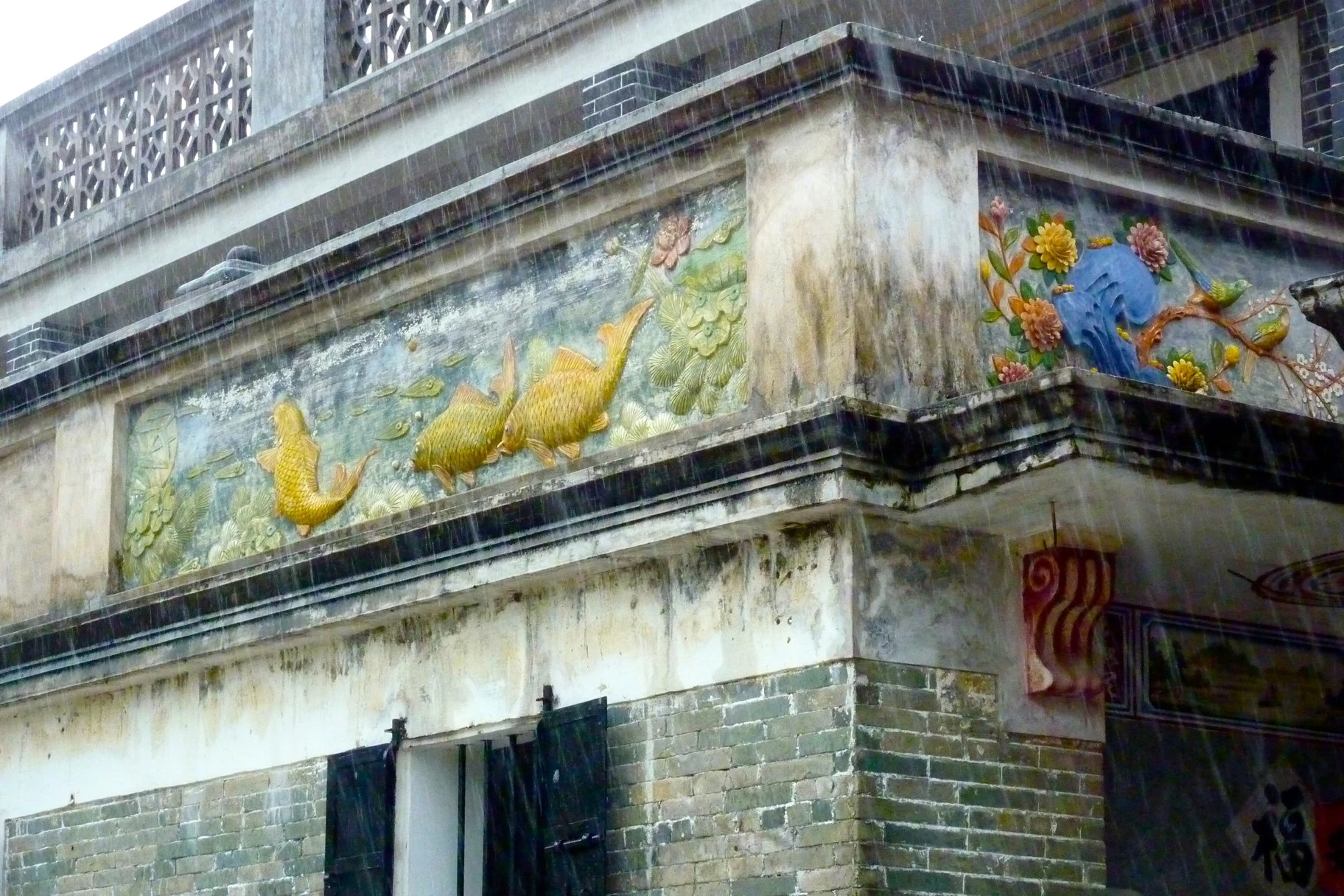
Yinglong Lou in Sanmenli is a restrained defensive diaolou, described by the municipal administration as Kaiping’s oldest surviving example, more than four centuries old.
Explore the place →
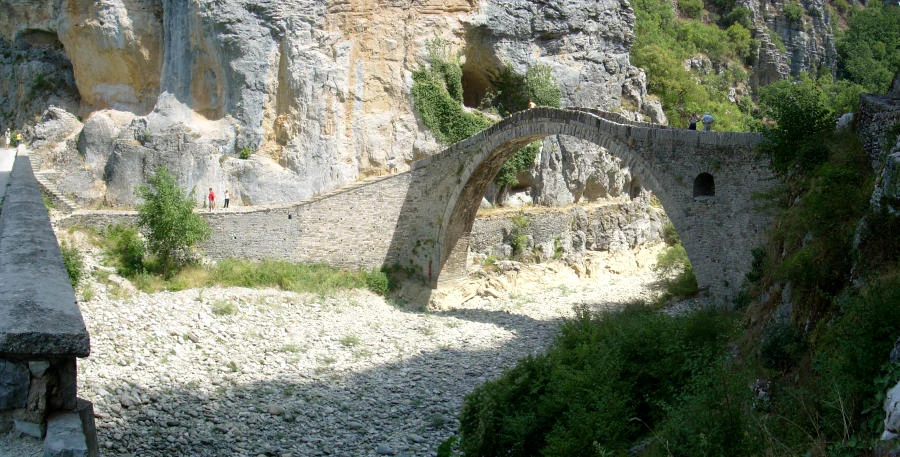
Zagori is a mountain landscape linked by traditional villages, stone paths and steps, arched bridges and forests. Its heritage is best experienced on foot, connecting village architecture with the surrounding natural landscape.
Explore the place →
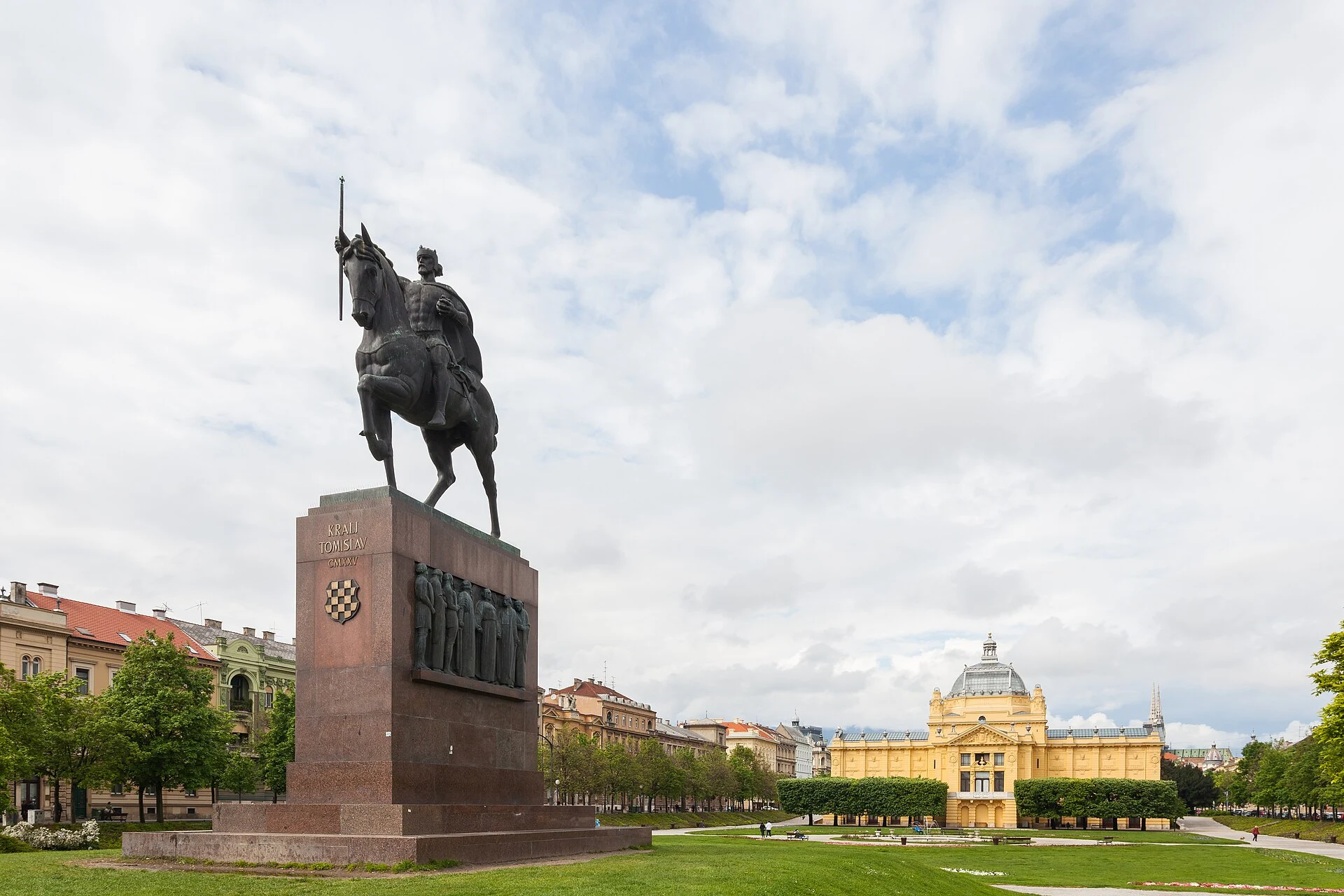
Zagreb is Croatia’s capital and a reference point for locating the country. The available information provides basic context—Croatian as the recorded language and the euro as currency—but does not describe attractions or visiting conditions.
Explore the place →
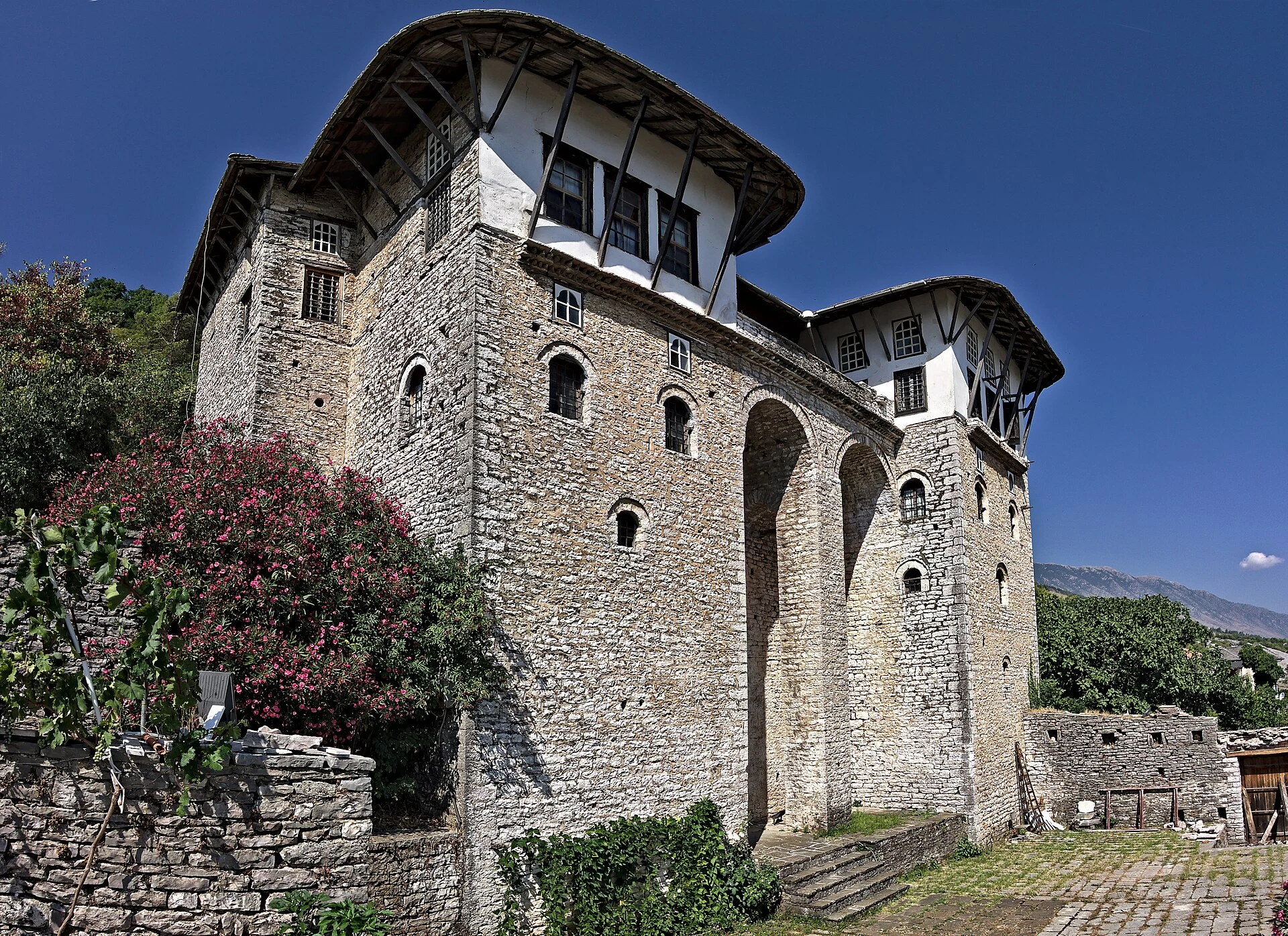
Zekate House offers a view of the exterior scale of a kullë, a Balkan tower house built in the early 19th century for the Zeko family. Its stone walls and arrangement of levels show domestic, defensive and reception functions.
Explore the place →
Zilicun, also called Zili, is a village where diaolou towers stand among rice fields, ponds and homes. The setting reveals the links between architecture, defence and the productive landscape.
Explore the place →