Bissau Velho, the Bandim Market, and the Political Memory of the Capital
The capital combines a historic colonial center, sites linked to independence, and a central market. This urban guide offers practical context, but you must verify current schedules and transport options before departing.
A port city as a starting point
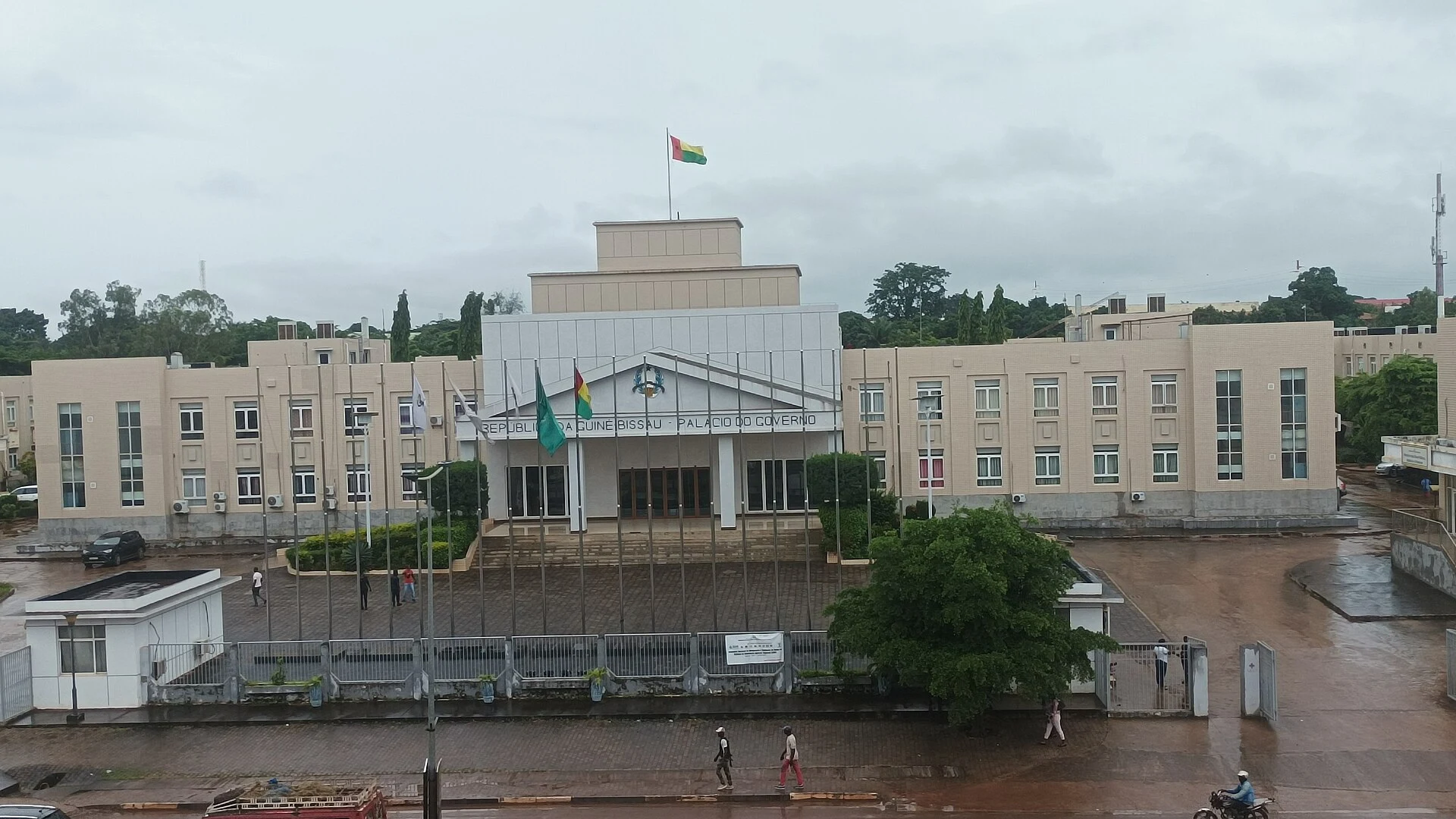
Bissau is the capital and the largest city in Guinea-Bissau. Its location along the Gêba channel has favored its port function. For the traveler, this reference helps situate the city, but it is not enough to deduce current connections or transfer times: flights and local transport must be checked with their operators before the trip.
Old town and political memory
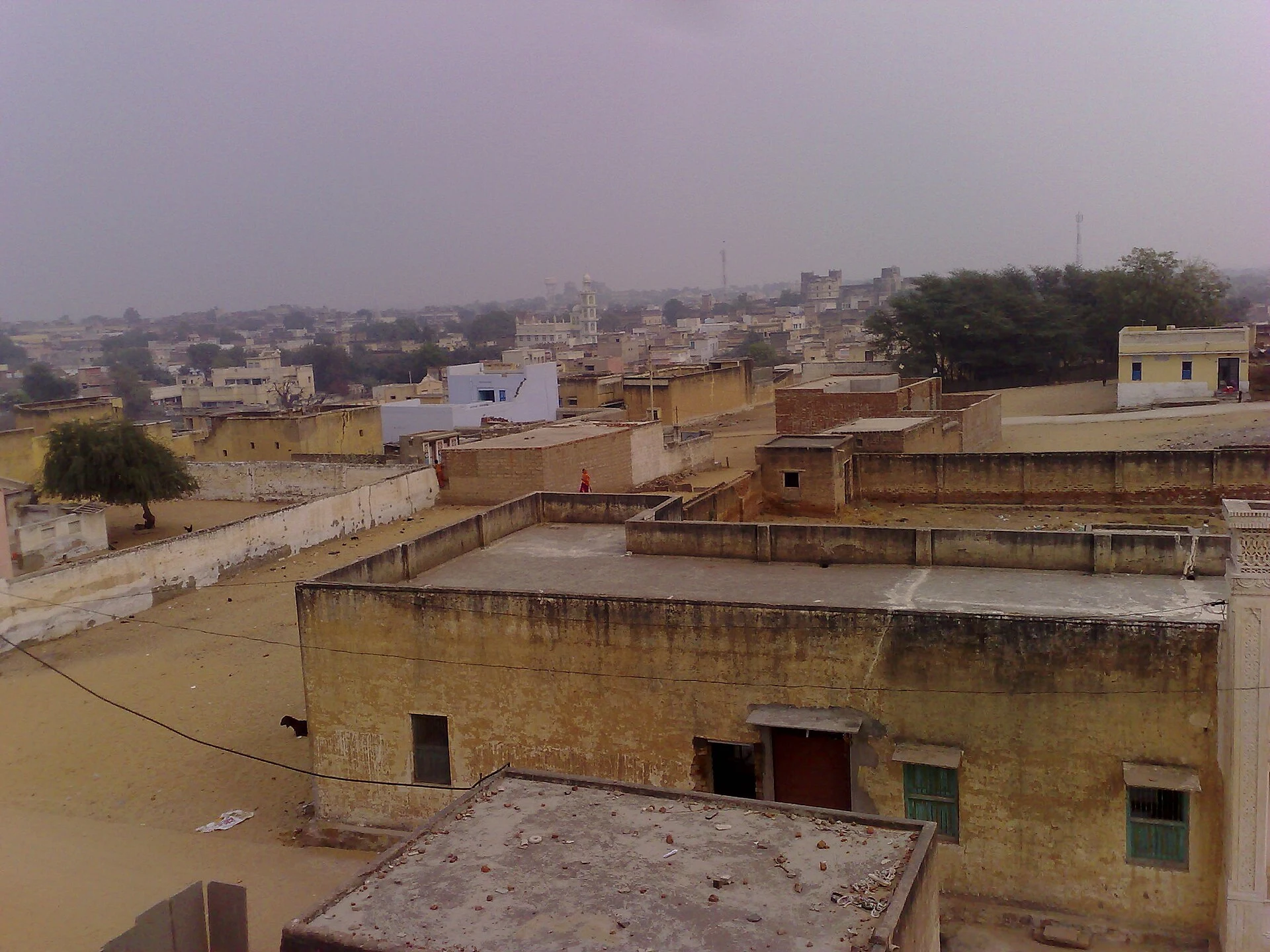
Bissau Velho, the former Portuguese colonial center, preserves buildings from that era where some businesses still operate. The city also features the Independence Monument, dedicated to the unilateral declaration of independence from Portugal in 1973, and the former presidential palace, damaged during the civil war and reconstructed in 2013. These are distinct references: the old town speaks to the inherited urban form; the monument and palace refer to political episodes. The colonial past and the post-independence history deserve to be read together, without reducing the city to a single stage.
Market, museum, and cultural life
The Bandim Market is listed as Bissau's main market; it can be a reference for observing commercial activity, not a promise of a quiet visit or constant product availability. The National Ethnographic Museum, located on the university campus, is described as having a small collection of masks, wooden figures, baskets, and textiles, along with explanations of their uses and associated beliefs. Published information indicates morning opening hours, but it is advisable to confirm the schedule and access directly before traveling. The Francophone and Portuguese cultural centers appear as spaces with concerts, cinema, and other activities; the program also requires prior verification.
Languages for preparing communication
Portuguese and Guinea-Bissau Creole are useful linguistic references for preparing the visit; the country profile identifies both. Available information describes the Creole as a language based on Portuguese and African languages, with variations in its writing due to the lack of an official orthography. Learning a few expressions can be a respectful way to approach daily communication, but it does not assume that all people speak the same languages. For any practical conversation, confirm the details with the person providing the service.
What to check before moving around
Available references describe taxis and minibuses with fixed routes, but include fares and notes from a guide that may have become outdated. It is not advisable to use them as a budget or service guarantee: ask about the route and cost before getting in, and confirm which options currently work. There are also mentions of access difficulties to the São José da Amura fort; verify if it is open and under what conditions before including it. If the plan depends on schedules, transport, or tickets, seek direct and recent confirmation.
Sources and references
Hide references
14 references
References consulted during editorial review. Times, requirements and advisories may change: always confirm with the official source.
-
BissauLicence: CC BY-SA 4.0 Wikivoyage contributors · Bissau
-
Guinea-Bissau Creole phrasebookLicence: CC BY-SA 4.0 Wikivoyage contributors · Guinea-Bissau Creole phrasebook
-
GuineaLicence: CC BY-SA 4.0 Wikivoyage contributors · Guinea
-
Guinea-BissauLicence: CC BY-SA 4.0 Wikivoyage contributors · Guinea-Bissau
-
Guinea-Bisáu - WikiviajesLicence: CC BY-SA 4.0 Wikivoyage contributors · Guinea-Bisáu - Wikiviajes
-
Guinea - WikiviajesLicence: CC BY-SA 4.0 Wikivoyage contributors · Guinea - Wikiviajes
-
Senegal - WikiviajesLicence: CC BY-SA 4.0 Wikivoyage contributors · Senegal - Wikiviajes
-
Bisáu - WikiviajesLicence: CC BY-SA 4.0 Wikivoyage contributors · Bisáu - Wikiviajes
-
Guinea-BisáuLicence: CC0 1.0 Wikidata · Q1007
-
Guinea-BissauLicence: ODbL 1.0 World countries dataset by mledoze and contributors · ODbL 1.0
-
BissauLicence: Datos geográficos bajo CC BY 4.0; requiere atribución a GeoNames. Fuente: GeoNames
-
BissauLicence: Datos geográficos bajo CC BY 4.0; requiere atribución a GeoNames. Fuente: GeoNames