Bolivia by region: choosing between the Altiplano, valleys and lowlands
The Altiplano, Sub-Andean valleys and tropical lowlands offer different kinds of journeys. Comparing elevation, landscapes and urban reference points helps you decide what to explore and what to check before setting off.
Conditions described in the guide: confirm current requirements and access with the official source before travelling.
Three regions to help you read the map
The Altiplano includes the departments of La Paz, Oruro and Potosí; the Sub-Andean region comprises Cochabamba, Chuquisaca and Tarija; and the tropical lowlands include Santa Cruz, Beni and Pando. This division helps compare territories, but it does not mean that every place in a region offers the same experience.
Bolivia has no coastline. For travel planning, the useful contrast is between the Andean highlands, the valleys and the lowlands. Choosing one of these broad settings can be your first filter before you add specific destinations.
The Altiplano: elevation, plateau and varied visits
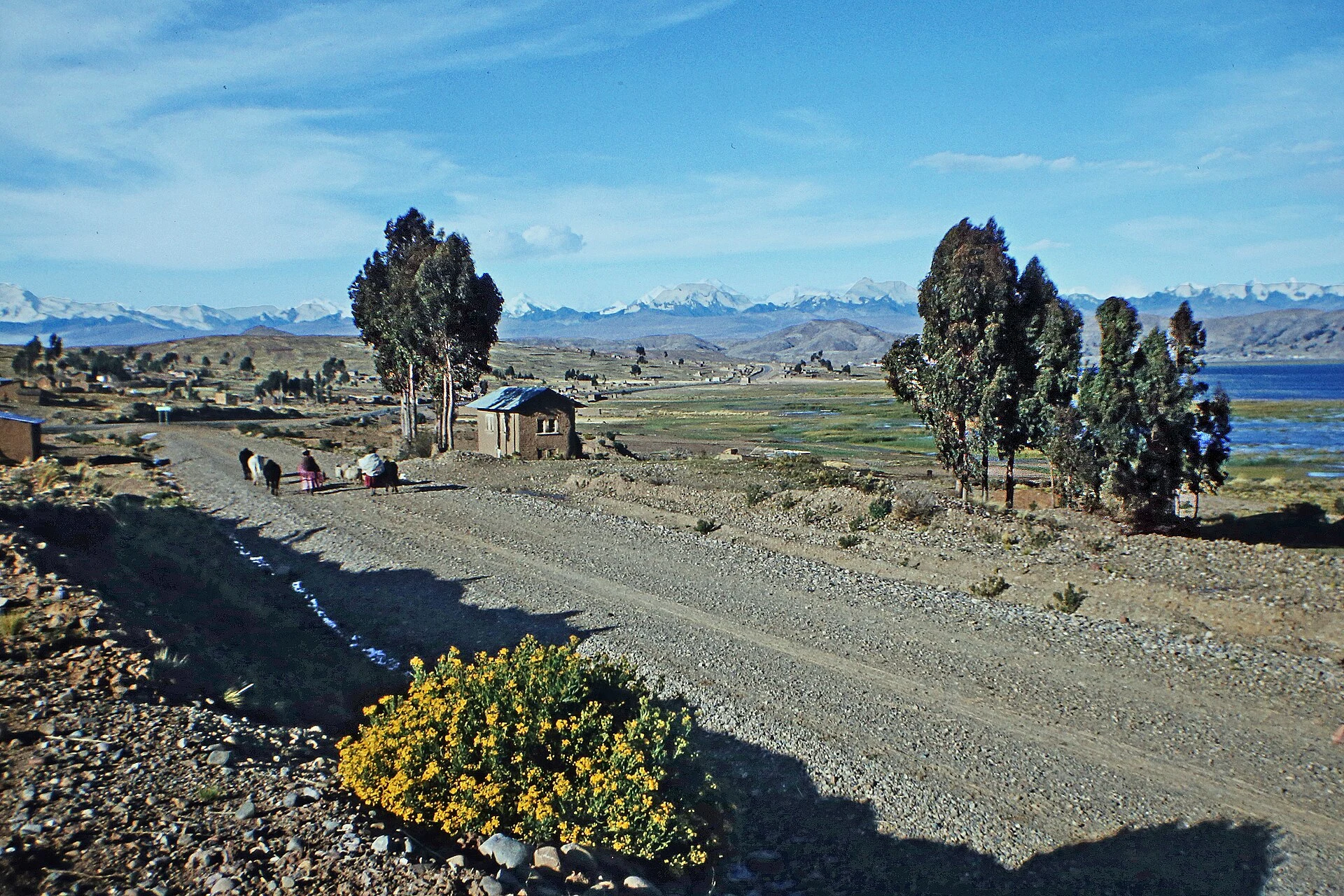
The Bolivian Altiplano lies above roughly 3,500 metres and encompasses steppe plateaus, mountain ranges, gorges and volcanoes. Lake Titicaca, the Salar de Uyuni and Tiwanaku are distinct landmarks within this geography: a lake, a salt flat and an archaeological site, respectively.
Factor in elevation from the start. Hiking trails in Sajama National Park are described as demanding, while Huayna Potosí is a mountain-trekking destination. If these activities are part of your trip, check current local conditions and tailor your plans to the specific demands involved; not every visitor needs to make altitude a strenuous day out.
Valleys and lowlands: a different scale of travel
The Sub-Andean region includes Chuquisaca, home to Sucre, Bolivia’s constitutional capital. Its historic centre offers a different urban reference point from the high-altitude landscapes. La Paz, meanwhile, is the seat of government and the administrative capital; distinguishing between the two cities helps avoid treating either one as a stand-in for the entire country.
East and north, the departments of Santa Cruz, Beni and Pando make up the tropical lowlands. Santa Cruz de la Sierra lies at a lower elevation than the main Andean cities and is described as having a tropical climate. That description applies to the city, not necessarily to the entire region: check the weather and conditions for your specific destination and dates.
From choosing a region to practical checks
Start by deciding what matters most to you: a high-altitude plateau, a city with historic context, a salt flat or the lowlands. Then check how to reach your chosen destination, how much time transfers require and what access or activity conditions are currently in force. Route and timetable information can change, so check it again before settling on an itinerary.
If the Altiplano is your main interest, the guide to the Bolivian Altiplano explores the scale of its landscapes and why elevation matters. For Tiwanaku, also consult the guide to the archaeological site, which covers visiting its enclosures and museums.
Sources and references
Hide references
14 references
References consulted during editorial review. Times, requirements and advisories may change: always confirm with the official source.
-
Altiplano (Bolivia)Licence: CC BY-SA 4.0 Wikivoyage contributors · Altiplano (Bolivia)
-
BoliviaLicence: CC BY-SA 4.0 Wikivoyage contributors · Bolivia
-
Santa Cruz (city, Bolivia)Licence: CC BY-SA 4.0 Wikivoyage contributors · Santa Cruz (city, Bolivia)
-
Bolivia - WikiviajesLicence: CC BY-SA 4.0 Wikivoyage contributors · Bolivia - Wikiviajes
-
Sucre (Bolivia) - WikiviajesLicence: CC BY-SA 4.0 Wikivoyage contributors · Sucre (Bolivia) - Wikiviajes
-
La Paz (Bolivia) - WikiviajesLicence: CC BY-SA 4.0 Wikivoyage contributors · La Paz (Bolivia) - Wikiviajes
-
Altiplano (Bolivia) - WikiviajesLicence: CC BY-SA 4.0 Wikivoyage contributors · Altiplano (Bolivia) - Wikiviajes
-
La PazLicence: CC BY-SA 4.0 Fuente: Wikivoyage
-
Tarija (department)Licence: CC BY-SA 4.0 Fuente: Wikivoyage
-
BoliviaLicence: CC BY-SA 3.0 DBpedia