Capitals, ports and karst landscapes: planning a route through eastern and southern China
From Shanghai’s and Fujian’s port histories to Suzhou’s canals and Guangxi’s karst formations, eastern and southern China bring together distinct stories and landscapes. This guide helps you turn that variety into travel priorities.
A documented soundscape that complements this guide to China. From Shanghai’s and Fujian’s port histories to Suzhou’s canals and Guangxi’s karst formations, eastern and southern China bring together distinct stories and landscapes. This guide helps you turn that variety into travel priorities.
Audio by Van Alstyne, Egbert; Lyric Quartet; Kline, Olive; Dunlap, Marguerite · loc_national_jukebox · Public Domain · Duration: 03:05
Eastern China: former capitals and port cities
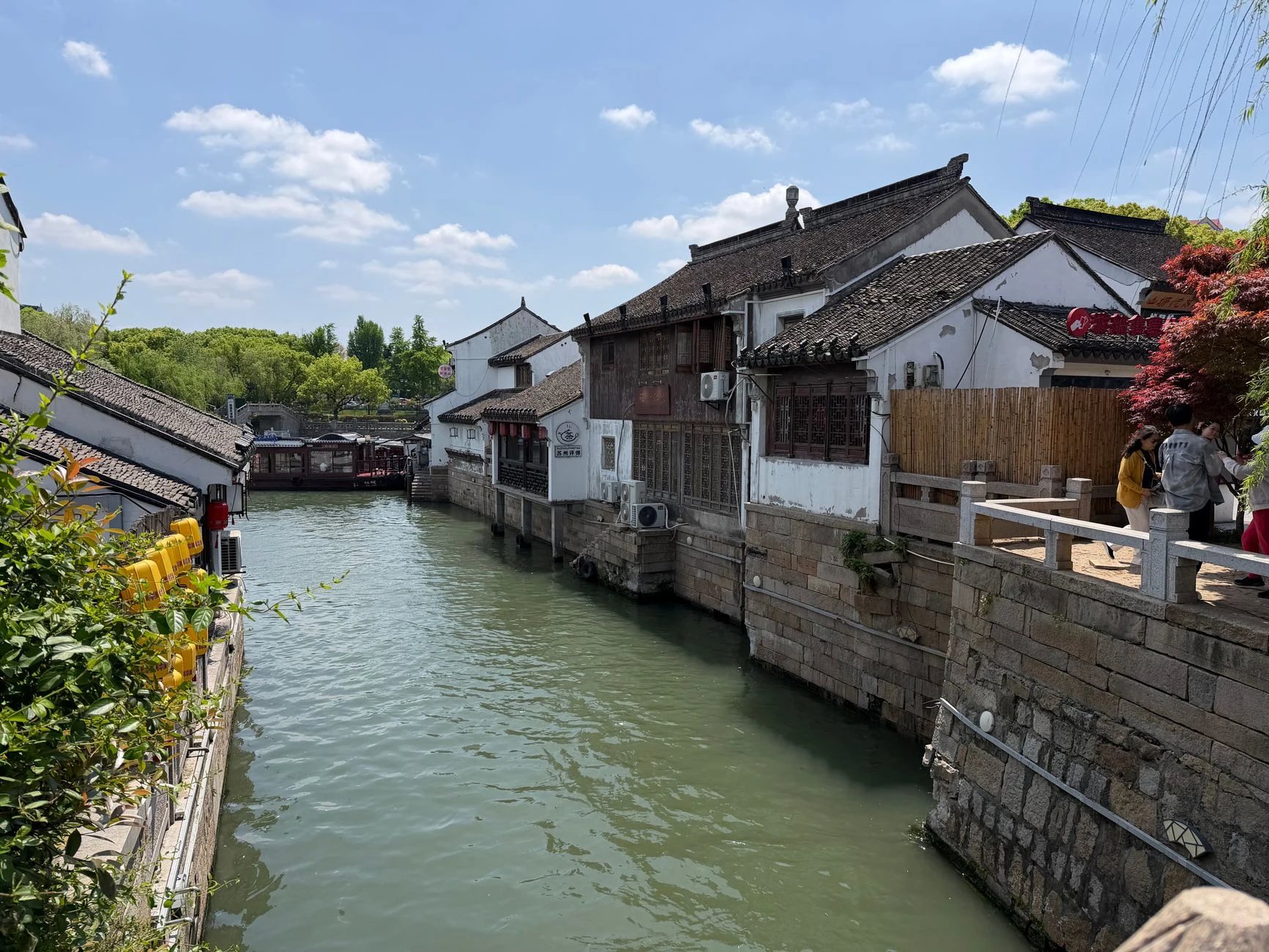
Eastern China offers several layers of history. Nanjing served as a capital in different periods, while Hangzhou was the capital during the Southern Song dynasty. Suzhou is known for its gardens and canals; Shanghai for an urban history shaped by its growth, especially from the 19th century onward, and by remnants of its heyday between the 1840s and 1930s. These are distinct profiles: historic capitals, a city associated with gardens and canals, and a metropolis linked to trade and modern transformation. For an initial shortlist, choose the combination that best matches your interests rather than treating these cities as interchangeable stops.

Southern China: maritime trade and regional diversity
The south’s history is closely tied to the sea and commercial exchange. Fujian, Guangdong, Guangxi and Hainan offer contrasts within the region: Fujian’s mountainous terrain is associated with cultural and linguistic diversity, while Guangxi is known for its karst formations. In Guangdong, Kaiping’s diaolou towers connect the rural landscape with the history of overseas Chinese communities. If ports and cities interest you, prioritise that thread; if you are drawn to landscapes, Guangxi’s karst suggests a different kind of journey.
Landscapes that change the pace of a trip
Among eastern China’s landscape highlights are the bamboo forests of Anji County, Lake Tai and Hangzhou’s West Lake. In the south, the Li River stretch between Guilin and Yangshuo is known for its karst mountains. These places can balance an urban route, but they are not interchangeable or located in the same place: first decide which landscape appeals to you, then check transfers, journey times and access conditions using up-to-date information. The available material describes an extensive regional rail network and road connections, but does not establish timetables or support a specific itinerary recommendation.
Use history to guide your choices
Eastern cities offer a way to trace changes in capitals and trade; southern cities reveal the long-standing relationship between ports and maritime networks. At Kaiping, the diaolou provide a specific reason to pause over rural architecture and migration history. As you plan, pose one question for each region—for example, what remains of a former capital, or how a port history can be recognised—and use it to narrow your options. For broader context, China’s imperial history offers a frame for understanding dynasties and capitals.
Practical decisions before finalising your plans
The available information can help you identify what interests you, but it does not confirm current services. Before booking, verify connections between your chosen places, timetables, fares and entry conditions directly with the relevant official sources. Keep regional and national scale distinct, too: a description of railways or roads in eastern or southern China does not guarantee that a particular journey will be direct or convenient. For broader orientation, consult a guide to China and its regions, then recheck any practical details that may change.
Sources and references
Hide references
14 references
References consulted during editorial review. Times, requirements and advisories may change: always confirm with the official source.
-
East ChinaLicence: CC BY-SA 4.0 Wikivoyage contributors · East China
-
South ChinaLicence: CC BY-SA 4.0 Wikivoyage contributors · South China
-
Imperial ChinaLicence: CC BY-SA 4.0 Wikivoyage contributors · Imperial China
-
China - WikiviajesLicence: CC BY-SA 4.0 Wikivoyage contributors · China - Wikiviajes
-
Gran Muralla China - WikiviajesLicence: CC BY-SA 4.0 Wikivoyage contributors · Gran Muralla China - Wikiviajes
-
Guía de chino - WikiviajesLicence: CC BY-SA 4.0 Wikivoyage contributors · Guía de chino - Wikiviajes
-
ChinaLicence: CC BY-SA 4.0 Fuente: Wikivoyage
-
Jiuzhaigou Nature ReserveLicence: CC BY-SA 4.0 Fuente: Wikivoyage
-
Northeast ChinaLicence: CC BY-SA 4.0 Fuente: Wikivoyage
-
BeijingLicence: Datos geográficos bajo CC BY 4.0; requiere atribución a GeoNames. Fuente: GeoNames
-
ChinaLicence: CC BY-SA 3.0 DBpedia