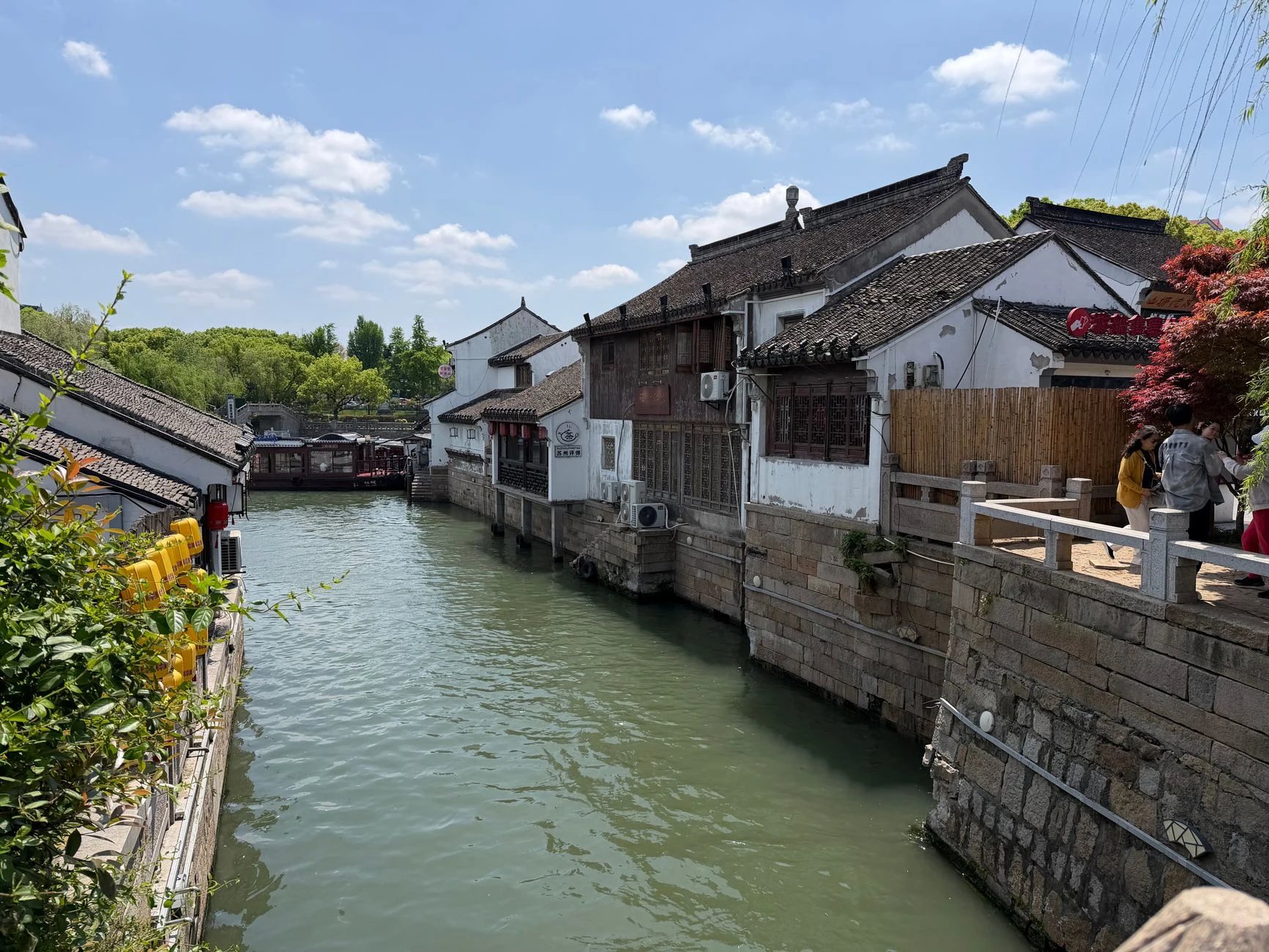
Salvador and Olinda’s history or Santarém’s rivers?
Brazil’s Northeast brings together cities with varied histories and architecture; in Pará, Santarém is shaped by the meeting of the Tapajós and the Amazon. The choice depends on which landscape and context you want to prioritise.
The Northeast: distinct cities in a vast region
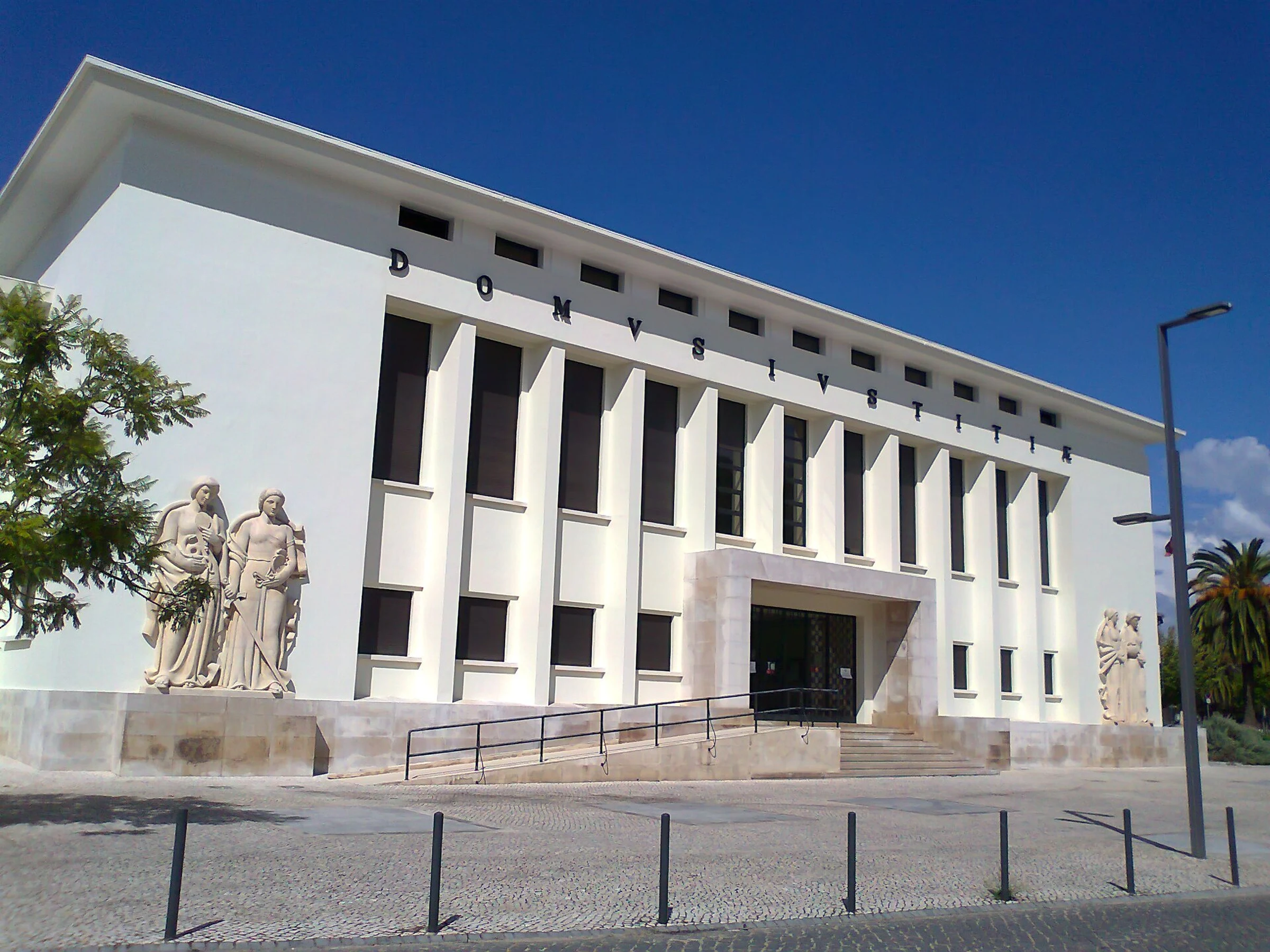
The Northeast comprises nine states, and distances across it can be considerable, both geographically and culturally. Salvador, the capital of Bahia, combines a strong African influence with colonial architecture. Olinda has a historic centre; Recife, in Pernambuco, is another regional reference point for its history, art and folklore. These cities offer different urban perspectives, but should not be assumed to form an easy itinerary. Decide which interests you and check current connections before adding other stops. The region’s scale matters as much as the list of places.

Pará: Santarém beside two great rivers
In the north, the state of Pará extends to the mouth of the Amazon. Santarém lies on the south bank of the Tapajós, a tributary of the Amazon, and the city offers a view of the meeting of the two rivers. It is a useful reference if you are drawn to river geography; Belém, the state capital, is another notable city in Pará. The location alone does not establish which transport, port or departure time will suit you. Check every connection using current information, including the departure point and the actual destination, before finalising your plans.
Choose the trip’s focus before making a list of stops
If you prioritise architecture and urban history, compare Salvador and Olinda as specific destinations without assuming their characteristics represent the whole Northeast. If you are interested in how a city relates to its river landscape, look into Santarém and its surroundings. Pará has other destinations too, but the available information is not enough to turn them into a complete route here. The useful comparison is not between two full itineraries, but between two different interests that call for different planning.
What to check when turning an overview into a route
Portuguese and the Brazilian real are useful starting points for making enquiries and organising your trip. Then confirm connections between the cities you choose and, if you are considering river travel, check ports, operators and published schedules separately. Travel times and services listed in a guide may have changed; do not assume they are current without checking. For broader planning guidance, see Brazil: clear starting points for planning.
Sources and references
Hide references
14 references
References consulted during editorial review. Times, requirements and advisories may change: always confirm with the official source.
-
Northeast (Brazil)Licence: CC BY-SA 4.0 Wikivoyage contributors · Northeast (Brazil)
-
Pará (Brazil)Licence: CC BY-SA 4.0 Wikivoyage contributors · Pará (Brazil)
-
Santarém (Brazil)Licence: CC BY-SA 4.0 Wikivoyage contributors · Santarém (Brazil)
-
Brasil - WikiviajesLicence: CC BY-SA 4.0 Wikivoyage contributors · Brasil - Wikiviajes
-
Guayana Francesa - WikiviajesLicence: CC BY-SA 4.0 Wikivoyage contributors · Guayana Francesa - Wikiviajes
-
Noreste de Brasil - WikiviajesLicence: CC BY-SA 4.0 Wikivoyage contributors · Noreste de Brasil - Wikiviajes
-
Copa Mundial FIFA Brasil 2014 - WikiviajesLicence: CC BY-SA 4.0 Wikivoyage contributors · Copa Mundial FIFA Brasil 2014 - Wikiviajes
-
BrazilLicence: CC BY-SA 4.0 Fuente: Wikivoyage
-
BrasiliaLicence: CC BY-SA 4.0 Fuente: Wikivoyage
-
BrazilLicence: CC BY-SA 3.0 DBpedia