Central and Northern Uruguay offer distinct landscapes and travel options
From the central interior’s ranching landscapes to gaucho culture and northern hot springs, these two regions can help shape a route beyond Montevideo.
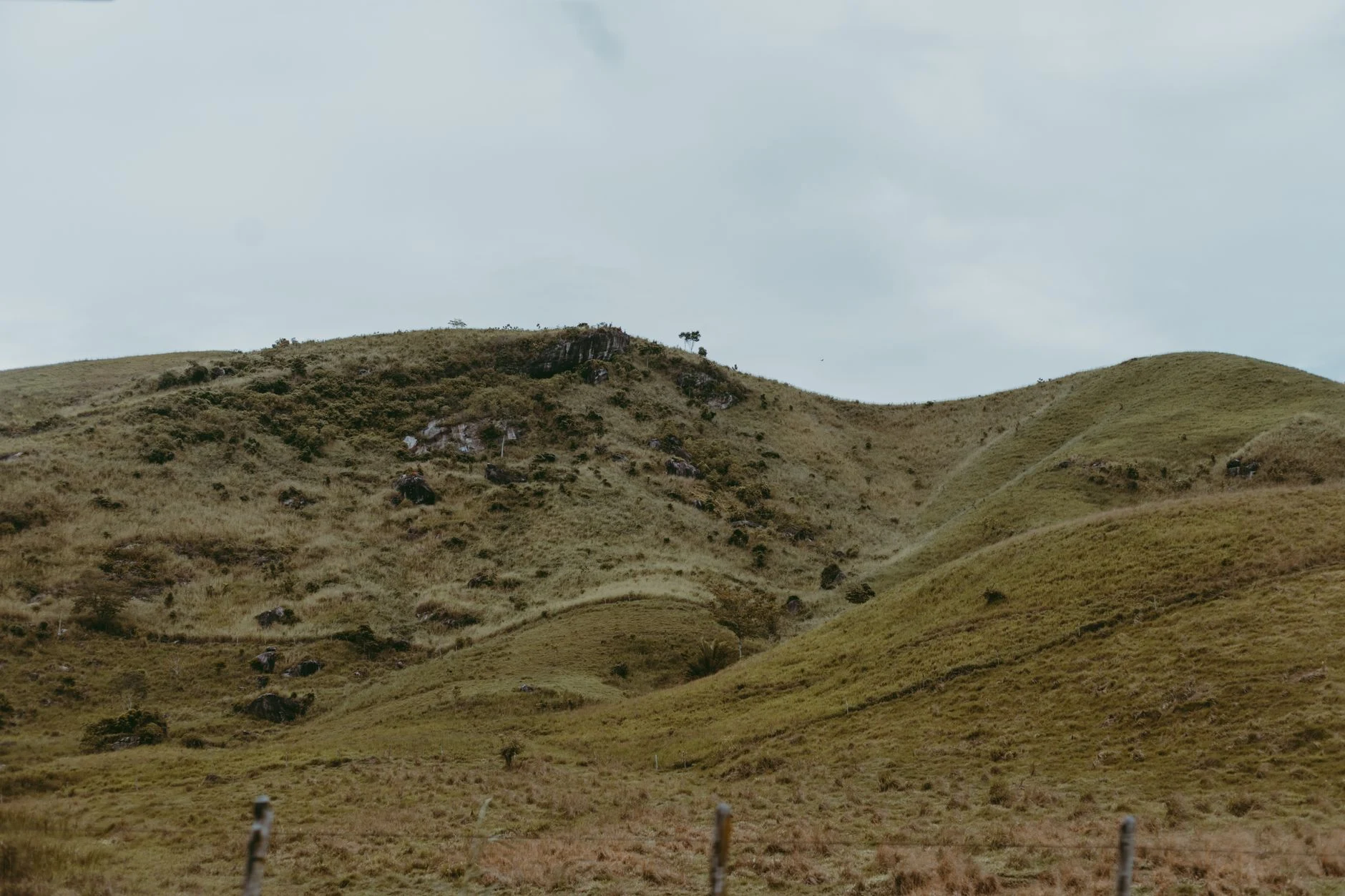
The centre: countryside, small towns and gentle hills
The central region covers Cerro Largo, Durazno, Flores, Florida, Lavalleja and Treinta y Tres. Its landscape is described as rolling and agricultural, with estancias and quiet rural areas. Minas is a useful reference point for travellers seeking a rural setting; nearby, the area is noted for outdoor outings, lakeside picnic spots and a Buddhist monastery. The region is also home to the natural formation of Grutas del Palacio, near Trinidad. These places are spread out, so check distances and transport before deciding whether to combine them in one trip.
The north: gaucho culture, rivers and the border
Artigas, Paysandú, Rivera, Salto and Tacuarembó make up the northern interior. Cattle ranching, horses and gaucho traditions provide context for the region, while streams and hills define its landscape. Tacuarembó is noted as an important centre of gaucho culture; Salto, on the Uruguay River opposite Concordia in Argentina, is associated with hot springs and historic buildings. Rivera and other towns have close ties to the Brazilian border. These contrasts can help you prioritise rural culture, hot springs or border towns, without assuming that every stop is close to the next.
How to choose and what to check before setting out
For a countryside break at an unhurried pace, the centre offers places such as Minas, Villa Serrana and the area around Durazno. If you want to combine towns, gaucho culture and border areas, the north may be a better fit. One guide consulted describes bus services between regions of Uruguay and some border crossings by road or bus, but gives no current schedules or conditions. Before finalising your itinerary, confirm routes, frequency and current services with operators; also check access conditions for each natural site. Minas is known for its alfajores, though the source does not support recommending specific establishments.
Sources and references
Hide references
14 references
References consulted during editorial review. Times, requirements and advisories may change: always confirm with the official source.
-
Central Interior (Uruguay)Licence: CC BY-SA 4.0 Wikivoyage contributors · Central Interior (Uruguay)
-
Northern Interior (Uruguay)Licence: CC BY-SA 4.0 Wikivoyage contributors · Northern Interior (Uruguay)
-
UruguayLicence: CC BY-SA 4.0 Wikivoyage contributors · Uruguay
-
Florida (Uruguay)Licence: CC BY-SA 4.0 Wikivoyage contributors · Florida (Uruguay)
-
Uruguay - WikiviajesLicence: CC BY-SA 4.0 Wikivoyage contributors · Uruguay - Wikiviajes
-
Región norte (Uruguay) - WikiviajesLicence: CC BY-SA 4.0 Wikivoyage contributors · Región norte (Uruguay) - Wikiviajes
-
Región este (Uruguay) - WikiviajesLicence: CC BY-SA 4.0 Wikivoyage contributors · Región este (Uruguay) - Wikiviajes
-
Región metropolitana (Uruguay) - WikiviajesLicence: CC BY-SA 4.0 Wikivoyage contributors · Región metropolitana (Uruguay) - Wikiviajes
-
Rio de la PlataLicence: CC BY-SA 4.0 Fuente: Wikivoyage
-
UruguayLicence: CC BY-SA 3.0 DBpedia