Dakar, Saint-Louis, and the Saloum Delta as Starting Points in Senegal
Dakar is a common entry point, but Senegal offers distinct landscapes: from the Senegal River and Saint-Louis to the Saloum Delta, Touba, and Casamance. These differences help narrow down a route before verifying specific transfers.
Dakar: An initial reference, not a complete itinerary
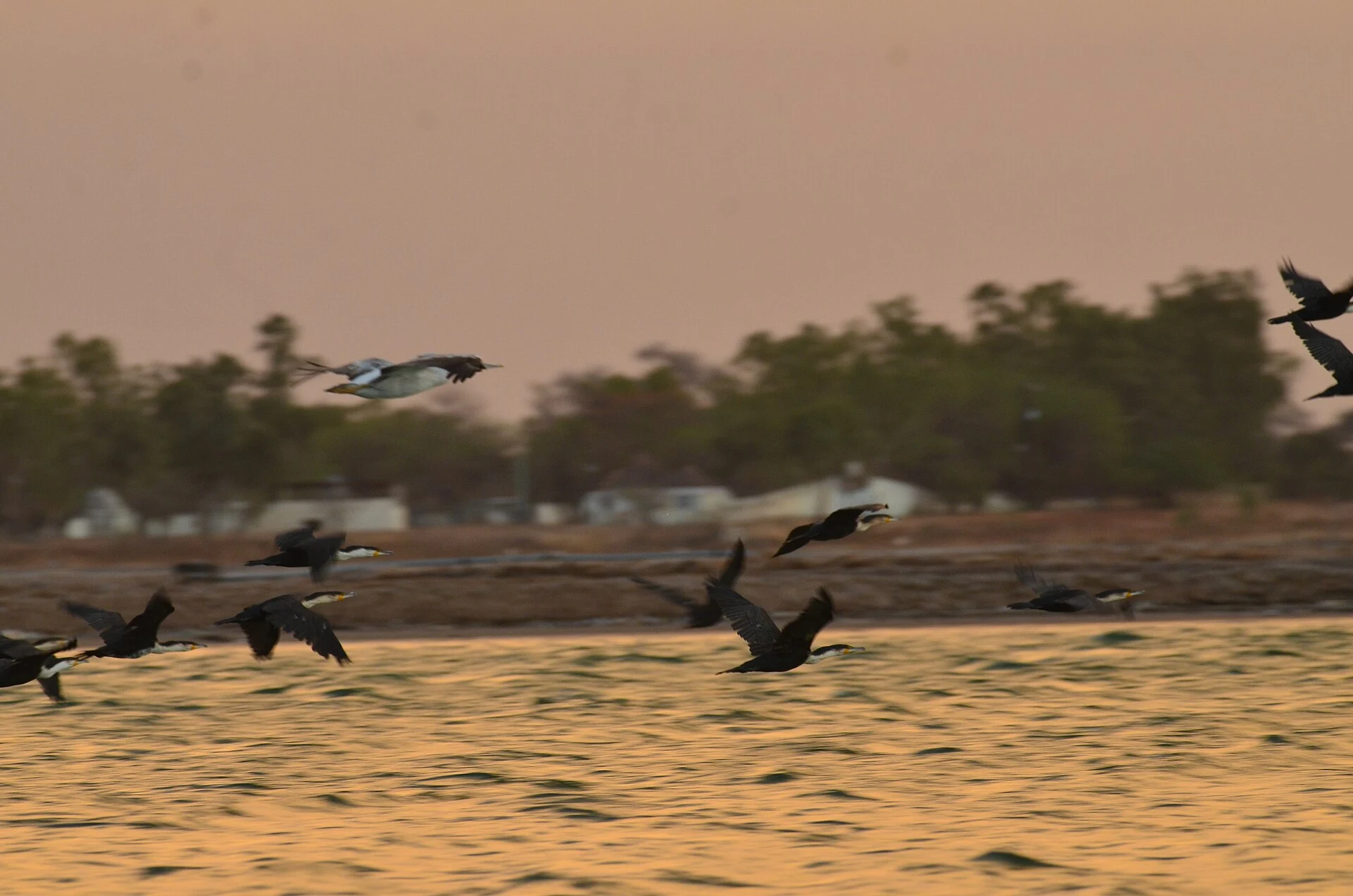
Dakar is located at the tip of the Cap-Vert peninsula, the westernmost point of the African continent, and serves as Senegal's capital. It can serve as a reference for organizing your arrival and subsequent decisions, but it does not represent the country's full variety on its own. Available information mentions international air connections and links to other cities; as routes and services can change, check current options with airlines and operators before booking.

The North: Saint-Louis and the Senegal River
Saint-Louis, the former colonial capital, is located near the mouth of the Senegal River, which marks the border with Mauritania. Its urban and historical interest offers a contrast to Dakar and provides a concrete direction for exploring the north. The region also includes the Langue de Barbarie National Park; sources describe it as a protected area for sea turtle nesting sites and a refuge for migratory birds. The information consulted is not sufficient to establish current access conditions, so verify local logistics if you include it in your route.
The Center: Delta, communities, and pilgrimage
In the center, the Saloum Delta allows for a journey centered on mangrove landscapes and towns like Sokone, described as quiet and close to the southeastern delta. Mar Lodj offers a different reference: a rural island community. Touba, for its part, is a center of the Mouride religious brotherhood and hosts the annual Grand Magal pilgrimage. These are not interchangeable stops: it is advisable to decide whether your interest lies in the delta environment, the life of an island community, or a site of religious significance, and to check in advance how to get there and what visiting conditions apply.
Casamance and the decision to extend the route
Ziguinchor and Kolda are references for locating Casamance, in the south of the country. The guide consulted mentions domestic flights between Dakar and Cap Skirring or Ziguinchor, as well as other regional air services, but these data should not be taken as current schedules. Before adding the region, verify connections, availability, and transport alternatives for your dates; available sources do not allow recommending a specific itinerary or calculating current times.
A plan defined by priorities and checks
A useful first decision is to choose between the urban contrast of Dakar, the riverine north of Saint-Louis, the central delta and Touba, or an extension to Casamance. If you combine regions, do not assume the ease of transfers: confirm flights, land transport, or maritime connections directly with current operators. For basic orientation, French is listed as a language in the country's data, and the currency is the West African CFA franc (XOF); these data do not replace the verification of payments, services, and requirements applicable to each trip.
Sources and references
Hide references
14 references
References consulted during editorial review. Times, requirements and advisories may change: always confirm with the official source.
-
Central SenegalLicence: CC BY-SA 4.0 Wikivoyage contributors · Central Senegal
-
DakarLicence: CC BY-SA 4.0 Wikivoyage contributors · Dakar
-
Northern SenegalLicence: CC BY-SA 4.0 Wikivoyage contributors · Northern Senegal
-
SenegalLicence: CC BY-SA 4.0 Wikivoyage contributors · Senegal
-
Guinea-Bisáu - WikiviajesLicence: CC BY-SA 4.0 Wikivoyage contributors · Guinea-Bisáu - Wikiviajes
-
Malí - WikiviajesLicence: CC BY-SA 4.0 Wikivoyage contributors · Malí - Wikiviajes
-
Guinea - WikiviajesLicence: CC BY-SA 4.0 Wikivoyage contributors · Guinea - Wikiviajes
-
Senegal - WikiviajesLicence: CC BY-SA 4.0 Wikivoyage contributors · Senegal - Wikiviajes
-
Saint-LouisLicence: CC BY-SA 4.0 Fuente: Wikivoyage
-
SenegalLicence: CC BY-SA 3.0 DBpedia