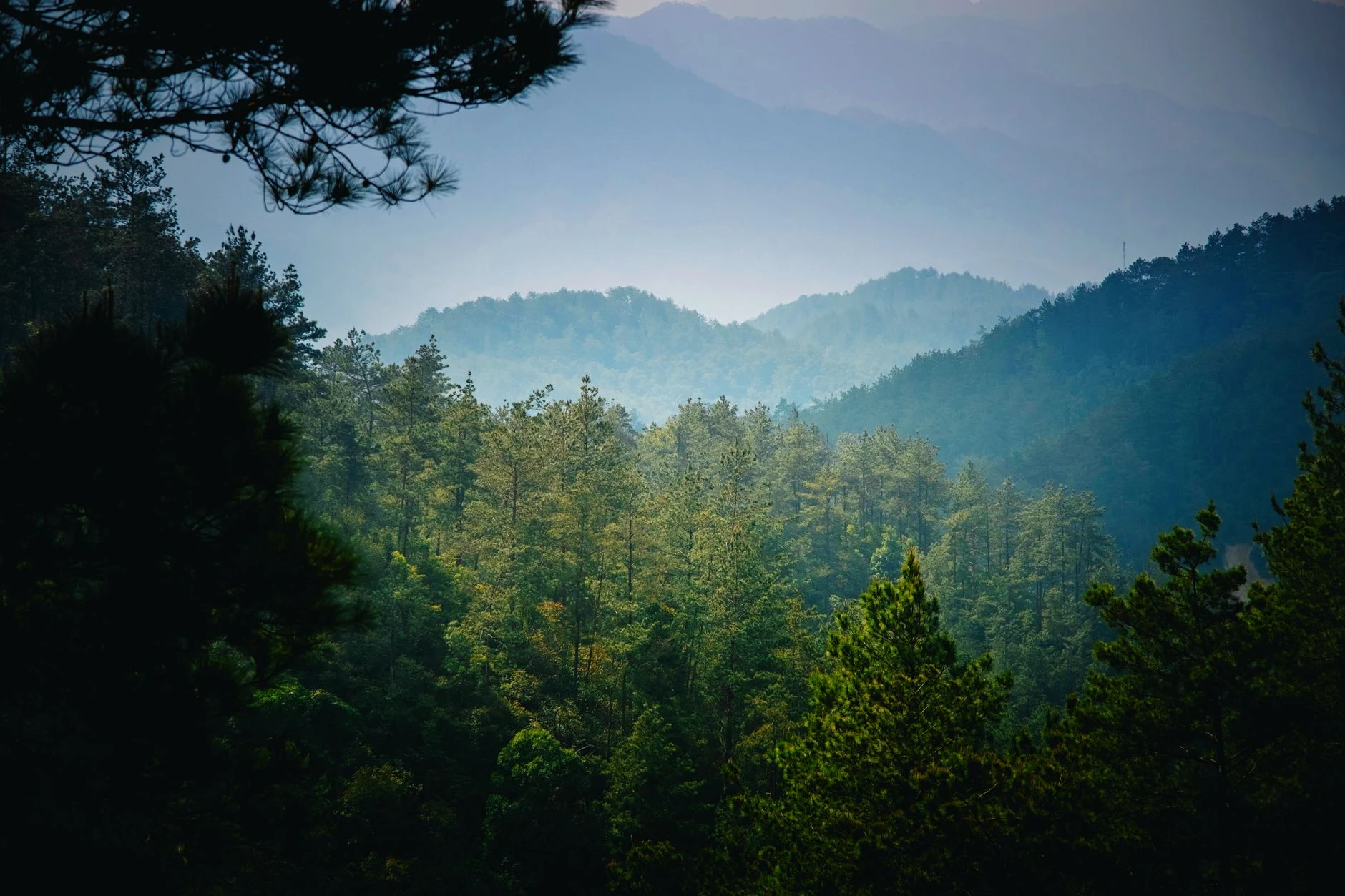
Choosing a focus for your trip across India's diverse regions
From the Himalayas to the coast, India's regions offer vastly different experiences. Comparing landscapes, cities, and heritage helps you choose a focus before checking connections and local conditions.
A documented soundscape that complements this guide to India. From the Himalayas to the coast, India's regions offer vastly different experiences. Comparing landscapes, cities, and heritage helps you choose a focus before checking connections and local conditions.
Audio by Bibo, Irving M.; Harrison, Charles; Wood, Leo; Bourdon, Rosario · loc_national_jukebox · Public Domain · Duration: 03:19
Eastern India: Hills, Plateaus, and Coast
The eastern region includes Jharkhand, Odisha, Sikkim, and West Bengal. Its geography ranges from Himalayan foothills to the Bay of Bengal, with plateaus and plains in between. Kolkata serves as an urban reference; Bhubaneswar is known for its temples, and Darjeeling for its mountain setting. These options have different emphases: choosing all of them simply because they belong to one region can scatter your itinerary. Decide which landscape you want to prioritize and verify how current travel routes fit together.
The South: Cities and Temple Architecture
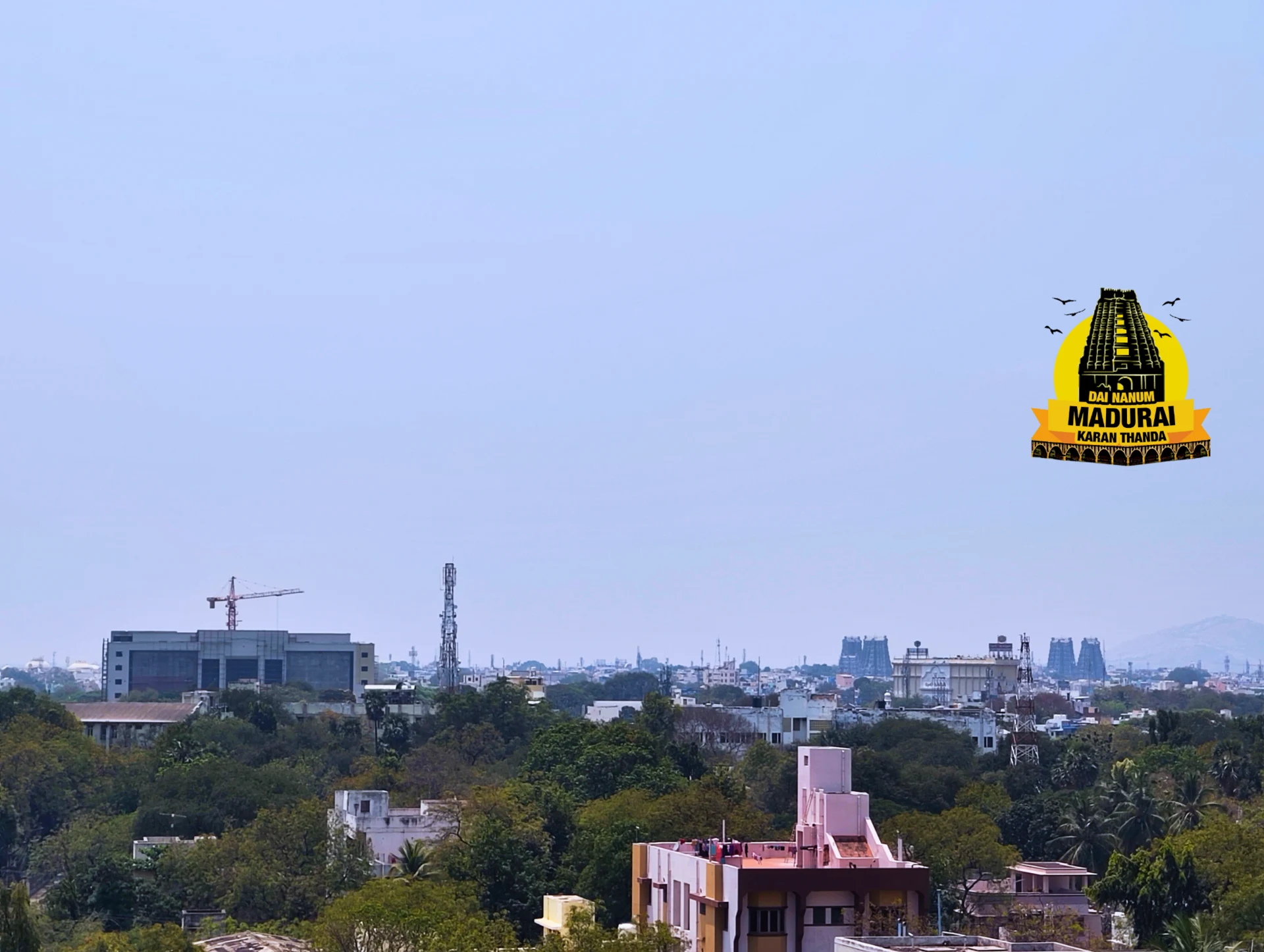
The peninsular south offers a different travel logic, centered on cities, temples, and coastal or mountain landscapes. The guide links the region to Dravidian architecture and highlights Madurai for the Meenakshi Amman Temple; it also mentions Hampi for its ruins linked to the Vijayanagara period. These references allow you to build a route of architectural heritage, but they do not by themselves indicate current hours, accessibility, or services. Check these details with local information before fixing the order of your visits.
The Northeast: Hills and Cultural Diversity
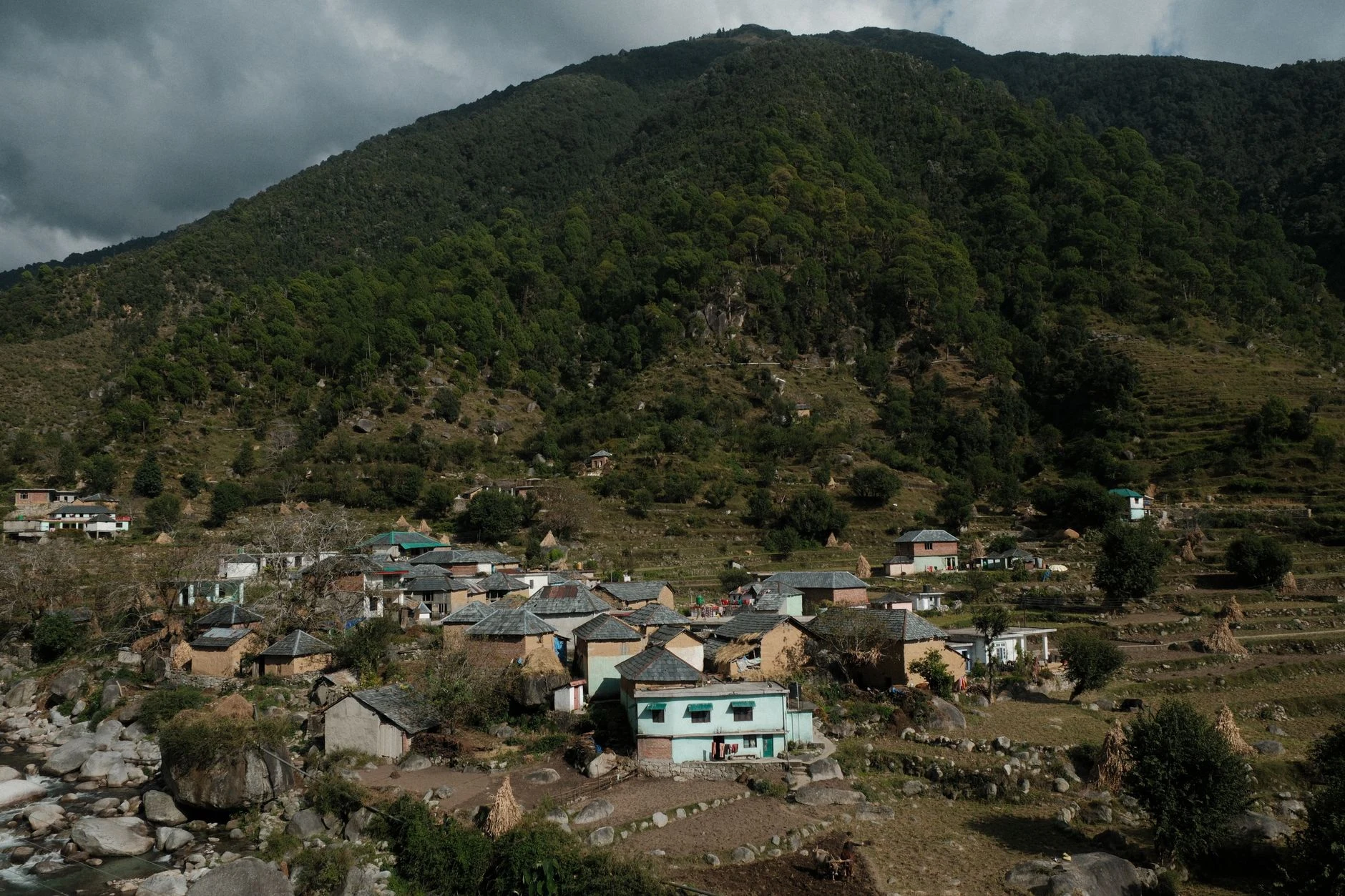
The source presents the northeast as a group of seven states and notes its linguistic and cultural diversity. References include the hills of Meghalaya, Assam and its tea plantations, and Kaziranga; Manipur is associated with a national park described as floating. Sikkim is treated separately in the regional classification consulted, though it is sometimes culturally linked to the northeast. Do not assume that regional labels align: for planning, first identify the state and exact destination, then confirm current connections and conditions.
A Practical Decision Before Finalizing the Route
The guide on eastern India indicates monsoon rains from June to September in Odisha and West Bengal, and considers spring and autumn more favorable for that area. This is a regional reference, not a recommendation applicable automatically to the whole country: sources show marked geographical differences. Contrast the climate of your chosen destination with your planned dates and review current transport, access, and hours. If the trip includes several regions, consider whether your available time allows for the distances rather than accumulating destinations on the map.
Sources and references
Hide references
14 references
References consulted during editorial review. Times, requirements and advisories may change: always confirm with the official source.
-
Eastern IndiaLicence: CC BY-SA 4.0 Wikivoyage contributors · Eastern India
-
North-Eastern IndiaLicence: CC BY-SA 4.0 Wikivoyage contributors · North-Eastern India
-
Southern IndiaLicence: CC BY-SA 4.0 Wikivoyage contributors · Southern India
-
Bután - WikiviajesLicence: CC BY-SA 4.0 Wikivoyage contributors · Bután - Wikiviajes
-
Pakistán - WikiviajesLicence: CC BY-SA 4.0 Wikivoyage contributors · Pakistán - Wikiviajes
-
India occidental - WikiviajesLicence: CC BY-SA 4.0 Wikivoyage contributors · India occidental - Wikiviajes
-
IndiaLicence: CC BY-SA 4.0 Fuente: Wikivoyage
-
IndiaLicence: CC BY-SA 4.0 Fuente: Wikivoyage
-
Western IndiaLicence: CC BY-SA 4.0 Fuente: Wikivoyage
-
IndiaLicence: CC BY-SA 3.0 DBpedia