Comparing Sal, Santiago, and Boa Vista to Plan Your Cape Verde Trip
The aridity of Boa Vista, the beaches of Sal, and the geographic and historical contrasts of Santiago offer three distinct references for narrowing down a Cape Verde trip. Inter-island connections require separate verification.

Boa Vista: dunes, beaches, and Sal Rei
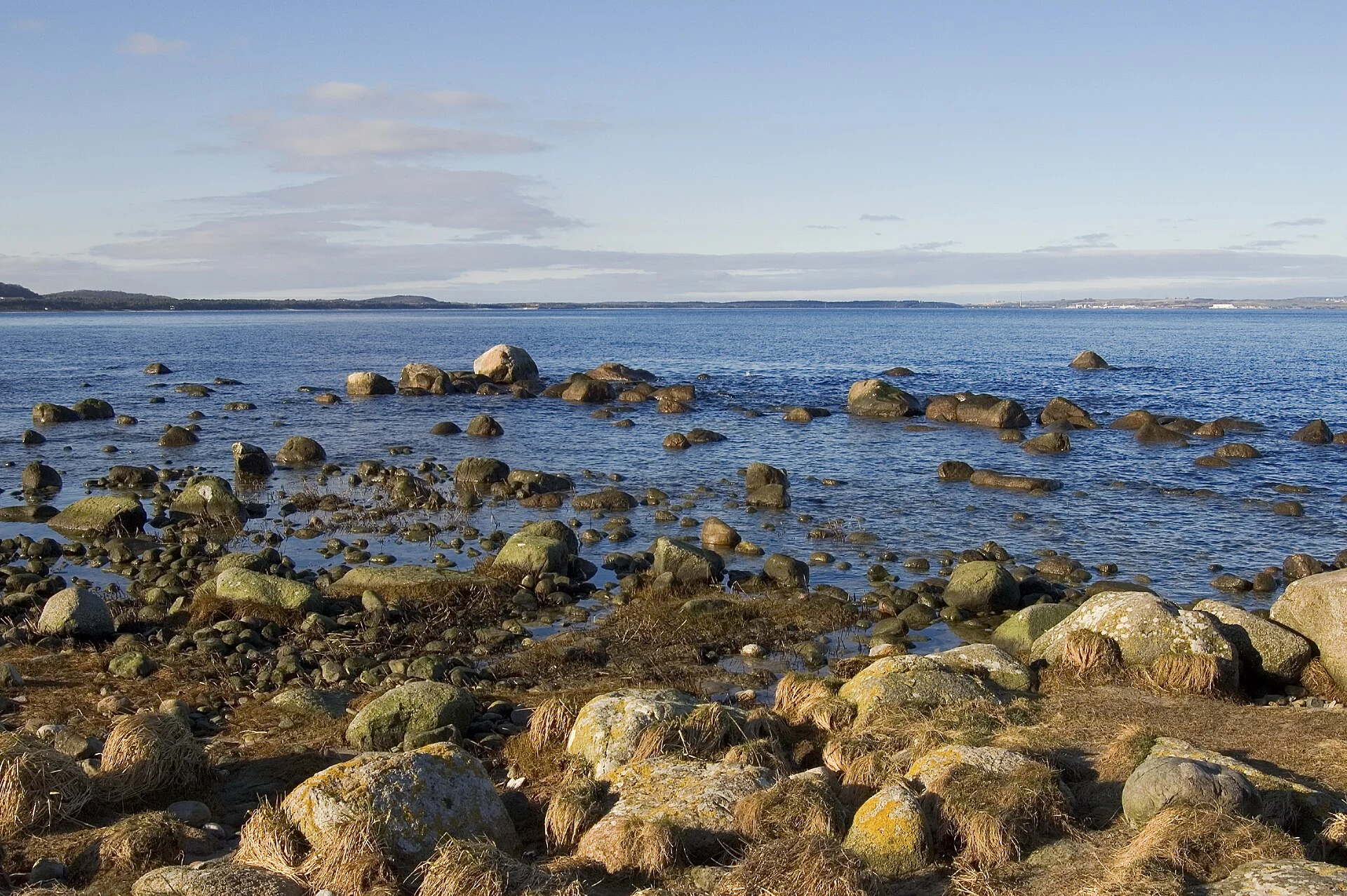
Boa Vista is an arid, low-lying island with white sand dunes and beaches. Its population is concentrated mainly in the northwest, around Sal Rei, where the airport and a strip of tourist complexes are also located. This concentration helps understand the settlement pattern, but it does not mean the entire island has the same services. The morna is historically associated with Boa Vista and later spread to other islands; available information places an art and culture space in Sal Rei dedicated to exhibitions and performances. Dry landscape and a concentrated main town are the most useful references for evaluating this option.
Sal: beaches and a more concentrated tourist offer
Sal is mostly flat and dry, and its long beaches explain part of its tourist profile. Espargos is its capital; Santa Maria, in the south, is the main tourist area. The island has a developed network of accommodations and sea-related activities, such as surfing and kitesurfing. These features may make it suitable for those who prioritize beach and tourist services, although they do not describe all islands or guarantee a uniform experience. The consulted material also mentions the old salt pans of Pedra de Lume; confirm current access conditions separately before including them in a plan.

Santiago: Praia, Cidade Velha, and contrasting landscapes
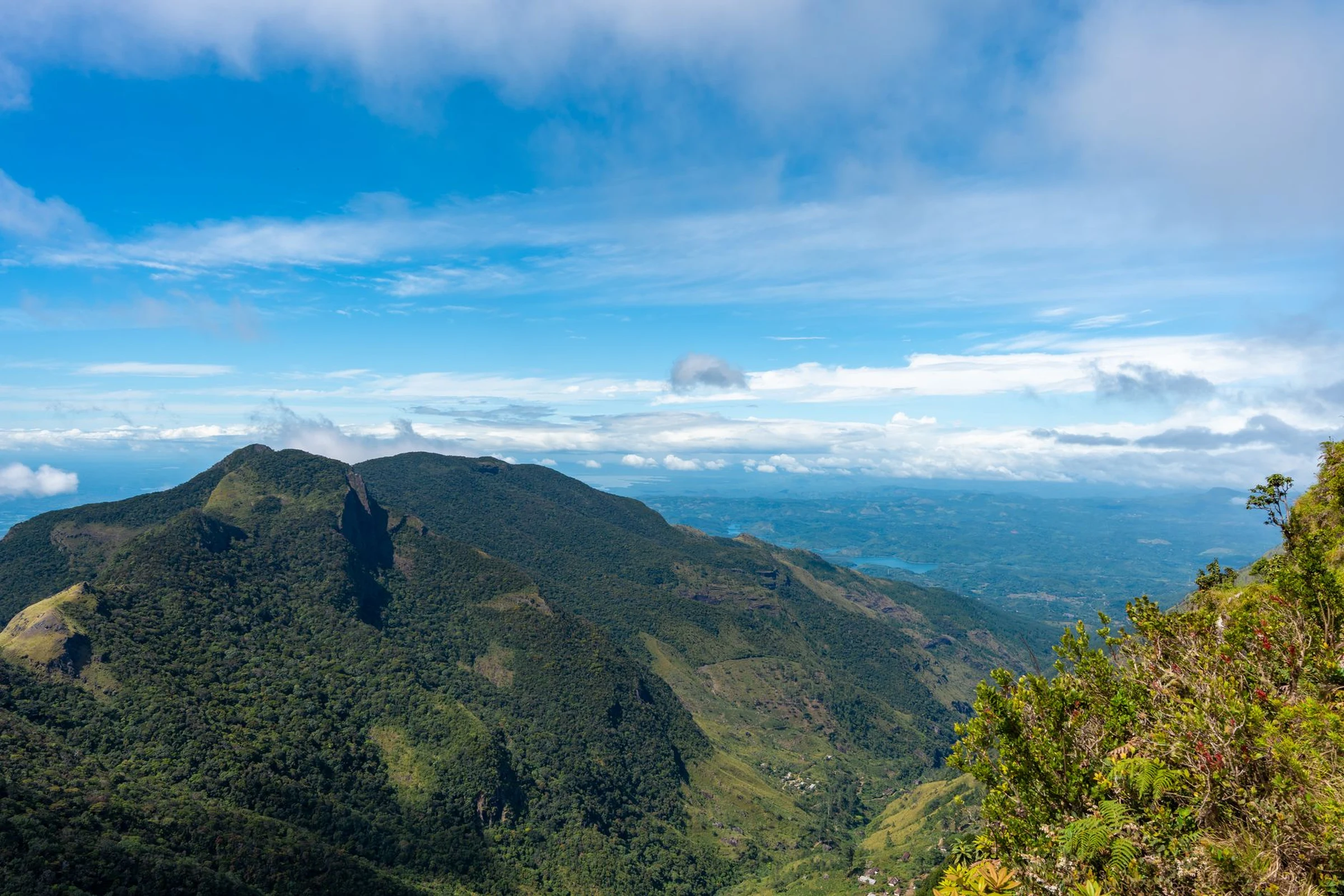
Santiago is the country's largest island and hosts Praia, the capital, and Cidade Velha, the former capital located about 15 km west of Praia. Its relief and landscapes offer another scale: there are green gorges between dry, dusty terrains, as well as black sand beaches on the western coast. Cidade Velha provides a specific historical reference, while Praia can serve as a geographic base for organizing the visit. History and landscape variety distinguish Santiago from a stay centered mainly on the beach.
Inter-island connections are part of the decision
It is not advisable to choose multiple islands based solely on a map. The gathered information describes air and sea connections, but their frequencies and schedules are variable and must be verified with operators before booking flights, ferries, or accommodations. In Santiago, shared transport can be scarce in small towns, especially in the afternoon and evening; therefore, a route that depends on these services needs margin and local verification. Prioritizing one island may be a more practical decision than chaining destinations with unconfirmed links.
Sources and references
Hide references
14 references
References consulted during editorial review. Times, requirements and advisories may change: always confirm with the official source.
-
Boa Vista (Cape Verde)Licence: CC BY-SA 4.0 Wikivoyage contributors · Boa Vista (Cape Verde)
-
Santiago (Cape Verde)Licence: CC BY-SA 4.0 Wikivoyage contributors · Santiago (Cape Verde)
-
Cabo Verde - WikiviajesLicence: CC BY-SA 4.0 Wikivoyage contributors · Cabo Verde - Wikiviajes
-
Isla de Sal - WikiviajesLicence: CC BY-SA 4.0 Wikivoyage contributors · Isla de Sal - Wikiviajes
-
Isla de Santiago - WikiviajesLicence: CC BY-SA 4.0 Wikivoyage contributors · Isla de Santiago - Wikiviajes
-
Isla de São Nicolau - WikiviajesLicence: CC BY-SA 4.0 Wikivoyage contributors · Isla de São Nicolau - Wikiviajes
-
La PalmaLicence: CC BY-SA 4.0 Fuente: Wikivoyage
-
Cabo VerdeLicence: CC0 1.0 Wikidata · Q1011
-
Cabo VerdeLicence: CC0 1.0 Wikidata · Q5015739
-
Cabo VerdeLicence: CC0 1.0 Wikidata · Q216889
-
Cabo VerdeLicence: CC0 1.0 Wikidata · Q61240463
-
Cape VerdeLicence: CC BY-SA 3.0 DBpedia
-
PraiaLicence: CC BY-SA 3.0 DBpedia
-
Cabo Verde AirlinesLicence: CC BY-SA 3.0 DBpedia