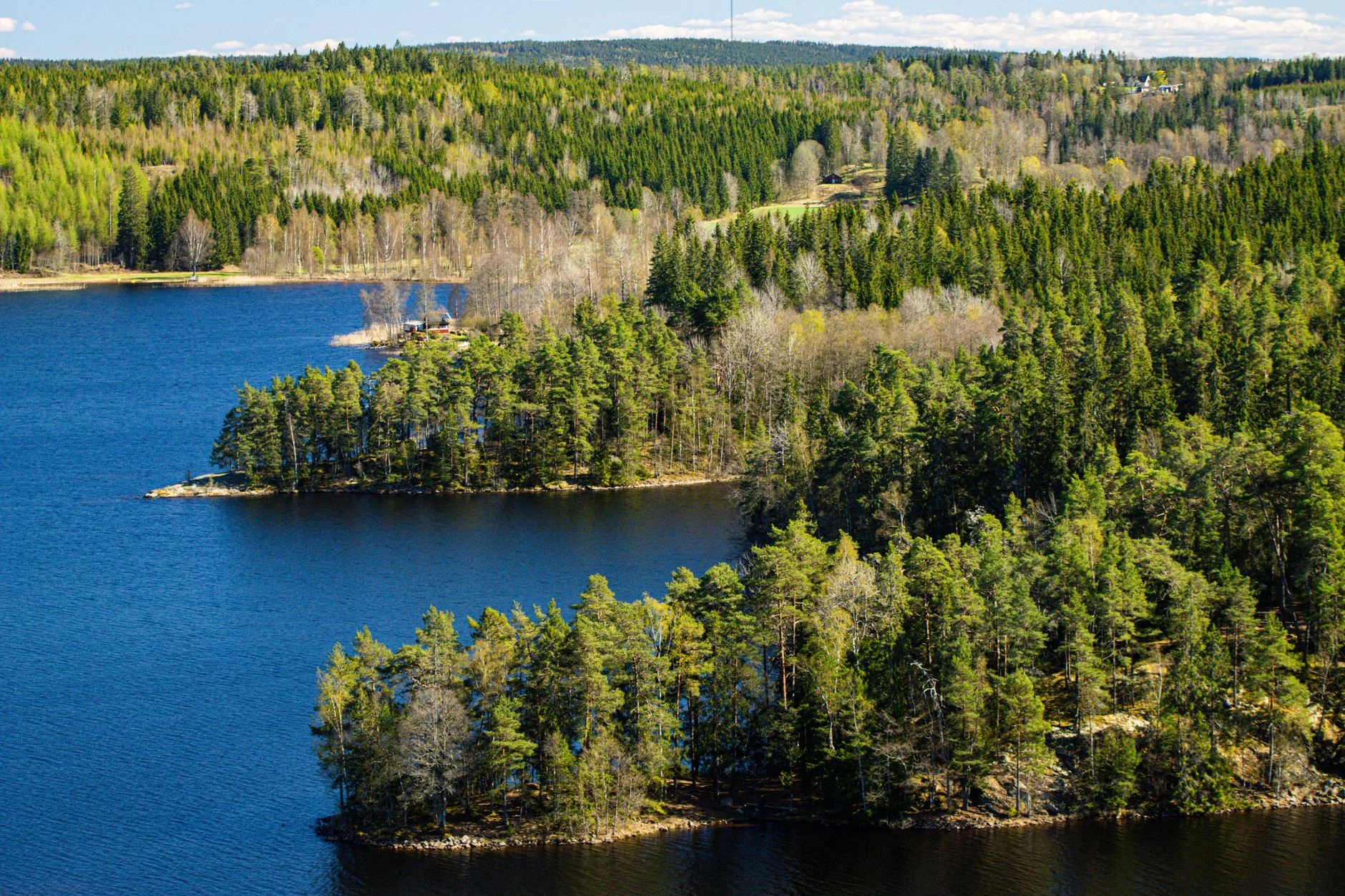
Germany’s Baltic Coast: Hanseatic Cities, Islands and Connections
The Baltic coast brings together beaches, cities shaped by their Hanseatic past and islands with distinct landscapes. Choosing an area and checking current connections helps make a realistic trip plan.
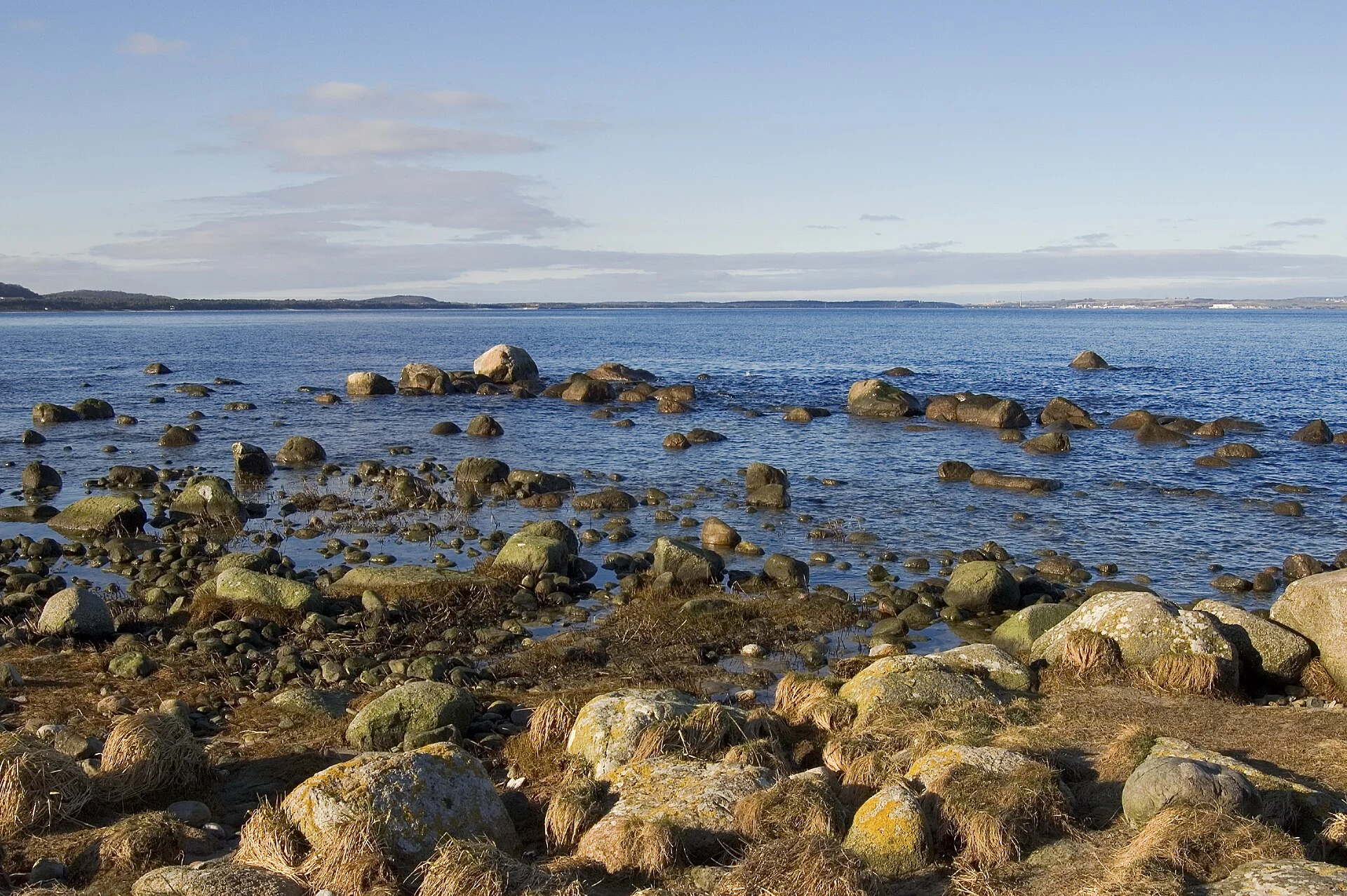
Two states, several ways to explore the coast
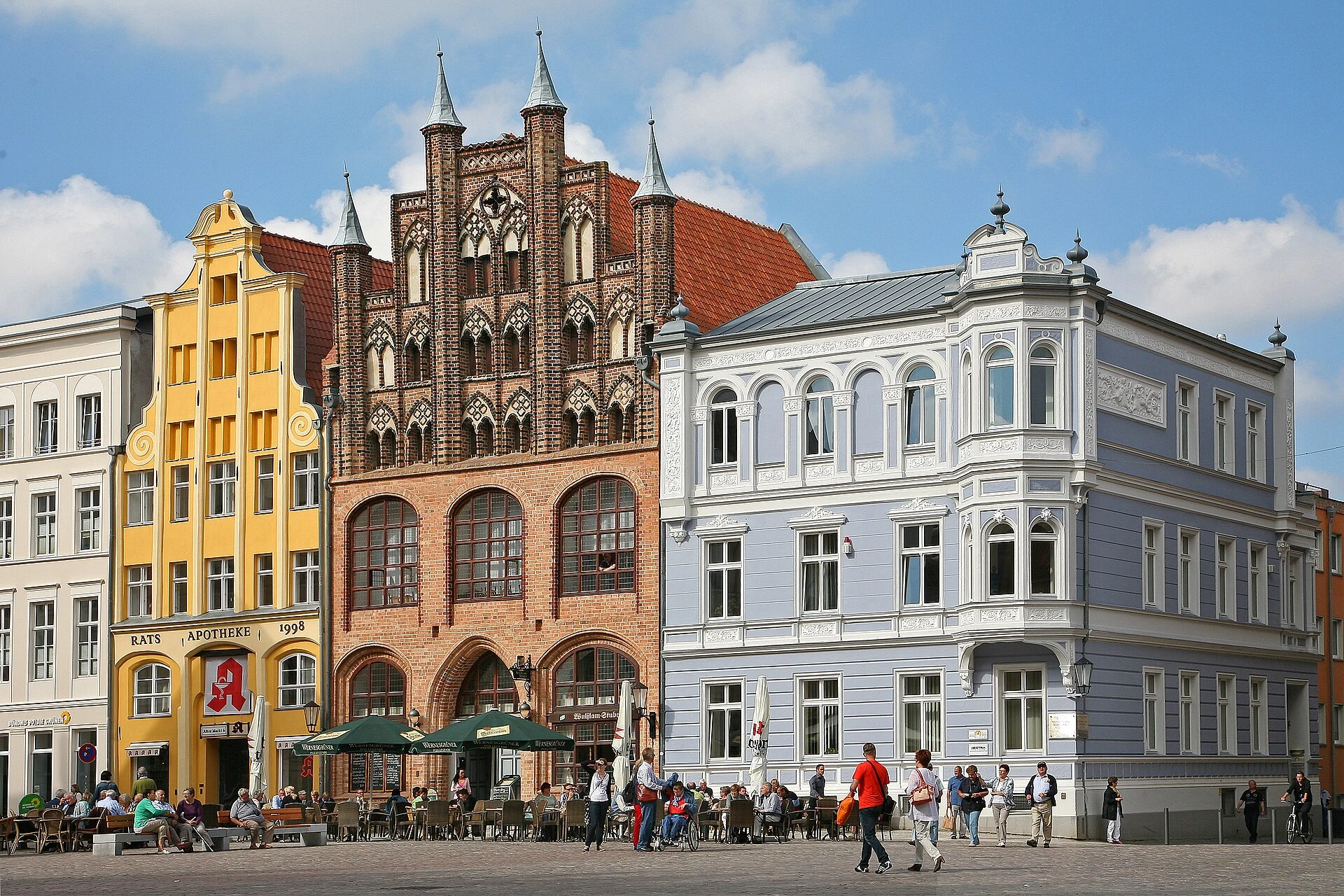
The region spans two northern German federal states. Lübeck can serve as a reference point for the western part: regional trains connect the city and coast with Hamburg, although you should check current frequencies and timetables before travelling. Farther east, Stralsund and Wismar stand out for their historic centres, shaped by the prosperity of the Hanseatic League. Treating them as cultural stops as well as seaside destinations can balance an itinerary focused mainly on beaches.
Rügen and Usedom: choose the landscape that suits you
Rügen is Germany’s largest island, combining beaches, resort architecture and natural scenery. The chalk cliffs are in Jasmund National Park. Usedom, the country’s second-largest island, is divided between Germany and Poland: its eastern section belongs to Poland. Before choosing where to stay or planning a route, decide which part of the island you want to visit and confirm the border crossings and connections relevant to your plans. Jasmund is a useful reference for nature-focused trips; Stralsund and Wismar suit travellers seeking urban heritage.
Transport: don’t assume a car will save time
Several tourist destinations on the coast have historic rail connections, but high-speed rail services are limited according to the available information. A car may be faster on some journeys, but that does not necessarily mean it will cost less. Summer holidays and weekends can also bring traffic that changes the comparison. Long-distance buses serve coastal destinations too. Routes, timetables, fares and connections vary, so check with operators before booking accommodation or linking several towns.
A practical decision before you book
If Hanseatic centres are your main interest, plan your overnight stays around the cities you want to visit and check the connections between them. If beaches or islands are the priority, first confirm how to reach the specific stretch of coast and which connections will operate on your dates. The region is popular with German travellers, so comparing alternatives in advance can help you coordinate transport and accommodation. For local services and beach rules—including whether areas are designated for textile bathing or naturism—check with the town you plan to visit: practices differ across the region.
Sources and references
Hide references
14 references
References consulted during editorial review. Times, requirements and advisories may change: always confirm with the official source.
-
Baltic Sea Coast (Germany)Licence: CC BY-SA 4.0 Wikivoyage contributors · Baltic Sea Coast (Germany)
-
German phrasebookLicence: CC BY-SA 4.0 Wikivoyage contributors · German phrasebook
-
Intercity buses in GermanyLicence: CC BY-SA 4.0 Wikivoyage contributors · Intercity buses in Germany
-
Dinamarca - WikiviajesLicence: CC BY-SA 4.0 Wikivoyage contributors · Dinamarca - Wikiviajes
-
Austria - WikiviajesLicence: CC BY-SA 4.0 Wikivoyage contributors · Austria - Wikiviajes
-
Luxemburgo - WikiviajesLicence: CC BY-SA 4.0 Wikivoyage contributors · Luxemburgo - Wikiviajes
-
GermanyLicence: CC BY-SA 4.0 Fuente: Wikivoyage
-
AlemaniaLicence: CC BY-SA 4.0 Fuente: Wikivoyage
-
Lower SaxonyLicence: CC BY-SA 4.0 Fuente: Wikivoyage
-
North Rhine-WestphaliaLicence: CC BY-SA 4.0 Fuente: Wikivoyage
-
BerlinLicence: Datos geográficos bajo CC BY 4.0; requiere atribución a GeoNames. Fuente: GeoNames