Distances and Transport in Sweden's Regions
Sweden's three traditional regions help organize a diverse map, but they do not solve transport logistics on their own. Compare cities, islands, and northern landscapes before deciding which connections to verify.
Three regions that organize the map
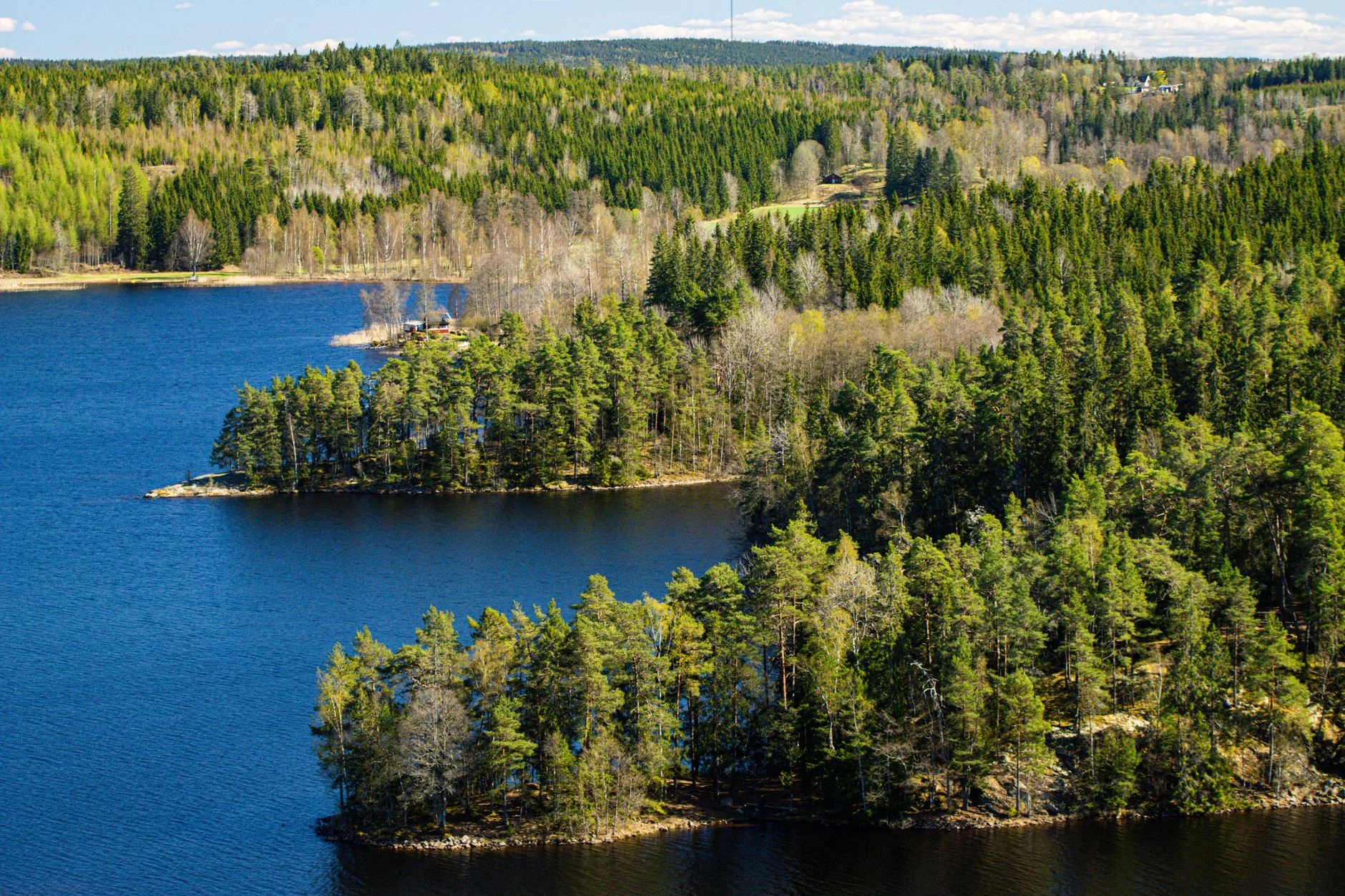
The traditional lands of Götaland, Svealand, and Norrland are geographic and cultural references, not itinerary proposals. Götaland, in the south, gathers medieval cities, cathedrals, and the lakes Vänern and Vättern. Svealand includes Stockholm. Norrland occupies more than half the country and has a low population density; its landscapes include forests, lakes, large rivers, wetlands, and mountains along the Norwegian border. When choosing destinations, check the distances between specific points: a single region can cover extensive areas.

Cities with different interests
Stockholm, the capital and largest city, stretches across several islands. Uppsala is noted for its cathedral and ancient university, as well as its historical link to the Viking era. Visby, on Gotland, was a Hanseatic League trading center and retains a notable wall; Karlskrona has been linked to Swedish naval history since the 17th century. These are references with distinct attractions, not stops that are necessarily close to one another. Before combining them, verify current connections and travel times. For more basic data on the capital, see Sweden in Northern Europe, with Stockholm as its capital.
Landscapes and islands: logistics depend on the location
The country features islands, forests, lakes, wetlands, and mountains. There are national parks near Stockholm, as well as more remote places like Sarek and Padjelanta; services and facilities vary. The right of access to nature does not replace transport planning nor guarantee services at the chosen site. Before including a rural area, check how to get there and what facilities exist at the specific destination. Avoid assuming that public transport covers all movements.
Train, bus, or car depending on the segment
Trains can be a useful option for travel between cities, and counties or their associations provide regional transport by train and bus. However, public transport is scarcer outside populated zones, and some lines may have few departures on weekends or holidays: check current schedules before finalizing the plan. A car can facilitate rural trips, but it involves driving and attending to winter conditions and the risk of animal collisions. If you choose train or bus, also review the services at each station: facilities vary, and some small stations offer little more than platforms and basic information.
Narrow down the route before booking
Decide whether the trip's center will be cities and heritage, an urban stay in Stockholm, or the less populated northern landscapes. Then, check each segment in planners and with the corresponding operators; verify schedules, connections, and station services, as transport data can change. Fewer stops can simplify logistics when the itinerary includes long distances. For a rural destination or a park, also confirm what services and facilities are available at that specific location.
Sources and references
Hide references
14 references
References consulted during editorial review. Times, requirements and advisories may change: always confirm with the official source.
-
Driving in SwedenLicence: CC BY-SA 4.0 Wikivoyage contributors · Driving in Sweden
-
SwedenLicence: CC BY-SA 4.0 Wikivoyage contributors · Sweden
-
Swedish phrasebookLicence: CC BY-SA 4.0 Wikivoyage contributors · Swedish phrasebook
-
Rail and bus travel in SwedenLicence: CC BY-SA 4.0 Wikivoyage contributors · Rail and bus travel in Sweden
-
Dinamarca - WikiviajesLicence: CC BY-SA 4.0 Wikivoyage contributors · Dinamarca - Wikiviajes
-
Suecia - WikiviajesLicence: CC BY-SA 4.0 Wikivoyage contributors · Suecia - Wikiviajes
-
Finlandia - WikiviajesLicence: CC BY-SA 4.0 Wikivoyage contributors · Finlandia - Wikiviajes
-
Åland - WikiviajesLicence: CC BY-SA 4.0 Wikivoyage contributors · Åland - Wikiviajes
-
Sami cultureLicence: CC BY-SA 4.0 Fuente: Wikivoyage
-
Nordic historyLicence: CC BY-SA 4.0 Fuente: Wikivoyage