Comparing South Africa's four diving regions and their conditions
South African waters vary in temperature, underwater landscape, and conditions along the coast. Understanding these differences helps you choose a diving area and verify if your experience matches what each dive requires.
Conditions described in the guide: confirm current requirements and access with the official source before travelling.
A documented soundscape that complements this guide to South Africa. South African waters vary in temperature, underwater landscape, and conditions along the coast. Understanding these differences helps you choose a diving area and verify if your experience matches what each dive requires.
Audio by Chronique · Jamendo · CC BY-SA · Duration: 04:40
Four zones to compare, not a single coast
The diving guide groups sites into four regions: west coast, south coast, east coast, and inland locations. Each region gathers similar water conditions and procedures, but the map does not eliminate local variations or transition zones. The practical separation between the west and south coasts lies east of False Bay; therefore, it is advisable to focus on the specific region of the site, not just the reference province or city.
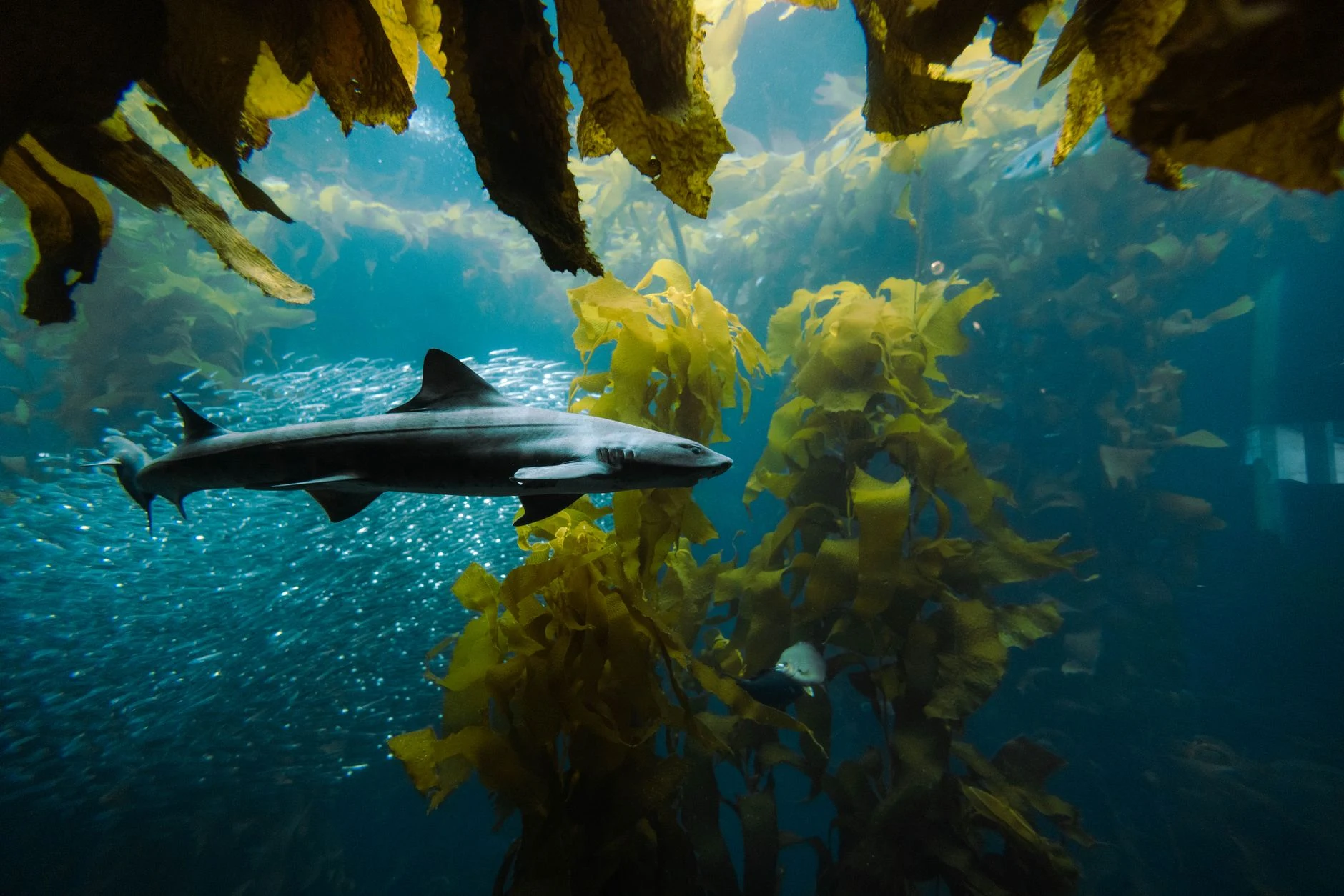
In northern KwaZulu-Natal, tropical reefs and Indo-Pacific type fish are found. Further south, temperate rocky seabeds host endemic species; to the west, colder waters and kelp forests change the appearance of the underwater environment. Inland sites expand the comparison with freshwater dives at high altitude, some with cave components and very different depths. The type of seabed and water is as useful a criterion as the location on the map.
The ocean matters less than currents and the environment
South Africa has a coastline along two oceans, but that nominal division is not enough to anticipate what it will feel like underwater. The western coast receives the cold influence of the Benguela Current, while the warm Agulhas Current flows south along the eastern coast. To compare a dive, it is more practical to ask about the expected temperature, swell, currents, and visibility at the specific site than to rely solely on the name of the ocean.
Conditions described for the west coast may include cold water and variable visibility. The guide notes that shore entry is an option in much of that region, but it depends on the diver's physical condition and access to the water. This possibility does not equate to an easy entry for everyone: confirm the access point and local conditions with an operator or an updated source.
Your own experience must weigh in the choice
South African diving can be physically more demanding than diving in popular tropical destinations. Depending on the region, it may involve cold water, entries from the surf, background swell, or strong currents. The guide recommends having an adequate level of physical fitness and skill to enjoy the activity; it does not offer an individual assessment of suitability.
Before finalizing a dive, compare the site's demands with your recent experience and ask what specific conditions are expected that day. The information consulted is primarily aimed at already qualified divers, so it should not be read as a beginner's proposal or a guarantee that a dive is appropriate for any level. The most sensible choice depends on the site and your preparation, not on a general promise about the country.
Marine migrations: a reason to verify dates
The annual sardine migration to the east is well known, and the breeding of chokka squid also attracts predators. The presence of these phenomena can influence the expectations of a dive, but the available information does not allow fixing specific months or guaranteeing sightings. If the main interest is observing a migration or seasonal activity, check dates, location, and recent reports before organizing the trip.
To contrast regions and conditions, you can continue with this guide on the differences between South African marine regions. Operator services, access to sites, and sea conditions are variable details: verify them again before leaving.
Sources and references
Hide references
14 references
References consulted during editorial review. Times, requirements and advisories may change: always confirm with the official source.
-
AfricaLicence: CC BY-SA 4.0 Wikivoyage contributors · Africa
-
Diving in South AfricaLicence: CC BY-SA 4.0 Wikivoyage contributors · Diving in South Africa
-
20th-century South AfricaLicence: CC BY-SA 4.0 Wikivoyage contributors · 20th-century South Africa
-
Sudáfrica - WikiviajesLicence: CC BY-SA 4.0 Wikivoyage contributors · Sudáfrica - Wikiviajes
-
Mozambique - WikiviajesLicence: CC BY-SA 4.0 Wikivoyage contributors · Mozambique - Wikiviajes
-
Namibia - WikiviajesLicence: CC BY-SA 4.0 Wikivoyage contributors · Namibia - Wikiviajes
-
Esuatini - WikiviajesLicence: CC BY-SA 4.0 Wikivoyage contributors · Esuatini - Wikiviajes
-
South AfricaLicence: CC BY-SA 4.0 Fuente: Wikivoyage
-
South AfricaLicence: ODbL 1.0 World countries dataset by mledoze and contributors · ODbL 1.0
-
PretoriaLicence: Datos geográficos bajo CC BY 4.0; requiere atribución a GeoNames. Fuente: GeoNames
-
German International School Cape TownLicence: CC BY-SA 3.0 DBpedia
-
Natale in SudafricaLicence: CC BY-SA 3.0 DBpedia
