Distinguishing Vatican City from Rome’s Borgo and Prati districts
Vatican City is a landlocked state in Southern Europe, entirely surrounded by Rome. Distinguishing its sovereign territory from the nearby Roman districts helps you check which place and entrance each piece of information refers to.
A state within Rome, not another neighbourhood
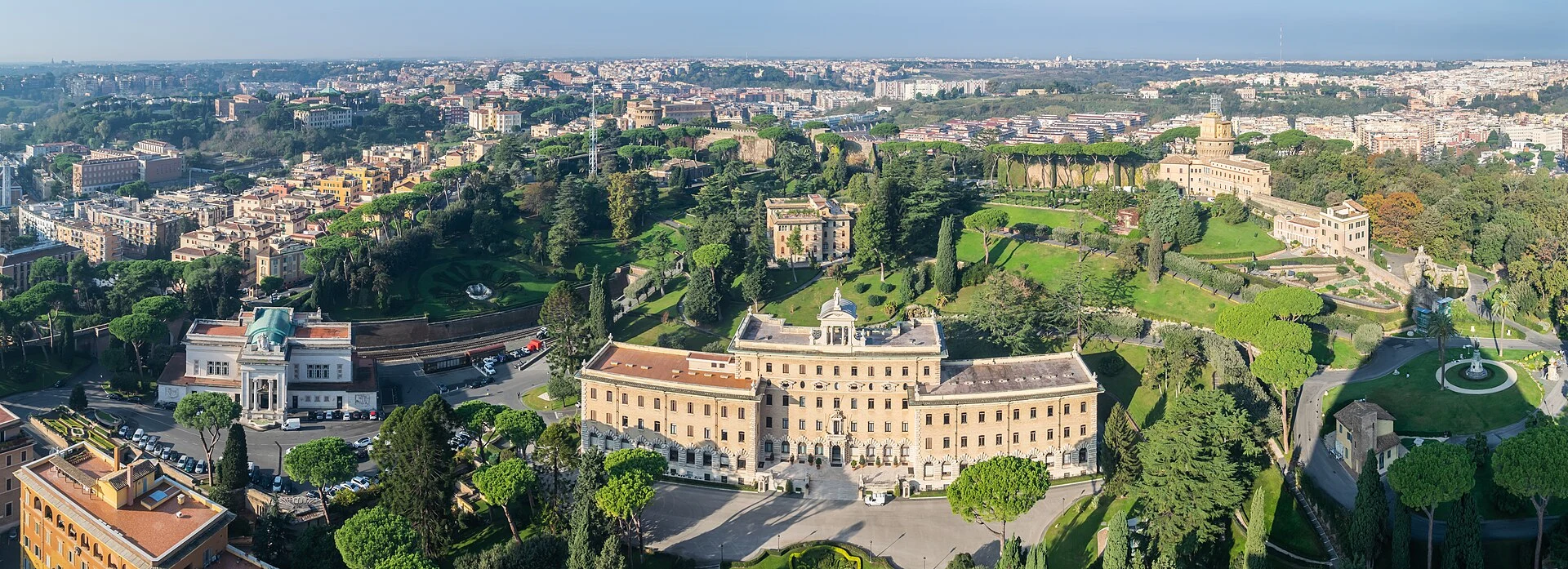
Vatican City is a landlocked state in Southern Europe, enclosed within Italian territory. The Holy See, by contrast, refers to the Pope’s ecclesiastical and administrative authority; it is not another name for the state’s territory. Keeping the two concepts separate helps you distinguish the place you are visiting from the institution based there.
Geographical references also need careful reading. Some guides use “Vatican” more broadly to include the Roman districts of Borgo and Prati; that broader area is not the territory of the state. If directions mention a gate, stop or attraction, check that it corresponds to the specific place you want to visit.
What the euro tells you—and what it doesn’t
Italian and Latin are listed among the country’s recorded languages, and its currency is the euro. These details help orient you, but they do not tell you which language will be used during a particular visit or what access conditions apply.
According to the travel guidance consulted, Vatican City does not issue visas or residence permits to visitors. This does not replace checking the entry rules that apply to your trip to Italy or the Schengen Area: confirm the requirements with the relevant authority, taking your nationality and circumstances into account.
Plan your day around the place you want to see
The guide consulted identifies three areas for visitors: St Peter’s Square and Basilica, the Vatican Museums, and the Sistine Chapel. It also describes pedestrian access and public transport in relation to these particular destinations, rather than as one general entrance. Decide where you are going first, then check the relevant entrance.
Information about buses, the metro, trains, tickets, opening times and possible closures can change. Before setting out, confirm details with official sources and the transport operator; do not treat older directions in a guide as a guarantee that a service is still running. If you need to assess accessibility, look for information specific to the route and entrance you plan to use.
A visit shaped by heritage and context
St Peter’s Basilica and the Vatican Museums, home to the Sistine Chapel, account for much of the destination’s artistic and religious interest. Political history helps explain why an independent state exists within Rome: disagreements between the popes and the Kingdom of Italy were resolved by the Lateran Pacts of 1929.
This context helps you understand the place as a territory, a religious centre and a collection of heritage without confusing those different dimensions. For practical details about a specific visit, consult the official information for the site you have chosen and confirm that it is current before travelling.
Sources and references
Hide references
14 references
References consulted during editorial review. Times, requirements and advisories may change: always confirm with the official source.
-
Rome/VaticanLicence: CC BY-SA 4.0 Wikivoyage contributors · Rome/Vatican
-
Southwestern EuropeLicence: CC BY-SA 4.0 Wikivoyage contributors · Southwestern Europe
-
Old towns in Italy and MaltaLicence: CC BY-SA 4.0 Wikivoyage contributors · Old towns in Italy and Malta
-
Unión Europea - WikiviajesLicence: CC BY-SA 4.0 Wikivoyage contributors · Unión Europea - Wikiviajes
-
Italia - WikiviajesLicence: CC BY-SA 4.0 Wikivoyage contributors · Italia - Wikiviajes
-
Ciudad del Vaticano - WikiviajesLicence: CC BY-SA 4.0 Wikivoyage contributors · Ciudad del Vaticano - Wikiviajes
-
RomeLicence: CC BY-SA 4.0 Fuente: Wikivoyage
-
Ciudad del VaticanoLicence: CC0 1.0 Wikidata · Q237
-
Vatican CityLicence: ODbL 1.0 World countries dataset by mledoze and contributors · ODbL 1.0
-
Vatican CityLicence: Datos geográficos bajo CC BY 4.0; requiere atribución a GeoNames. Fuente: GeoNames
-
Vatican CityLicence: Datos geográficos bajo CC BY 4.0; requiere atribución a GeoNames. Fuente: GeoNames
-
Luis FERROGGIARO - Víctor Manuel OCHOA CADAVID (eds.), Los últimos cien años de la evangelización en América Latina. Centenario del Concilio Plenario de América Latina. Simposio histórico. Actas. Ciudad del Vaticano, 21-25 de junio de 1999, Libreria EditrLicence: Metadatos públicos; derechos específicos por campo cuando correspondan Crossref
-
Cipriano CALDERÓN (dir.), Historia de la Evangelización de América. Actas del Simposio Internacional celebrado en la Ciudad del Vaticano, 11-14 de mayo de 1992, Libreria Editrice Vaticana, Ciudad del Vaticano 1992, 941 pp., 23 x 16.Licence: Metadatos públicos; derechos específicos por campo cuando correspondan Crossref