Fiji island selection based on landscape, activities and connections
Suva and Viti Levu serve as references, but the islands of Fiji offer distinct experiences. Use your priorities to narrow down the route and verify connections before booking.
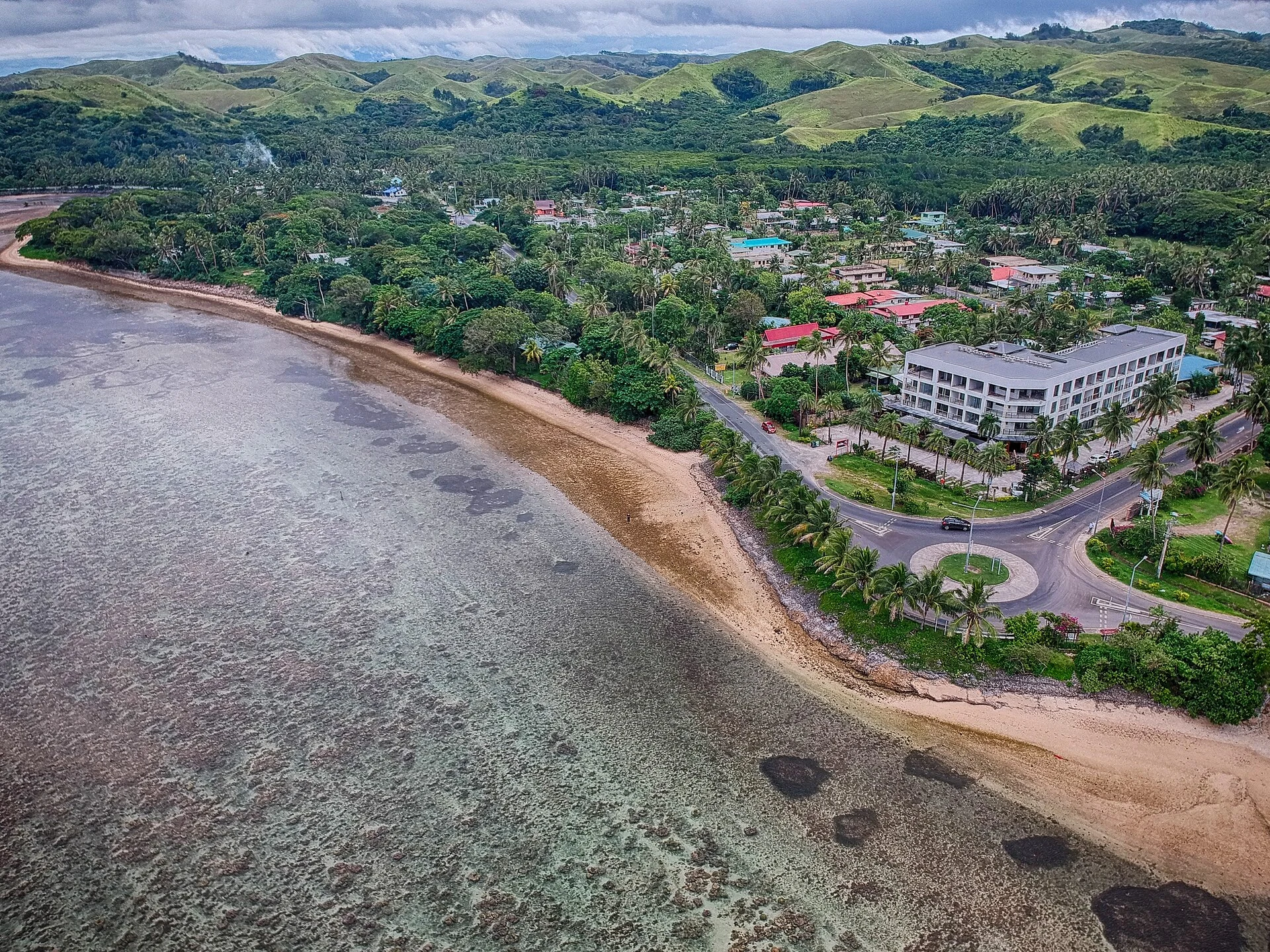
Start with the scale of the archipelago
The consulted guide describes nine island groups and distinguishes, among others, Viti Levu, the Lomaiviti islands, the Lau group, and Rotuma. Viti Levu is the largest and most populous island, and it houses the capital; Vanua Levu is the second largest island, and Taveuni is the third. These references help organize the map, but they are not enough to decide on a route: the distances between islands make it necessary to confirm separately how to get to each place. Geography first; connections second.
Suva orients, but does not summarize the trip
Suva is on the southeast coast of Viti Levu and is the capital. It can be a reference point for understanding the main island, although the consulted guide notes that it is not usually the focus of the tourist visit. Nadi appears as a transit center in the available information, but that mention does not confirm current schedules or connections. If you plan to link the capital with other islands or cities, check the current options before fixing the order of the trip. A useful stopover is not a resolved route.
Choose by landscape and activity
The sources describe very different options: beaches and islands like the Mamanucas, diving in various places in the archipelago, and hikes through forested interior areas. Among the named examples are the Yasawa islands, Taveuni, and Bouma National Park; these are references for research, not a guarantee of access or current conditions. If diving is a priority, consult a specialized and current source on sites, operators, and requirements; a diving guide warns that its information may be incomplete. Define first what you want to do and then compare the logistics of each place.
Allow for conditions and confirm what is variable
The sources describe Fiji as a destination with a tropical maritime climate and point out that it can rain a lot in Taveuni. They do not allow deducing weather conditions for specific dates or ensuring that an activity will take place. Before closing the itinerary, verify connections, services, forecasts, and any access conditions with updated sources. English, Fijian, and Fiji Hindi are among the registered languages; the Fijian dollar is the currency. Use these data as initial references, not as a substitute for practical verification.
Sources and references
Hide references
13 references
References consulted during editorial review. Times, requirements and advisories may change: always confirm with the official source.
-
FijiLicence: CC BY-SA 4.0 Wikivoyage contributors · Fiji
-
Fijian phrasebookLicence: CC BY-SA 4.0 Wikivoyage contributors · Fijian phrasebook
-
Diving in FijiLicence: CC BY-SA 4.0 Wikivoyage contributors · Diving in Fiji
-
WikiviajesLicence: CC BY-SA 4.0 Wikivoyage contributors · Wikiviajes
-
Fiyi - WikiviajesLicence: CC BY-SA 4.0 Wikivoyage contributors · Fiyi - Wikiviajes
-
Suva - WikiviajesLicence: CC BY-SA 4.0 Wikivoyage contributors · Suva - Wikiviajes
-
TaveuniLicence: CC BY-SA 4.0 Fuente: Wikivoyage
-
SuvaLicence: Datos geográficos bajo CC BY 4.0; requiere atribución a GeoNames. Fuente: GeoNames
-
Suva, Rewa, Central, FijiLicence: ODbL 1.0; atribución y obligación de compartir bases derivadas. Fuente: OpenStreetMap
-
FijiLicence: CC BY-SA 3.0 DBpedia
-
SuvaLicence: CC BY-SA 3.0 DBpedia


