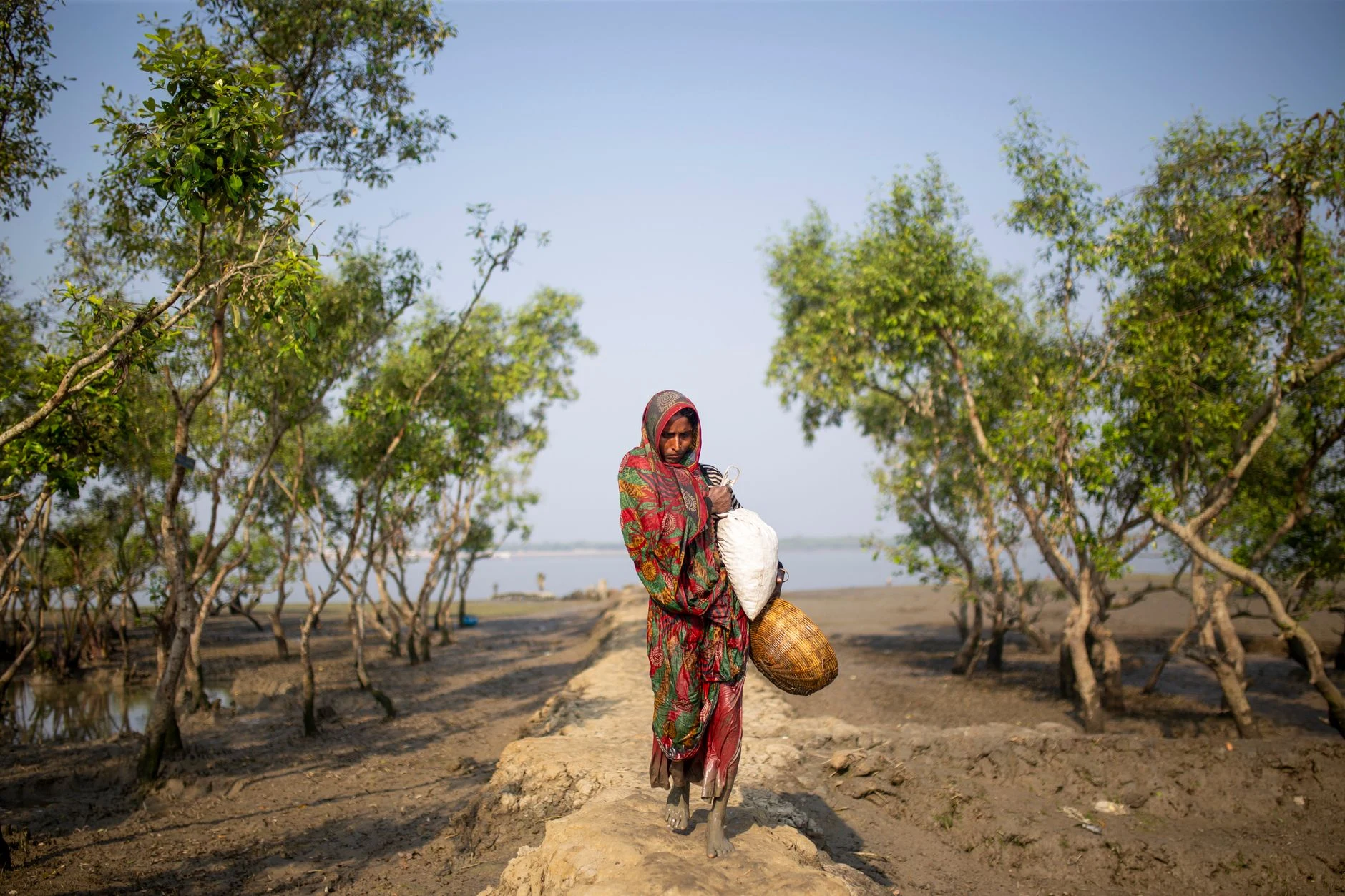
Four Regions of Jordan to Structure Your Itinerary
Amman, Madaba, Petra, Wadi Rum, and Aqaba belong to distinct landscapes and regions. Understanding this geography helps you decide what to combine and which current details to verify before finalizing a route.
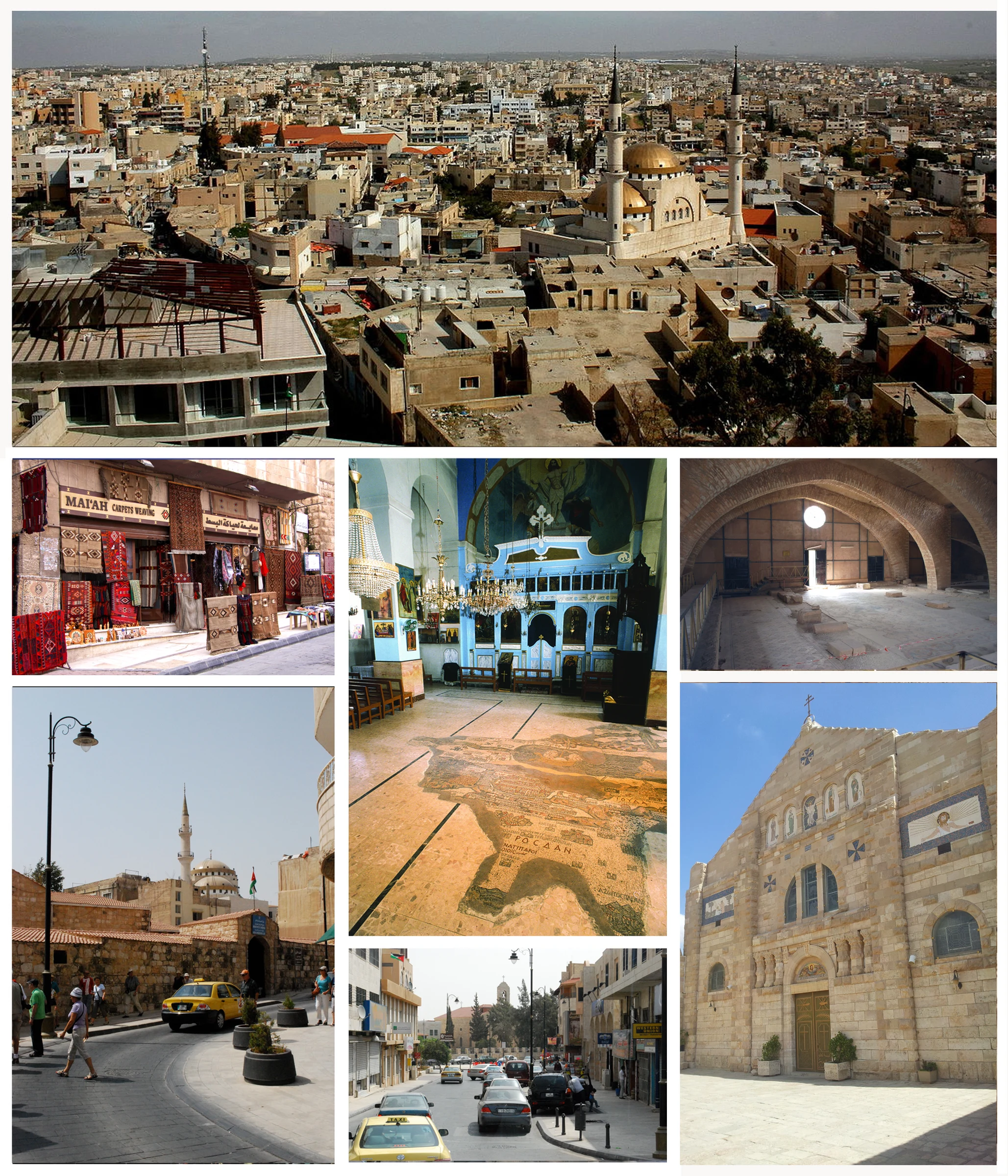
Four regions to prioritize your route
A useful division distinguishes the north, the King's Highway, the southern desert, and the eastern desert. The north includes Amman and is the most developed and populated region according to the guide consulted. The King's Highway gathers references such as Madaba and the Jordanian coast of the Dead Sea; the south concentrates Petra, Wadi Rum, and Aqaba. In the east, the desert castles provide a distinct reason to explore the territory. Regional choice helps avoid a route that accumulates distant locations simply because they appear on the same map.

Cities and heritage with different profiles
Amman is the political, economic, and cultural center of the country. Further north, Jerash preserves extensive Roman ruins, while Ajlun is associated with a 12th-century castle. Salt is an ancient city that once served as the capital. In Madaba, the highlighted historical attraction is the 6th-century Byzantine mosaic known as the Madaba Map, which depicts the Holy Land. These are places with different histories and scales: ruins, castle, historical city, and mosaic are not interchangeable visits. Check current access and visit details for each site before you leave.
The south combines Petra, desert, and sea
Petra, carved into sandstone, and Wadi Rum, described by its granite cliffs and desert sands, are two markedly distinct landscapes within the southern region. Aqaba, on the gulf of the same name, offers a coastal context and is known for its coral reefs and diving. Regional proximity does not mean transfers are simple or conditions are identical at all points: confirm connections, travel times, and current status before committing to a sequence.
The east and north expand the historical map
In the eastern desert, castles are distributed, associated in the guide with the caliphs of the Umayyad period. In the north, the Ajlun Castle is a 12th-century Islamic military construction, while Pella appears as an archaeological site and nature area with hiking in the available information. These examples allow you to combine heritage, but the general description does not replace verification of current opening hours, routes, or services. In particular, do not turn a mention of hiking into an assumption about the effort or accessibility of the trail.
Practical decisions before finalizing the itinerary
Arabic and the Jordanian dinar are useful references for preparing your visit; the guide also describes regional varieties of Jordanian Arabic. To move from geographical orientation to a plan, verify transport, access, and security conditions with updated information, as these can change. If you are interested in the Dead Sea coast, note that the guide places it in the King's Highway region; do not confuse it with the Gulf of Aqaba, which is a different landscape and area of the country. Check each leg and each visit separately, rather than assuming old data on schedules, fees, or services is still valid.
Sources and references
Hide references
14 references
References consulted during editorial review. Times, requirements and advisories may change: always confirm with the official source.
-
JordanLicence: CC BY-SA 4.0 Wikivoyage contributors · Jordan
-
Jordanian Arabic phrasebookLicence: CC BY-SA 4.0 Wikivoyage contributors · Jordanian Arabic phrasebook
-
Northern JordanLicence: CC BY-SA 4.0 Wikivoyage contributors · Northern Jordan
-
Southern Desert (Jordan)Licence: CC BY-SA 4.0 Wikivoyage contributors · Southern Desert (Jordan)
-
Oriente Medio - WikiviajesLicence: CC BY-SA 4.0 Wikivoyage contributors · Oriente Medio - Wikiviajes
-
Irak - WikiviajesLicence: CC BY-SA 4.0 Wikivoyage contributors · Irak - Wikiviajes
-
Jordania - WikiviajesLicence: CC BY-SA 4.0 Wikivoyage contributors · Jordania - Wikiviajes
-
Mar Muerto (Jordania) - WikiviajesLicence: CC BY-SA 4.0 Wikivoyage contributors · Mar Muerto (Jordania) - Wikiviajes
-
Eastern Desert (Jordan)Licence: CC BY-SA 4.0 Fuente: Wikivoyage
-
Palestinian territoriesLicence: CC BY-SA 4.0 Fuente: Wikivoyage