Hlane and Malolotja: Two Reserves, Two Landscapes in Eswatini
Hlane and Malolotja suit different priorities: a wildlife-focused visit or a mountainous landscape with dramatic elevation changes. Compare what each offers and what to check before setting out.
Hlane: wildlife comes first
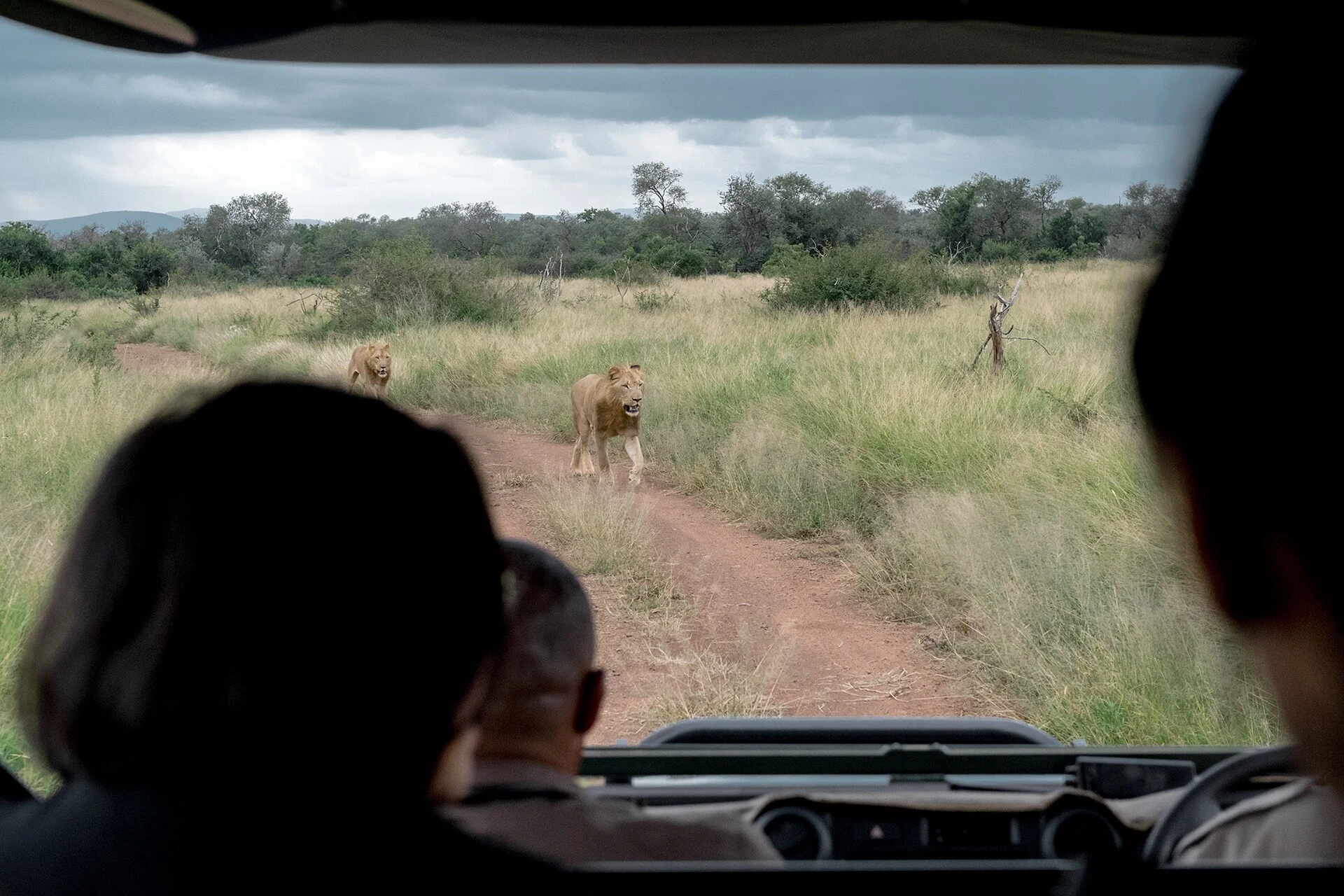
Hlane lies northeast of Manzini, about 67 km away according to the guide consulted, and is described as Eswatini’s park with the largest number of animals. The same guide mentions guided walks to track elephants and rhinos, but does not confirm whether this activity is currently available or under what conditions. If this is your main reason for visiting, ask directly about current activities, access and services before arranging the journey.
For historical context, the guide dates the park’s creation to 1967, by order of King Sobhuza II, on land that had previously been a private hunting reserve. This explains its origins, not current visiting conditions.
Malolotja: elevation, river and varied habitats
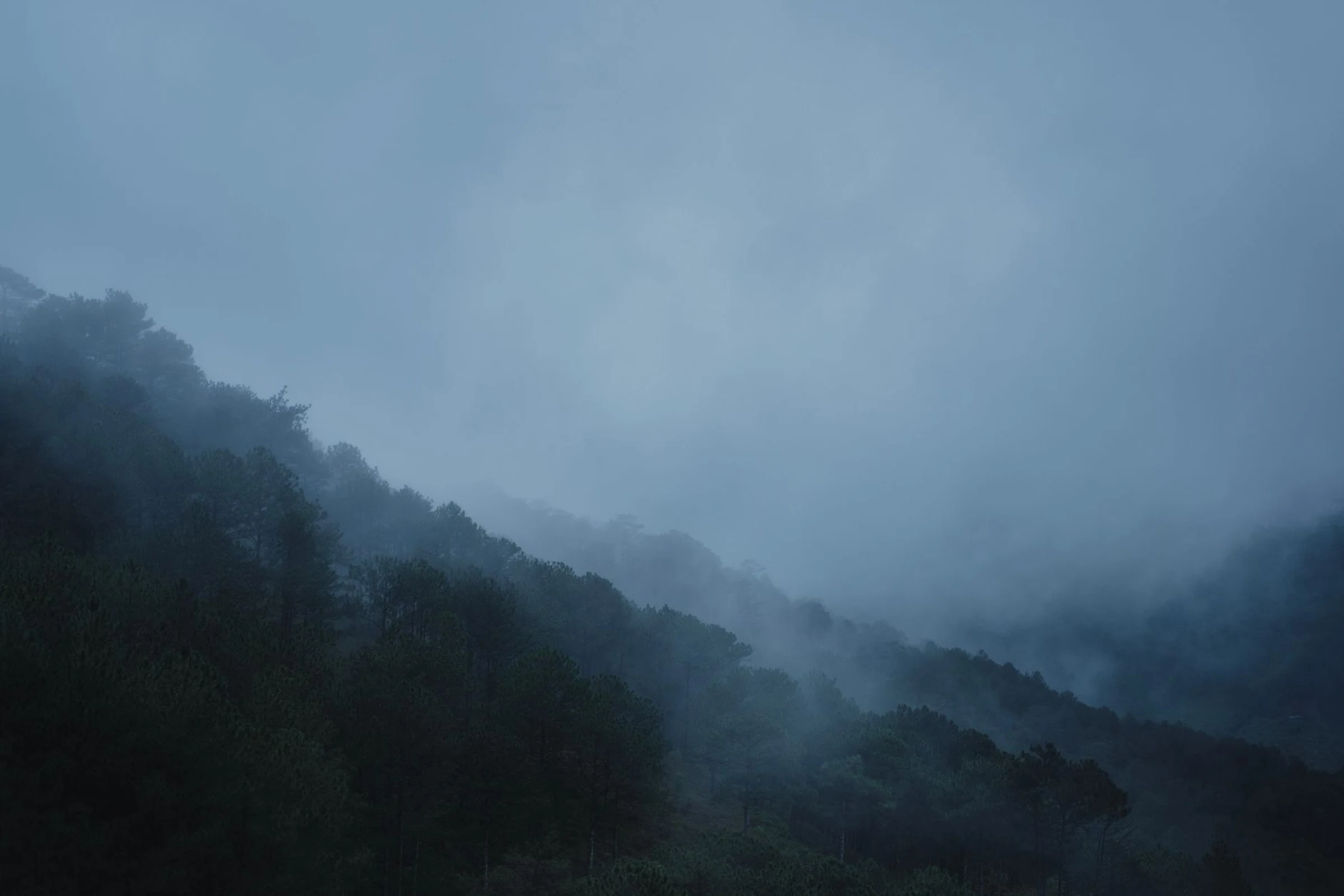
In the northwest of the country, Malolotja stretches from Mount Ngwenya, at 1,829 m, to the Nkomati River valley, at 640 m. This range in elevation helps explain the variety found in the reserve: grasslands, riverine vegetation, shrubland and Afromontane forest.
The Malolotja River rises in the eastern part of the reserve, crosses high-altitude wetlands, then descends through waterfalls and a gorge before joining the Nkomati. The draw here is the mountain scenery and environmental diversity; these features do not guarantee wildlife sightings or indicate the condition of roads or the difficulty of a visit.
Practical choice: what to check before you go
Choose Hlane if wildlife is your main interest, and Malolotja if you are looking for mountain scenery with varied habitats. The Hlane guide also mentions nearby Mlawula Nature Reserve, but the information available is not enough to compare travel times, access or transfers between places.
For either reserve, confirm current entry conditions, available activities, transport and services with the people responsible for the site. Distances and geographic descriptions can help you choose a priority, but they do not settle the logistics.
Sources and references
Hide references
14 references
References consulted during editorial review. Times, requirements and advisories may change: always confirm with the official source.
-
Hlane Royal National ParkLicence: CC BY-SA 4.0 Wikivoyage contributors · Hlane Royal National Park
-
Malolotja Nature ReserveLicence: CC BY-SA 4.0 Wikivoyage contributors · Malolotja Nature Reserve
-
MbabaneLicence: CC BY-SA 4.0 Wikivoyage contributors · Mbabane
-
EswatiniLicence: CC BY-SA 4.0 Wikivoyage contributors · Eswatini
-
Mozambique - WikiviajesLicence: CC BY-SA 4.0 Wikivoyage contributors · Mozambique - Wikiviajes
-
Mbabane - WikiviajesLicence: CC BY-SA 4.0 Wikivoyage contributors · Mbabane - Wikiviajes
-
Esuatini - WikiviajesLicence: CC BY-SA 4.0 Wikivoyage contributors · Esuatini - Wikiviajes
-
LobambaLicence: Datos geográficos bajo CC BY 4.0; requiere atribución a GeoNames. Fuente: GeoNames
-
Lobamba, Inkhundla Lobamba, Hhohho Region, EswatiniLicence: ODbL 1.0; atribución y obligación de compartir bases derivadas. Fuente: OpenStreetMap
-
EswatiniLicence: CC BY-SA 3.0 DBpedia
-
South African Standard TimeLicence: CC BY-SA 3.0 DBpedia
-
MbabaneLicence: CC BY-SA 3.0 DBpedia