Malaysia’s East Coast: Islands, Coastal Towns and the Interior
The Perhentian Islands, Redang and Tioman draw visitors to the sea, while Pahang opens up river, rainforest and mountain landscapes. Choose a focus and check connections to build a realistic route.
A coast with different landscapes
Kelantan, Terengganu and Pahang are three useful reference points for finding your way around this part of the peninsula, not a single, uniform experience. Terengganu is especially associated with its islands and coastal towns; Pahang combines coast and interior, while Kelantan stands out for its villages and distinctive regional culture.
Cities such as Kota Bharu, Kuala Terengganu and Kuantan help locate the respective states. When choosing where to go, prioritize the landscapes you want to see and the time you are willing to spend travelling. The east coast works best as a set of options, not as a list of stops to complete.
Perhentian, Redang and Tioman: compare before choosing
The Perhentian Islands, Redang and Tioman are well-known for their beaches and diving. Their shared appeal does not mean access, services or conditions are the same. If underwater activities are central to your trip, compare what each island offers and what travel is involved in getting there.
Before finalizing your plans, confirm connections and availability with operators for your dates. General information cannot tell you whether a particular transfer will be running then or predict sea conditions. Allow time to verify the connections between the coastal town and the island.
Pahang: from river to mountain interior
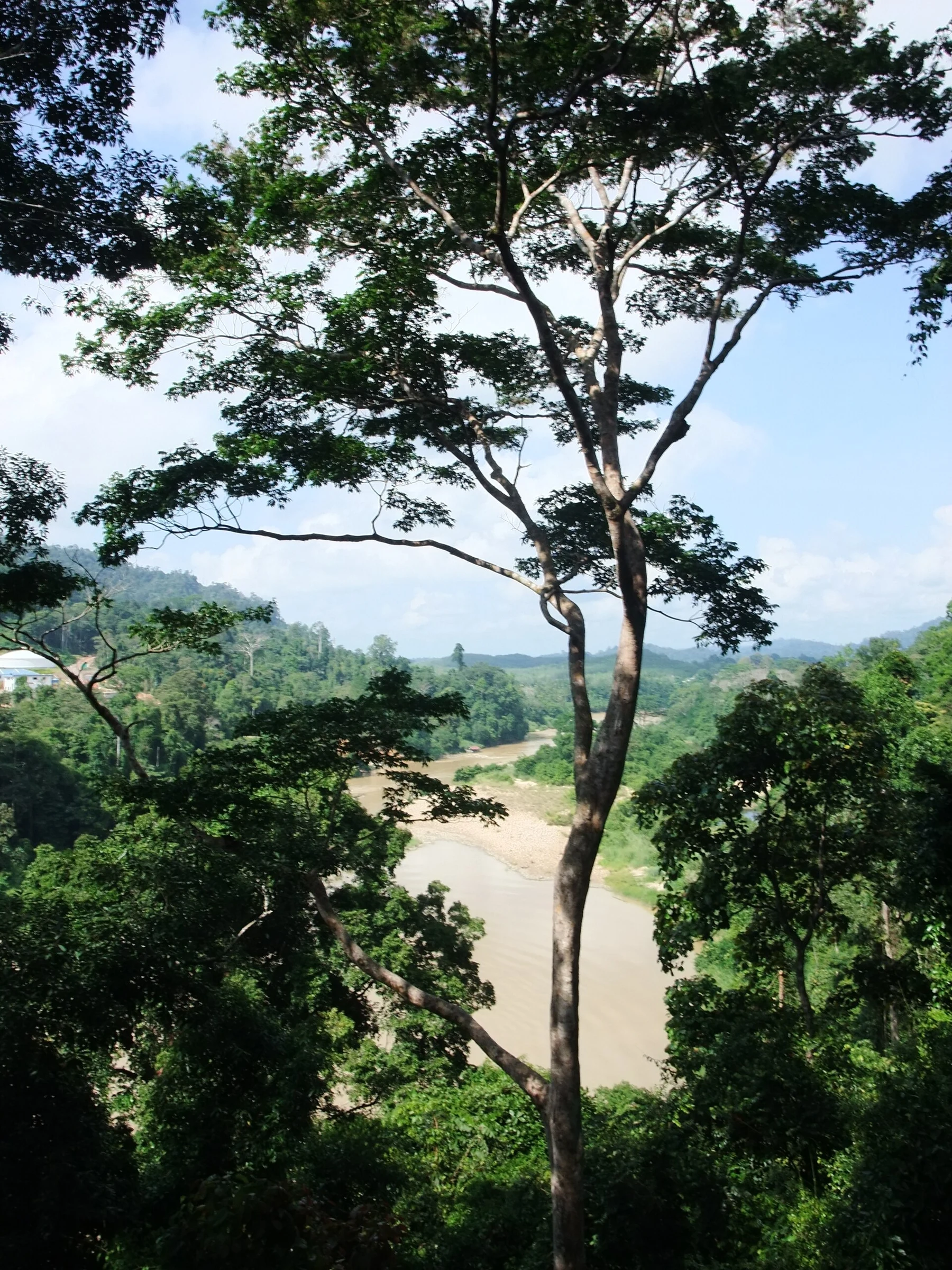
Pahang offers a change of focus from the coast to the interior. At 459 km, the Pahang River is the longest river in Peninsular Malaysia, and a large part of Taman Negara lies in this state. Cameron Highlands and Fraser’s Hill add mountain landscapes and tea plantations.
These are distinct landscapes, and you should not assume they can easily be combined with a stay on an island. Research the journeys and services needed for each place separately. A reference to rainforest or mountains, by itself, does not tell you how demanding or accessible a particular route is, or what condition it is in.
Kelantan and Terengganu: regional culture and flavours
Kelantan has its own cultural identity and a Malay dialect that can be difficult for speakers of other Malay dialects to understand. Chinese communities also live in the region’s main cities. Keeping this diversity in mind helps ensure the trip is not reduced to coastal scenery.
Food offers some concrete regional reference points: nasi dagang is associated with Kelantan, while keropok lekor, a fish preparation, is associated with Terengganu. Ask about local specialities and their variations; the same dish name does not guarantee an identical recipe everywhere.
Transfers and planning: what to check
Kuantan is Pahang’s main city; Kota Bharu and Kuala Terengganu are the capitals of Kelantan and Terengganu. The guides consulted describe flights from Kuala Lumpur to east-coast cities and a railway line crossing the interior to the area near Kota Bharu, but those references do not confirm that services are currently operating.
Check directly with airlines and rail operators whether routes and frequencies are still available for your dates. Do the same for transfers to the islands and inland destinations. If your itinerary depends on several connections, do not build it around one you have not yet confirmed. To place these options in the wider country, see also how Peninsular Malaysia and Borneo differ.
Sources and references
Hide references
14 references
References consulted during editorial review. Times, requirements and advisories may change: always confirm with the official source.
-
East Coast (Malaysia)Licence: CC BY-SA 4.0 Wikivoyage contributors · East Coast (Malaysia)
-
MalaysiaLicence: CC BY-SA 4.0 Wikivoyage contributors · Malaysia
-
Cuisine of Malaysia, Singapore and BruneiLicence: CC BY-SA 4.0 Wikivoyage contributors · Cuisine of Malaysia, Singapore and Brunei
-
Brunéi - WikiviajesLicence: CC BY-SA 4.0 Wikivoyage contributors · Brunéi - Wikiviajes
-
Kuala Lumpur - WikiviajesLicence: CC BY-SA 4.0 Wikivoyage contributors · Kuala Lumpur - Wikiviajes
-
Malasia - WikiviajesLicence: CC BY-SA 4.0 Wikivoyage contributors · Malasia - Wikiviajes
-
George Town (Malaysia)Licence: CC BY-SA 4.0 Fuente: Wikivoyage
-
MalaysiaLicence: CC BY-SA 3.0 DBpedia
-
Malaysia national football teamLicence: CC BY-SA 3.0 DBpedia
-
Prasarana MalaysiaLicence: CC BY-SA 3.0 DBpedia