Maseru, Thaba Bosiu and Lesotho’s Mountain Parks
Lesotho’s highlands, mountain areas and sites connected with Basotho history offer different ways to experience the country. Maseru is a useful starting reference, but check connections and access conditions before settling on a route.
Maseru: a starting point for a wider itinerary
The capital brings together many practical reference points. One travel guide describes Maseru as a transport hub and notes that minibus taxis serve places around the country connected by road. This does not confirm current frequency, availability or operating conditions, so check with the relevant operator before booking or linking stages of your trip. If you arrive from South Africa, also confirm the current options at the border crossing you plan to use.
The National Museum of Lesotho, located in Maseru according to the information consulted, displays historical objects and traditional art. It can provide context before you travel elsewhere; check directly whether it is open and what services it offers when planning your visit.
Thaba Bosiu and the history of the kingdom
Thaba Bosiu is described in the sources as the mountain stronghold where King Moshoeshoe established the Kingdom of Lesotho. That connection makes it a worthwhile stop for travellers seeking to understand the country’s political history, rather than focusing only on scenery. The available information does not detail routes, interpretation at the site or access conditions, so check these before setting out.
Lesotho gained independence on 4 October 1966. For a broader historical perspective, the guide consulted links the formation of the kingdom to the search for protection amid regional conflict and territorial pressure. The history of the Basotho people should not be reduced to a single stronghold or episode.
Mountain parks: compare before you decide
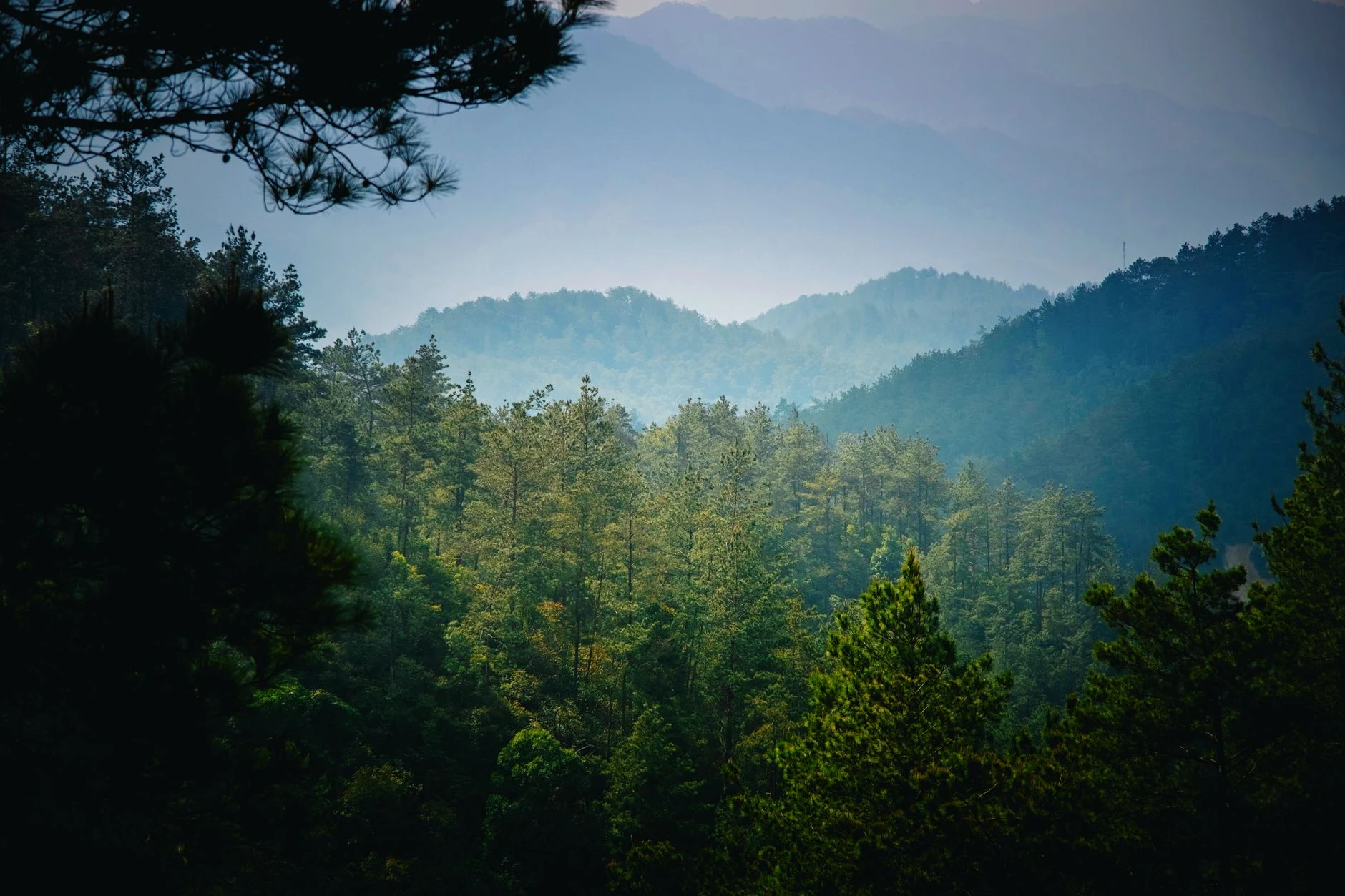
The sources describe two options with different profiles. Sehlabathebe is a remote mountain reserve associated with trails, waterfalls, wildlife, rock paintings and stone shelters. Ts’ehlanyane, in Leribe District, is described as a subalpine park with trails, pools and rivers, as well as one of the few remaining Che-Che forests.
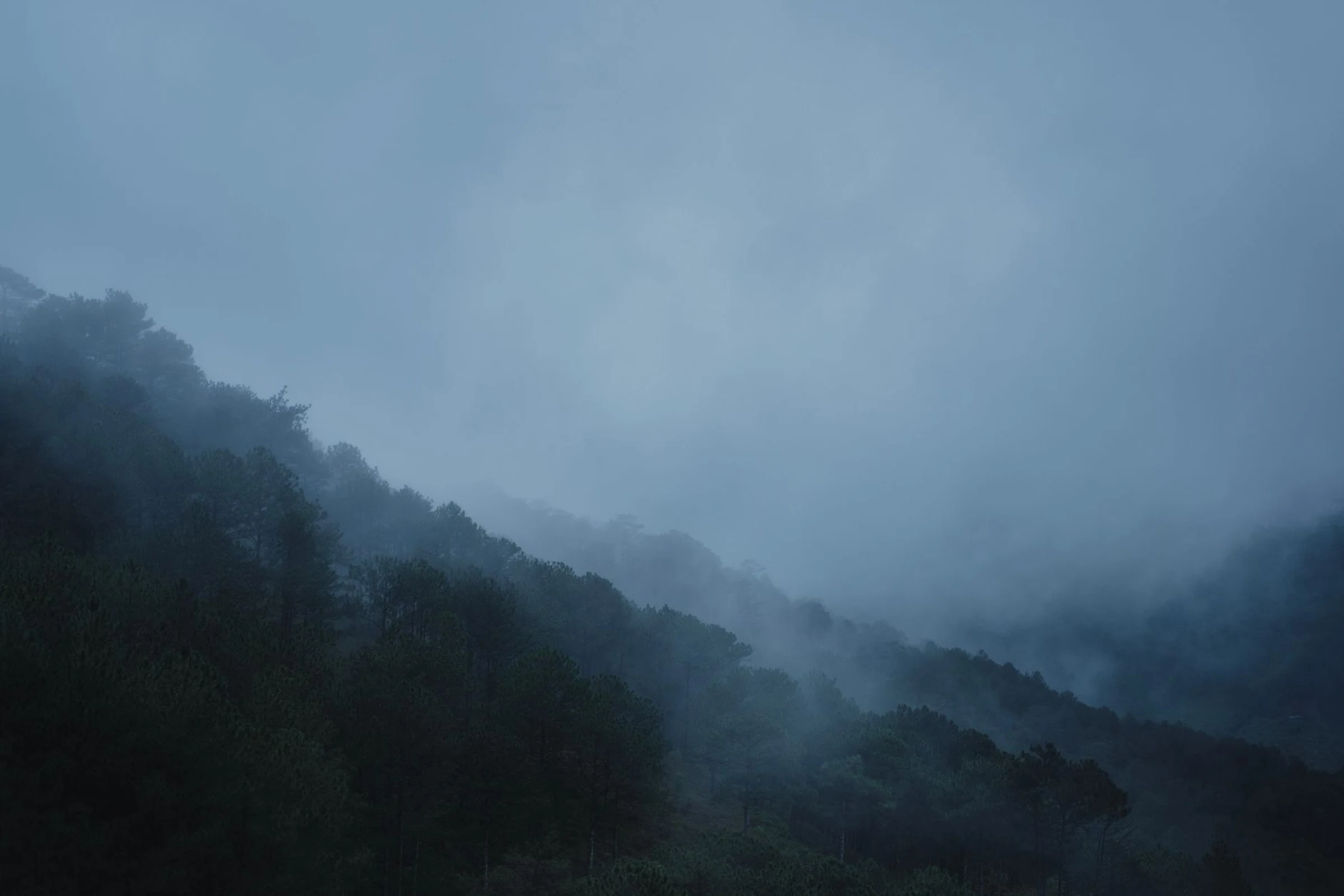
This comparison can help you match places to your interests, but it does not mean the two areas have equivalent access or services. Distances, road conditions and entry arrangements can change, so confirm local information before committing to a visit. In mountain areas, also allow for changing weather: the national guide notes that it can snow in the highlands, even outside winter.
Choosing between outdoor adventure and cultural context
Activities mentioned in the country include hiking, horseback routes, skiing at Afriski during the southern-hemisphere winter, and mountain sports in summer. They differ in difficulty, equipment and logistics; the information available is not enough to confirm current operators, conditions or required skill levels. Ask about the activity’s current status and what is included before making arrangements.
For cultural experiences, the guide identifies Teyateyaneng as a craft centre and Morija as a place with a museum and dinosaur footprints. You do not need to pack in many stops: one mountain experience and one heritage or craft visit can add variety, provided the transfers are practical.
What to check before finalising your itinerary
English and Sesotho are among the languages listed for Lesotho, and the currencies recorded are the loti (LSL) and the South African rand (ZAR). Knowing these names helps when interpreting local information, but it does not tell you which currency is accepted for a particular payment or what exchange terms apply.
Transport and activity details come from guides that may become outdated. Confirm routes, schedules, availability, prices and access conditions with the relevant current sources or operators. For entry requirements, consult the appropriate official authority for your nationality; rules can change.
Sources and references
Hide references
14 references
References consulted during editorial review. Times, requirements and advisories may change: always confirm with the official source.
-
LesothoLicence: CC BY-SA 4.0 Wikivoyage contributors · Lesotho
-
MaseruLicence: CC BY-SA 4.0 Wikivoyage contributors · Maseru
-
Oxbow (Lesotho)Licence: CC BY-SA 4.0 Wikivoyage contributors · Oxbow (Lesotho)
-
Ukhahlamba DrakensbergLicence: CC BY-SA 4.0 Wikivoyage contributors · Ukhahlamba Drakensberg
-
Lesoto - WikiviajesLicence: CC BY-SA 4.0 Wikivoyage contributors · Lesoto - Wikiviajes
-
Esuatini - WikiviajesLicence: CC BY-SA 4.0 Wikivoyage contributors · Esuatini - Wikiviajes
-
Ts'ehlanyane National ParkLicence: CC BY-SA 4.0 Fuente: Wikivoyage
-
MaseruLicence: Datos geográficos bajo CC BY 4.0; requiere atribución a GeoNames. Fuente: GeoNames
-
LesothoLicence: CC BY-SA 3.0 DBpedia
-
South African Standard TimeLicence: CC BY-SA 3.0 DBpedia
-
MaseruLicence: CC BY-SA 3.0 DBpedia