Preparing your health for a long trip
Plan a travel health consultation, vaccines, medication and insurance for a long or cycling trip using official health sources.
Book a consultation while planning the route
WHO advises visiting a travel clinic preferably four to eight weeks before departure, or earlier for a complicated journey. This gives time to assess vaccination schedules and arrange paperwork. If you leave sooner, still request an appointment and explain your departure date.
Find a travel medicine service or an authorised international vaccination centre through your country’s health system. In Spain, the Ministry of Health provides the directory of International Vaccination Centres and appointment options. Your usual healthcare service can help review ongoing treatment. Bring vaccination records, a medication and allergy list, and a stage-by-stage itinerary showing approximate dates, stopovers, altitude, rural areas, accommodation and activities. Discuss pregnancy, existing conditions and other relevant circumstances. For a long stay, ask about outstanding medical and dental checks.
Separate entry requirements from vaccine recommendations
Required vaccines relate to entry or exit rules. Requirements can depend on countries visited previously, transit stops or particular activities and events. Recommended vaccines are assessed against exposure and the traveller’s circumstances. A border rule can differ from a health recommendation.
The consultation should cover routine immunisation and possible travel vaccines. Hepatitis A, typhoid, rabies or Japanese encephalitis may be considered for particular routes. The appropriate selection depends on your history and destinations. Also ask whether any section requires malaria prevention and how to follow any prescribed course.
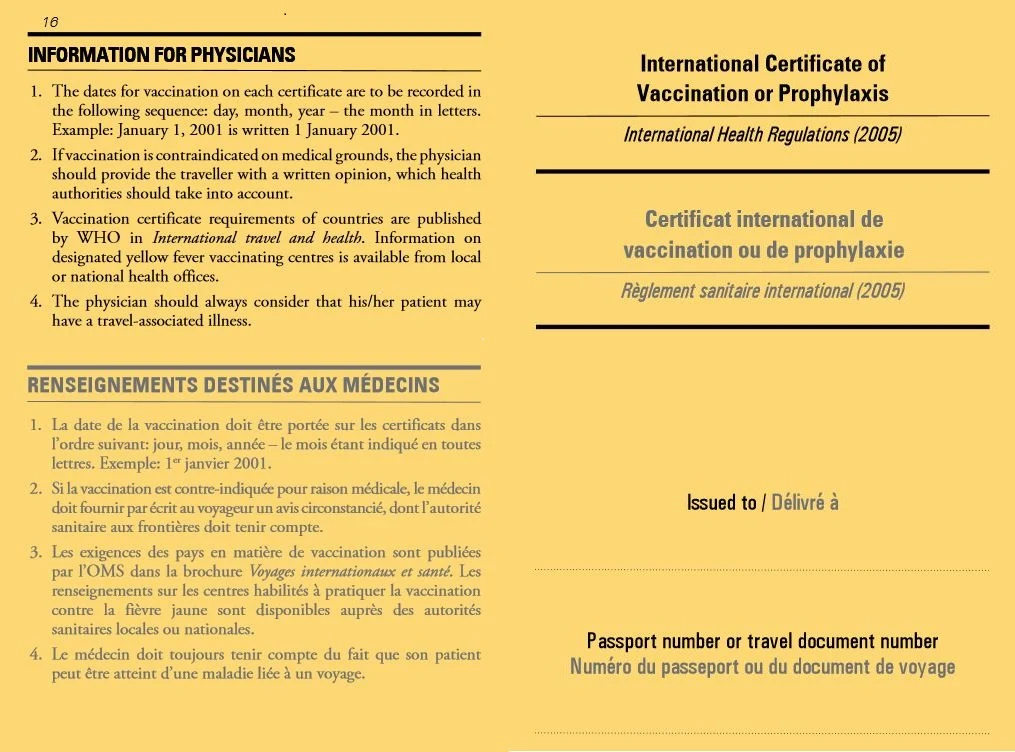
An International Certificate of Vaccination or Prophylaxis is issued by authorised centres. For yellow fever, the certificate becomes valid ten days after a first vaccination and remains valid for life under the International Health Regulations. Confirm current requirements, possible exemptions and their acceptance at each border with the centre. Keep the original accessible and a backup copy. Review the rules before entering another country.
Everyday prevention on the road
Build routines you can sustain when changing accommodation or travelling tired. Daily prevention addresses many risks beyond vaccine-preventable infections.
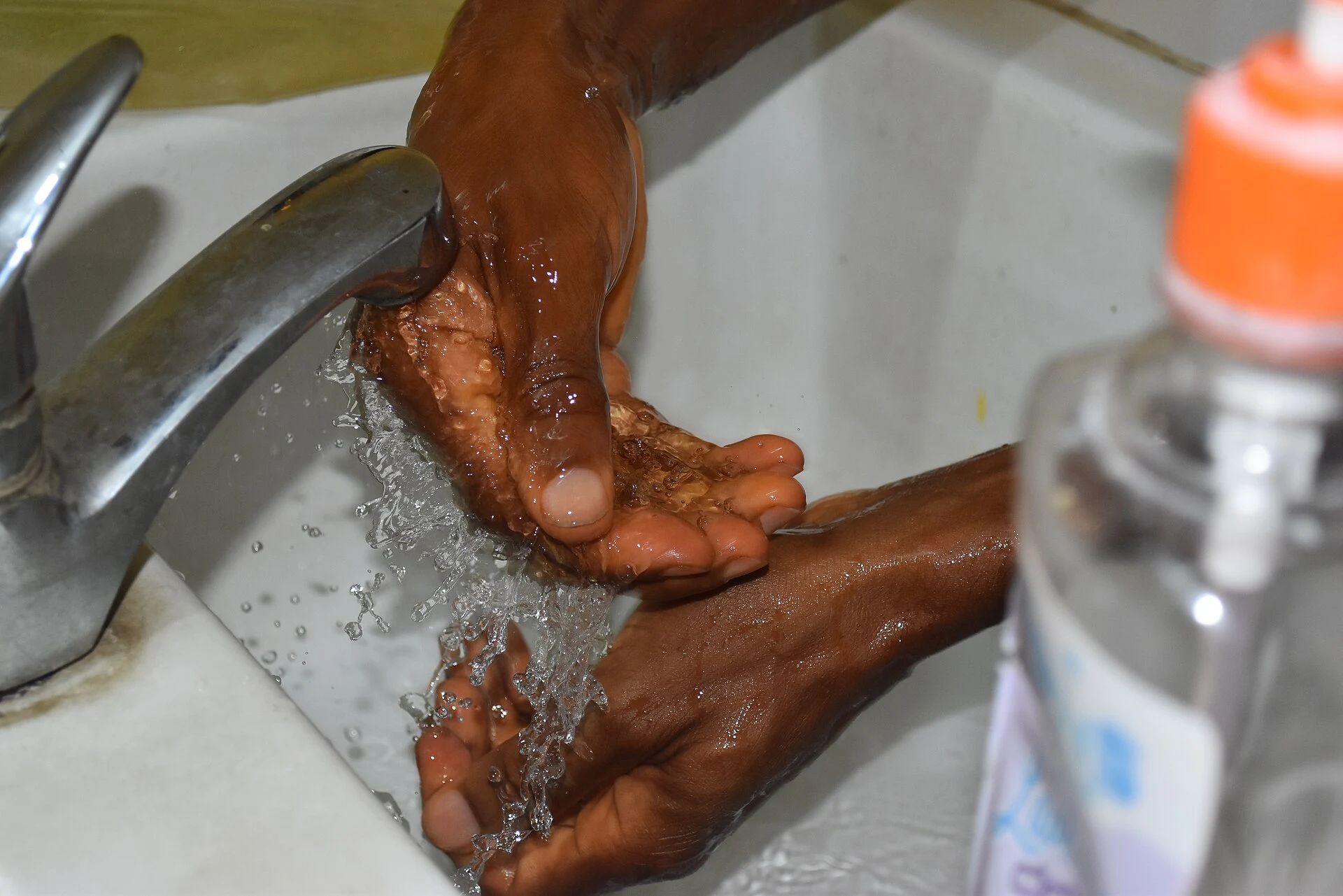
- Food and water. Wash your hands before eating. Choose water from a verified safe source and thoroughly cooked food served hot. If water safety is uncertain, seek advice on suitable treatment methods and avoid ice of unknown origin.
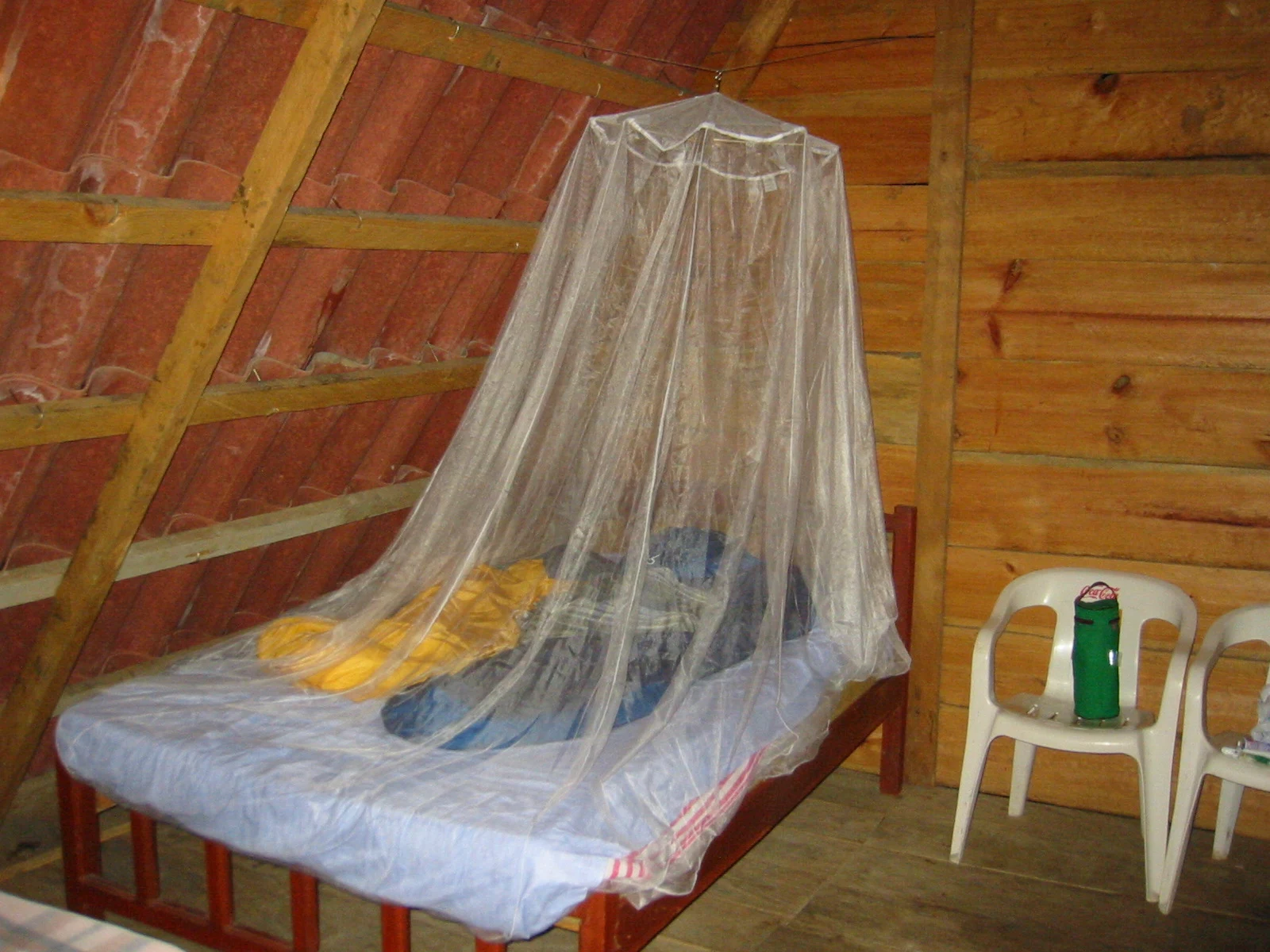
- Mosquitoes. Use an approved repellent according to its instructions, covering clothing and screened rooms or mosquito nets where needed. Mosquitoes can bite during the day and at night. Discuss prevention for each area.
- Altitude. Plan gradual ascent and time to acclimatise. Fitness does not guarantee protection from altitude illness. Stop ascending and obtain an assessment if symptoms develop. Serious deterioration needs urgent help.
- Heat. Adjust exertion, take shaded breaks and plan drinking water between resupply points. Confusion, fainting or significant deterioration during heat exposure needs urgent attention.
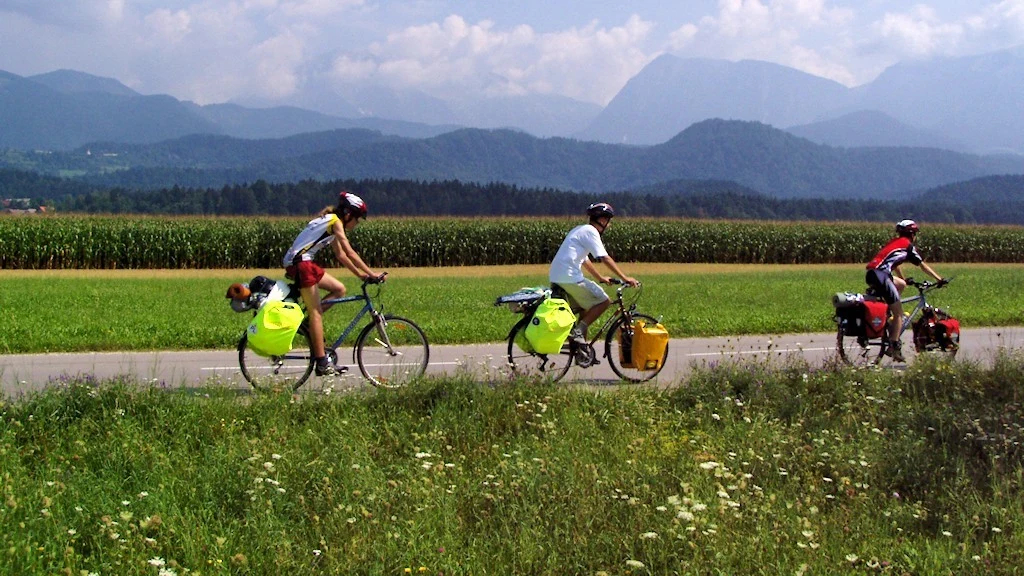
- Accidents. Prioritise a helmet, visibility, bicycle maintenance and routes suited to traffic conditions. Avoid driving or cycling when sleepy or after drinking alcohol. Know how to summon help in remote areas.
Avoid touching unfamiliar animals. A bite, scratch or other risky exposure needs immediate medical assessment, even after previous rabies vaccination.
Pack a manageable kit and regular medication
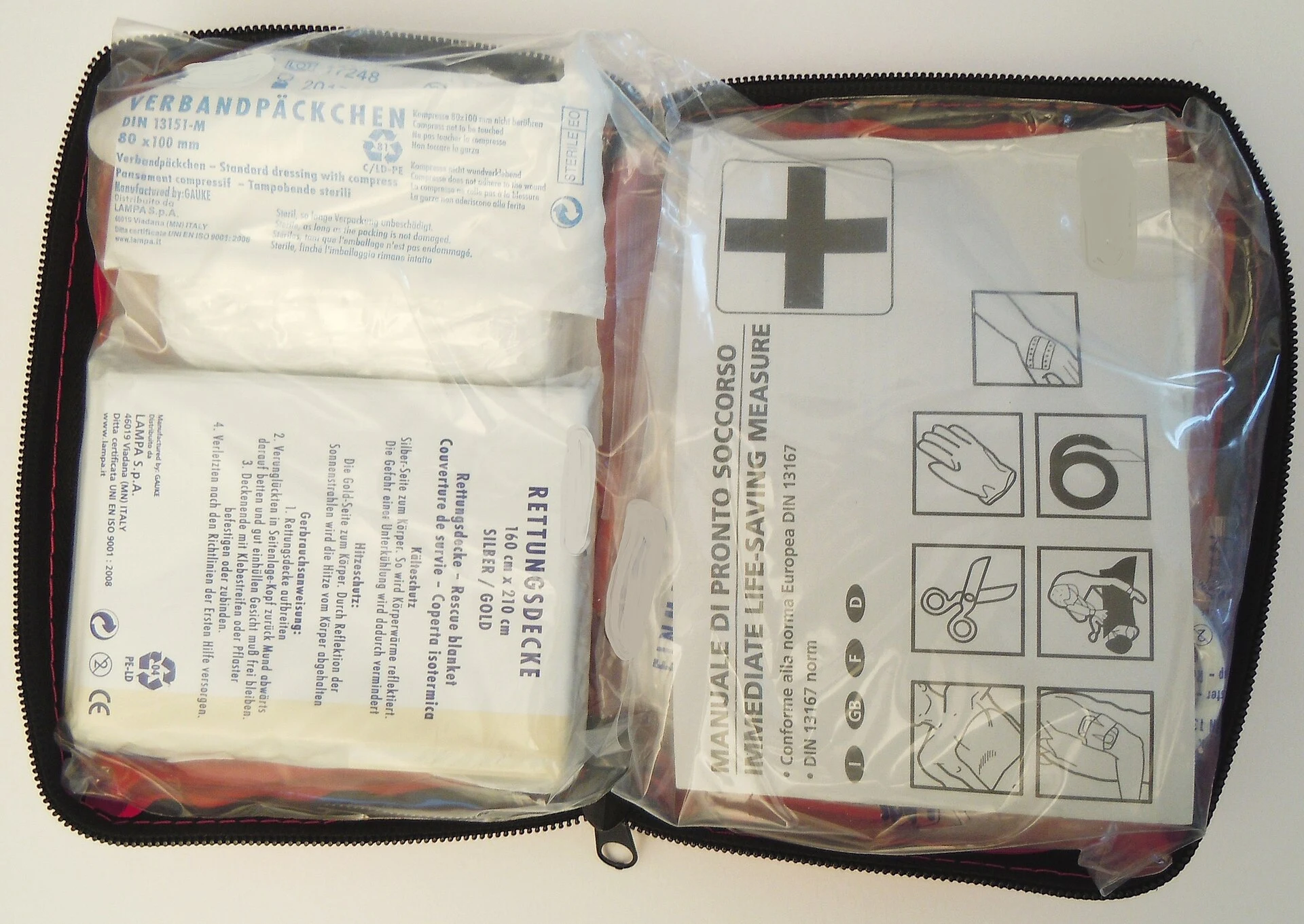
A basic first-aid kit can include dressings, gauze, medical tape, bandages, blister supplies, disposable gloves and a thermometer. Add hand hygiene supplies, sun protection and repellent. Ask a professional which medicines or oral rehydration products are suitable and how to use them. Packing a product does not establish when it is appropriate. Antibiotics and other standby treatments require a clinical indication and clear instructions.
For regular medication, agree supply and replenishment with your treating professional. Keep original labelled packaging, prescriptions and a medical letter identifying generic medicine names and storage needs. Check quantity limits, restrictions and permits with the authorities in every destination and transit country. A prescription alone may be insufficient to import some medicines.
Keep essential medication and documents in hand luggage where transport rules permit. On a bicycle, protect the kit from water, impacts and heat inside panniers. Arrange a workable storage plan before departure if medication needs refrigeration.
Check healthcare entitlements and insurance
Review your existing healthcare cover abroad and the terms of any policy you arrange. Trip cancellation, medical expenses, rescue and evacuation are different benefits. Get written clarification of questions affecting your itinerary.
Check included countries, maximum duration per trip, extension options and residence requirements. Read medical limits, excesses, advance payments or reimbursement rules, pre-existing condition provisions and exclusions. For cycle touring, ask explicitly about touring, off-road riding, altitude, remote areas, rescue and travel for accompanying people. Bicycle and luggage protection may be separate.
Confirm how to contact assistance and when prior approval is required for a transfer. Save the policy, international telephone number and claims procedure offline. If you qualify for a public healthcare card or reciprocal agreement, check the participating countries, services and conditions with the issuing authority. Verify private care and repatriation separately.
Update the plan across months and borders
For an open itinerary, schedule health-plan reviews before changing region, extending your stay or adding activities. Advice prepared for cities may need reassessment when camping, rural stays or long distances from care become part of the journey. Include transit countries and keep dates of passage.
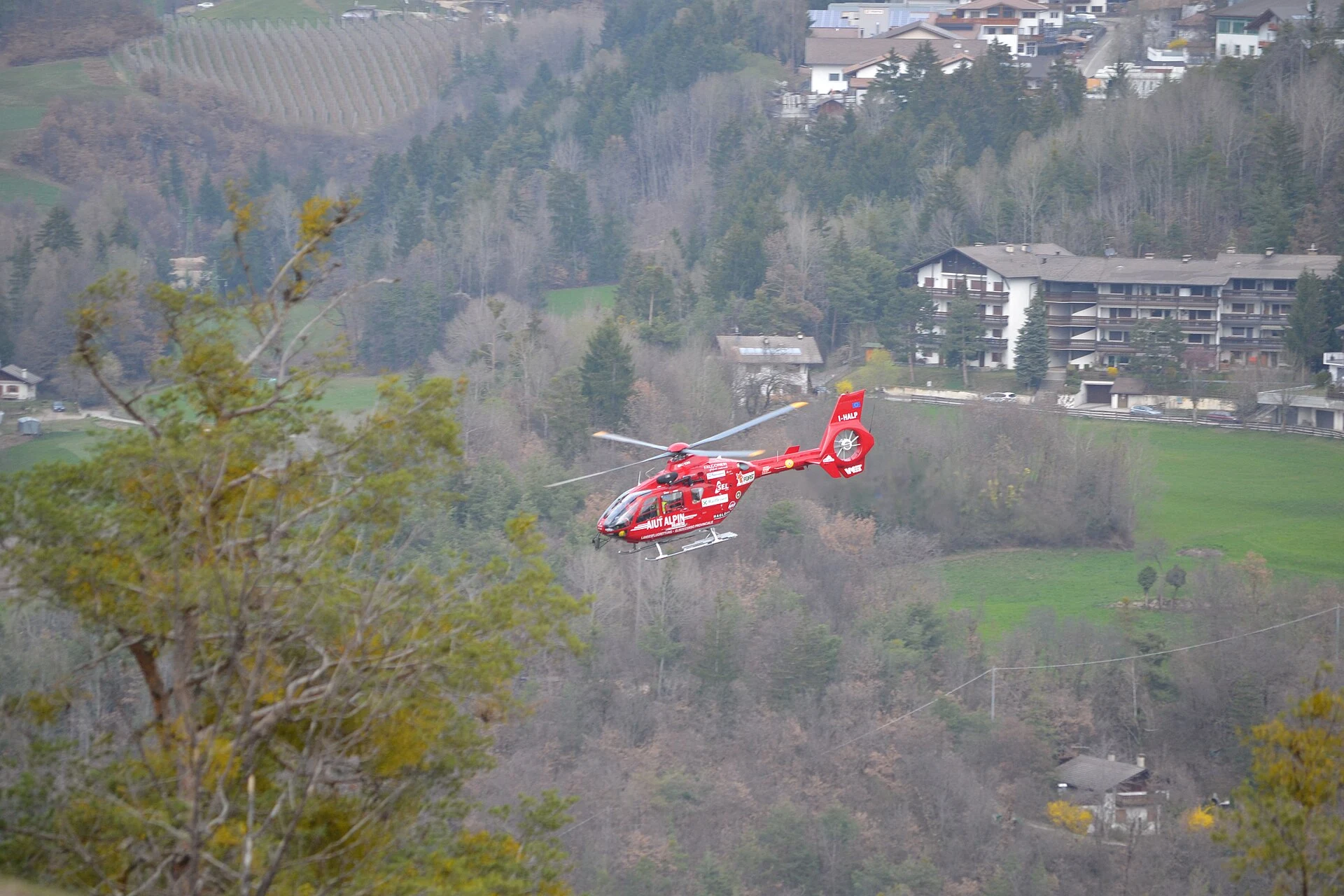
For cycling, identify health centres or hospitals along the route and ways to leave it if you must stop. Agree how to communicate an incident, particularly without mobile coverage. Plan water and medication replenishment, rest and care for friction injuries. Ask how to handle an injury or interrupted treatment. Protect sleep and contact with trusted people. Seek professional support if travel affects your emotional wellbeing.
Use official country information
The sources and references panel links to official services. WHO publishes travel health and vaccination information. Health ministries and vaccination centres advise on prevention. Destination health authorities issue local alerts and requirements. Foreign ministries add consular advice and information on accessing care. CDC country pages offer a complementary health reference.
Check update dates and distinguish legal requirements from clinical recommendations. Verify border conditions with the competent destination authority and bring questions to your consultation. Review alerts when finalising the route and again before departure or crossing a border. Spain’s starting points include “La salud también viaja”, the International Vaccination Centre directory and foreign ministry travel advice.
Tell the clinician where and when you travelled
If symptoms develop abroad or after returning, tell the healthcare professional your countries and travel dates, places visited, insect bites, animal contact and treatments received. Keep medical reports, test results and vaccination and preventive medication records.
Fever after visiting a malaria-risk area needs urgent assessment, even if preventive medication was taken and time has passed since returning. Seek care for persistent diarrhoea, jaundice, skin lesions or other continuing or worsening symptoms. Use emergency services for breathing difficulty, confusion or serious deterioration. Discuss a relevant exposure even before symptoms appear.
Sources and references
Hide references
14 references
References consulted during editorial review. Times, requirements and advisories may change: always confirm with the official source.