Nicaragua brings together colonial cities, volcanoes and Caribbean routes
León and Granada offer historical and urban landmarks; lakes, volcanoes and the Caribbean coast open up very different kinds of travel. Choosing a region first helps you plan what to check.
León and Granada: two cities worth taking time over
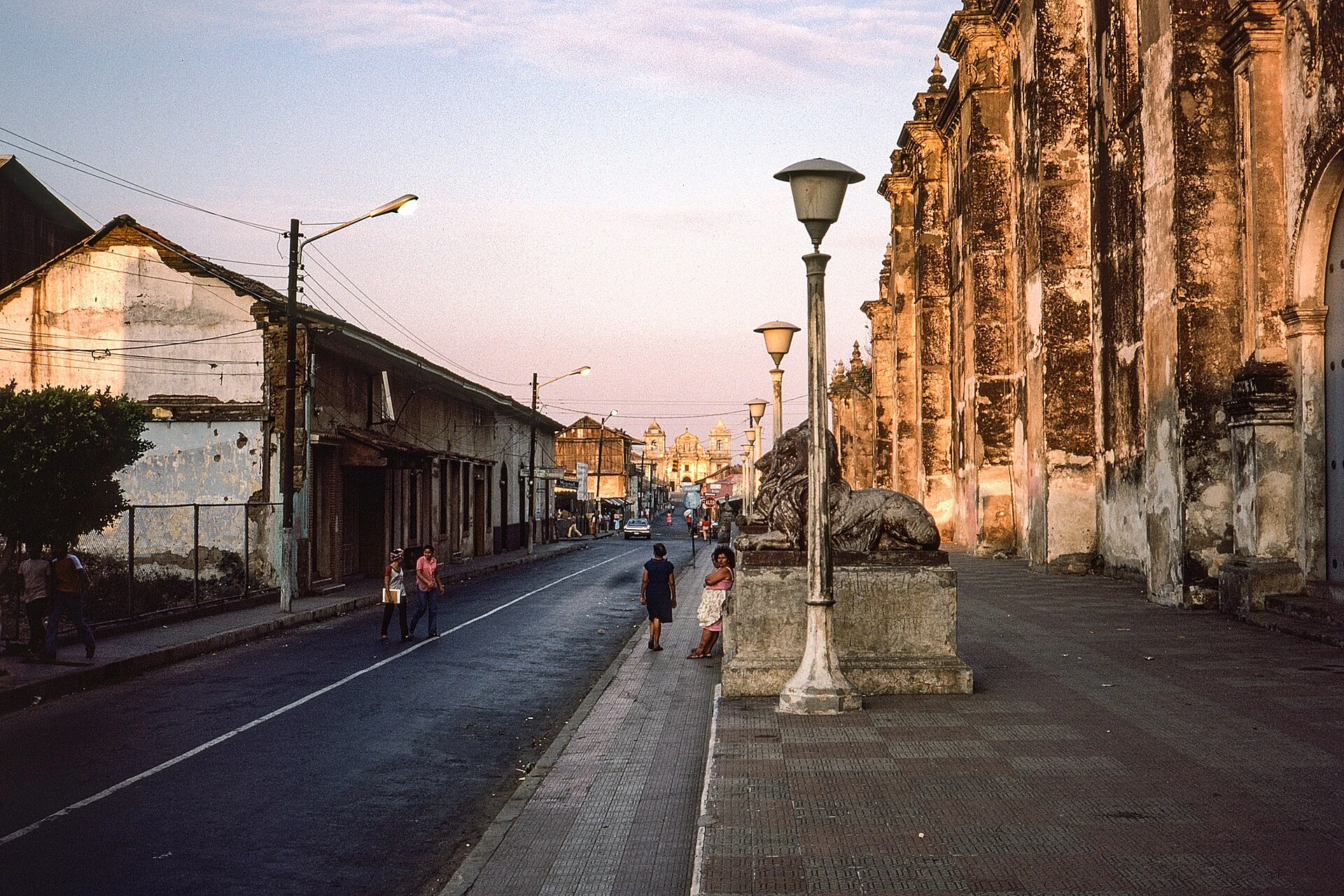
León is a good choice for colonial architecture and cultural life. The city has old churches, museums and a university, and is associated with poets Rubén Darío and Alfonso Cortés. Its Central Park and the adjoining cathedral provide useful landmarks for finding the main sights, several of which are within walking distance. The city’s history also includes León’s relocation to its present site in 1610, following an eruption of Momotombo volcano.
Granada, beside Lake Cocibolca, offers another perspective on Nicaragua’s urban history. Its colonial buildings and churches with distinct histories make it more than a photo stop. León and Granada share an architectural legacy, but they are not interchangeable: choose according to whether you are more interested in León’s university and cultural life or Granada’s urban setting and relationship with the lake. Check current access to churches and museums, as well as transport, before settling on dates.
Lakes and volcanoes: let the landscape shape your route
Cocibolca, also known as Lake Nicaragua, is the main geographic landmark in the southwest. Ometepe, an island shaped by two volcanoes, lies in its waters; its island landscape offers a different scale of visit from the mainland cities. The material reviewed also identifies the Solentiname Islands and Laguna de Apoyo as other options connected with water.
In the west, the volcanic chain runs alongside lowland plains and historic cities; farther north, mountains give way to different landscapes. You do not need to fit all of these settings into one trip: choose a geographic focus and check which current connections link it to your next stop. Frequencies, journey times and transport conditions can change.
The Caribbean coast: a different culture and a different logistics
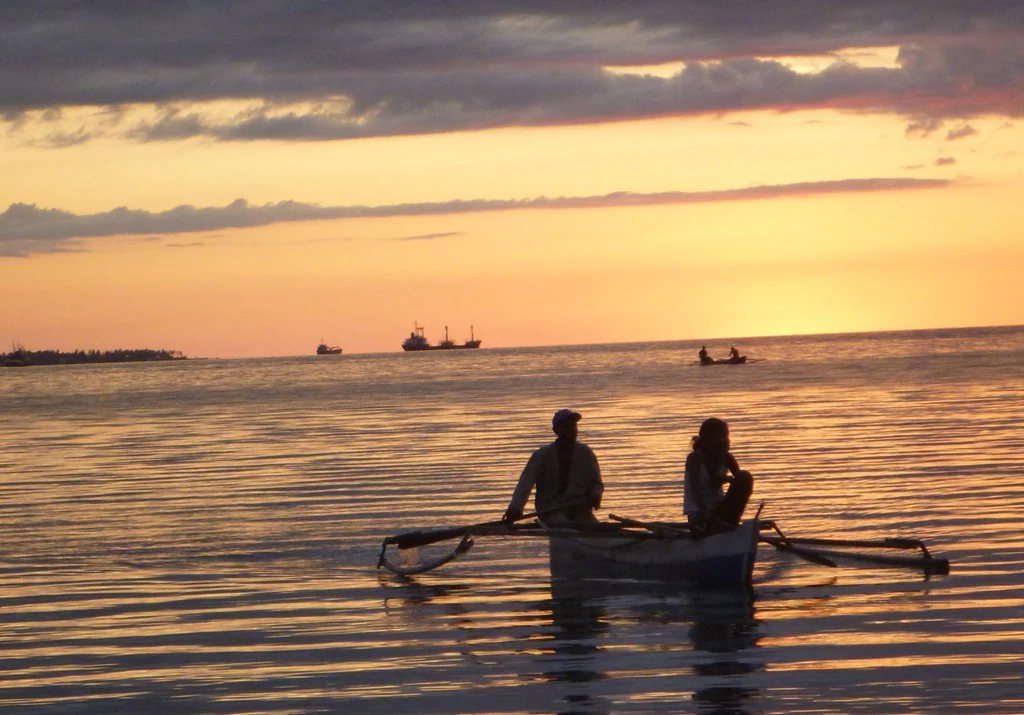
Nicaragua’s Caribbean region calls for a different kind of planning: regional travel is mainly by water, and the Corn Islands, Bluefields and Pearl Lagoon are among its key reference points. The region is home to diverse communities and languages, including Miskito, Garifuna, Rama and Caribbean Creole; do not assume Spanish will be the only language used everywhere.
This has practical consequences: before choosing a route, confirm connections, schedules and conditions directly with current sources. One guide consulted describes the boat service between Bluefields and San Juan del Norte as irregular, so it should not be treated as a guaranteed connection. Rainforest and coastal life may be part of the region’s appeal, but visiting requires more flexibility than a concentrated city break.
A practical decision: choose a region before adding stops
For a first visit, compare three priorities: historic cities in the west, lake and volcanic landscapes, or the Caribbean coast and islands. Combining them may be possible, but it adds transitions and, especially in the Caribbean, dependence on water transport. Leave room to confirm services before travelling between regions.
It is also useful to distinguish stable information from details that can change. Managua is the capital; Spanish is a useful reference when preparing enquiries, and the currency is the Nicaraguan córdoba. By contrast, schedules, fares, transport availability and safety advice need recent confirmation. The country’s political and volcanic history forms part of its context, but does not replace checking current official advisories.
Sources and references
Hide references
14 references
References consulted during editorial review. Times, requirements and advisories may change: always confirm with the official source.
-
Caribbean NicaraguaLicence: CC BY-SA 4.0 Wikivoyage contributors · Caribbean Nicaragua
-
NicaraguaLicence: CC BY-SA 4.0 Wikivoyage contributors · Nicaragua
-
Southern Pacific Coast (Nicaragua)Licence: CC BY-SA 4.0 Wikivoyage contributors · Southern Pacific Coast (Nicaragua)
-
Nicaragua - WikiviajesLicence: CC BY-SA 4.0 Wikivoyage contributors · Nicaragua - Wikiviajes
-
Granada (Nicaragua) - WikiviajesLicence: CC BY-SA 4.0 Wikivoyage contributors · Granada (Nicaragua) - Wikiviajes
-
León (Nicaragua) - WikiviajesLicence: CC BY-SA 4.0 Wikivoyage contributors · León (Nicaragua) - Wikiviajes
-
San Carlos (Nicaragua) - WikiviajesLicence: CC BY-SA 4.0 Wikivoyage contributors · San Carlos (Nicaragua) - Wikiviajes
-
León (Nicaragua)Licence: CC BY-SA 4.0 Fuente: Wikivoyage
-
ManaguaLicence: Datos geográficos bajo CC BY 4.0; requiere atribución a GeoNames. Fuente: GeoNames
-
NicaraguaLicence: CC BY-SA 3.0 DBpedia
-
United States occupation of NicaraguaLicence: CC BY-SA 3.0 DBpedia