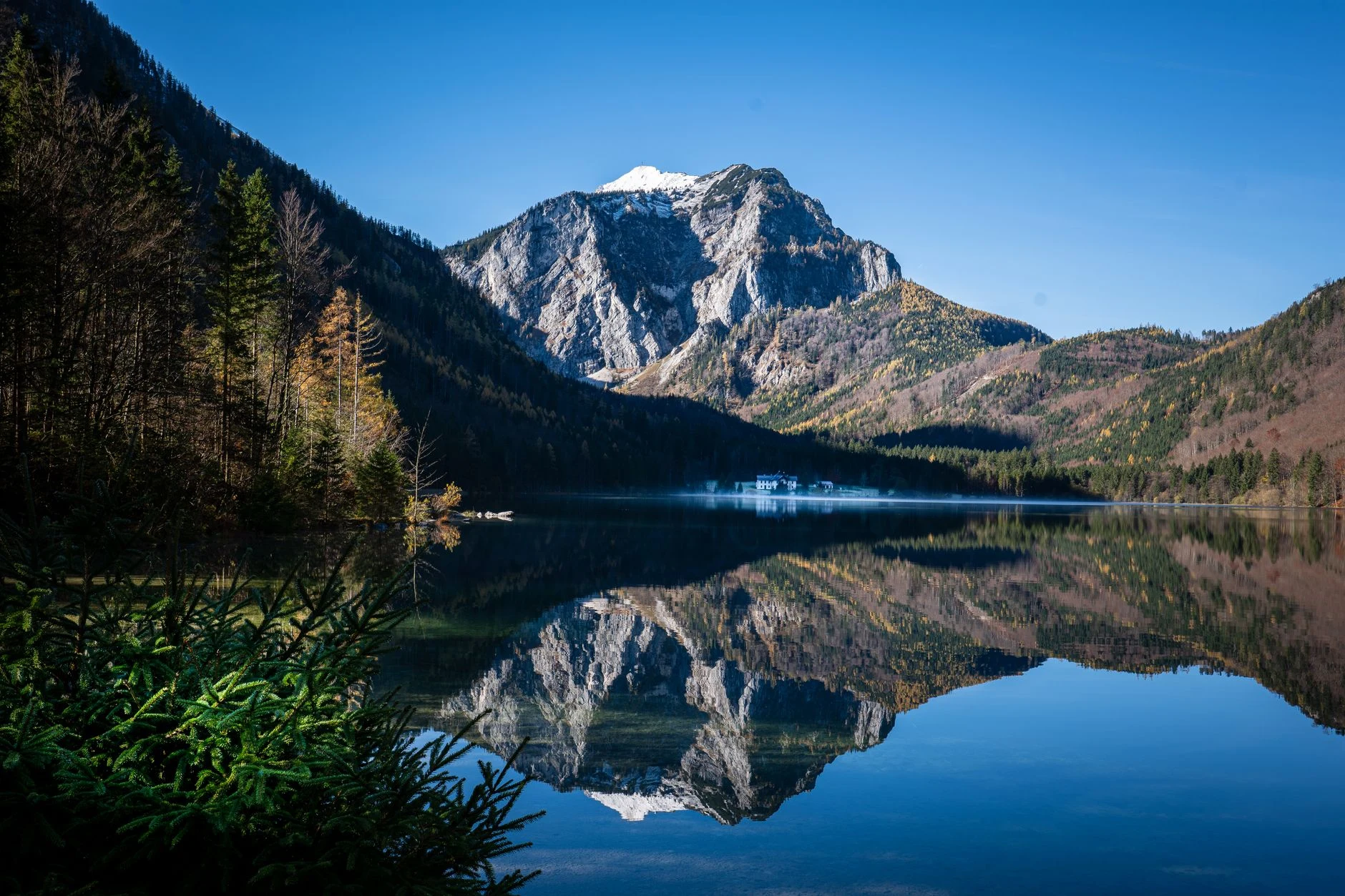
Austria between Vienna and the Alpine cities
The imperial capital, historic cities and Alpine landscapes offer distinct experiences. Comparing them helps you decide which region to prioritise and which connections to check.

Vienna: an urban stop in its own right
Vienna was the capital of the Austro-Hungarian Empire, and that history remains visible in its architecture and cultural institutions. The former imperial capital contrasts with the rest of Austria; if the city is your main interest, set aside dedicated time for it rather than treating it simply as a gateway. For a broader overview, see Austria brings together historic cities and Alpine landscapes across distinct regions.
Cities that give your trip a different character
Salzburg combines cultural heritage with an Alpine setting; Graz pairs a historic centre with an urban scene shaped by its university and food culture. Innsbruck, in the heart of the Alps, is a useful reference point for western Austria, while Linz offers a historic core and a music and arts scene. These cities are not interchangeable: choose according to the balance you want between city and landscape, and check current connections and services before settling on the order.
The Alpine landscape is not one single region
Austria’s nine federal states have varied profiles: Tyrol and Vorarlberg are associated with mountains, while Carinthia has numerous lakes and Styria combines Alpine forests, Graz and wine-growing areas. The Salzkammergut is a cultural region of mountains and lakes; Lake Constance, in Vorarlberg, is shared with Germany and Switzerland. Choosing an area for the scenery you want to experience is usually more useful than trying to cover the whole country in one route.
Imperial history: context for seeing the cities
The Austro-Hungarian Empire existed from 1867 to 1918 and included territories now belonging to several countries in Central and Southeastern Europe. Modern Austria emerged from this historical space, but should not be confused with the empire itself. Knowing its scale helps put Vienna’s importance into context and explains why imperial history shapes the way people read its cities. History provides context; it does not replace the regional diversity of the country today.
Connections and seasons: useful checks
Austria draws visitors for its historic cities and towns as well as its Alpine activities; travel conditions can vary by destination and time of year. Before booking, check timetables, connections, fares and any access changes directly with the relevant providers. If you are planning winter sports, check current information for the specific resort rather than assuming that a season or service described in an older guide is still the same.
Sources and references
Hide references
14 references
References consulted during editorial review. Times, requirements and advisories may change: always confirm with the official source.
-
AustriaLicence: CC BY-SA 4.0 Wikivoyage contributors · Austria
-
Lower AustriaLicence: CC BY-SA 4.0 Wikivoyage contributors · Lower Austria
-
Winter sports in AustriaLicence: CC BY-SA 4.0 Wikivoyage contributors · Winter sports in Austria
-
Austro-Hungarian EmpireLicence: CC BY-SA 4.0 Wikivoyage contributors · Austro-Hungarian Empire
-
Austria - WikiviajesLicence: CC BY-SA 4.0 Wikivoyage contributors · Austria - Wikiviajes
-
Eslovenia - WikiviajesLicence: CC BY-SA 4.0 Wikivoyage contributors · Eslovenia - Wikiviajes
-
Hungría - WikiviajesLicence: CC BY-SA 4.0 Wikivoyage contributors · Hungría - Wikiviajes
-
Liechtenstein - WikiviajesLicence: CC BY-SA 4.0 Wikivoyage contributors · Liechtenstein - Wikiviajes
-
AustriaLicence: CC BY-SA 3.0 DBpedia
-
Austria-HungaryLicence: CC BY-SA 3.0 DBpedia