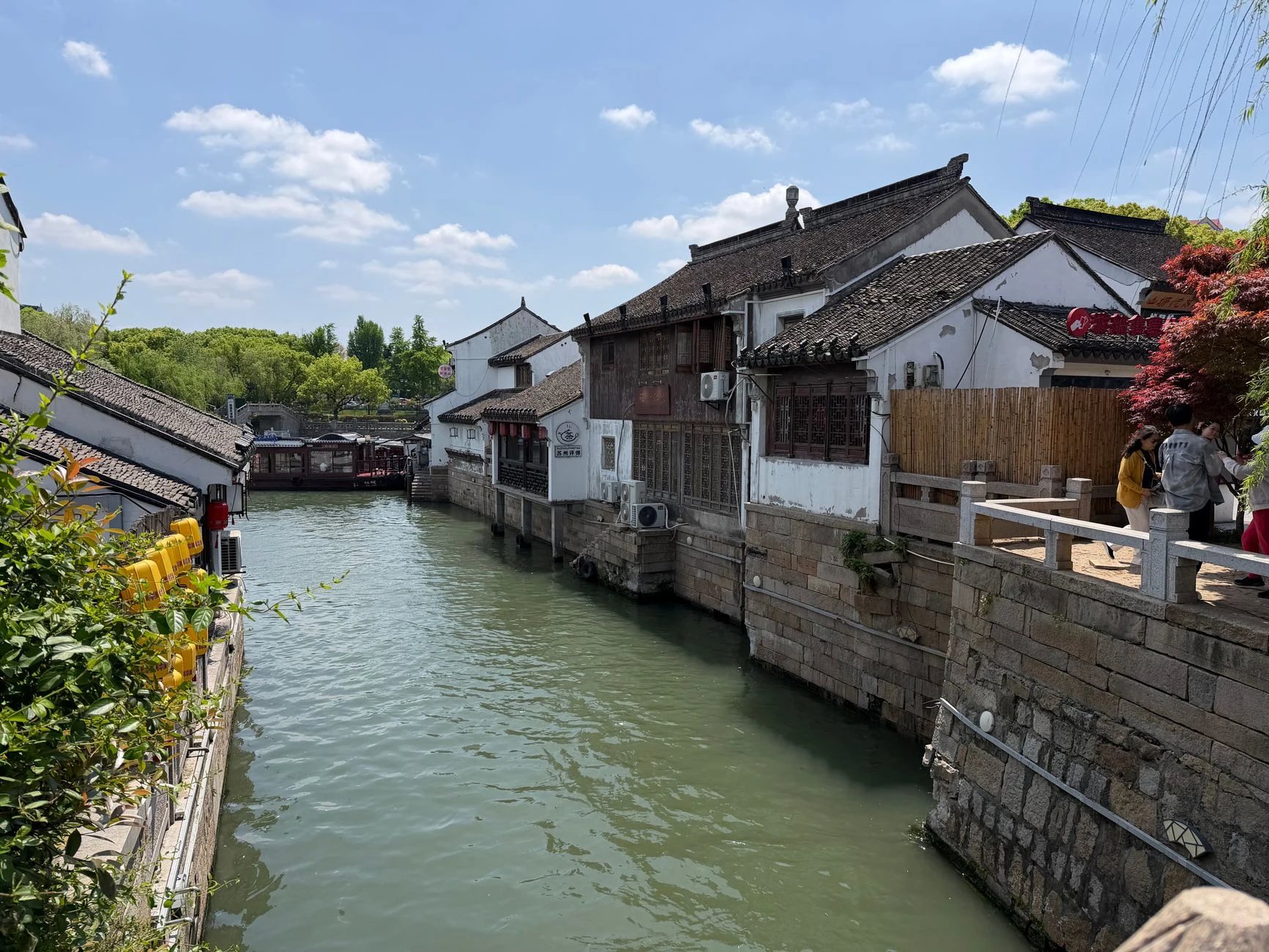
Thailand's central plains, northern mountains and southern coasts
Bangkok, the central plains, the northern mountains and the southern coasts offer different starting points for narrowing down a trip to Thailand.
A documented soundscape that complements this guide to Thailand. Bangkok, the central plains, the northern mountains and the southern coasts offer different starting points for narrowing down a trip to Thailand.
Audio by CyWeb · Openverse · CC BY 4.0 · Duration: 01:48
The centre: Bangkok and the Chao Phraya basin
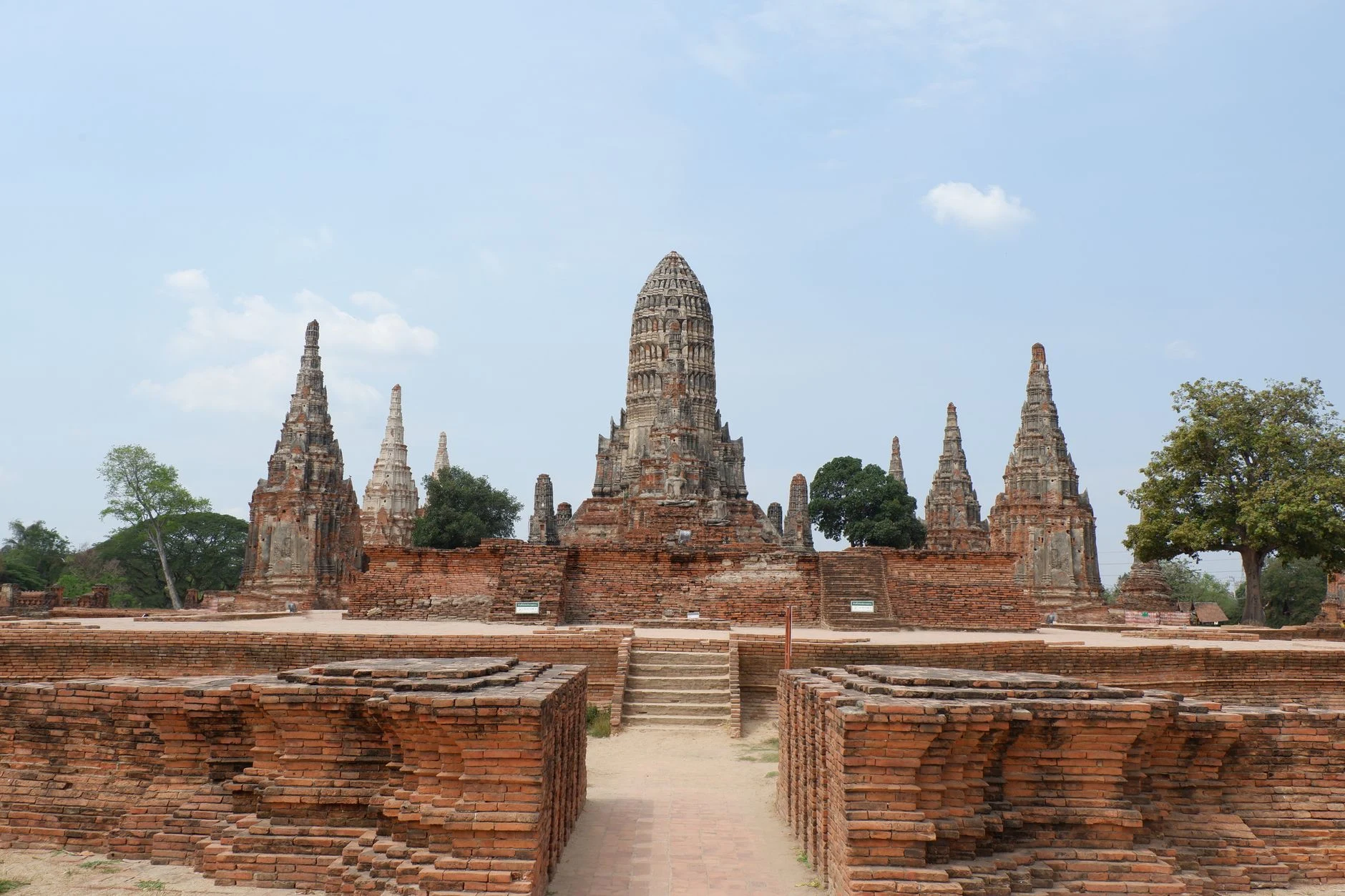
The central plains are a low-lying, relatively flat region shaped by the Chao Phraya basin. Bangkok is its main urban reference point; Ayutthaya, the former capital, offers a chance to add a place of historical interest and ruins. The region also includes places such as Kanchanaburi and Lopburi, so decide whether your main interest is the big city, historical heritage or a broader trip. The regional guide describes rail connections from Bangkok to Ayutthaya and Kanchanaburi, but timetables and services can change: check them before arranging your journey.
The north: valleys, mountains and historic cities
The north combines mountain ranges, river valleys and areas of flat land. Chiang Mai is a cultural and urban hub; Chiang Rai and Mae Hong Son offer different landscapes, while Sukhothai and Si Satchanalai provide a distinct historical focus. These places should not be treated as nearby stops: distances and terrain matter when comparing options. The regional source mentions bus and minibus networks and other services, but check actual availability with operators for your travel dates.
The south: choose between two coasts first
The south stretches along the Andaman Sea and the Gulf of Thailand. The regional guide distinguishes these two coastal areas and associates the region with beaches and islands, as well as natural areas such as Ao Phang Nga and Khao Sok national parks. A useful first decision is therefore to choose which coast and type of landscape to prioritise, rather than assume that all the islands fit easily into one trip. The source describes ferry connections on certain routes, subject to seasonal conditions; confirm routes, dates and availability directly with operators before booking.
Turn the map into a realistic plan
Compare each region against the time you have and the places that interest you most. If you combine several regions, check the connections between them and avoid building an itinerary from a list of names without verifying transfers. In the north, mountainous terrain can affect travel times; in the south, your route depends on the coast and the sea connections you plan to use. Transport information in guides can become outdated, so confirm timetables, services and visiting conditions with providers and official sources before finalising your plans.
Sources and references
Hide references
14 references
References consulted during editorial review. Times, requirements and advisories may change: always confirm with the official source.
-
Central ThailandLicence: CC BY-SA 4.0 Wikivoyage contributors · Central Thailand
-
Northern ThailandLicence: CC BY-SA 4.0 Wikivoyage contributors · Northern Thailand
-
Southern ThailandLicence: CC BY-SA 4.0 Wikivoyage contributors · Southern Thailand
-
Tailandia - WikiviajesLicence: CC BY-SA 4.0 Wikivoyage contributors · Tailandia - Wikiviajes
-
Camboya - WikiviajesLicence: CC BY-SA 4.0 Wikivoyage contributors · Camboya - Wikiviajes
-
Laos - WikiviajesLicence: CC BY-SA 4.0 Wikivoyage contributors · Laos - Wikiviajes
-
ThailandLicence: CC BY-SA 4.0 Fuente: Wikivoyage
-
Lower Northern ThailandLicence: CC BY-SA 4.0 Fuente: Wikivoyage
-
BangkokLicence: Datos geográficos bajo CC BY 4.0; requiere atribución a GeoNames. Fuente: GeoNames
-
ThailandLicence: CC BY-SA 3.0 DBpedia