Uzbekistan by region: historic cities, desert and mountains
Uzbekistan’s historic cities, arid north, fertile Fergana Valley and mountainous south offer very different ways to explore the country. Comparing them helps you narrow down your trip before checking connections.
Historic cities and trade routes
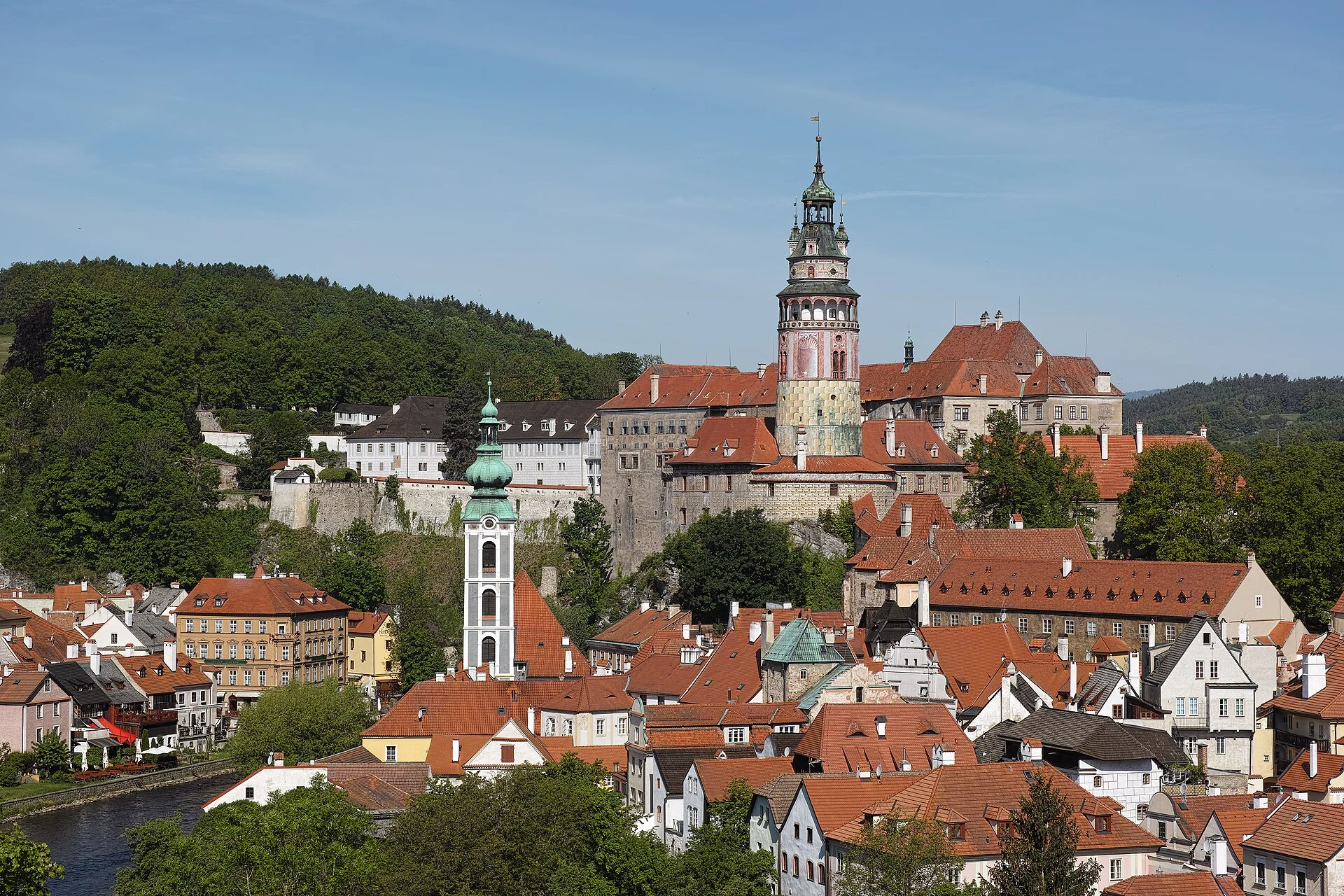
Samarkand, Bukhara and Khiva are among the cities associated with Silk Road trade. Their historical and architectural landmarks can help you shape a trip around urban heritage. In the north, Khiva is known as a historic city on this route; Bukhara is described as a former trading capital, and Samarkand as another important city in the region. Before combining them, decide which suit your interests and confirm the transfers: the available information does not establish current journey times or schedules.
The arid north: Kyzylkum, Karakalpakstan and the Aral Sea
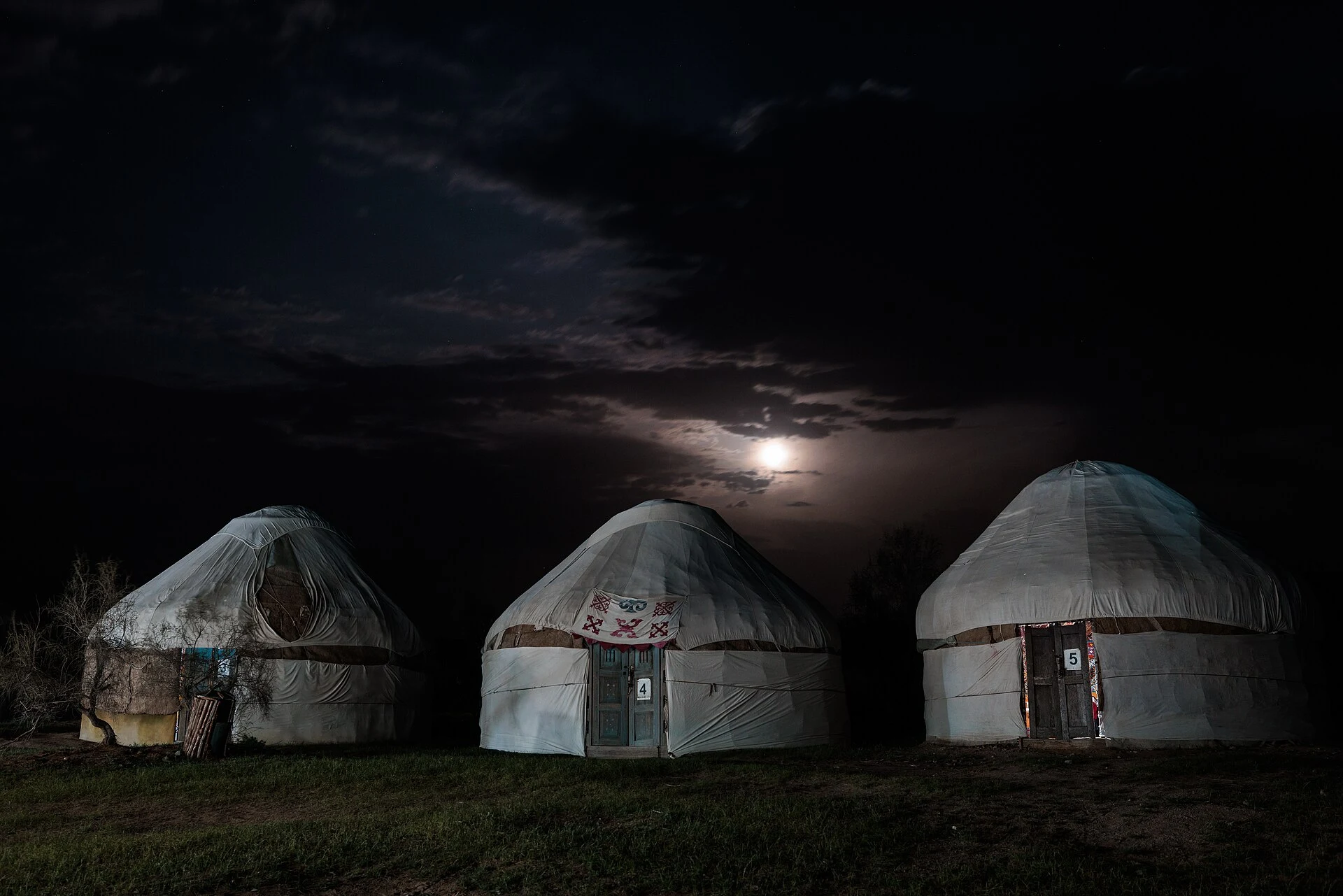
The north is defined by the Kyzylkum Desert and Karakalpakstan. Nukus, capital of this autonomous republic, is home to a collection of Russian avant-garde painting; Moynaq is associated with the retreat of the Aral Sea and the area’s environmental transformation. Khiva adds a historic urban counterpoint. This combination may appeal if you want to contrast a city, arid landscapes and environmental history, but the distances between these places call for specific planning.
Fergana and the mountainous south
The Fergana Valley stands out for its fertility and high population density. Farther south, Kashkadarya and Surkhandarya extend across a mountainous region linked to the Pamir-Alay ranges. Shakhrisabz offers a historic point of interest through its association with Timur, while Termez is the country’s southernmost city. Treat these regions as distinctive alternatives, not automatic extensions of a historic-cities itinerary; check connections and current conditions separately.
Use Tashkent as a reference point when finalising your plan
The capital helps put the country in context, but it does not represent the variety of its regions. A practical approach is to choose one priority area, add only places that fit, then check flights, ground transport and schedules with the relevant providers. Uzbek and Russian are useful language references when looking for information, though they cannot tell you which languages will be available for each service. The currency is the Uzbek soʻm (UZS); check current exchange rates and payment options before setting your budget.
Sources and references
Hide references
14 references
References consulted during editorial review. Times, requirements and advisories may change: always confirm with the official source.
-
Northern UzbekistanLicence: CC BY-SA 4.0 Wikivoyage contributors · Northern Uzbekistan
-
Southern UzbekistanLicence: CC BY-SA 4.0 Wikivoyage contributors · Southern Uzbekistan
-
UzbekistanLicence: CC BY-SA 4.0 Wikivoyage contributors · Uzbekistan
-
Uzbek phrasebookLicence: CC BY-SA 4.0 Wikivoyage contributors · Uzbek phrasebook
-
Tayikistán - WikiviajesLicence: CC BY-SA 4.0 Wikivoyage contributors · Tayikistán - Wikiviajes
-
Turkmenistán - WikiviajesLicence: CC BY-SA 4.0 Wikivoyage contributors · Turkmenistán - Wikiviajes
-
Uzbekistán - WikiviajesLicence: CC BY-SA 4.0 Wikivoyage contributors · Uzbekistán - Wikiviajes
-
Sur de Uzbekistán - WikiviajesLicence: CC BY-SA 4.0 Wikivoyage contributors · Sur de Uzbekistán - Wikiviajes
-
TurkmenistanLicence: CC BY-SA 4.0 Fuente: Wikivoyage
-
Minority cultures of RussiaLicence: CC BY-SA 4.0 Fuente: Wikivoyage
-
UzbekistánLicence: CC0 1.0 Wikidata · Q265
-
UzbekistanLicence: ODbL 1.0 World countries dataset by mledoze and contributors · ODbL 1.0
-
TashkentLicence: Datos geográficos bajo CC BY 4.0; requiere atribución a GeoNames. Fuente: GeoNames
-
TashkentLicence: Datos geográficos bajo CC BY 4.0; requiere atribución a GeoNames. Fuente: GeoNames