 Ethiopia
Lalibela and why to postpone a trip to Amhara
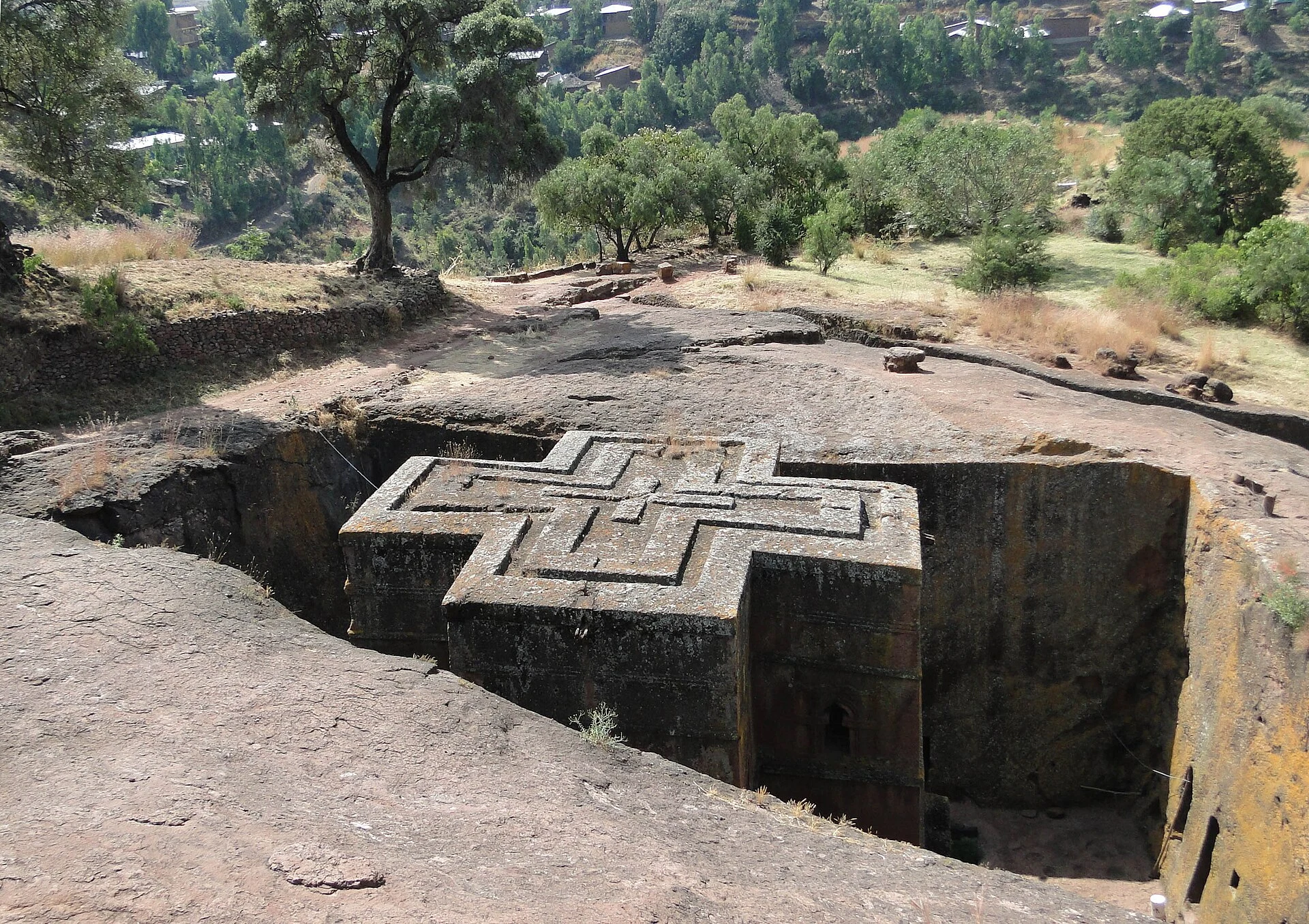
Lalibela’s rock-hewn churches remain a major place of worship and living heritage. As of 20 September 2026, advisories recommend not travelling to Amhara.
Read guide →Discover Architecture guides with useful information, visible sources and context to plan each trip better.
 Practical guides
Lalibela’s rock-hewn churches remain a major place of worship and living heritage. As of 20 September 2026, advisories recommend not travelling to Amhara.
Read guide →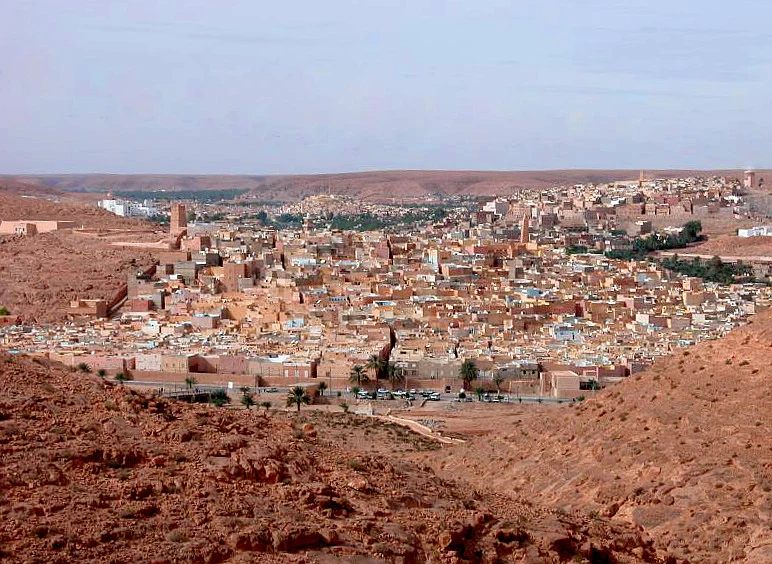 Culture
Ghardaïa, Beni Isguen, Melika, Bounoura and El Atteuf form a living urban landscape. The key is to organise your visit with a local guide, enough time and respect for local rules.
Read guide →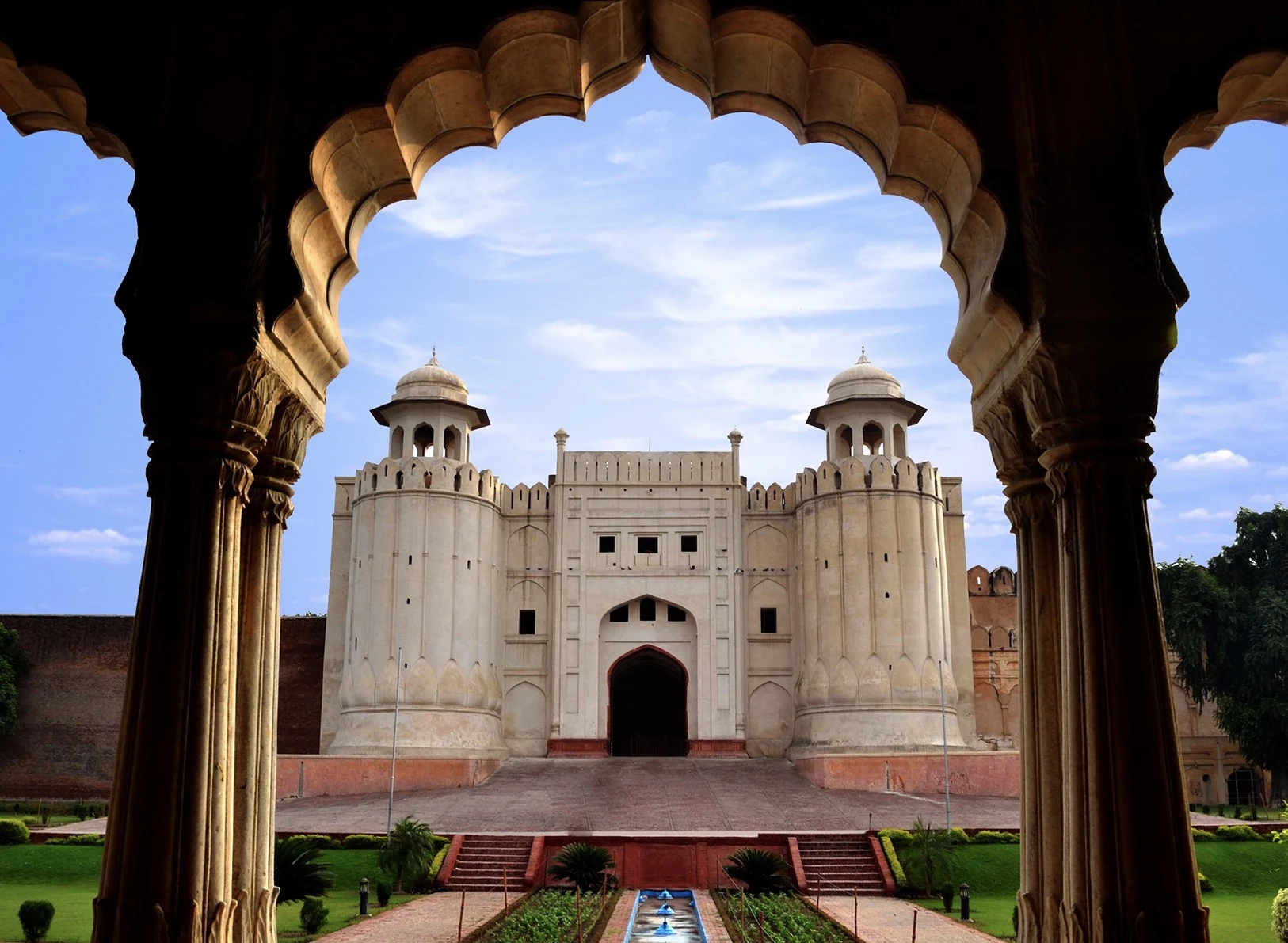 Practical guides
A visit to Lahore makes more sense when you distinguish the royal precinct, the walled city and the water garden—without overlooking a security context that requires last-minute checks.
Read guide → Culture
A day in Ouidah brings together the Route of the Enslaved, an active Vodún sanctuary and Villa Ajavon, without reducing places of mourning or worship to simple photo stops.
Read guide →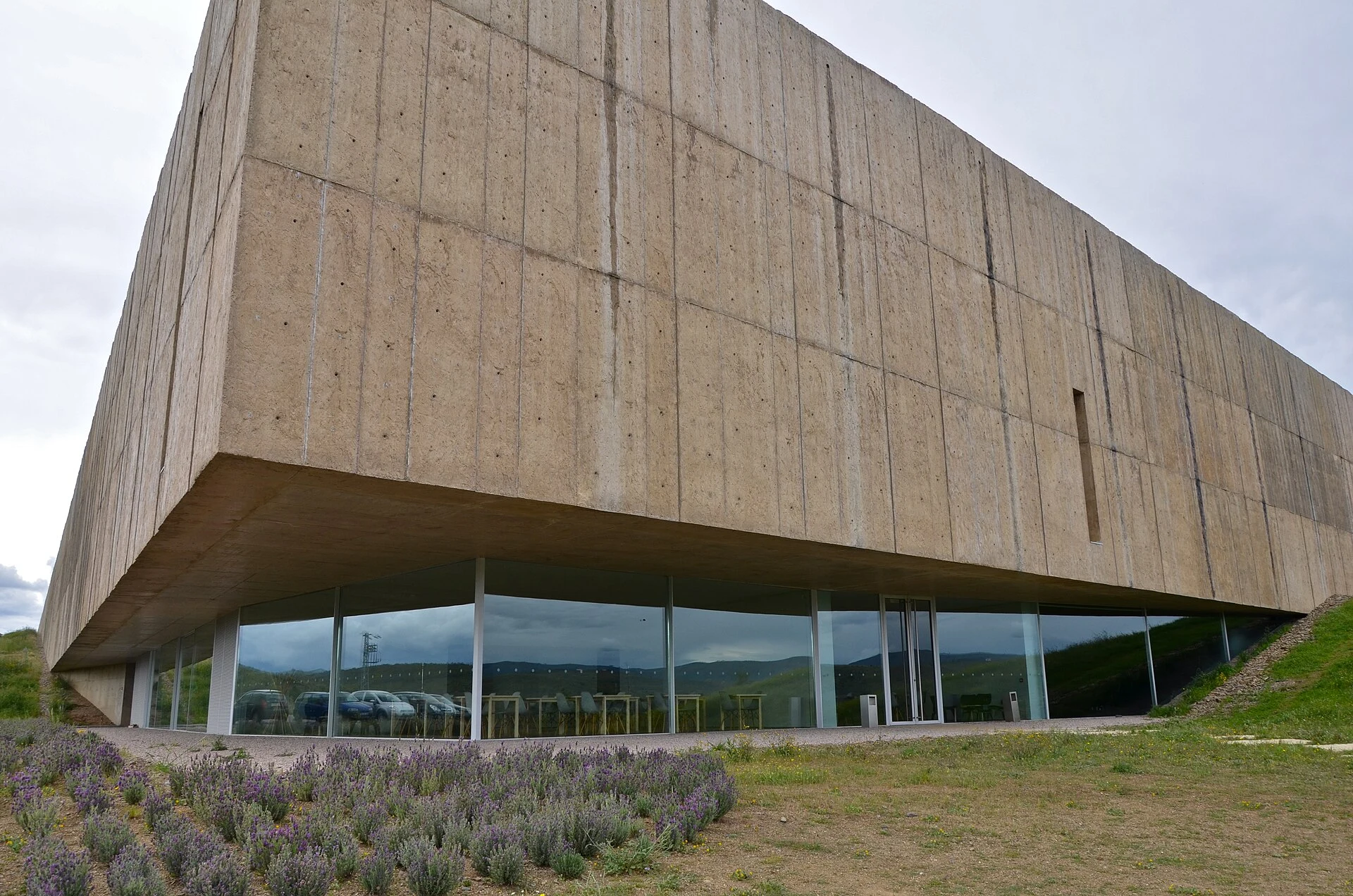 Culture
A visit to the Côa Valley is best planned around light, terrain and the time available: museum first, one or two sites afterwards, and logistics arranged in advance.
Read guide →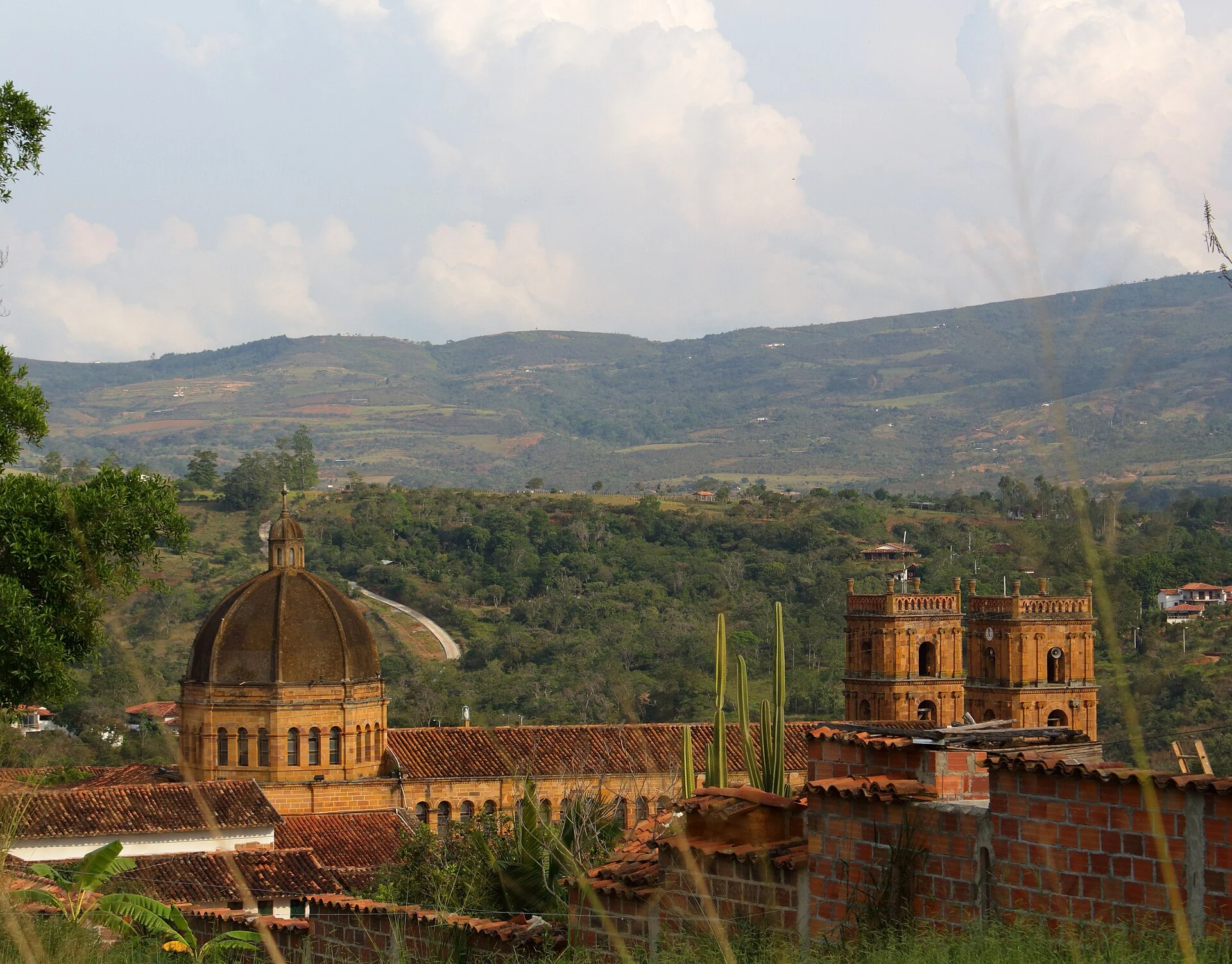 Routes
A downhill walk from Barichara to Guane to understand what the Camino Real protects, how much effort it requires and how to plan the day without turning it into a race.
Read guide →Ani is not a collection of isolated ruins: its layout, walls and temples reveal a medieval Armenian, Byzantine, Seljuk and Georgian city on the banks of the Arpaçay.
Read guide →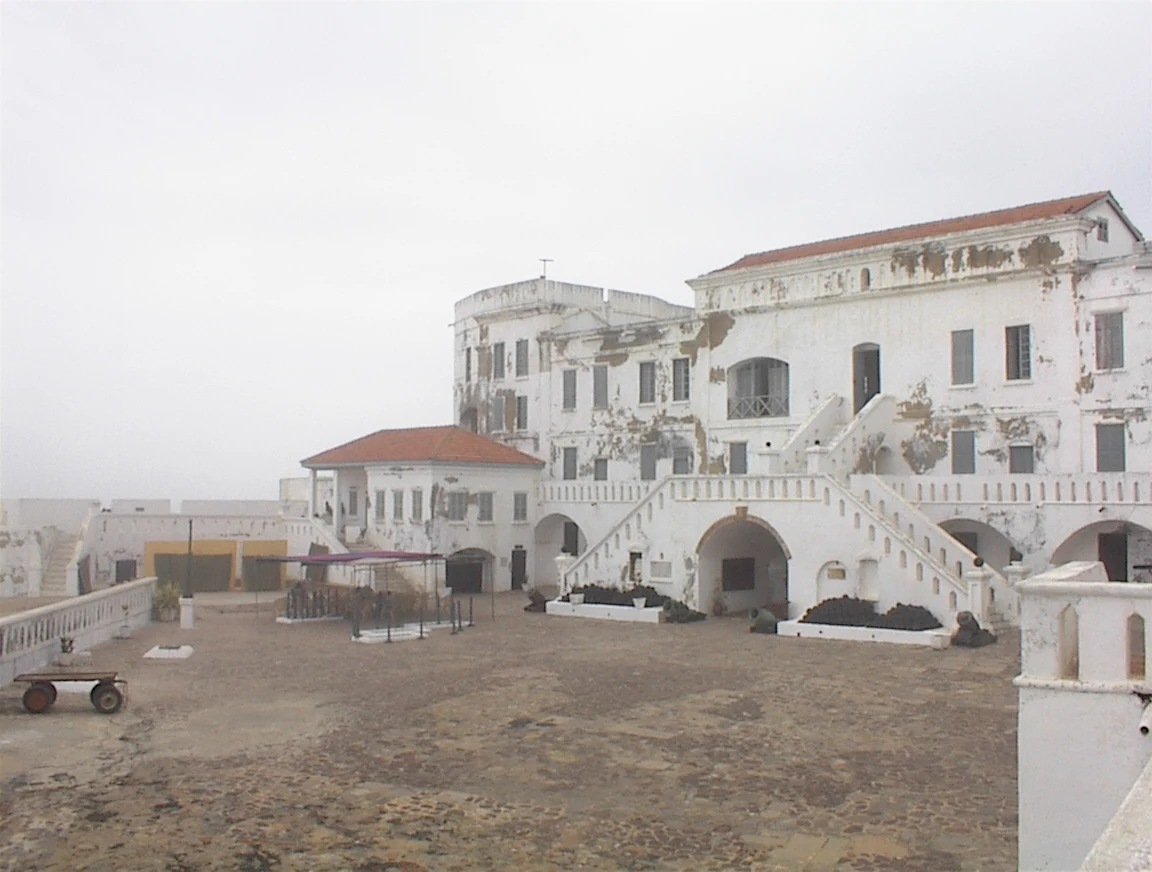 Culture
A compact itinerary that allows time for two coastal castles and Kakum’s forest canopy, without mistaking a historical visit for a light excursion.
Read guide →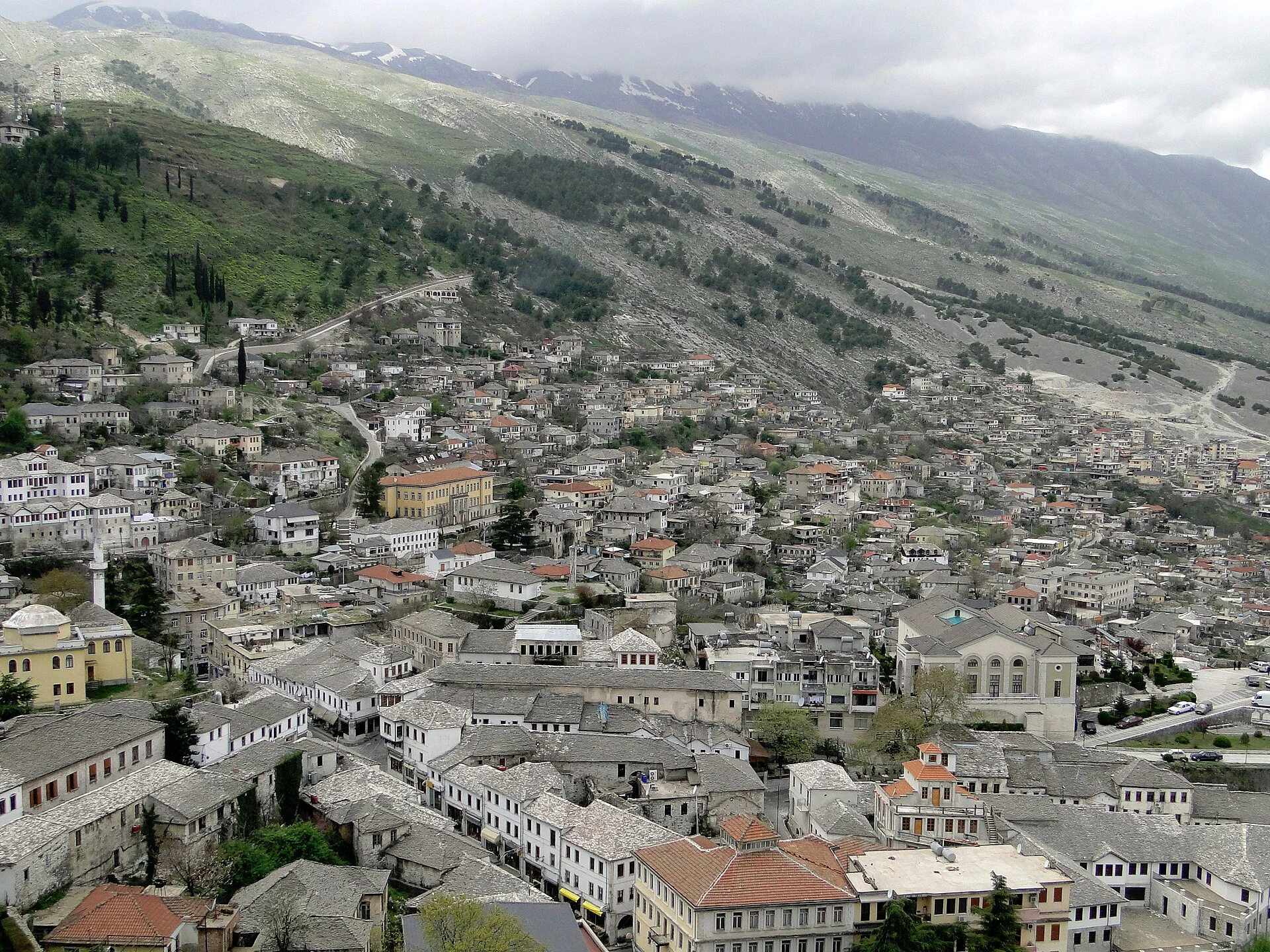 Culture
A walking route through Gjirokastër to understand its tower houses, bazaar and fortress, with practical attention to steep slopes, cobblestones and changing opening hours.
Read guide →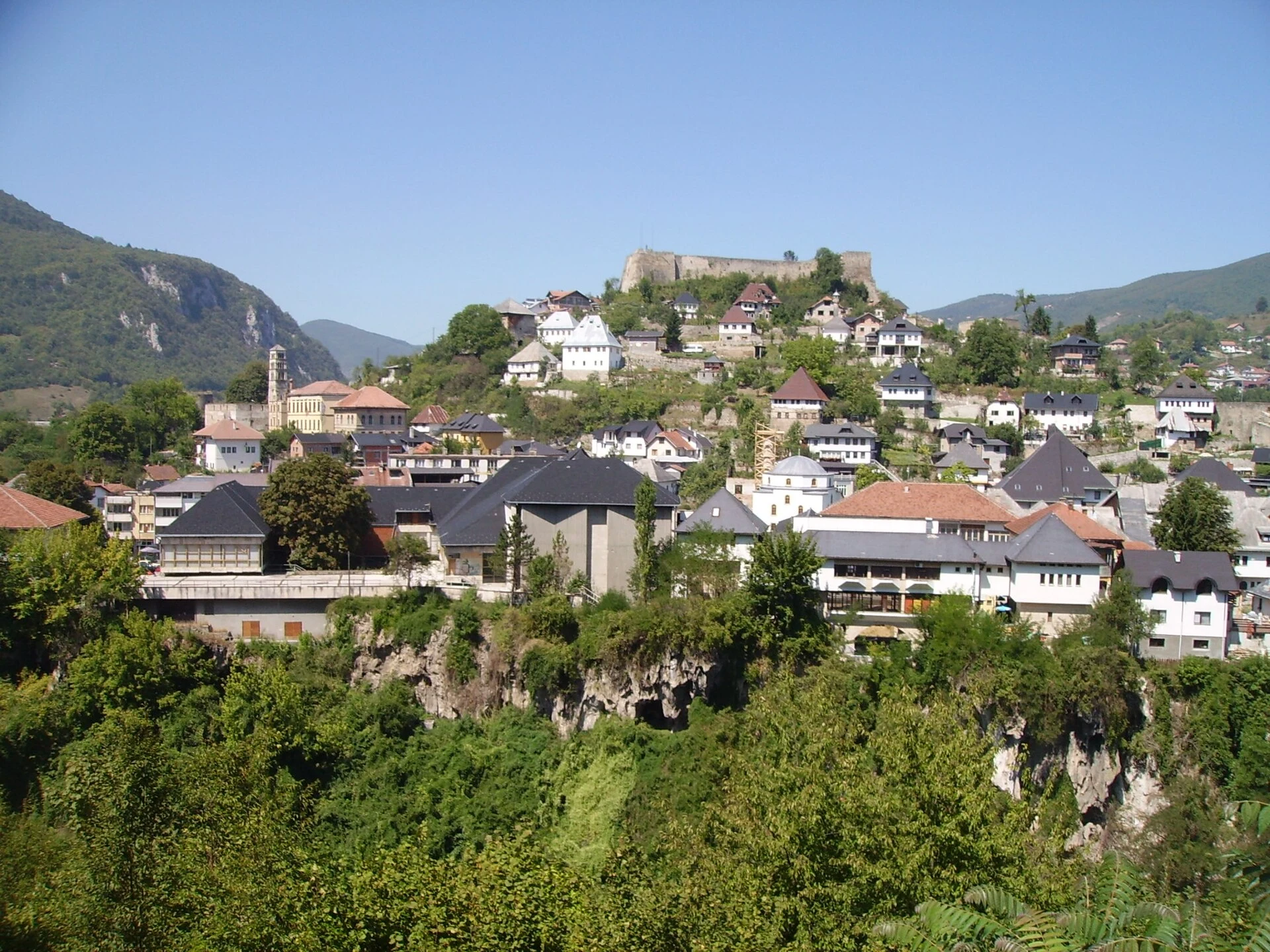 Culture
Jajce is best understood in two parts: a steep historic centre and, five kilometres away, the Pliva Lakes with their wooden mills. The visit gains depth when you include the AVNOJ Museum and avoid confusing a Tentative List entry with a UNESCO inscription.
Read guide →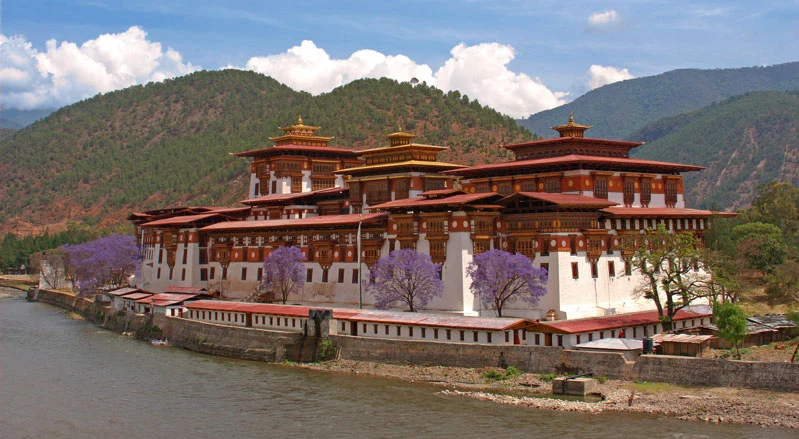 Culture
A day linking the dzong beside two rivers, a climb through cultivated fields and a temple best visited with time and respect.
Read guide →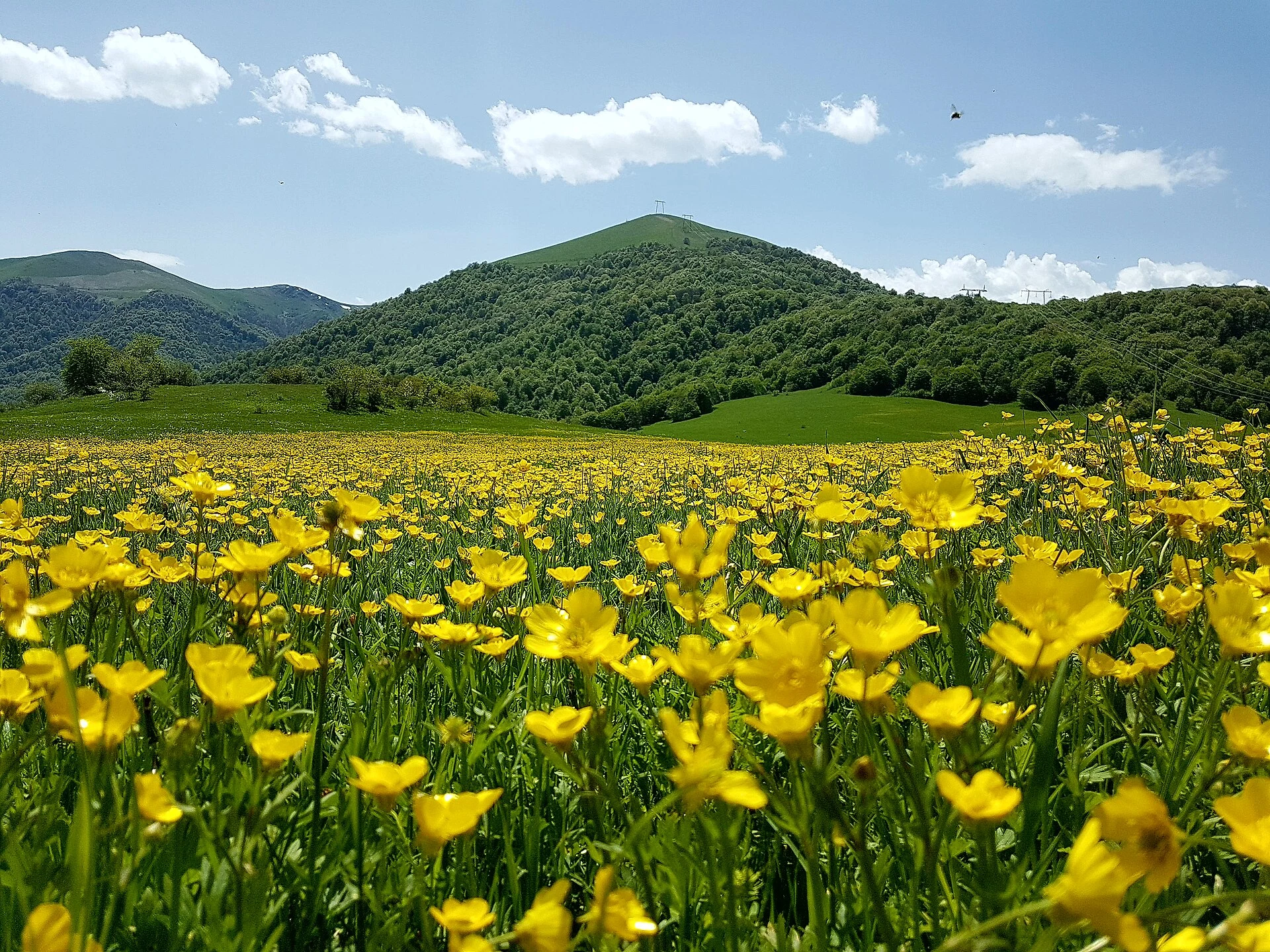 Routes
A day of forest and medieval heritage in Dilijan requires choosing the right distance: the short walk beside the lake or the mountain trek to Goshavank Monastery.
Read guide → Algeria
 Pakistan
 Benin
 Portugal
 Colombia
 Türkiye
 Ghana
 Albania
 Bosnia and Herzegovina
 Bhutan
 Armenia