Choosing an Île-de-France Day Trip by Primary Interest
Île-de-France blends the Paris metropolitan area with forests, riverbanks, farmland, and historic towns. Focusing on a single priority helps determine if a day trip outside Paris is worth the travel time.
A documented soundscape that complements this guide to France. Île-de-France blends the Paris metropolitan area with forests, riverbanks, farmland, and historic towns. Focusing on a single priority helps determine if a day trip outside Paris is worth the travel time.
Audio by Baskette, Billy; Reisner, C. Francis; Davis, Benny; Pasternack, Josef · loc_national_jukebox · Public Domain · Duration: 02:59
Three Coexisting Scales in the Region
A practical way to navigate the area is to distinguish between Paris proper, the petite couronne of nearby suburbs, and the grande couronne, which includes urban, rural, and semi-rural areas. These are not isolated bands; the conurbation extends outward, while the same region contains forests, waterways, and agricultural land.
Therefore, simply "going to the countryside" does not describe a uniform experience. The outer belt also includes metropolitan living areas and suburban zones. Define the specific environment you are seeking and locate the exact site before organizing your day.
Select the Excursion by Its Main Attraction
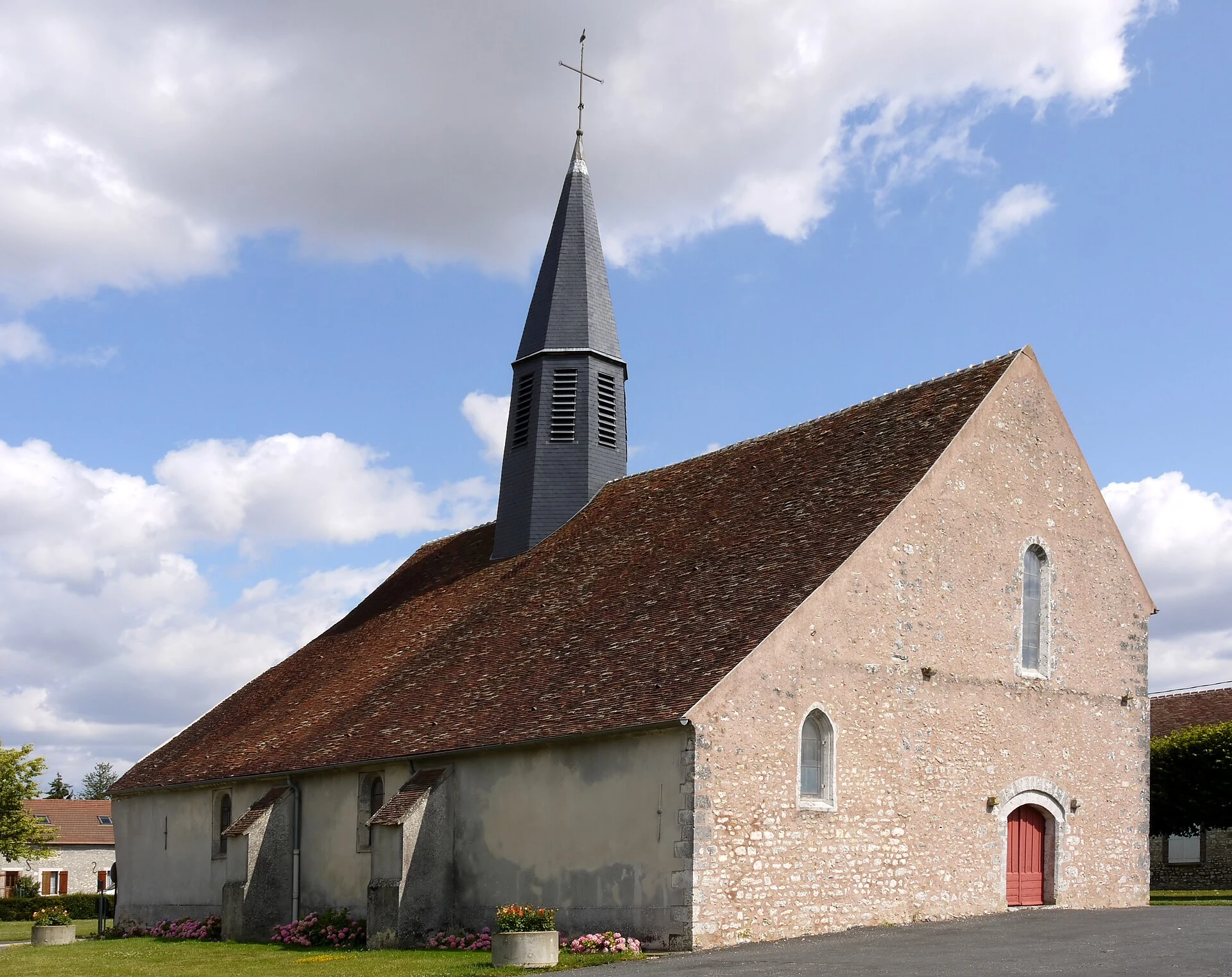
Fontainebleau offers a forested setting and a castle; Versailles is defined by its palace; Provins is known for its fortified center and medieval heritage. These are options with distinct motivations—landscape, historic residence, or urban fabric—not stops that should be automatically combined.
The Saint-Cloud park and the Le Bourget aviation museum are also possibilities. Before grouping locations, check their locations, hours, and current connections: regional information alone is not enough to confirm how long each visit takes or if they are easy to link.
Open Landscapes Do Not Cover the Entire Region
The Pays de France, to the north and northeast, is associated with farmland and cereal crops, although part of the territory has been transformed by suburban growth. The Seine, Marne, and Oise rivers help explain the presence of riverbanks and fertile land in various parts of the region.
This combination can guide your choice, but it does not mean that a rural landscape is continuous or offers a specific walkable itinerary. If you are looking for nature or a hike, review the access and conditions of the specific location before leaving.
Check Logistics Before Adding Stops
Paris has several main railway stations receiving services from different parts of France and neighboring countries. This fact does not identify the right connection for each regional destination or confirm current schedules. Once you have chosen the excursion, check which station to depart from and verify the service with updated information.
The trade-off is practical: a specific outing can offer heritage or landscape, but adding scattered destinations can reduce visit time due to travel. If you are still situating your trip within the country, also consult the basic references for France to organize your journey.
Sources and references
Hide references
14 references
References consulted during editorial review. Times, requirements and advisories may change: always confirm with the official source.
-
Île-de-FranceLicence: CC BY-SA 4.0 Wikivoyage contributors · Île-de-France
-
FranceLicence: CC BY-SA 4.0 Wikivoyage contributors · France
-
French phrasebookLicence: CC BY-SA 4.0 Wikivoyage contributors · French phrasebook
-
Kingdom of FranceLicence: CC BY-SA 4.0 Wikivoyage contributors · Kingdom of France
-
Sierra de Francia - WikiviajesLicence: CC BY-SA 4.0 Wikivoyage contributors · Sierra de Francia - Wikiviajes
-
Francia - WikiviajesLicence: CC BY-SA 4.0 Wikivoyage contributors · Francia - Wikiviajes
-
Brest (Francia) - WikiviajesLicence: CC BY-SA 4.0 Wikivoyage contributors · Brest (Francia) - Wikiviajes
-
Orange (Francia) - WikiviajesLicence: CC BY-SA 4.0 Wikivoyage contributors · Orange (Francia) - Wikiviajes
-
Bayonne (France)Licence: CC BY-SA 4.0 Fuente: Wikivoyage
-
ParisLicence: CC BY-SA 4.0 Fuente: Wikivoyage
-
Bourgogne-Franche-ComtéLicence: CC BY-SA 4.0 Fuente: Wikivoyage
-
ParisLicence: Datos geográficos bajo CC BY 4.0; requiere atribución a GeoNames. Fuente: GeoNames
-
Paris, Ile-de-France, Metropolitan France, FranceLicence: ODbL 1.0; atribución y obligación de compartir bases derivadas. Fuente: OpenStreetMap