Exploring São Tomé's Historic Centre and Its Transformed Buildings
The São Sebastião Fortress, the cathedral, and the market offer distinct references for exploring São Tomé: heritage, history, and commercial activity in the city centre.
A city founded in the colonial era
The city was founded in 1485 in the northeast of São Tomé island by Portuguese colonists interested in sugarcane cultivation. It preserves architecture from different periods, but its buildings are not an intact image of the past. This distinction helps interpret the city with attention to its changes: heritage also tells transformations, not just origins.
The fortress and the National Museum
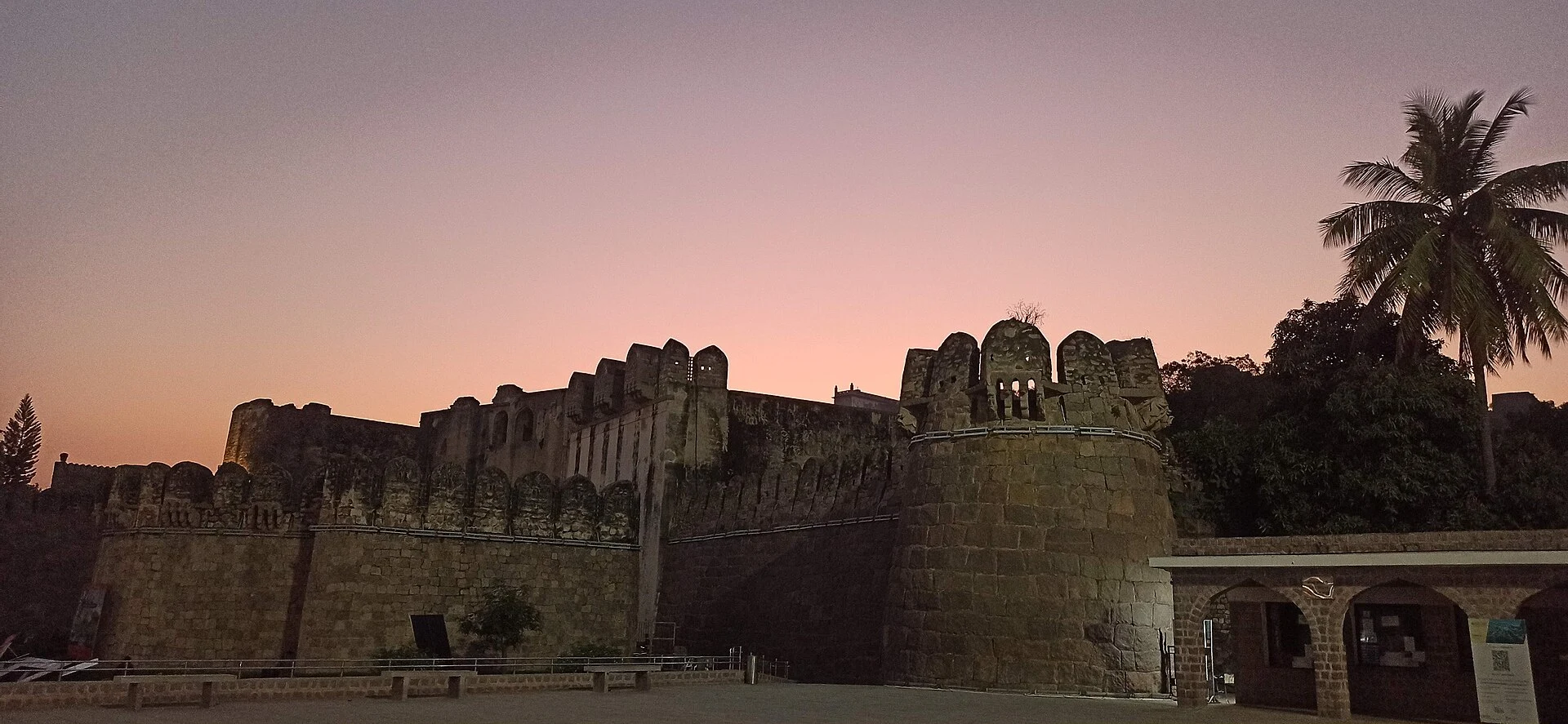
The São Sebastião Fortress, a historic structure located in the centre, houses the National Museum. Its contents include aspects of life during the colonial era and a collection of local religious art. The visit offers a reference for approaching the island's history; to prepare your tour, check separately if the museum is open and what its access conditions are.
The cathedral: architectural layers
Parts of the Cathedral of Our Lady of Grace date back to the 15th century, although the building has undergone significant modifications. The 1956 intervention gave the main façade an eclectic character, with neo-Romanesque elements. It is not a façade unchanged since its origins: observing its different stages allows a better understanding of São Tomé's architectural landscape.
The presidential palace is not an interior visit
The Presidential Palace was built in the mid-19th century as the administrative centre for the governor, expanded in 1954, and has functioned as the presidential residence since 1975. Available information indicates that it is not open to the public and that photography is not permitted. Take this restriction into account when planning and verify if it is still in effect before approaching.
The market as part of everyday city life
The municipal market is described as bustling and frequented by residents, with the sale of food and other products. Its interest lies in observing ordinary commercial activity, not in turning it into a spectacle. Ask permission before photographing people and respect the site's instructions. If you want to expand the heritage context beyond the capital, the route through Monte Café, Água Izé, and São João addresses former plantations and their infrastructures.
What to check before leaving
Available information allows identifying the places and some of their backgrounds, but does not confirm opening hours, prices, services, or current visit conditions. Check the museum's opening and any changes in the palace's restrictions; also consult separately for transfers if you plan to leave the centre. This will allow you to decide how much to include without assuming data that may change is still valid.
Sources and references
Hide references
14 references
References consulted during editorial review. Times, requirements and advisories may change: always confirm with the official source.
-
São ToméLicence: CC BY-SA 4.0 Wikivoyage contributors · São Tomé
-
São Tomé and PríncipeLicence: CC BY-SA 4.0 Wikivoyage contributors · São Tomé and Príncipe
-
Santo AntónioLicence: CC BY-SA 4.0 Wikivoyage contributors · Santo António
-
West African IslandsLicence: CC BY-SA 4.0 Wikivoyage contributors · West African Islands
-
Santo Tomé y Príncipe - WikiviajesLicence: CC BY-SA 4.0 Wikivoyage contributors · Santo Tomé y Príncipe - Wikiviajes
-
Guía de portugués - WikiviajesLicence: CC BY-SA 4.0 Wikivoyage contributors · Guía de portugués - Wikiviajes
-
Guinea Ecuatorial - WikiviajesLicence: CC BY-SA 4.0 Wikivoyage contributors · Guinea Ecuatorial - Wikiviajes
-
Santo Tomé (capital) - WikiviajesLicence: CC BY-SA 4.0 Wikivoyage contributors · Santo Tomé (capital) - Wikiviajes
-
Santo Tomé y PríncipeLicence: CC0 1.0 Wikidata · Q1039
-
São Tomé and PríncipeLicence: ODbL 1.0 World countries dataset by mledoze and contributors · ODbL 1.0
-
São ToméLicence: Datos geográficos bajo CC BY 4.0; requiere atribución a GeoNames. Fuente: GeoNames
-
São Tomé, Água Grande, São Tomé and PríncipeLicence: ODbL 1.0; atribución y obligación de compartir bases derivadas. Fuente: OpenStreetMap
-
Portuguese languageLicence: CC BY-SA 3.0 DBpedia