Marrakech travel tips: getting around the medina
Find your way from Jemaa el-Fna, choose a riad and visit Marrakech’s souks, palaces and gardens on a two- or three-day trip.
Find your bearings from Jemaa el-Fna
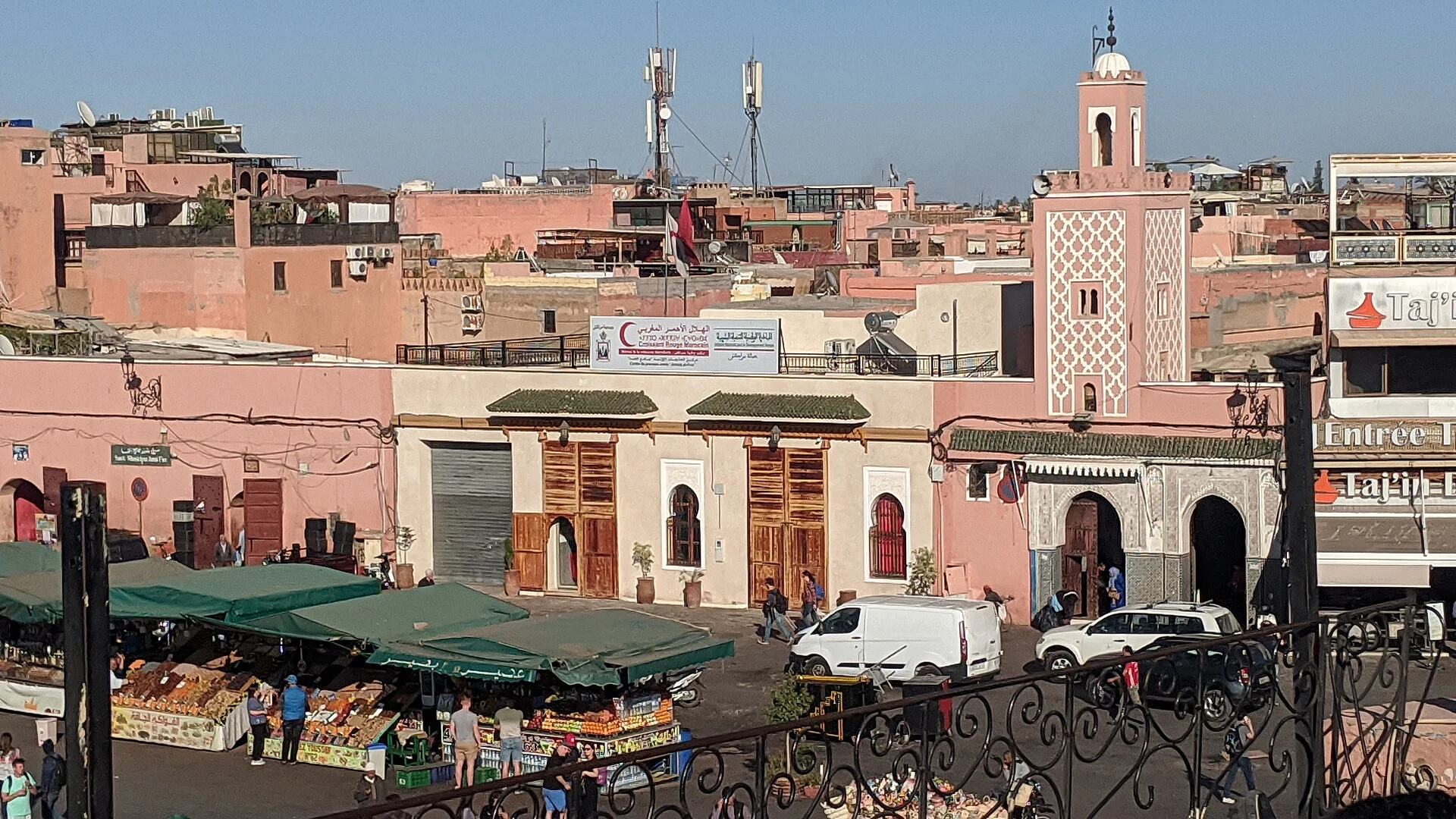
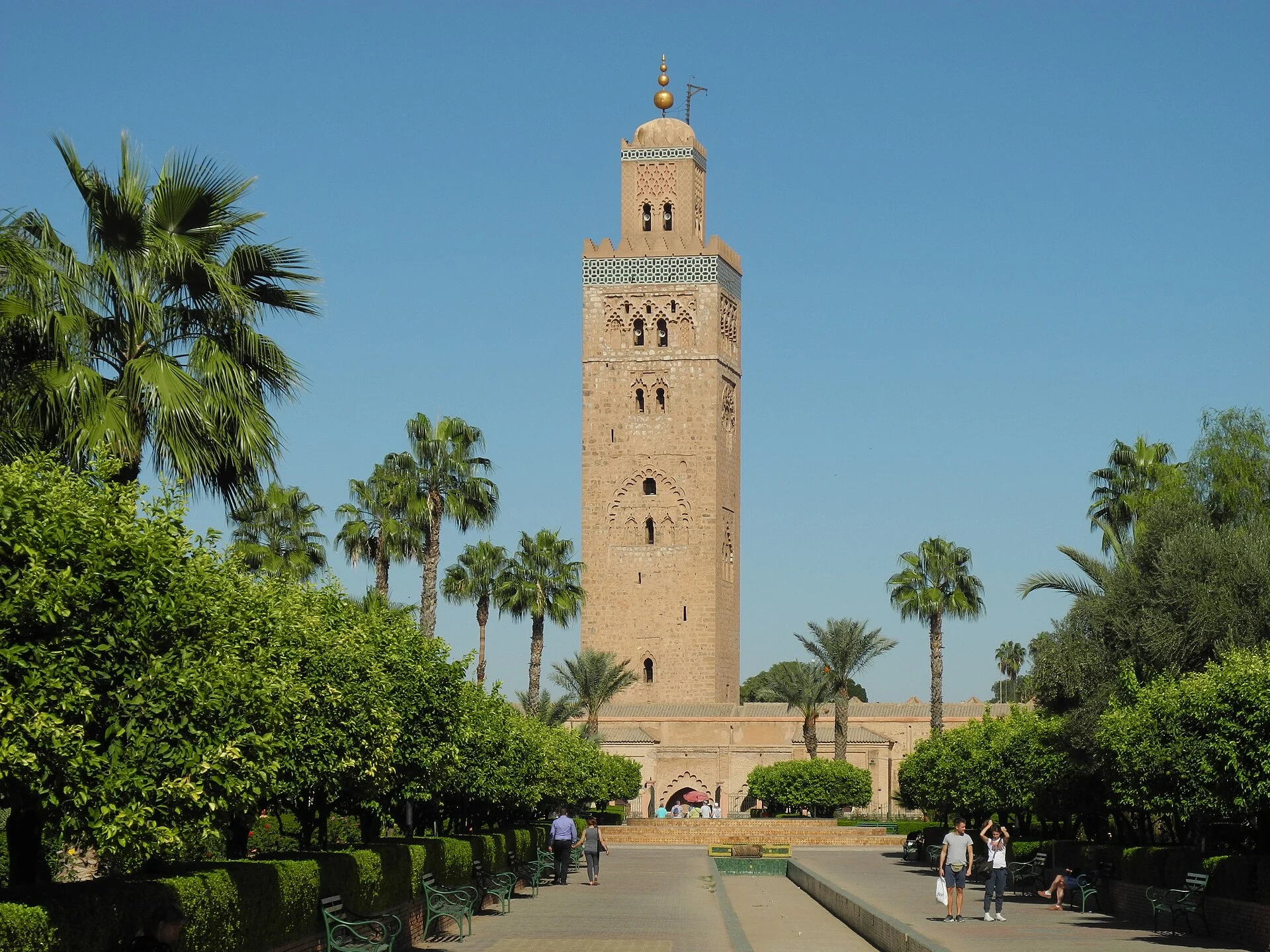
The medina is Marrakech’s walled historic centre. Its markets and monuments sit alongside residential lanes. Jemaa el-Fna is a broad square and a useful place to reset your bearings. The souks extend north from the square; to the west, the Koutoubia minaret comes into view when you emerge onto a more open street.
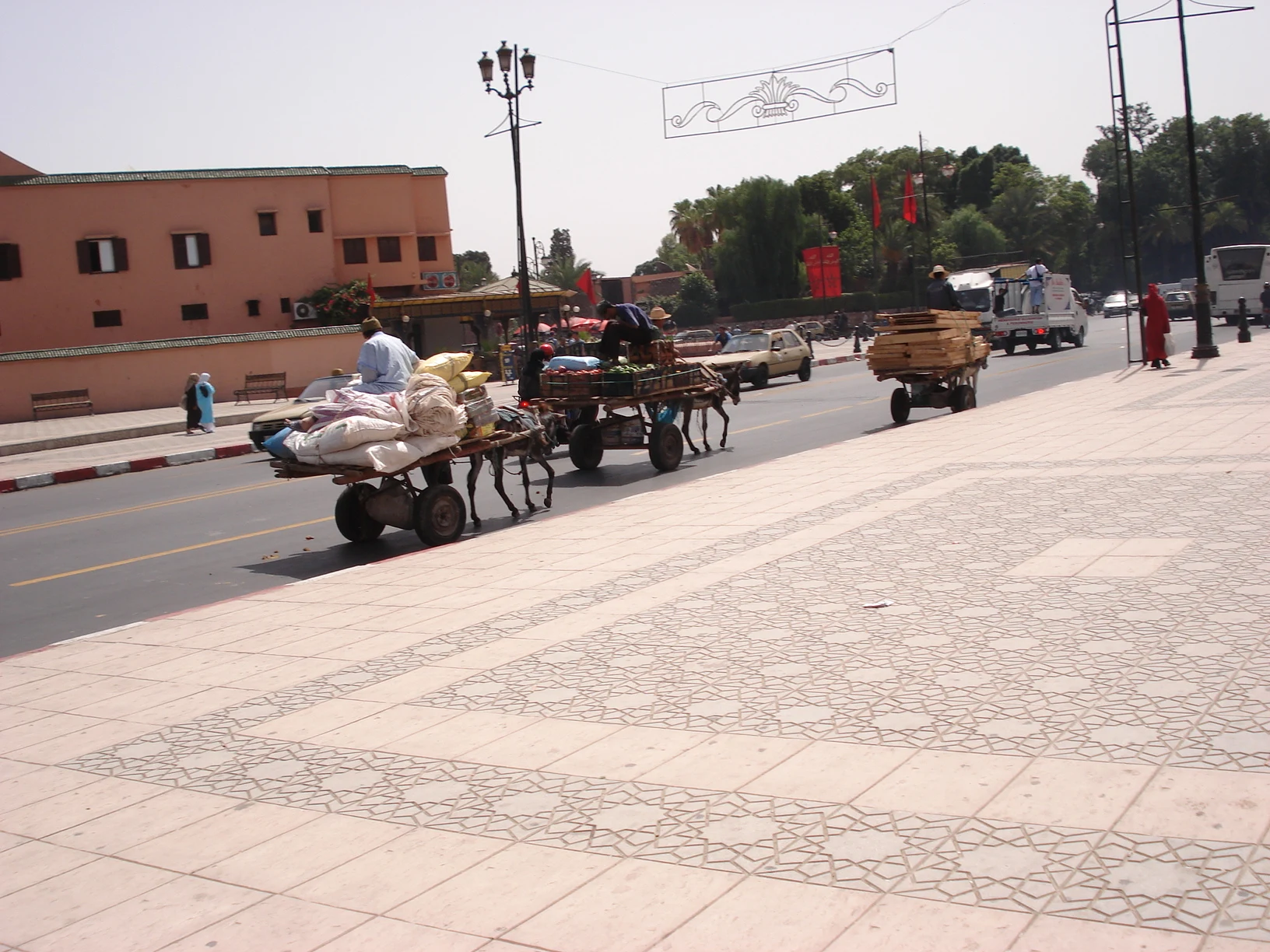
Download an offline map and pin the entrance to your riad, the nearest gate or wide street, and the square. Ask your host for a simple route back. Several passages can look alike, a lane may end at a private door, and your phone’s location can drift. If a shortcut feels wrong, retrace your steps to the last busy street and ask at an established shop for the square or gate. Leave room for scooters, bicycles and carts, and step aside to check your phone.
Souks, a madrasa, palaces and gardens
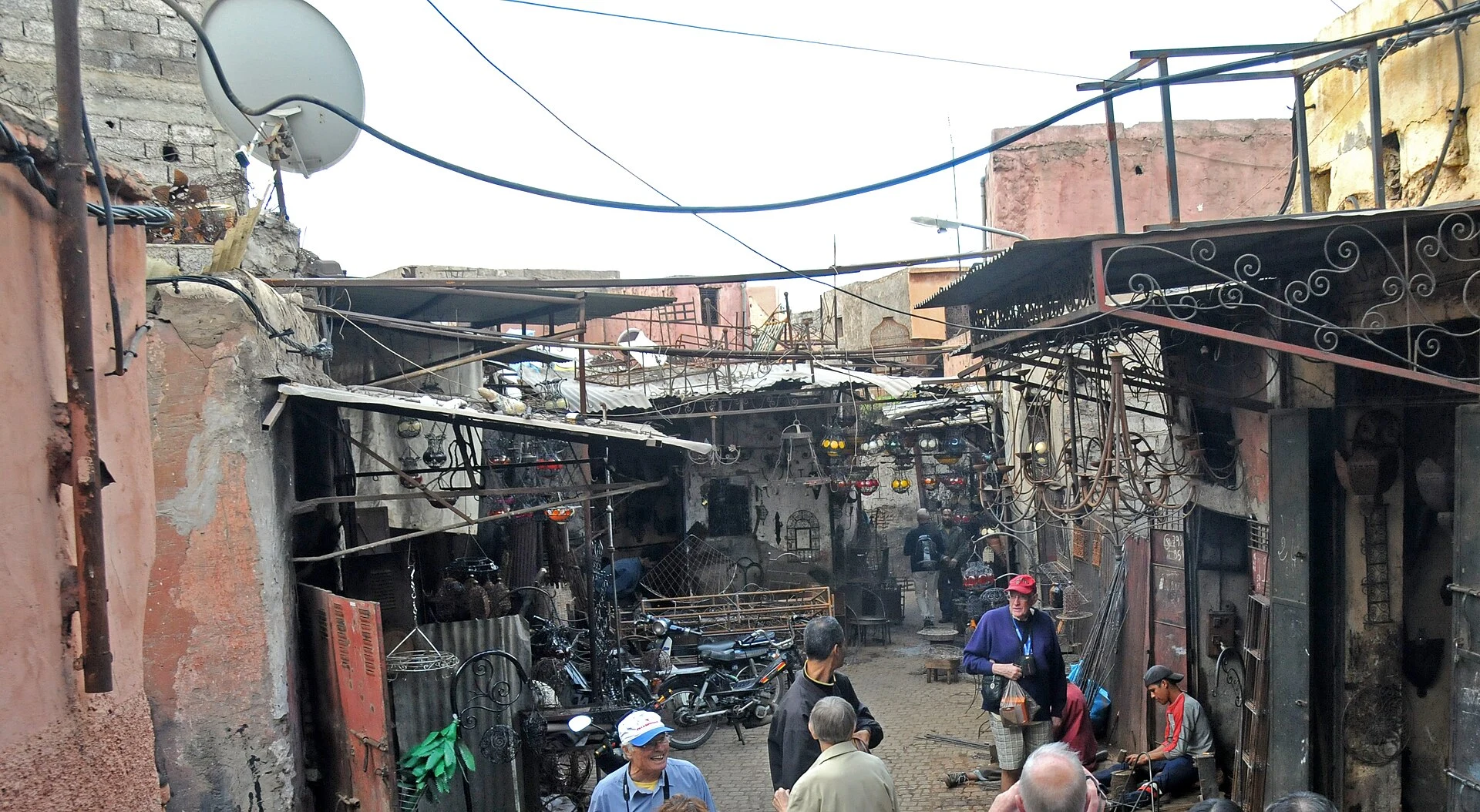
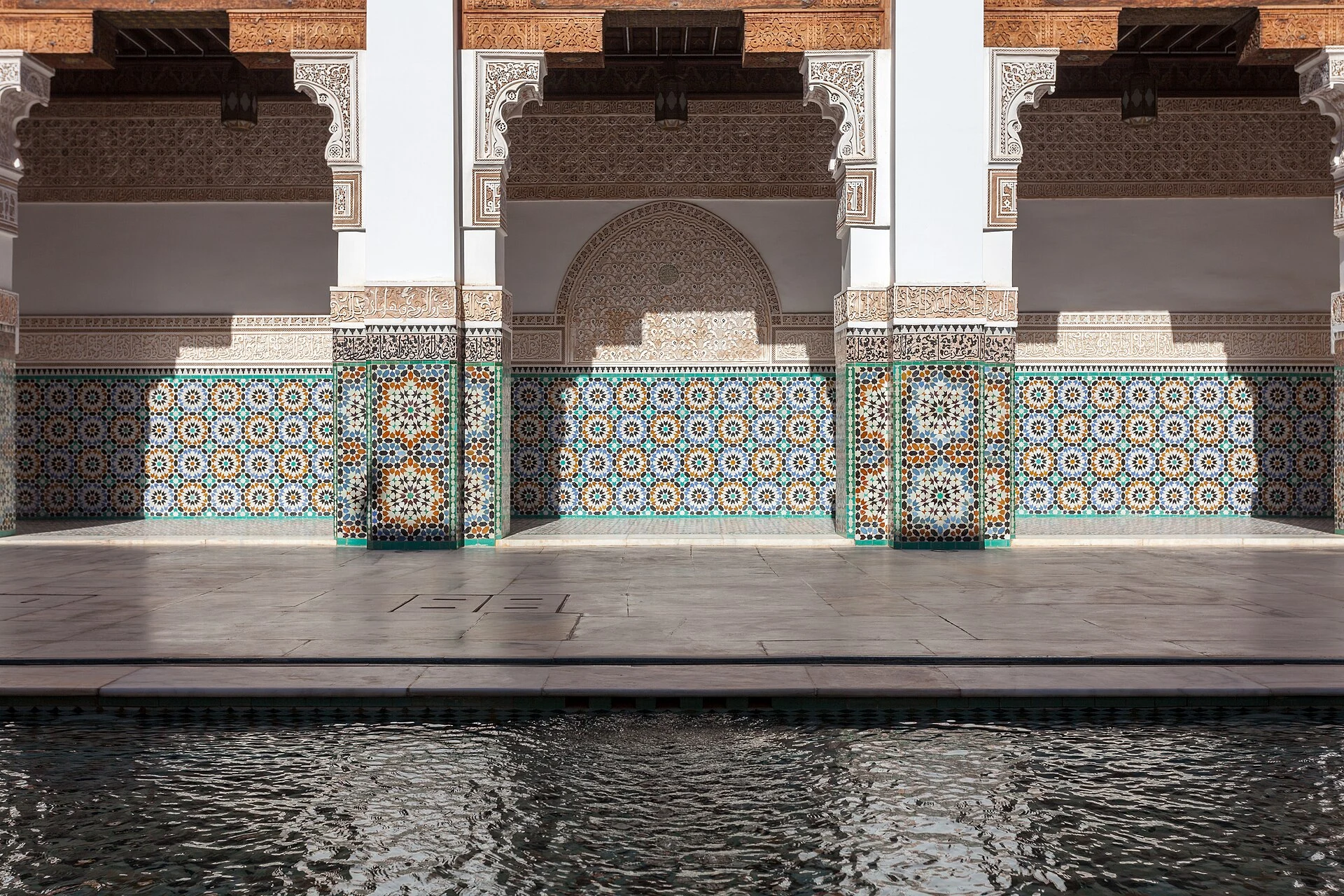
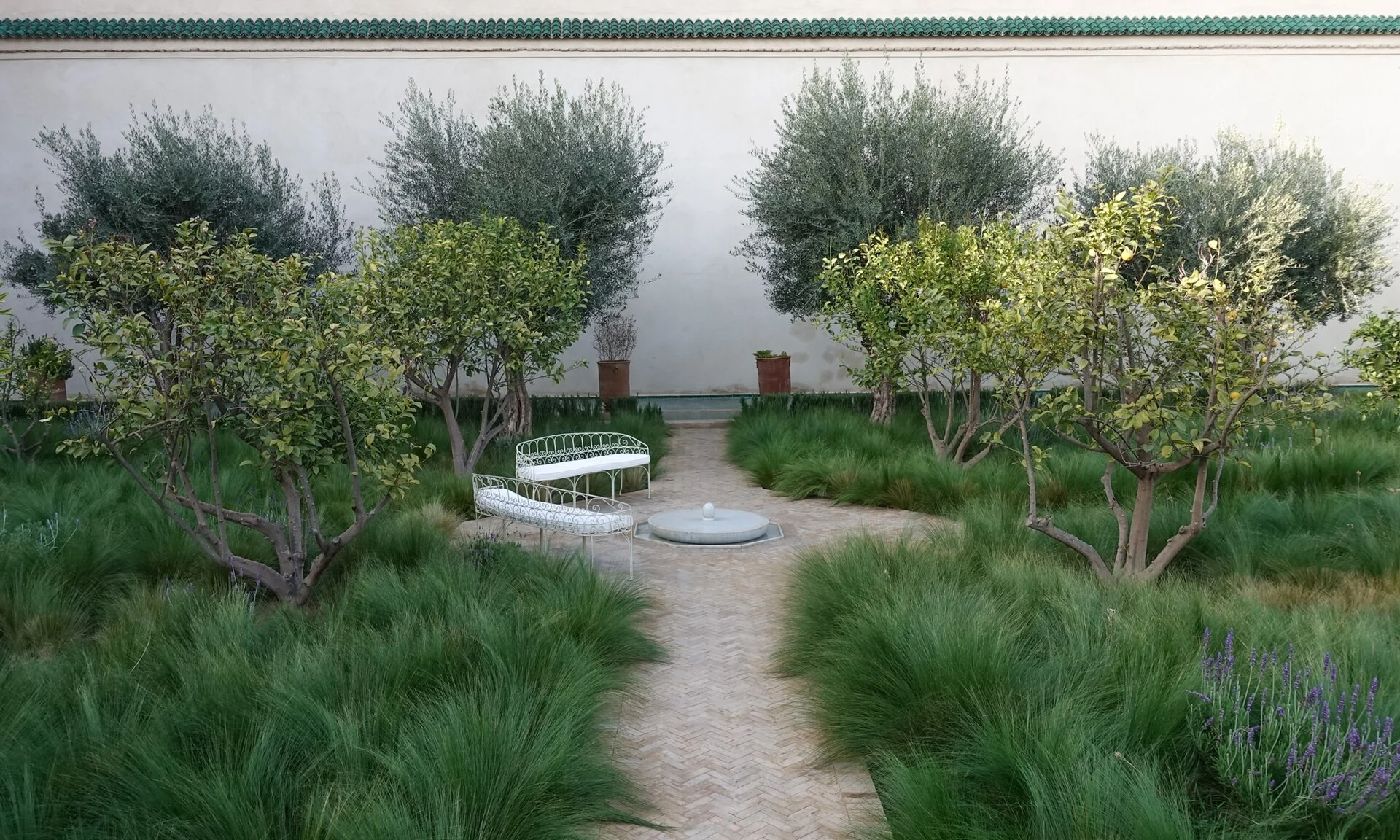
Explore the souks by craft. Look for areas with leather slippers, textiles, spices and metalwork; stalls overlap, so treat these as clusters rather than sharply defined districts. In the northern medina, pause at the Ben Youssef Madrasa, a former Quranic school, to look at the courtyard’s tiles and carved wood. Le Jardin Secret in Mouassine offers a quieter stop among gardens and courtyards.
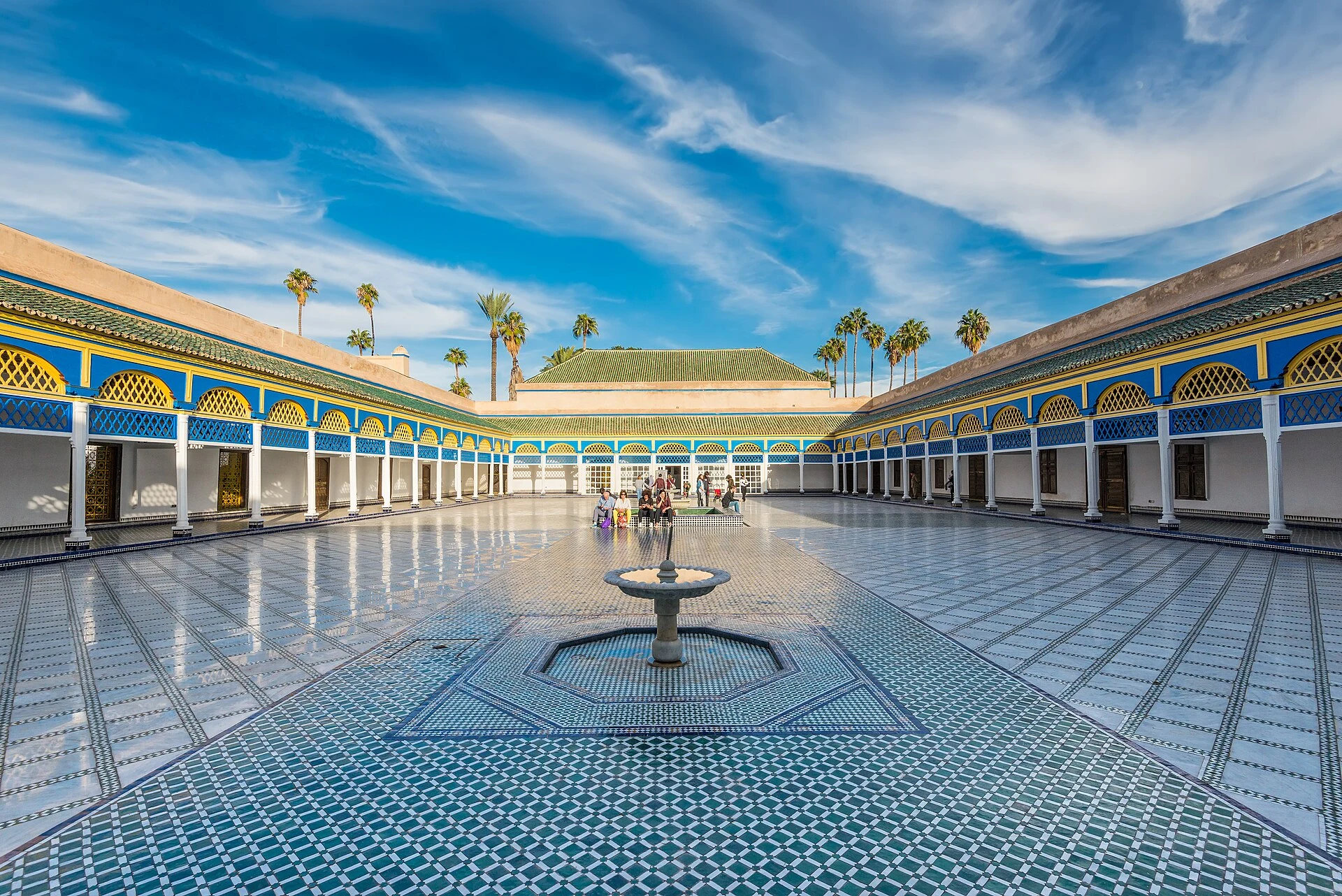
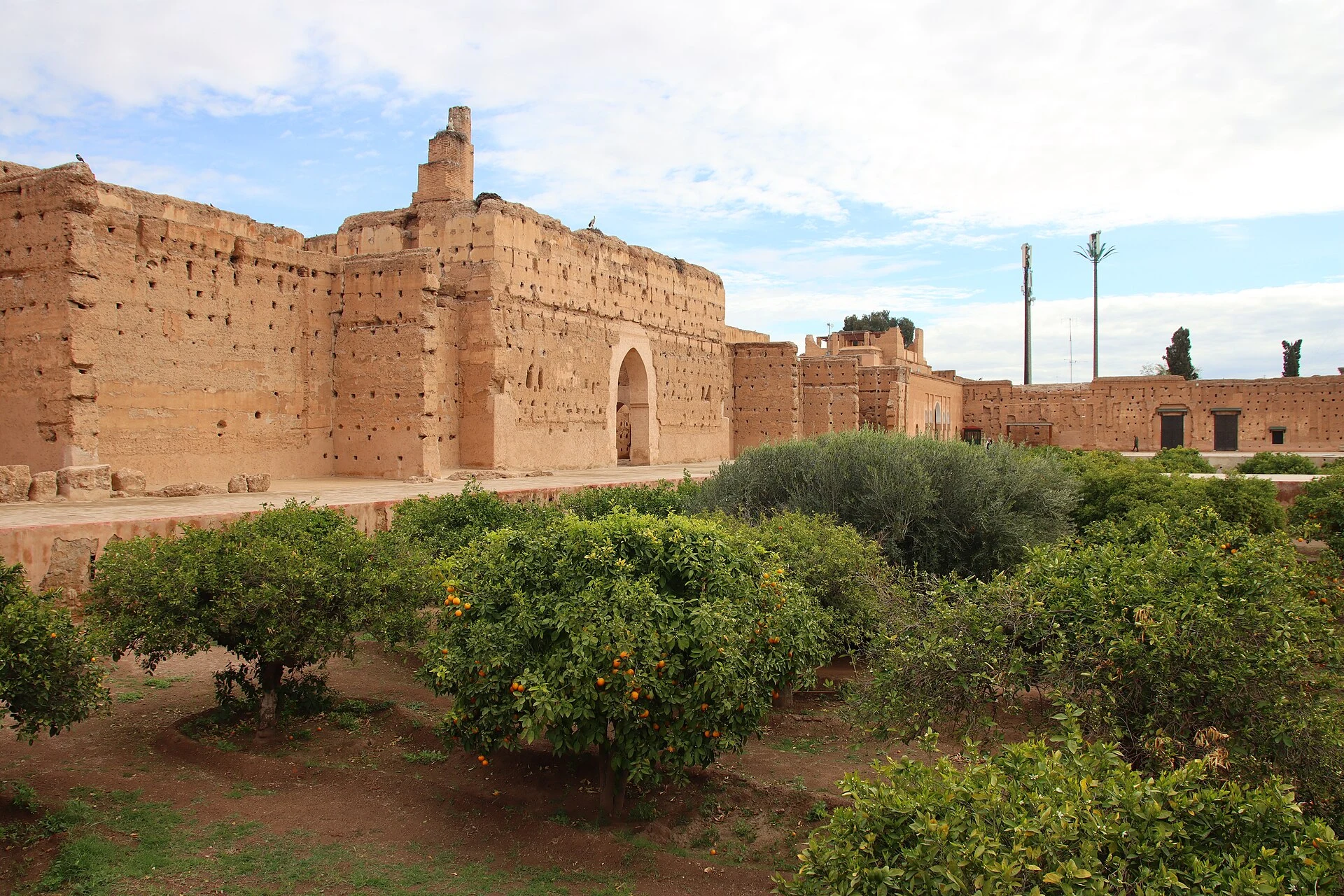
In the south, choose between the Bahia Palace, with its decorated rooms and courtyards, and El Badi, where the open spaces and remains give a sense of the old palace. See the Koutoubia Mosque from outside, using the esplanade and gardens and leaving worshippers’ access clear. Outside the walls, the Majorelle Garden makes a separate visit; check its official booking arrangements first.
Bargaining, guides and etiquette
Where prices are negotiable, compare a few stalls before making an offer you would be happy to pay. Thank the seller and move on if you cannot agree. Use the displayed price for tickets, fixed-price shops and restaurant menus. Tips are a way to thank someone for a service; ask what is included before booking a tour or a transfer.
For a guided visit, arrange a licensed guide and check their badge, the duration and the full charge. A friendly direction is welcome; be cautious if someone insists a street is closed, steers you into a shop or demands payment after walking with you. Decline and check the route yourself. Ask before photographing people, workshops or performers. Clarify any fee before taking the photo, and put the camera away if permission is refused.
Wear shoes with grip and loose, light clothing that covers shoulders and knees around religious or more conservative settings. In hot weather, walk early or later in the afternoon and take a shaded break at midday. Check last admission, closures and booking requirements before setting out; shop and restaurant hours can change during Ramadan.
Dirhams, cash machines and street safety
The currency is the Moroccan dirham (MAD). Carry small notes for stalls and rides, and ask before relying on a card. Use a bank cash machine in a busy spot or inside a branch. Check fees and the currency of the transaction before accepting any offer to convert the amount into your home currency.
Keep your bag closed in crowds and put your phone away before walking. After dark, use well-lit, busy streets or the approach agreed with your accommodation. Agree the cost of a sample, henna design or help with luggage before accepting it. Check claims of a closed entrance at the venue itself, and ask what extras a food stall charges before ordering.
Where to stay and how to get there from Menara
A riad inside the medina puts the walks on your doorstep and is usually arranged around a courtyard. Ask how far you will have to walk from a vehicle drop-off, about stairs and noise, and how late check-in works. A hotel outside the walls in Guéliz or Hivernage may offer easier vehicle access; check the specific entrance and allow time to get to the medina.
From Marrakech-Menara Airport, arrange a transfer through your accommodation or take a licensed taxi from the official rank. Confirm your drop-off and the total fare, or the use of a meter where applicable. If you prefer a bus, check the route, stop and service at your arrival time with the operator or the arrivals information desk. For a riad down a narrow lane, agree where to get out and how to recognise the entrance, especially at night.
Eating around Jemaa el-Fna
The Jemaa el-Fna food stalls are an option for an open-air dinner. Before sitting down, check the menu, portion sizes and whether bread and sides cost extra. A restaurant on a nearby street offers a quieter alternative. Try tanjia, a slow-cooked meat dish associated with Marrakech, or choose a tagine, couscous or harira, a soup often made with pulses. Ask about ingredients and shared equipment if you have an allergy.
Choose food that is thoroughly cooked and served hot and wash your hands before eating. If you cannot check the water is safe to drink, use bottled water with an intact seal and skip ice of uncertain origin. Bring water for hot walks.
Two days on foot, with an optional third
- Day 1 · Souks and the northern medina. Walk from Jemaa el-Fna towards the workshops, visit Ben Youssef and take a break at Le Jardin Secret. Return to the square around dusk. If you arrive late, use the evening to learn the route to your riad.
- Day 2 · Palaces and Koutoubia. Visit Bahia or El Badi early, adding the other if you have time. Pause at midday and finish outside the Koutoubia.
- Day 3 · Beyond the walls. Book Majorelle and explore Guéliz afterwards, or choose Menara for a more open walk. With only two days, keep the two medina routes.
If this is your first stop, start with our basic orientation before choosing an itinerary. For an onward trip, use the guide to Morocco's coast, Atlas, and Sahara to compare the routes.
Sources and references
Hide references
10 references
References consulted during editorial review. Times, requirements and advisories may change: always confirm with the official source.