Papua New Guinea by region: checks to make before you travel
Highlands, river deltas and island cities call for different plans in Papua New Guinea. Choose the focus of your trip, then check access, safety and logistics before settling on a route.
Port Moresby and the south: a reference point, not a complete itinerary
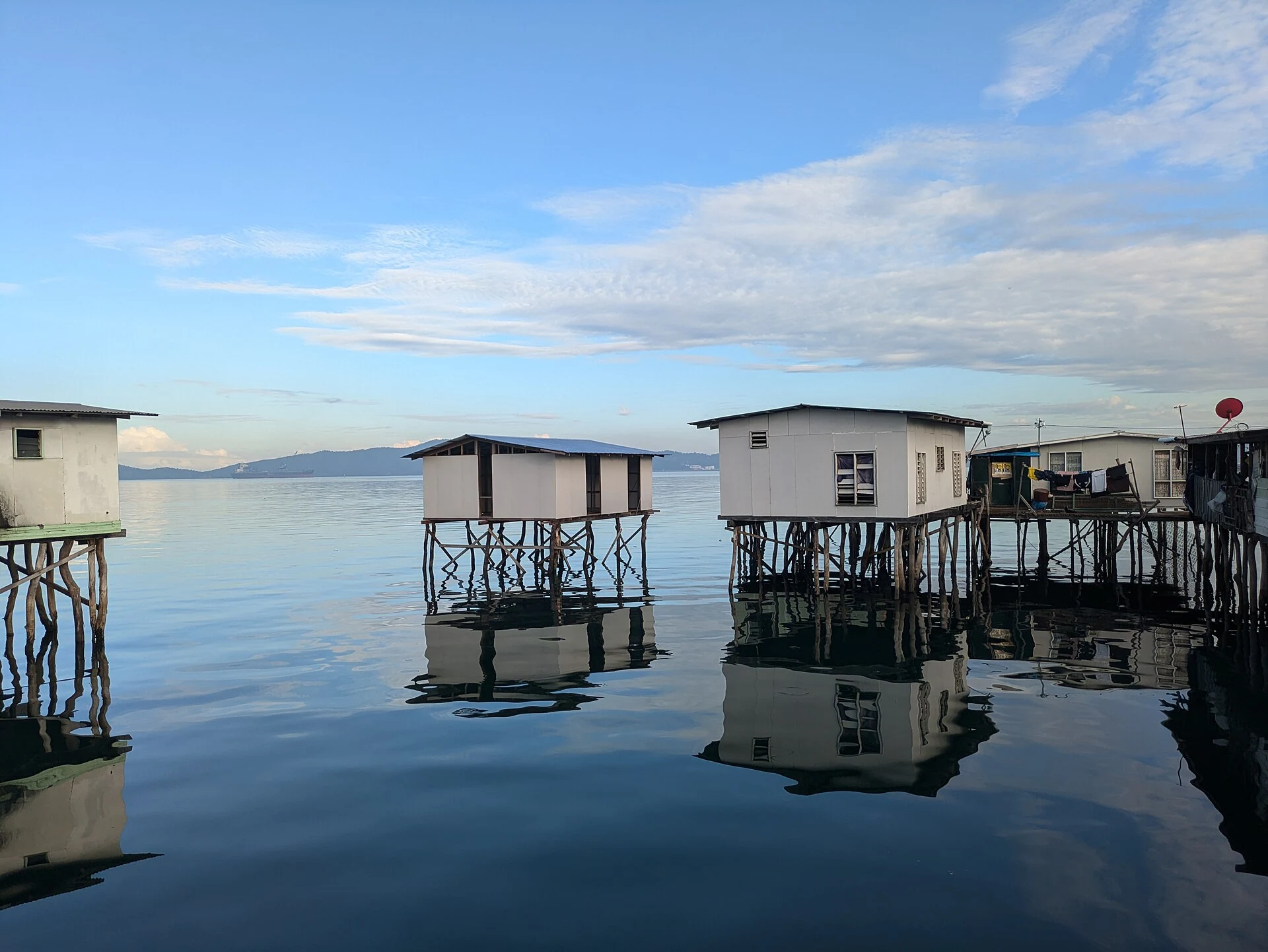
The capital lies on the coast of the Gulf of Papua and is part of the Southern Region, along with Central and Northern provinces. Tok Pisin plays an important role as a lingua franca in this area; Hiri Motu is also a notable linguistic reference in Central. When getting your bearings in the country, distinguish this local picture from the general list of languages recorded for Papua New Guinea: English, Hiri Motu and Tok Pisin.
Port Moresby can be a starting point for researching the rest of the country, but the travel information available does not allow you to take connections, schedules or current conditions for granted. Confirm each leg with operators and official sources before building a route around Port Moresby.
The Highlands: culture and mountains, with a current caution
The mountainous region includes towns such as Mount Hagen and Goroka, as well as natural attractions including Mount Wilhelm and Lake Kutubu. Agriculture is central to regional life, and the Highlands are also associated with coffee production. This combination makes the region worth considering for a trip focused on scenery, mountain towns and culture.
There is an additional check to make: information consulted and updated on 29 July 2026 records government travel advisories for Hela, Enga, Southern Highlands and Mount Hagen because of clashes and unrest, as well as a nighttime curfew noted in that source. Conditions can change. Check current official alerts for each place, and neither apply a provincial warning to the whole country nor dismiss it because it concerns another area.
The west: wetlands and journeys that need prior arrangements
Western and Gulf provinces combine deltas, rivers, wetlands, savannah areas and scattered communities. Lake Murray is a reference point for wetland and forest scenery; the Fly River delta is a network of tidal channels, mangroves and inhabited islands. The Tonda Wildlife Management Area is described as a protected area of wetlands and savannah beside the border with Indonesia.
The trade-off is logistical: sources describe remote destinations that generally require charter flights and arrangements in advance with accommodation providers or community hosts. They also note that there is no reliable road network linking the region’s main settlements. Before committing to dates, confirm how transfers work, where you will stay overnight and what local support is actually available.
Choose the focus of the trip before counting stops
For a trip centered on mountains and culture, research the Highlands and first check alerts for each place. If you are interested in western river systems and wetlands, expect the plan to depend on local arrangements and specific transport, not straightforward overland connections. For an initial orientation, use Port Moresby as a geographical reference, not as a guarantee of access to other regions.
The currency is the kina (PGK). Knowing the names of English, Hiri Motu and Tok Pisin can help you prepare for communication, although the useful language will depend on the place and the people you speak with. In all cases, confirm practical information and current conditions before setting out; general facts are no substitute for planning each leg.
Sources and references
Hide references
14 references
References consulted during editorial review. Times, requirements and advisories may change: always confirm with the official source.
-
Southern Papua New GuineaLicence: CC BY-SA 4.0 Wikivoyage contributors · Southern Papua New Guinea
-
Highlands (Papua New Guinea)Licence: CC BY-SA 4.0 Wikivoyage contributors · Highlands (Papua New Guinea)
-
Papua New GuineaLicence: CC BY-SA 4.0 Wikivoyage contributors · Papua New Guinea
-
Western Papua New GuineaLicence: CC BY-SA 4.0 Wikivoyage contributors · Western Papua New Guinea
-
Oceanía - WikiviajesLicence: CC BY-SA 4.0 Wikivoyage contributors · Oceanía - Wikiviajes
-
Papúa Nueva Guinea - WikiviajesLicence: CC BY-SA 4.0 Wikivoyage contributors · Papúa Nueva Guinea - Wikiviajes
-
Islas Salomón - WikiviajesLicence: CC BY-SA 4.0 Wikivoyage contributors · Islas Salomón - Wikiviajes
-
Puerto Moresby - WikiviajesLicence: CC BY-SA 4.0 Wikivoyage contributors · Puerto Moresby - Wikiviajes
-
BougainvilleLicence: CC BY-SA 4.0 Fuente: Wikivoyage
-
OceaniaLicence: CC BY-SA 4.0 Fuente: Wikivoyage
-
Solomon IslandsLicence: CC BY-SA 4.0 Fuente: Wikivoyage
-
Papúa Nueva GuineaLicence: CC0 1.0 Wikidata · Q691
-
Papua New GuineaLicence: ODbL 1.0 World countries dataset by mledoze and contributors · ODbL 1.0
-
Port MoresbyLicence: Datos geográficos bajo CC BY 4.0; requiere atribución a GeoNames. Fuente: GeoNames