Regional Guidance for Choosing Your Trip in Mexico
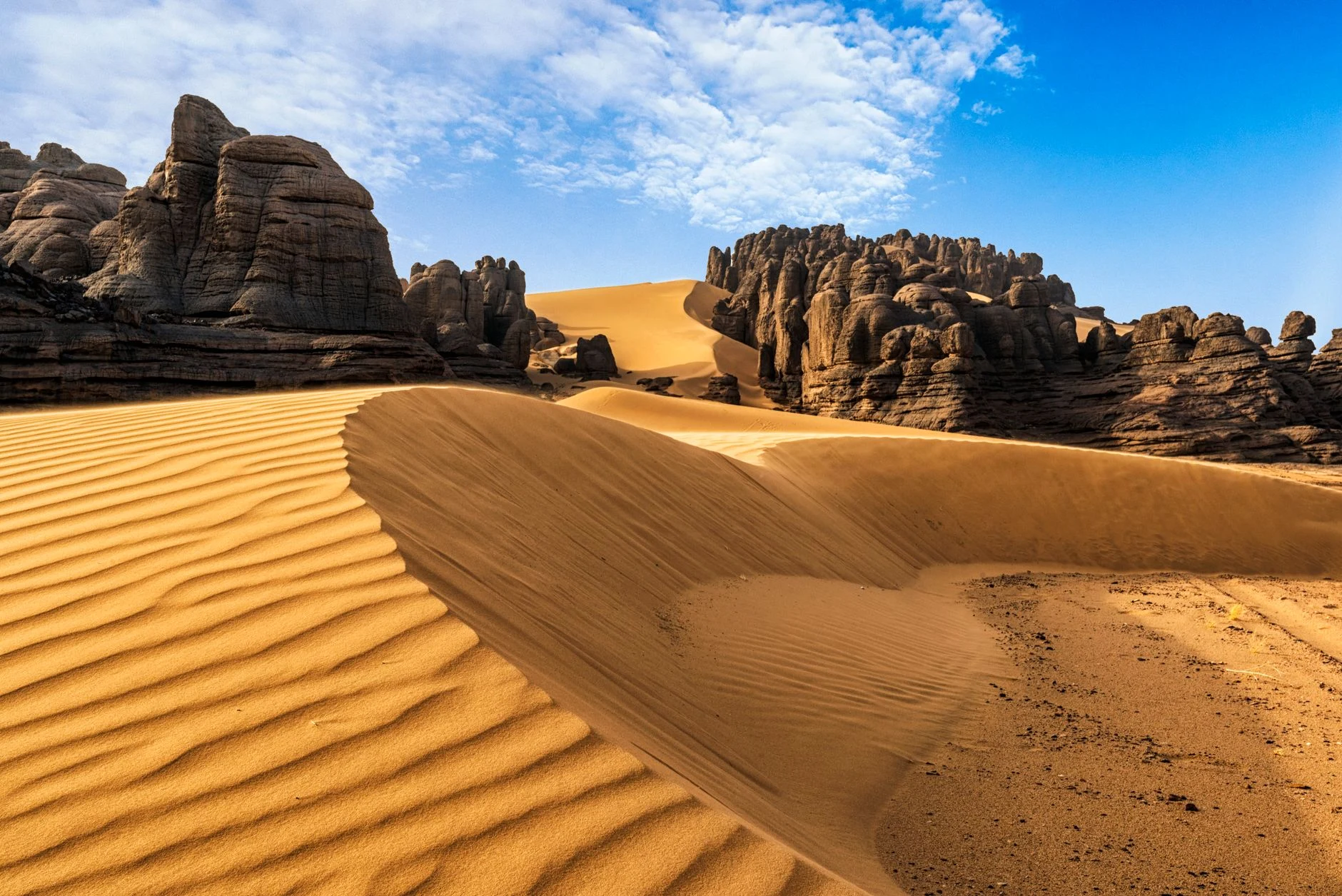
Deserts and mountains in the north, cities in the center, and tropical landscapes in the south: thinking about Mexico by region helps you decide which scale of travel to explore.

A documented soundscape that complements this guide to Mexico. Deserts and mountains in the north, cities in the center, and tropical landscapes in the south: thinking about Mexico by region helps you decide which scale of travel to explore.
Audio by Berlin, Irving; King, Edward T.; Schulz, William; Victor Military Band · loc_national_jukebox · Public Domain · Duration: 02:30
North: Deserts, Mountains, and Modern Cities
The Baja California Peninsula stretches for about 1,200 km, from Tijuana to the southern tip of the peninsula. Further east, the north region encompasses states with vast desert and mountainous areas. Monterrey stands out as a major industrial city; in Chihuahua, the Copper Canyons offer a different scale of landscape and a railway experience described as a journey through canyons and indigenous communities. It is not advisable to assume that the entire north shares the same climate or connections: specify the state and route before organizing travel days.
Center: Urban Heritage and Differentiated Excursions
The center allows combining an urban stay with visits to other places, but these are different scales. Mexico City concentrates history, architecture, museums, and parks; nearby, the State of Mexico includes localities such as Toluca and Tepotzotlán, as well as the archaeological site of Teotihuacán. For a trip with architectural or archaeological interest, decide whether the goal is to tour the capital or to dedicate time to a destination outside it. The available evidence is not sufficient to fix transfer times, current transports, or access conditions: verify them before finalizing the plan.
Pacific, Yucatán, and the South: Coasts, Jungle, and Archaeology
The Pacific coast groups beaches and cities like Guadalajara, associated with mariachi and tequila, as well as the highlands of Oaxaca with their own culinary identity. Toward Yucatán and the south, the described combination shifts to jungle, Mayan archaeological sites, and Caribbean and Gulf coasts; Mérida and Palenque appear as urban and archaeological references. These are broad orientations, not a continuous route: select a specific area and verify connections and visiting conditions separately.
How to Turn the Map into a Practical Decision
Start with the landscape or type of place that interests you most and choose a region, not a national list of stops. Then, compare the distances and links between the chosen destinations with current information; the regional description does not confirm schedules, fares, availability, or safety. For a trip to a remote area, also check what transport reaches the specific point and how demanding the journey is. The national capital is Mexico City, but that reference alone does not define an adequate base for touring other regions.
Sources and references
Hide references
14 references
References consulted during editorial review. Times, requirements and advisories may change: always confirm with the official source.
-
MexicoLicence: CC BY-SA 4.0 Wikivoyage contributors · Mexico
-
Mexico StateLicence: CC BY-SA 4.0 Wikivoyage contributors · Mexico State
-
New MexicoLicence: CC BY-SA 4.0 Wikivoyage contributors · New Mexico
-
Norte de México - WikiviajesLicence: CC BY-SA 4.0 Wikivoyage contributors · Norte de México - Wikiviajes
-
Nuevo México - WikiviajesLicence: CC BY-SA 4.0 Wikivoyage contributors · Nuevo México - Wikiviajes
-
Mexico CityLicence: CC BY-SA 4.0 Fuente: Wikivoyage
-
MéxicoLicence: CC BY-SA 4.0 Fuente: Wikivoyage
-
Ciudad de MéxicoLicence: CC BY-SA 4.0 Fuente: Wikivoyage
-
North Central New MexicoLicence: CC BY-SA 4.0 Fuente: Wikivoyage
-
Northwest New MexicoLicence: CC BY-SA 4.0 Fuente: Wikivoyage
-
Mexico CityLicence: Datos geográficos bajo CC BY 4.0; requiere atribución a GeoNames. Fuente: GeoNames
-
Mexico CityLicence: Datos geográficos bajo CC BY 4.0; requiere atribución a GeoNames. Fuente: GeoNames